
Why Food Experiences Matter During Bali Getaways Key Takeaways
Visitors who skip the local food scene miss more than a meal—they miss a chance to step inside the culture.
- Why Food Experiences Matter During Bali Getaways because they transform passive sightseeing into active, multi-sensory engagement that creates vivid, long-lasting travel memories.
- Bali’s unique blend of ancient culinary traditions and world-class hospitality dining bali allows travelers to experience the island through taste, smell, and human connection.
- Whether you choose a beachfront warung or an exclusive private chef bali experience, prioritizing food tourism experiences elevates your entire vacation satisfaction and emotional resonance.

What Makes Dining Important in Bali Travel Experiences?
Bali has never been just about sunsets and surf. The island pulses with a culinary energy that draws travelers into its spiritual and social fabric. To understand why food experiences matter during Bali getaways, you first have to recognize that dining here is rarely a quiet, isolated act. Meals in Bali are communal, ceremonial, and deeply tied to the rhythms of daily life. Every dish, from a simple nasi campur to an elaborate lawar, carries the story of the land, the sea, and the people who tend to them.
Visitors who skip the local food scene miss more than a meal—they miss a chance to step inside the culture. Cultural food experiences Bali offers range from participating in a temple blessing to sitting cross-legged on a bamboo mat in a family compound, sharing a bowl of sate lilit. These moments anchor you in a way that no temple selfie ever can.
How Does Food Shape Bali Vacation Memories?
Our brains are wired to encode memories through scent and taste more powerfully than through visual input alone. That is precisely why food experiences matter during Bali getaways when it comes to shaping lasting vacation memories. A single whiff of kecap manis years later can transport you right back to a warm evening in Ubud, the sound of gamelan floating through the air.
Memorable dining experiences in Bali are rarely only about the plate. They are about the place, the people, and the pace. Imagine sipping a young coconut cocktail as the sun sinks behind the rice terraces of Tegallalang, or sharing a private chef Bali dinner on the terrace of a hillside villa while fireflies begin to flicker. These scenes imprint themselves because they engage all the senses at once, creating what psychologists call “flashbulb memories”—vivid, detailed, and emotionally charged.
The Role of Ambiance in Emotional Dining
Bali’s destination dining Bali scene is famous for its stunning settings, but the ambiance is more than a pretty backdrop. It actively shapes the emotional tone of your meal. A loud, crowded restaurant will produce a different memory than a quiet table on the edge of a jungle cliff. The tropical dining Bali experience—open-air pavilions, the scent of frangipani, the distant rhythm of waves—creates a relaxed, almost meditative state that makes you more receptive to the flavors and to the company you share them with.
Why Do Travelers Seek Food Adventures in Bali?
Today’s traveler craves authenticity, and food is the most direct path to it. Why food experiences matter during Bali getaways for modern tourists stems from a shift in travel philosophy: people no longer want to just see a place; they want to taste it, smell it, and cook it. Culinary tourism Bali has exploded because the island offers something rare: a living food culture that has been preserved for centuries while also evolving into one of Asia’s most exciting culinary destinations.
Food tourism experiences in Bali cater to every level of curiosity. You can join a morning market tour in Gianyar, pick ingredients from a family garden, and learn to grind spices with a mortar and pestle beside a local grandmother. Or you can book a multi-course degustation menu at a restaurant like Locavore, where every plate is an edible ode to Indonesian biodiversity. Both types of bali cuisine tourism offer the same gift: a deeper understanding of the island through its flavors.
Comparison: Standard Tourism vs. Food-Centered Travel in Bali
To fully grasp why food experiences matter during Bali getaways, it helps to compare a typical tourist itinerary with one built around meaningful culinary moments.
| Standard Tourism Activity | Food-Centered Equivalent | Why the Food Version Creates Stronger Memories |
|---|---|---|
| Quick lunch at a busy café between temple visits | Slow lunch at a destination dining Bali spot overlooking rice paddies | The unhurried pace and stunning view let the meal become a moment, not just a refuel stop. |
| Snapping a photo of a market from the outside | Guided market tour with a chef, tasting tropical fruits and street food | Engages smell, taste, and touch, plus a personal story from your guide. |
| Staying in a hotel and eating at the buffet | Staying in a villa with a private chef Bali preparing a custom dinner | The intimacy and personalization turn dinner into a highlight of the entire trip. |
| Buying packaged souvenirs at a tourist shop | Taking a cooking class to learn how to make mie goreng and satay | You leave with a skill, a story, and the ability to recreate the memory at home. |
| Watching a Kecak dance from the back row | Dinner show with traditional dance and a Balinese feast | Combining culture with flavor deepens the emotional impact of the performance. |
This comparison reveals the core truth of why food experiences matter during Bali getaways: they are inherently more immersive. Instead of looking at culture from the outside, you become a participant. You aren’t just seeing Bali—you are tasting it.
How Do Culinary Experiences Enhance Travel in Bali?
Experiential travel food does not just add entertainment value; it fundamentally shifts how you relate to the destination. When you share a meal with a local family or watch a chef explain the medicinal properties of turmeric and ginger in jamu, you develop a sense of connection that no itinerary can manufacture. Food and travel experience experts agree that these culinary encounters reduce the psychological distance between traveler and host, turning a foreign land into a familiar place, even if only for an evening.
Why Has Bali Become a Global Food Tourism Destination?
The label of food tourism experiences destination is not one Bali simply claimed—it earned it. Bali dining culture is uniquely positioned at the intersection of ancient tradition and cutting-edge creativity. The island attracts top chefs from around the world who are inspired by the abundance of local ingredients: sea salt from Amed, vanilla from Pupuan, coffee from Kintamani, and an endless variety of tropical produce.
But beyond the restaurant scene, luxury villa dining Bali has redefined the concept of a private meal. Villas equipped with professional kitchens and dedicated staff allow guests to design their entire culinary day—from a breakfast of fresh papaya and Balinese pancakes by the pool to a romantic candlelit dinner under the stars. Hospitality dining Bali at this level is not just service; it is personal curation. Your preferences, dietary needs, and even your mood are taken into account, making every meal feel exclusive and intentional. For a related guide, see Why Romantic Dinners Feel More Special in Bali.
Private Chef Experiences: The Ultimate Expression of Culinary Luxury
Among the most sought-after bali food experiences, booking a private chef Bali sits at the top. These chefs often use traditional techniques—think bamboo-steamed fish or coconut-smoked duck—but present them with a modern, artistic touch. The beauty of a private chef dinner is that it happens in your own space, at your own pace. You can pause between courses to dip your toes in the pool, or linger over a glass of wine as the chef shares the story behind each ingredient. It is the antithesis of a rushed restaurant meal, and it is precisely why food experiences matter during Bali getaways for travelers seeking meaningful, unhurried luxury. For a related guide, see 8 Ways Chef Curated Menus Elevate Bali Gatherings.
How Does Ambiance Affect Bali Dining Experiences?
Ambiance in Bali is not a decorative afterthought; it is the main event. Tropical dining Bali takes place in spaces that blur the line between indoors and out. Floor-less bamboo structures, treehouse restaurants, and candlelit platforms floating on lily ponds are common. This immersion in nature stimulates the senses before the food even arrives. The sound of frogs, the scent of damp earth after rain, the faint warmth of a tropical evening—all of it primes your palate and deepens your connection to the meal.
In bali dining culture, the environment is often considered as important as the cuisine itself. A dish of bebek betutu (slow-cooked duck) tastes different when you are seated on a rice terrace under a thatched roof versus inside an air-conditioned box. The context changes the flavor, or rather, our perception of it. That is why food experiences matter during Bali getaways from a psychological standpoint: they are holistic events that use the entire environment to elevate a simple act of eating into a profound, sensory ritual.
How Private Dining Experiences Improve Bali Vacations
There is a quiet magic in a meal prepared just for you. Luxury villa dining Bali and private chef experiences are not about showing off; they are about intimacy. Couples celebrating anniversaries, families reuniting, or friends marking a milestone often say the private dinner was the highlight of the trip. Why? Because it allows for genuine connection—with the food, with each other, and with the island.
Private chef Bali services also offer flexibility that restaurants cannot. If you want to try a dish you had at a warung the night before, the chef can replicate it. If you have dietary restrictions, every ingredient is controlled. If the kids get tired, dinner can move earlier. This responsiveness removes the friction from dining and replaces it with pure pleasure. It demonstrates, in a very practical way, why food experiences matter during Bali getaways for travelers who value personalization and ease.
Useful Resources
For more on Bali’s culinary scene and how to plan your food-focused itinerary, check out these trusted sources:
- Bali Tourism Board – Official updates on dining events, food festivals, and cultural food tours across the island.
- Lonely Planet Bali Restaurants – Curated reviews and recommendations for the best local warungs, fine dining, and hidden culinary gems in Bali.
Frequently Asked Questions About Why Food Experiences Matter During Bali Getaways
Why do food experiences matter during Bali getaways?
Food experiences matter because they are the most direct way to immerse yourself in Bali’s culture, create multi-sensory memories, and deepen your emotional connection to the island. They turn a simple vacation into a rich, personal story.
What makes dining important in Bali travel experiences?
Dining in Bali is rarely just about eating; it is a ritual that combines tradition, community, and stunning natural settings. This holistic approach makes every meal a memorable part of your travel experience.
How does food shape Bali vacation memories?
Food engages smell and taste, which are powerful triggers for long-term memory. A unique flavor or aroma can permanently anchor a specific moment, place, or emotion from your vacation in your mind.
Why is Bali known for unique food experiences?
Bali combines a deep-rooted culinary heritage with a vibrant modern food scene. The abundance of local ingredients, creative chefs, and spectacular dining venues — from rice terraces to jungle cliffs — makes its food experiences truly one-of-a-kind.
How do culinary experiences enhance travel in Bali?
They transform you from a passive observer into an active participant. Cooking classes, market tours, and private chef dinners let you taste, touch, and learn about the culture, creating a far deeper connection than sightseeing alone.
What role does local cuisine play in Bali tourism?
Local cuisine is a cornerstone of Bali’s tourism appeal. Dishes like babi guling, lawar, and sate lilit are not just food—they are cultural artifacts that attract food lovers from around the world and drive the growing field of culinary tourism.
Why do travelers seek food adventures in Bali?
Travelers seek food adventures because they want authentic, immersive experiences. Tasting and cooking Balinese food offers a genuine window into the island’s soul that goes beyond typical tourist activities.
How does dining influence emotional travel memories?
Dining is an emotional event, especially in a beautiful setting. Sharing a memorable meal with loved ones—accompanied by stunning views and warm hospitality—creates positive emotional associations that make the entire trip more meaningful.
What makes Bali food culture special for tourists?
Bali’s food culture is special because it is deeply intertwined with Hindu rituals, local agriculture, and a spirit of community. Tourists are welcomed into this culture, whether at a temple feast or a family-run warung.
How do private dining experiences improve Bali vacations?
Private dining offers intimacy, customization, and a relaxed pace. A private chef can tailor the meal to your tastes and dietary needs, turning dinner into a personal, luxurious event that stands out from any restaurant meal.
Why is food tourism important in Bali getaways?
Food tourism is important because it supports local farmers, fishermen, and artisans while giving travelers a sustainable and meaningful way to explore the island. It also adds a rich layer of pleasure and education to any trip.
How does ambiance affect Bali dining experiences?
Ambiance in Bali—open-air settings, ocean views, jungle canopies—actively shapes your mood and perception of the food. A beautiful setting amplifies enjoyment and makes the meal more memorable.
What makes Bali villa dining so popular?
Villa dining is popular because it combines luxury with complete privacy. You enjoy restaurant-quality food served in your own personal space, often tailored to your schedule and preferences, making it feel incredibly exclusive and relaxing.
How do shared meals enhance Bali travel experiences?
Shared meals, especially those with local families or new travel friends, foster connection and a sense of belonging. Breaking bread together breaks down barriers and creates warmth that lasts long after the trip ends.
Why do travelers remember Bali food experiences more than activities?
Because food engages multiple senses simultaneously—taste, smell, sight, and touch—and is often paired with strong social or emotional moments. This multi-sensory encoding makes food memories more vivid and easier to recall than single-sense activities like sightseeing.
Are cooking classes worth it in Bali?
Absolutely. Cooking classes are one of the most rewarding food experiences you can have. You learn authentic techniques, go home with new skills, and create a tangible memory that you can recreate and share with loved ones.
What is the best type of dining in Bali for couples?
For couples, a private sunset dinner on the beach or a private chef experience in a secluded villa is ideal. These settings offer romance, intimacy, and an atmosphere that makes the meal feel like a once-in-a-lifetime event.
Can food experiences in Bali accommodate dietary restrictions?
Yes. Many restaurants and private chefs in Bali are accustomed to handling dietary restrictions—gluten-free, vegan, halal, or allergies. The best approach is to communicate clearly when booking, especially for private dining, so the chef can prepare accordingly.
How much does a private chef in Bali cost?
Costs vary widely based on the menu, number of courses, and service level. A simple private dinner may start around $50–$70 per person, while a multi-course gourmet experience with wine pairings can exceed $150 per person. It is an investment in a memorable night.
Is street food safe to eat in Bali?
Yes, but with common-sense precautions. Choose stalls that are busy with locals, where food is cooked fresh to order, and where ingredients are clearly handled with care. Stomach issues are usually due to the introduction of new bacteria, not necessarily the quality of the food.
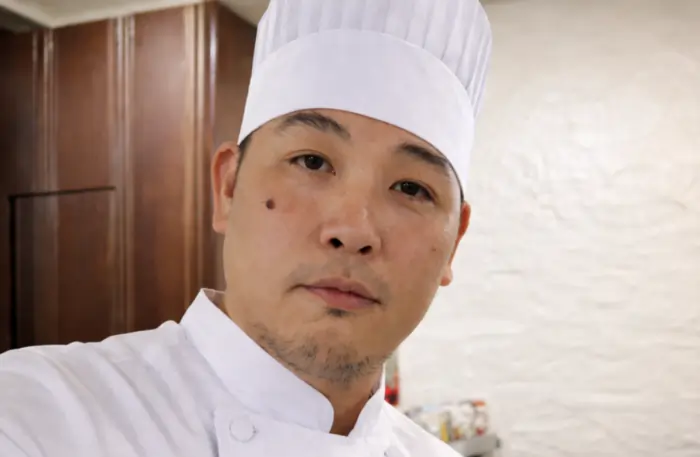
Chef Juan Gadi brings the heart of Filipino hospitality to Ubud, Bali. As an Executive Chef and consultant, he specializes in creating intimate, curated dining experiences that tell a story through every dish. Whether leading the kitchen at Kilig Filipino Warung or hosting a private villa dinner, Chef Juan’s approach is defined by warmth, modern technique, and a commitment to culinary excellence.