
Rise of Modern Filipino Dining Experiences in Bali Key Takeaways
The rise of modern Filipino dining experiences in Bali reflects a powerful shift in global food culture: Filipino cuisine is no longer a hidden gem but a bold player in the international culinary scene.
- The rise of modern Filipino dining experiences in Bali is driven by a wave of Filipino chefs who combine local ingredients with progressive cooking methods.
- Fusion Filipino dishes, experiential tasting menus, and Instagram-worthy plating have made Filipino food one of the most talked-about cuisines in Bali’s vibrant restaurant scene.
- From adobo tacos to kinilaw bowls and ube desserts, these concepts are redefining how international audiences perceive and enjoy Filipino gastronomy abroad.

What Is Driving the Rise of Modern Filipino Dining Experiences in Bali
The convergence of culinary tourism, digital nomad culture, and a growing appetite for authentic yet innovative food has created a perfect environment for Filipino cuisine Bali to flourish. Bali has long been a melting pot for global food trends, and in recent years, modern Filipino dining has emerged as a standout category. Chefs are moving beyond traditional sinigang and lechon, reimagining these dishes with locally sourced Balinese spices, organic vegetables, and sustainable seafood. For a related guide, see The Most Loved Filipino Dishes First Time Visitors Try.
This movement is not just about food; it is about storytelling. Experiential dining Bali concepts often incorporate Filipino heritage, family recipes, and communal dining traditions into multi-course journeys. Travelers are drawn to the narrative behind each plate, making the dining experience memorable beyond the meal itself.
The Role of Global Filipino Food Culture
Filipino food globalization has accelerated as overseas Filipino communities share their culinary roots with the world. Bali, as a hub for tourism and entrepreneurship, offers a stage where Filipino fusion food can evolve rapidly. Pop-up events, food festivals, and collaborations with Balinese chefs have introduced local audiences to flavors like bagoong (fermented shrimp paste), calamansi, and pandan. For a related guide, see How Bali Travelers Discover Filipino Comfort Foods.
Why Bali Specifically?
Bali’s open-minded food culture welcomes experimentation. Diners are already familiar with Japanese, Italian, and Mexican influences, so Filipino restaurant trends fit naturally into the island’s fusion-friendly ethos. The Bali dining experiences market is also highly visual; restaurants invest in interior design, plating aesthetics, and social media presence, which aligns perfectly with the photogenic nature of Filipino dishes.
Key Filipino Restaurant Concepts Making Waves in Bali
Several pioneering restaurants and pop-ups define the rise of modern Filipino dining experiences in Bali. These establishments are not mere replicas of Manila eateries — they are unique concepts tailored to an international audience.
Modern Kamayan Feasts
Kamayan, the traditional Filipino way of eating with hands on banana leaves, has been elevated into a refined communal experience. In Bali, restaurants offer curated kamayan platters with grilled seafood, crispy pork belly, fresh mango salsa, and garlic fried rice. The interactive format encourages conversation and sharing, perfect for groups of travelers.
Adobo and Kinilaw Reimagined
Adobo, the unofficial national dish, is no longer just chicken or pork braised in soy and vinegar. Chefs in Bali serve adobo with duck confit, coconut reduction, and even as a stuffing for empanadas. Similarly, kinilaw (Filipino ceviche) uses local tuna, calamansi, and chili, sometimes infused with Balinese lemongrass or kemangi (lemon basil).
Desserts with a Twist
Ube (purple yam), leche flan, and halo-halo have become stars of modern Asian cuisine in Bali. Creative versions include ube cheesecake, leche flan panna cotta, and halo-halo with coconut sorbet and tropical fruits. These desserts are widely shared on Instagram, fueling Bali food tourism.
How Chefs Are Adapting Filipino Cuisine Bali for a Global Palate
The adaptation process is crucial to the rise of modern Filipino dining experiences in Bali. Chefs must balance authenticity with approachability, especially when serving diners who may be unfamiliar with sour, salty, or fermented flavors.
Ingredient Substitutions with Integrity
Instead of using traditional Filipino bagoong (which can be overpowering for first-timers), chefs create milder fermented condiments using local Balinese shrimp or anchovies. Calamansi is imported or sourced from nearby islands, but when unavailable, chefs use a blend of lime and mandarin to mimic its unique tartness.
Plating and Presentation
Visual appeal is non-negotiable. Experiential dining Bali restaurants invest in beautiful ceramics, edible flowers, and artistic drizzles of sauce. A simple dish of chicken inasal (grilled chicken) is served with pickled papaya ribbons, micro herbs, and a bright calamansi gel, making it camera-ready.
Portioning and Tasting Menus
Rather than oversized family-style servings, many modern Filipino restaurants offer tasting menus with smaller portions. This allows diners to sample a variety of dishes — from crispy pata croquettes to sinigang consomé — without feeling overwhelmed. Tasting menus also justify higher price points and elevate the perception of Filipino cuisine as fine dining.
Why Experiential Dining Bali Attracts Food Travelers and Digital Nomads
Bali’s dining experiences are often designed to be immersive. The rise of modern Filipino dining experiences in Bali taps into this trend by offering cooking classes, chef’s table interactions, and storytelling sessions about Filipino heritage. Digital nomads and millennials value experiences over material goods, and a meal that includes a narrative about the dish’s origin fits perfectly into their lifestyle.
Social Media and the Visual Feast
Platforms like Instagram and TikTok are powerful drivers. Dishes like fusion Filipino dishes presented in coconut shells, banana leaves, or carved wooden bowls generate organic shares. Restaurants encourage guests to tag their location, creating a ripple effect that draws more visitors. Hashtags like #FilipinoFoodBali and #BaliEats have gained traction among food vloggers and travel bloggers.
Community and Connection
Filipino dining in Bali often emphasizes communal eating, which resonates with the island’s yoga-and-wellness crowd. Guests share stories with strangers over a large platter of grilled seafood and garlic rice, reinforcing the idea that food brings people together. This human connection is a core reason for the popularity of Filipino food globalization in Bali.
Top Filipino Restaurant Innovation Examples You Can Visit
While the scene is fluid, a few standout concepts consistently receive praise from locals and travelers alike. These restaurants exemplify modern restaurant concepts that merge Filipino soul with Balinese spirit.
Lokal Bali – Filipino-Indonesian Fusion
Located in Seminyak, Lokal Bali offers a menu that dances between Filipino adobo and Indonesian rendang. Their signature dish adobo-braised short ribs with sambal matah is a guest favorite. The open kitchen lets diners watch the chefs plate each dish, adding an experiential dining Bali layer.
Halo-Halo Lounge – Dessert Destination
This Canggu spot is dedicated entirely to Filipino desserts. Their ube latte and halo-halo with coconut jelly have become viral sensations on TikTok. The lounge’s pastel interiors and neon signs make it a magnet for food experience Bali seekers and content creators.
Kinilaw Bar – Raw Bar Innovation
Specializing in Filipino ceviche, this pop-up turned permanent restaurant serves kinilaw with local tuna, sea bass, and even octopus. Each dish is dressed with calamansi, ginger, and a touch of coconut cream. The bar setting encourages sampling and sharing, and the bright citrus flavors appeal to health-conscious tourists.
How Tourism and Social Media Shape the Rise of Modern Filipino Dining Experiences in Bali
Tourism is the lifeblood of Bali’s food scene, and the rise of modern Filipino dining experiences in Bali cannot be separated from broader travel patterns. Visitors come seeking authentic cultural experiences, and Filipino food offers something familiar yet exotic — comfort food with a tropical twist.
Digital Nomad Food Culture
Digital nomads in Canggu and Ubud value healthy, affordable, and photogenic food. Filipino fusion food fits the bill: grilled fish with coconut rice, vegetable kinilaw, and ube smoothie bowls are high in nutrients and low in guilt. Many restaurants offer co-working hours or fast Wi-Fi, encouraging nomads to linger and work over a plate of chicken inasal.
Food Festivals and Pop-Up Events
Bali hosts regular food festivals like the Ubud Food Festival and the Bali Food Festival, where Filipino chefs showcase their creations. These events introduce Filipino cuisine abroad to a diverse audience and create buzz that lasts long after the festival ends. Pop-ups in collaboration with Balinese chefs also generate media coverage and social media shares.
Challenges and Opportunities for Modern Filipino Dining in Bali
While the outlook is bright, there are hurdles. Sourcing specific Filipino ingredients like banana ketchup, longganisa, or bagoong can be expensive and inconsistent. Some diners may still be unfamiliar with Filipino flavors and need gentle introduction. However, these challenges also present opportunities: Filipino culinary innovation thrives on improvisation, and chefs who can creatively substitute ingredients often develop unique signature dishes.
Building Brand Awareness
International Filipino cuisine still lacks the global recognition of Thai or Vietnamese food. Restaurants in Bali must invest in Filipino food branding abroad — through storytelling on menus, social media campaigns, and collaborations with travel influencers. As more travelers discover the depth of Filipino gastronomy, the demand will continue to grow.
Sustainability and Local Sourcing
Bali’s emphasis on sustainability aligns well with Filipino cooking, which historically uses whole animals and nose-to-tail techniques. Chefs can highlight these practices to appeal to eco-conscious diners, further strengthening the modern Filipino dining identity.
Future Outlook: What Lies Ahead for Filipino Cuisine Innovation in Bali
The trajectory is clear: the rise of modern Filipino dining experiences in Bali is not a passing trend. As more chefs experiment with Southeast Asian fusion cuisine, Filipino flavors will become a staple alongside Thai, Indonesian, and Vietnamese dishes. Expect to see more fine-dining Filipino tasting menus, Filipino-Balinese collaborations, and Filipino food trucks at beach clubs.
For culinary entrepreneurs, hospitality professionals, and tourism marketers, investing in modern restaurant experiences Southeast Asia with a Filipino soul offers a distinct competitive advantage. The combination of rich heritage, vibrant flavors, and universal appeal of destination dining Bali ensures that Filipino cuisine will remain a highlight of the island’s food map.
Useful Resources
To learn more about the rise of modern Filipino dining experiences in Bali and explore current restaurant openings, visit the following resources:
Frequently Asked Questions About rise of modern Filipino dining experiences in Bali
Why are modern Filipino dining experiences rising in Bali?
The perfect mix of culinary tourism, digital nomad culture, and adventurous diners looking for authentic yet innovative food drives the rise of modern Filipino dining experiences in Bali.
How is Filipino cuisine being adapted in Bali restaurants?
Chefs localize traditional dishes by using Balinese ingredients like lemongrass, kemangi, and local seafood while maintaining core Filipino flavors such as calamansi, vinegar, and bagoong.
What makes Filipino food popular among Bali travelers?
Its bold yet familiar flavor profile — a balance of sour, salty, and savory — appeals to travelers who enjoy Thai and Indonesian cuisines, plus the dishes are highly photogenic for social media.
How do modern Filipino restaurants differ from traditional ones?
Modern versions focus on fine-dining presentation, tasting menus, fusion techniques, and storytelling, while traditional restaurants emphasize home-style cooking and family-sized portions.
Why are fusion Filipino dishes trending in Bali?
Bali’s food scene thrives on cross-cultural experimentation, and fusion Filipino dishes offer a fresh way for diners to engage with Philippine cuisine through familiar formats like tacos, bowls, and baos.
How does tourism influence Filipino dining concepts abroad?
Tourists seek memorable experiences, so restaurants design immersive meals that include storytelling, communal eating, and interactive elements like kamayan hand-eating feasts.
What Filipino dishes are most commonly served in Bali?
Adobo, kinilaw, lechon kawali, chicken inasal, sinigang, and ube-based desserts are the most common. Many restaurants also offer lumpia, pancit, and sisig.
How do chefs modernize Filipino cuisine for international audiences?
They refine plating, balance strong fermented flavors, incorporate local produce, and present dishes as small plates or tasting menus to encourage sampling.
What role does social media play in Filipino food trends in Bali?
Platforms like Instagram and TikTok amplify visually striking dishes and dining environments, driving foot traffic to restaurants that offer photogenic plating and unique concepts.
How do Filipino flavors blend with Bali culinary culture?
Both cuisines use coconut, chili, seafood, and rice. Chefs combine Filipino vinegar-based marinades with Balinese sambals and spice pastes to create hybrid dishes.
Why are experiential dining concepts growing in Bali?
Travelers prioritize memorable experiences over simple meals. Concepts like kamayan, chef’s tables, and storytelling dinners create lasting emotional connections with the food.
How do Filipino restaurants attract global travelers?
Through strong social media marketing, collaborations with travel influencers, menu descriptions that highlight cultural heritage, and inclusion in food tours and festival lineups.
What makes modern Filipino dining unique in Southeast Asia?
Its foundation in sour and savory flavors, use of fermentation, and emphasis on communal hand-eating set it apart from Thai, Vietnamese, and Indonesian cuisines.
How does globalization shape Filipino food abroad?
Global travel, diaspora communities, and the rise of food media have pushed Filipino cuisine beyond traditional borders, encouraging chefs to adapt dishes for diverse palates.
What are examples of Filipino fusion food in Bali?
Adobo tacos with pickled onions, kinilaw tuna poke bowls, sisilg-loaded fries, lechon kawali buns, and ube cheesecake are all popular fusion examples.
Is modern Filipino dining expensive in Bali?
Prices vary. Mid-range restaurants charge around IDR 100,000–200,000 per main, while fine-dining tasting menus can exceed IDR 500,000 per person.
Are there vegetarian options in modern Filipino restaurants?
Yes, many restaurants offer vegetarian kinilaw (with mushrooms or tofu), vegetable lumpia, coconut-based sinigang, and ube-based dishes.
Can I find Filipino street food in Bali?
While less common than full-service restaurants, some pop-ups and food stalls offer fish balls, kwek-kwek (quail eggs), and turon (banana spring rolls).
Do I need to make reservations?
For popular concepts like kamayan feasts or tasting menus, reservations are recommended, especially during peak tourist season or weekends.
What is the best area in Bali for Filipino dining?
Seminyak and Canggu have the highest concentration of Filipino restaurants and fusion pop-ups. Ubud also offers a few health-oriented Filipino eateries.
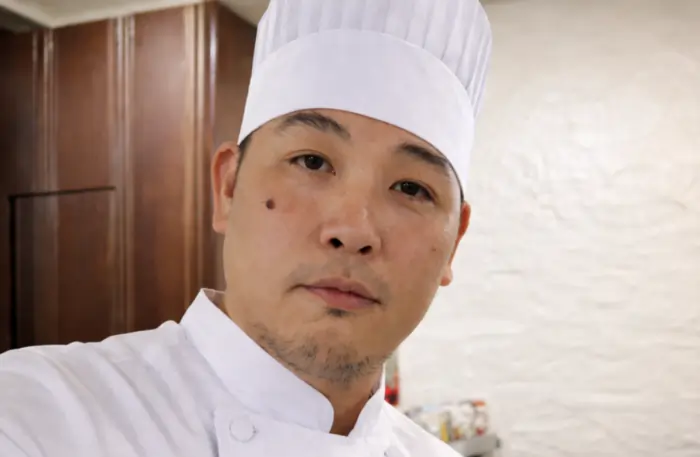
Chef Juan Gadi brings the heart of Filipino hospitality to Ubud, Bali. As an Executive Chef and consultant, he specializes in creating intimate, curated dining experiences that tell a story through every dish. Whether leading the kitchen at Kilig Filipino Warung or hosting a private villa dinner, Chef Juan’s approach is defined by warmth, modern technique, and a commitment to culinary excellence.