Travel Moments That Feel More Meaningful Around Food Key Takeaways
For Chef Juan, who brings Filipino hospitality to Ubud, the magic lies in cultural food experiences .
- Travel moments that feel more meaningful around food often involve a personal connection with cooks or communities, not just a meal.
- Emotional food experiences — like tasting a grandmother’s recipe or sharing a street-side dish with strangers — create lasting travel food memories .
- Culinary travel and food tourism are about immersing yourself in destination cuisine, not just eating; they shape how we remember a place long after we leave.
What Makes Travel Moments That Feel More Meaningful Around Food So Powerful
We all have that one meal from a trip that we still talk about years later. It might have been a bowl of steaming noodles in a bustling night market or a quiet dinner with a local family overlooking rice terraces. According to Chef Juan Gadi, travel moments that feel more meaningful around food happen when you go beyond the menu. They occur when you slow down, taste the story behind the dish, and feel the warmth of someone who cooked it for you. These meaningful travel food moments become anchors for entire journeys, and they often start with a single bite.
For Chef Juan, who brings Filipino hospitality to Ubud, the magic lies in cultural food experiences. “When I cook a traditional Filipino dish for guests in Bali, I see their eyes light up. They’re not just tasting food; they’re tasting a memory of my culture,” he says. That connection — between plate and place — is what powers food tourism and keeps travelers coming back for more authentic food experiences.
So what are the specific moments that create these powerful travel food memories? Here are ten instances where food transformed travel into something deeper, each paired with insights from Chef Juan and embedded answers to the questions travelers ask most.
1. Sharing a Meal with a Local Family
When you’re invited into someone’s home and share a table with their family, you move from tourist to guest. This is one of the most meaningful travel food moments because it strips away barriers. A home-cooked meal offers authentic food experiences that no restaurant can replicate. Why does food make travel experiences more memorable? Because it builds trust. Chef Juan recalls hosting guests at a private villa dinner in Ubud: “They asked about my childhood in the Philippines. I cooked adobo and sinigang. By the end, we were laughing and exchanging stories. That meal became their favorite memory of Bali, not because of the resort, but because of the connection.” How do shared meals enhance travel experiences? They turn strangers into friends, and one meal into a lifelong travel food memory.
2. Discovering Street Food in a Foreign Market
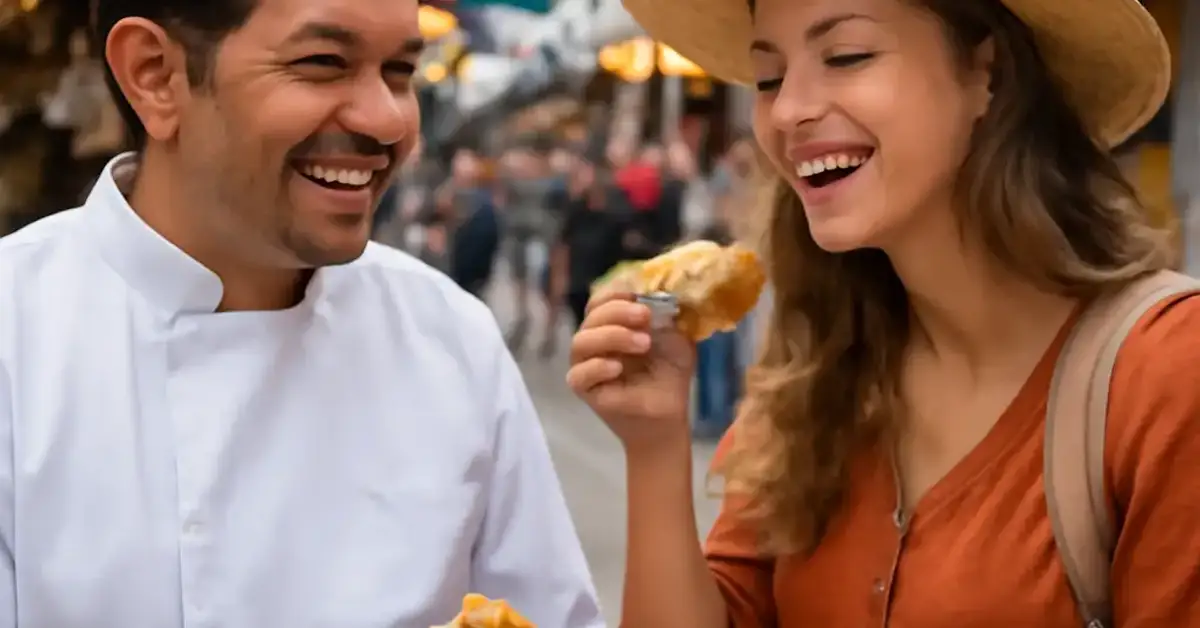
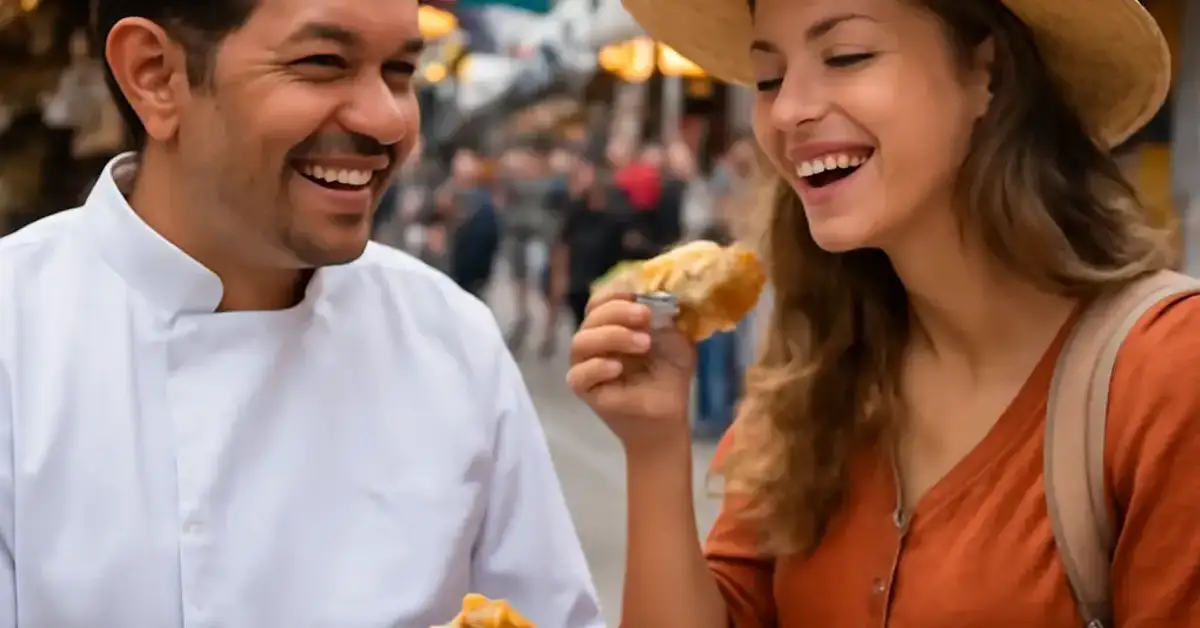
There’s nothing quite like standing at a bustling stall, watching a cook flip pancakes or grill skewers over charcoal. Street food travel is a visceral experience — the sizzle, the smoke, the chatter. This is how many travelers first encounter local cuisine travel in its rawest form. How does street food impact travel culture? It democratizes food access; anyone can taste the best of a neighborhood for a few coins. Chef Juan points out that gastronomic tourism often begins on a street corner. “When I travel, I head straight to the markets. That’s where I learn about local ingredients and techniques. It’s emotional food travel — you taste the energy of the city.”
3. Tasting a Dish That Reminds You of Home
Sometimes the most profound travel food memories come from unexpected familiarity. A bowl of soup that tastes like your grandmother’s recipe, or a spice blend that triggers a distant childhood smell. These emotional food experiences tie the foreign to the familiar, grounding you in travel and food culture. “I once served kare-kare to a Filipino traveler in Bali,” Chef Juan shares. “She cried. She said it reminded her of her grandmother’s kitchen. That moment showed me how food bridges distance and time.”
4. Cooking with a Local Chef or Grandma
Participatory culinary travel — like taking a cooking class in someone’s home — deepens your relationship with a destination. You chop, stir, and season alongside someone who has cooked that dish their entire life. How do cultural foods create lasting travel memories? Because you don’t just eat them; you learn them. Chef Juan emphasizes hands-on learning: “When guests cook with me, they understand why I use coconut vinegar or how to balance sour and salty. They leave with a new skill and a story.” This is immersive dining experiences at its most interactive.
5. Eating Something for the First Time
First bites of destination cuisine — like durian in Bangkok, haggis in Scotland, or balut in the Philippines — are never forgotten. Trying something unfamiliar is a hallmark of food discovery travel. What are the most meaningful travel food moments? Often they are the ones that push your comfort zone. The surprise, the laughter, the shared grimace or joy — these travel eating experiences become legendary. “Bali has this fruit called snake fruit,” Chef Juan says. “First-time tasters often make a funny face, but by the third bite they love it. That journey of discovery is pure joy.”
6. A Feast Overlooking a Landscape
Setting matters. A meal eaten while overlooking rice terraces, a volcano, or a sunset beach elevates travel dining moments into spiritual experiences. Why is food important in cultural travel experiences? Because the context frames the taste. Chef Juan often hosts dinners in Ubud’s lush surroundings. “The humidity, the sound of nature, the breeze — all of it changes how guests taste the food. It becomes a multi-sensory memory. These are the moments travelers remember more than landmarks.”
7. A Meal That Teaches You About History
Certain dishes carry centuries of story. Eating mole in Oaxaca, tagine in Marrakech, or rendang in Padang connects you to global cuisine travel and deepens your understanding of a place. What are examples of food tourism experiences? Visiting a spice plantation, joining a harvest festival, or eating a dish that originated from colonial trade routes. Chef Juan notes that food culture abroad is often a window into social history. “When I cook Filipino food, I’m cooking the history of trade, migration, and adaptation. Every dish is a travelogue.”
8. A Shared Meal with Fellow Travelers
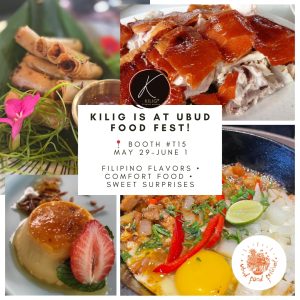
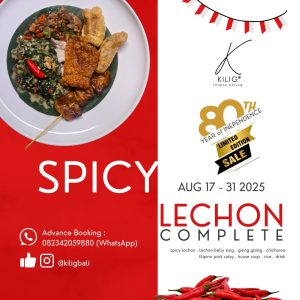
There’s a unique bond formed around a table with strangers who become friends. Travel meals are often the glue that holds group trips together. How do shared meals enhance travel experiences? They create a space for vulnerability and exchange. Chef Juan has seen this at Kilig Filipino Warung: “Groups of solo travelers sit together, share dishes, and end up planning their next day’s adventure together. The food becomes the catalyst for community.” These travel and food culture moments often lead to lifelong friendships.
9. Receiving Hospitality Beyond Expectation
What role does hospitality play in travel food moments? It transforms a transaction into a gift. When a hotel chef prepares a meal just for you because you mentioned a craving, or a street vendor refuses payment because you smiled and helped them, that generosity becomes a travel food memory that lasts. Chef Juan explains: “In Filipino culture, hospitality is sacred. When I treat a guest like family, they feel it. That emotional resonance is what they carry home.” How does tasting local food influence travel satisfaction? When hospitality is layered on top of the dish, satisfaction multiplies. For a related guide, see 7 Bali Dining Experiences That Feel Deeply Personal.
10. A Final Meal Before Leaving
The last meal of a trip often carries weight. It’s a farewell to the place you’ve come to love. Whether it’s a simple coffee and pastry at a corner café or a multi-course dinner, this travel eating experience becomes a closing chapter. Food memories of that final meal can color your entire perception of a destination. Chef Juan advises travelers to make it count: “Order something you already miss. Savor it. That meal will be the taste of goodbye — and the promise of return.”
How Chef Juan Gadi Creates Meaningful Food Experiences Every Day
In his work at Kilig Filipino Warung and private villa events in Ubud, Chef Juan Gadi embodies the principles behind travel moments that feel more meaningful around food. His approach is rooted in food travel storytelling — every dish arrives with a story about its origin, the farmer who grew the vegetable, or the grandmother who taught him the recipe. He believes food tourism should be emotional, not just transactional. “When a guest leaves my table, I want them to feel like they just had dinner with a friend,” he says. “That’s the real luxury — connection.” For a related guide, see 11 Ways Food Creates Emotional Travel Memories.
For travel bloggers, content creators, and hospitality professionals, his work offers a blueprint: prioritize authentic food experiences, invest in cultural dining experiences, and never underestimate the power of a shared laugh over a shared dish. As culinary travel continues to grow, those who focus on emotional food experiences will always have a seat at the table.
Useful Resources
To deepen your understanding of food tourism and travel food memories, explore these authoritative sources:
- World Food Travel Association: World Food Travel Association — Research on Culinary Tourism
- National Geographic — Food Journeys: National Geographic on Travel and Food Culture
Frequently Asked Questions About Travel Moments That Feel More Meaningful Around Food
What are the most meaningful travel food moments ?
The most meaningful travel food moments involve personal connection — sharing a meal with a local family, learning a recipe from a grandmother, or tasting a dish that tells a cultural story. These moments transcend eating and become emotional travel food memories.
Why does food make travel experiences more memorable?
Food engages multiple senses at once — taste, smell, sight, and touch — making it a powerful tool for memory. It’s often tied to strong emotional experiences, which is why travel food memories often outlast photos or landmarks. As Chef Juan says, “You remember how a place tasted.”
How do shared meals enhance travel experiences?
Shared meals create bridges between people. When you break bread with locals or fellow travelers, you build trust and exchange stories. These travel meals often become the emotional anchor of a trip, fostering connections that last beyond the journey.
What emotional food experiences do travelers remember most?
Travelers most often remember moments of surprise, comfort, or generosity: a street vendor’s kindness, a dish that reminded them of home, or a taste that challenged their palate. These emotional food experiences are deeply personal and create lasting travel food memories.
How does local cuisine shape travel memories?
Local cuisine is a direct expression of a region’s culture, history, and environment. When travelers engage with it, they create authentic food experiences that tie the taste to the place — making local cuisine travel a powerful way to remember destinations.
What makes dining experiences special while traveling?
Dining experiences become special when they feel intentional — like a meal prepared by a passionate chef, eaten in a stunning location, or shared with new friends. These travel dining moments turn a routine activity into a highlight of the trip.
How does street food impact travel culture?
Street food is one of the most accessible ways to experience local cuisine travel. It energizes travel culture by offering affordable, authentic, and often iconic dishes. Street food travel also supports local economies and creates spontaneous, joyful food memories.
Why do people connect emotionally through food during travel?
Food is universal yet deeply personal. Sharing a meal requires trust and openness. When travelers connect emotionally through food, they tap into cultural food experiences that go beyond language barriers. It’s a primal way to bond over a shared table.
What role does hospitality play in travel food moments?
Hospitality is the emotional layer that elevates a meal into a memory. When a host treats you like family, the dish becomes secondary to the feeling. Generous hospitality turns travel meals into emotional food experiences that travelers cherish forever.
How does tasting local food influence travel satisfaction?
Tasting local food directly shapes how satisfied travelers feel about a destination. Positive gastronomic tourism experiences — like discovering a new favorite dish — boost overall happiness and make travelers more likely to return or recommend the place.
What are examples of food tourism experiences?
Examples of food tourism experiences include cooking classes with locals, visiting farms or markets, eating at street food stalls, joining a food tour, dining at a chef’s table, and attending food festivals. All of these create immersive dining experiences tied to travel.
How do travelers remember meals more than landmarks?
Meals involve multisensory engagement — taste, smell, touch, and emotion — which creates stronger memory anchors than visual-only landmarks. A dish can transport you back to a specific moment in time, making it a more vivid way to remember travel food memories.
Why is food important in cultural travel experiences?
Food is a direct expression of culture — it tells stories about history, geography, and identity. It’s essential for cultural travel experiences because it offers a taste of local life. Travelers who skip local cuisine miss a key part of the journey.
How do cultural foods create lasting travel memories?
Cultural foods are tied to rituals, celebrations, and family traditions. When travelers participate in these traditions, they create cultural food experiences that are deeply personal and memorable. The dish becomes a symbol of the entire trip.
What is the difference between culinary travel and regular tourism?
Culinary travel focuses on food as the central motivation for visiting a destination. Unlike regular tourism, where eating is just a necessity, culinary travel prioritizes food discovery travel and gastronomic tourism as the core experience.
Can food experiences improve the quality of a trip?
Absolutely. Immersive dining experiences often serve as highlights of a trip, providing rest, cultural insight, and social connection. Positive travel food experiences improve overall satisfaction and make journeys feel more fulfilling.
How can I create my own meaningful travel food moments ?
Start by prioritizing food in your itinerary — visit local markets, take cooking classes, and dine at family-run restaurants. Be open to trying new foods and talking with cooks. That intentionality will help you create travel moments that feel more meaningful around food.
What does Chef Juan recommend for first-time food travelers?
Chef Juan recommends traveling with an open mind and an empty stomach. “Don’t plan every meal,” he says. “Leave room for spontaneity. The best food memories often come from unexpected places.” He also suggests learning a few phrases in the local language to connect with food vendors.
How do I write better about food travel experiences?
Focus on storytelling — describe the setting, the people, the emotions, and the taste. Use food travel storytelling to transport your readers into the moment. Include sensory details and the cultural context of each dish for more engaging content.
What is the future of food tourism ?
The future of food tourism is about deeper engagement — travelers want more than just meals; they want stories, sustainability, and connection. Expect growth in immersive dining experiences, chef-led tours, and hyper-local food discovery travel that emphasizes cultural food experiences. For a related guide, see 7 Intimate Food Experiences Travelers Always Remember: Unforgettable Private Dining Journeys.
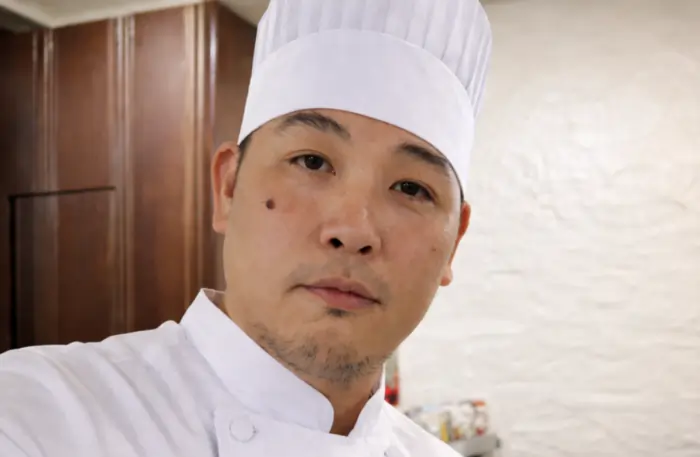
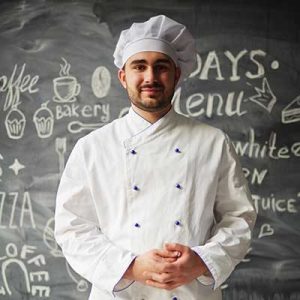
Chef Juan Gadi brings the heart of Filipino hospitality to Ubud, Bali. As an Executive Chef and consultant, he specializes in creating intimate, curated dining experiences that tell a story through every dish. Whether leading the kitchen at Kilig Filipino Warung or hosting a private villa dinner, Chef Juan’s approach is defined by warmth, modern technique, and a commitment to culinary excellence.