Meaningful Celebrations Through Food and Connection Key Takeaways
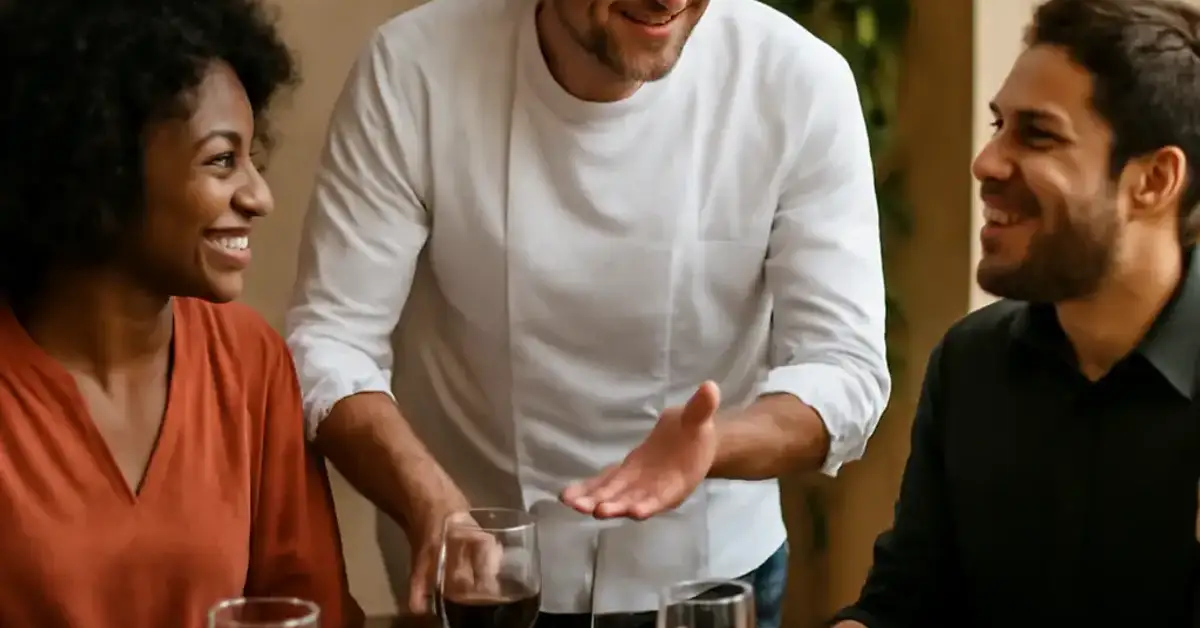
Every great celebration hinges on something deeper than décor or schedule—it lives in the way people feel when they gather around a table.
- Creating meaningful celebrations through food and connection starts with intentional menu design that tells a story and honors guests.
- Shared meals strengthen bonds by engaging all five senses, making events more memorable and emotionally resonant.
- Personalized hospitality and cultural food traditions turn a simple dinner into a powerful tool for relationship building and community celebration.
Why Creating Meaningful Celebrations Through Food and Connection Matters
I still remember the first time I watched a guest tear up over a bowl of sinigang. It was a private villa dinner in Ubud, Bali—one of those intimate evenings where every dish carries a story. The guest was a Filipino expat who hadn’t tasted her grandmother’s recipe in over a decade. That moment reminded me why I became a chef: creating meaningful celebrations through food and connection is not just about plating technique or ingredient sourcing. It is about building bridges between people, cultures, and memories.
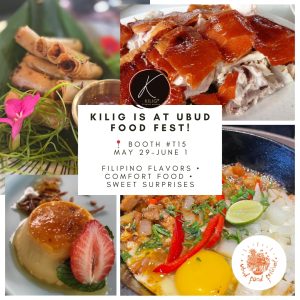
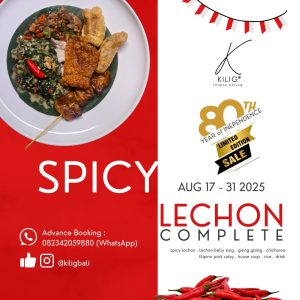
As an Executive Chef and consultant, my work at Kilig Filipino Warung and across private events in Bali has taught me that the emotional impact of shared meals in events is profound. When we design a dining experience with intention, we invite guests to slow down, connect, and feel truly seen. That is the essence of meaningful event planning, and it is accessible to anyone willing to put heart into the details.
The Emotional Impact of Shared Meals in Events
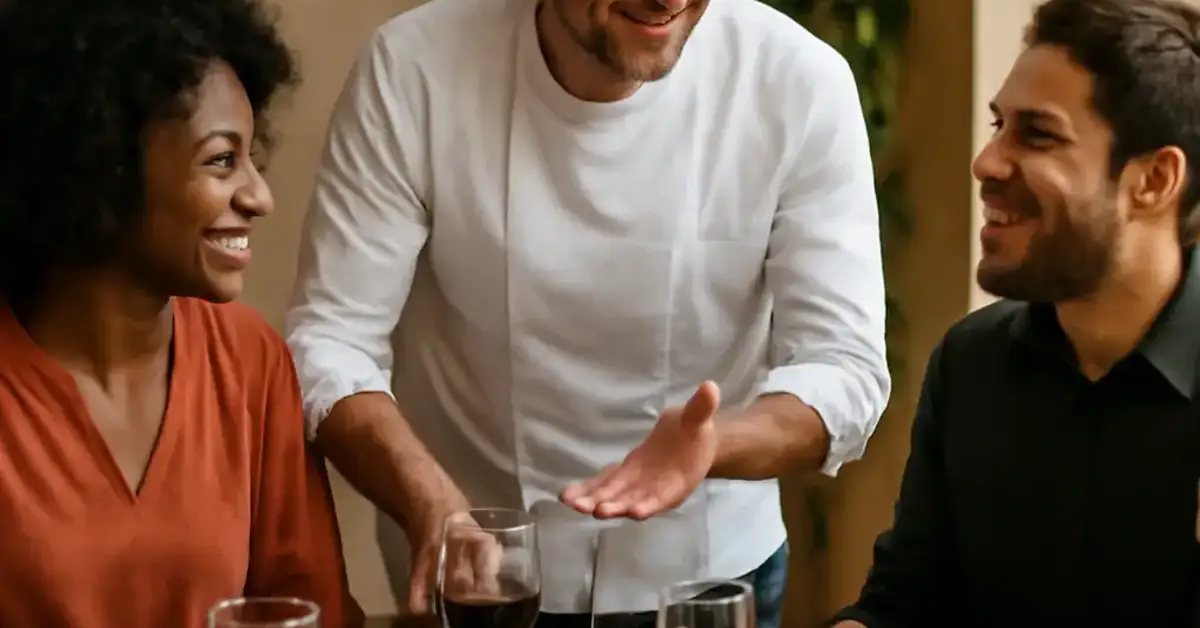
Science confirms what many of us already know instinctively: eating together releases oxytocin, the bonding hormone, and lowers cortisol levels. This bonding through shared meals is why family dinners, wedding receptions, and corporate retreats feel different when food is central. The act of breaking bread is primal—it signals safety, trust, and belonging.
In my work, I have seen how hospitality and human connection through food can shift the entire mood of an event. When a bride and groom pause during their first dance to share a bite of lechon prepared by their favorite turo-turo chef back home, the room fills with joy. That emotional dining experience becomes the anchor of the celebration, something guests talk about for years. For a related guide, see Why Guests Remember Exceptional Dining Experiences.
How Shared Meals Fuel Guest Experience Enhancement in Events
Events that prioritize guest experience enhancement in events through food achieve higher engagement and satisfaction scores. Whether it is a multi-course tasting menu or a family-style buffet, the structure of the meal influences how freely people interact. Family-style service, for example, encourages passing dishes and conversation, while plated dinners create a more formal, intimate rhythm. Both can work beautifully when aligned with the event’s goal.
Food as a connection tool in gatherings becomes especially powerful when chefs and planners collaborate early. Instead of treating catering as a logistical checkbox, view it as the emotional centerpiece of the event. That shift in mindset is what separates a forgettable gathering from a truly meaningful celebration.
Celebration Dining Experience Design: Where Hospitality Meets Intention
Celebration dining experience design is not about rigid rules—it is about weaving together atmosphere, service, and cuisine into a cohesive narrative. Every element, from the napkin fold to the first bite of amuse-bouche, should whisper to the guest, “You belong here.”
At Kilig, we often start by asking clients one question: “What do you want your guests to feel when they walk through the door?” The answer guides everything else: ingredient choices, plate colors, music volume, even the pace of service. This personalized approach is crucial for personalized menus for meaningful events that resonate on a deep level.
Storytelling Through Cuisine: Every Dish Has a Past
Storytelling through cuisine is one of the most effective ways to create emotional hooks during a meal. I often share the origins of a dish—how my grandmother would pound garlic and ginger by hand for chicken adobo, or why we source a particular heirloom rice from a cooperative in Luzon. Those stories make guests feel connected to something larger than the plate in front of them.
For event planners, this might mean adding a small card to each plate explaining the inspiration behind the course, or having a server share a brief anecdote during service. These micro-moments of authentic connection are what turn a dinner into a culinary experience people never forget.
Hospitality Service Personalization: Making Every Guest Feel Seen
Hospitality service personalization does not require a massive budget. It does require observation and care. In small events, I encourage staff to learn guests’ names and note any dietary preferences before they arrive. For larger gatherings, simple touches like a welcome note from the chef or a custom cocktail named after the guest of honor can work wonders.
The goal is to make every person feel that the meal was designed with them in mind. That is the heart of social connection through hospitality, and it is what keeps people coming back to your events year after year.
Cultural Traditions in Celebration Food: Honoring Roots, Building Bridges
Cultural traditions in celebration food are a treasure trove of inspiration for meaningful event design. Filipino cuisine, with its vibrant flavors and communal spirit, is my personal foundation. But the principle applies universally—whether you are planning a Lunar New Year banquet, a Diwali feast, or a Southern-style Sunday supper.
When we honor cultural traditions, we invite guests into a deeper understanding of the honoree’s heritage. This creates a profound sense of belonging and respect. For multicultural events, consider offering a fusion menu that blends traditions—say, a lumpia spring roll filled with ingredients from the couple’s two backgrounds. This approach to celebration dining is both respectful and creative.
Family Gatherings Food and Community Celebrations
Some of the most memorable events I have catered are family gatherings food celebrations—birthdays, anniversaries, reunion dinners—where the menu is built around beloved recipes passed down through generations. These events require a gentle hand. I never try to “elevate” grandma’s recipe into something unrecognizable. Instead, I source the best possible ingredients and present it with care, letting the original shine.
Community celebrations benefit from the same principle. A block party or neighborhood potluck becomes magical when the food reflects the diversity of the people present. Event planners can encourage attendees to bring a dish from their culture, then provide a shared table where stories can be exchanged. It is one of the simplest yet most powerful celebration food ideas. For a related guide, see How Filipino Food Reflects Family and Celebration.
The Role of Ambiance and Sensory Dining
Sensory dining engages more than just taste. It activates smell, touch, sight, and even sound. I design my private dinners to begin with an olfactory cue—perhaps the aroma of lemongrass and calamansi drifting from the kitchen as guests arrive. Then the visual: warm lighting, textured linens, fresh flowers that echo the flavors of the meal. Even the sound of ceramic plates being set down is considered.
Food presentation and ambiance design work together to create an emotional landscape. A dark, candlelit room with a single dramatic centerpiece encourages intimacy and focused conversation. A bright, open-air terrace with long communal tables invites laughter and movement. Choose your ambiance deliberately to support the type of connection you want to foster.
Event Atmosphere and Celebration Atmosphere Design
In event atmosphere creation, the temperature and airflow matter as much as the table setting. I have lost count of how many professionally catered events have left guests uncomfortable because the space was too cold or the music too loud. Simple adjustments—like placing fans near buffet stations in tropical Bali, or lowering the BGM volume during speeches—can dramatically improve guest comfort and engagement.
When designing a celebration atmosphere design, think about the emotional arc you want guests to experience. A gradual crescendo of energy through cocktails, dinner, and dessert feels natural. A dead space of 30 minutes between the cocktail hour and the first course can deflate the entire room. Sync your food service timing with the emotional rhythm of the event.
Wedding Catering, Corporate Events Catering, and Experiential Dining
Wedding catering and corporate events catering share a common goal: making people feel valued and connected. Yet they require different approaches. For weddings, the menu often reflects the couple’s personal story—favorite dishes from their courtship, cultural recipes from their families, or a shared love for a particular cuisine. For corporate events, the focus shifts to brand narrative and fostering collaboration among colleagues or clients.
I once designed a corporate team-building dinner around the concept of “shared sacrifice”—a menu inspired by the humble foods that workers across Southeast Asia eat during long shifts. The experiential dining events format encouraged teams to cook together over communal grills, breaking down hierarchy and sparking real conversation. That meal did more for team cohesion than any PowerPoint presentation could.
Food and Beverage Pairing as a Connection Tool
Strategic food and beverage pairing can elevate a celebration from good to extraordinary. Beyond wine, consider pairing local craft beers with spicy appetizers, or offering a signature non-alcoholic mocktail that matches the dessert course. In Bali, I often pair grilled fish with a crisp rosé or a tamarind-based soda that cuts through the richness. These pairings show guests that every detail has been considered, deepening their trust and engagement.
Practical Strategies for Meaningful Event Planning Strategies
Here are seven actionable meaningful event planning strategies I use in my own practice. Whether you are a professional event planner or a family member hosting a milestone celebration, these principles apply.
- Start with intention. Before choosing a menu, define the emotional outcome you want. Is this a celebration of gratitude, reunion, or legacy? Let the answer guide your ingredient and format choices.
- Map the guest journey. Walk through the event from arrival to departure. Identify every touchpoint where food can enhance connection—welcome drinks, interactive stations, shared desserts.
- Personalize without overwhelm. One or two customized dishes—like a cocktail named after the honoree or a dessert inspired by their childhood—can create profound emotional impact without stressing the kitchen.
- Build in shared rituals. A toast, a communal bread-breaking, or a group cooking activity strengthens bonding through shared meals.
- Train your team on storytelling. Every server should be able to explain the inspiration behind at least one dish. That turns service into conversation.
- Invest in sensory details. Scent, sound, and texture all influence how food is perceived. A bit of jasmine in the air, a playlist that matches the cuisine’s origin, and rough-hewn wooden boards for serving all reinforce the theme.
- Measure emotional outcomes. After the event, ask guests what they remember most. Their answers will guide your next design. Food memory creation is the ultimate metric of success.
Culinary Memory Creation and Food Relationship Building
Culinary memory creation happens when food engages multiple senses and carries emotional weight. I have had guests ask me for recipes years after a single meal. That is the power of intentional design. When you connect a dish to a story, a person, or a place, it becomes indelible.
Food and relationship building is not a metaphor—it is a biological reality. Shared meals trigger mirror neurons, making us more empathetic and receptive. That is why business deals are frequently closed over lunch, and why first dates almost always involve dinner. As hospitality professionals, we have the privilege of designing environments where relationships can flourish naturally.
Useful Resources
For further reading on the psychology of shared dining and event design, explore these trusted sources:
- The Social Facilitation of Eating: Why We Eat More with Others (PubMed) – A peer-reviewed study on how social context influences food consumption and emotional bonding.
- How to Host a Meaningful Dinner Party (The New York Times) – Practical tips from chefs and psychologists on designing gatherings that foster genuine connection.
Frequently Asked Questions About Creating Meaningful Celebrations Through Food and Connection
How does food create meaningful connections in celebrations?
Food creates meaningful connections by activating the senses and triggering memories, while the act of sharing a meal lowers social barriers and releases oxytocin. When a menu is designed with intention—incorporating personal stories, cultural traditions, or favorite flavors—guests feel seen and valued, deepening their emotional bond to the event and each other.
Why are shared meals important in events?
Shared meals are important in events because they encourage communal interaction, reduce stress, and create a natural rhythm for the gathering. When people eat together, they are more likely to engage in meaningful conversation, strengthen relationships, and leave with a positive emotional memory of the experience.
How can catering improve emotional guest experience?
Catering improves emotional guest experience by moving beyond simple food delivery to curated storytelling, personalized touches, and sensory immersion. Thoughtful details like a chef’s welcome note, a dish named after the honoree, or a menu that reflects the event’s theme all signal care and elevate the emotional temperature of the celebration.
What makes a celebration feel meaningful?
A celebration feels meaningful when it aligns with the values, history, and emotional needs of the people involved. Intentional elements such as personalized menus, cultural food traditions, shared rituals, and an atmosphere of genuine hospitality transform a routine gathering into an event that resonates deeply and is remembered fondly.
How does food bring people together?
Food brings people together by providing a shared focus that eases social anxiety and encourages cooperation. The act of cooking, serving, and eating together creates a communal experience that transcends language and background, making it one of the most powerful tools for building connection and trust in any setting.
How can event planners design more meaningful dining experiences?
Event planners can design more meaningful dining experiences by starting with the guest journey, identifying emotional touchpoints, and collaborating closely with culinary teams. Incorporating storytelling through cuisine, offering family-style or interactive service, and personalizing small details all contribute to an experience that feels intentional and heartfelt.
What role does hospitality play in emotional connection?
Hospitality plays a central role in emotional connection because it communicates care, respect, and attentiveness. When service is warm, personalized, and unobtrusive, guests relax and open themselves to deeper interaction with both the food and the people around them, making the entire event more emotionally satisfying.
How does culture influence celebration food choices?
Culture influences celebration food choices by dictating symbolic ingredients, traditional cooking methods, and the structure of the meal itself. For example, Filipino celebrations often feature lechon and pancit to symbolize abundance and long life, while Indian weddings include sweets like ladoo to signify sweetness in the marriage. Honoring these traditions adds layers of meaning and authenticity to the event.
Why do people remember food-based experiences more?
People remember food-based experiences more because food engages multiple senses simultaneously—taste, smell, sight, and touch—creating a rich, multi-layered memory encoding. The emotional context of the event further strengthens recall, making meals one of the most vivid anchors for personal and collective memories.
How can personalized menus improve events?
Personalized menus improve events by showing guests that their preferences and stories matter. A menu that incorporates a family recipe, a favorite ingredient, or a dietary accommodation signals thoughtfulness and builds trust, which in turn enhances guest satisfaction and emotional engagement throughout the celebration.
What makes a celebration unforgettable through food?
A celebration becomes unforgettable through food when the meal is intertwined with emotion, surprise, and sensory delight. A dish that tells a story, a flavor that recalls a cherished memory, or a moment of shared laughter over a communal platter all create the kind of indelible experiences people carry with them for a lifetime.
What is the first step in creating a meaningful celebration menu?
The first step is to define the emotional intention behind the event. Ask: “What do we want guests to feel?” That answer will inform every subsequent decision—from ingredient sourcing to plating style—and ensures the menu supports the deeper purpose of the gathering.
How can I incorporate food storytelling without overwhelming my kitchen?
Start small. Choose one signature dish per course and prepare a brief, authentic story about its origin or significance. Train one or two servers to share that story during service. Over time, expand the narrative elements as your team becomes comfortable, always prioritizing quality over quantity.
Can a family-style meal work in formal events?
Yes, family-style meals can work beautifully in formal events when presented with elegance. Use high-quality serving dishes, arrange portions with care, and keep the table setting refined. The act of passing platters encourages natural interaction and can make even a black-tie wedding feel warm and connected.
What are low-cost ways to personalize a menu?
Low-cost personalization includes handwritten menu cards, a custom cocktail or mocktail named after the honoree, a favorite song playing as a special dish is served, or a small favor tied to a story behind one of the courses. These touches cost little but deliver outsized emotional impact.
How do you handle dietary restrictions without losing the theme?
Handle restrictions by viewing them as creative constraints rather than limitations. For example, a gluten-free version of a traditional pasta dish can use local rice noodles, honoring the original flavor profile while accommodating the guest. Communicate with your chef early and serve the adapted dish with the same care as the main menu.
What is the best way to test a menu before a big event?
Conduct a tasting session with key stakeholders at least two weeks before the event. Evaluate not only taste but also visual appeal, temperature retention, and how the dishes interact with the service timeline. Use that feedback to refine recipes and presentation, ensuring everything runs smoothly on the day.
How does ambiance affect the taste of food?
Ambiance directly affects taste perception through cross-modal sensory interaction. Research shows that dim lighting can enhance the richness of flavors, while the right background music can make food seem sweeter or more savory. A carefully designed atmosphere amplifies the culinary experience, making every bite more satisfying.
How can I train my staff to improve guest engagement through food?
Start with regular tasting sessions where staff learn the stories behind each dish. Encourage them to share those stories naturally during service. Role-play scenarios where they practice reading guest cues—like when someone seems curious about a plate—and reward them for building genuine connections at the table.
What metrics should I use to measure the success of a meaningful celebration?
Success metrics include guest testimonials that mention specific dishes or moments, repeat bookings for future events, social media shares of food moments, and direct feedback about the emotional atmosphere. For corporate events, survey participants on trust and collaboration levels before and after the meal. The most meaningful metric, however, is the stories guests take home.
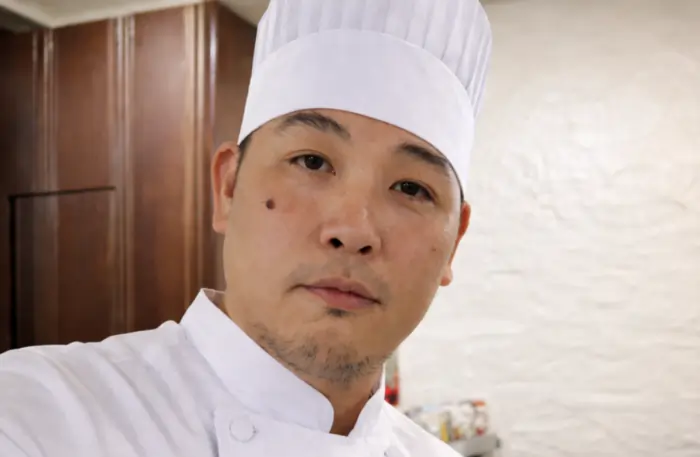
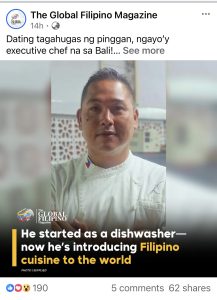
Chef Juan Gadi brings the heart of Filipino hospitality to Ubud, Bali. As an Executive Chef and consultant, he specializes in creating intimate, curated dining experiences that tell a story through every dish. Whether leading the kitchen at Kilig Filipino Warung or hosting a private villa dinner, Chef Juan’s approach is defined by warmth, modern technique, and a commitment to culinary excellence.