
Why Guest Comfort Matters More Than Event Size Key Takeaways
Why Guest Comfort Matters More Than Event Size is not just a trendy phrase; it is a strategic reality.
- Why Guest Comfort Matters More Than Event Size because a smaller, well-designed event with personalized attention creates deeper emotional connections and higher satisfaction.
- Prioritizing comfort factors like seating comfort , noise control events , and food service timing directly increases guest satisfaction and positive word-of-mouth.
- Event success is best measured by attendee happiness and meaningful interactions, not by headcount alone.

Why Guest Comfort Matters More Than Event Size in Today’s Hospitality Landscape
The hospitality industry is undergoing a profound shift. For decades, event success was measured by scale—the size of the venue, the number of guests, the grandness of the spread. But real change is happening. Today’s guests, from millennials to Gen Z hosts and corporate event managers, are prioritizing experience over spectacle. They remember how a gathering made them feel, not how many people attended.
Why Guest Comfort Matters More Than Event Size is not just a trendy phrase; it is a strategic reality. When guests feel physically at ease—whether through seating comfort, temperature comfort events, or thoughtful noise control events—they relax, engage, and enjoy. This emotional shift opens the door to authentic connection and lasting memories. As Chef Juan Gadi often says, “A full heart is better than a full room.”
The Emotional Comfort Guests Crave
Emotional comfort guests experience is the invisible thread woven through every successful event. It is the sense of being welcomed, understood, and valued. In small events, this is easier to cultivate. But even large gatherings can feel intimate when guest experience design prioritizes human connection over logistics. For a related guide, see 11 Dining Details That Elevate Every Guest Experience: Essential Hospitality Tips.
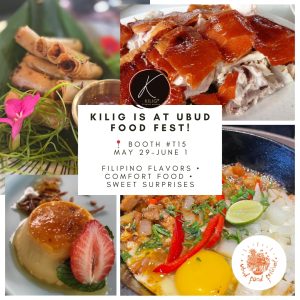
Chef Juan’s approach at Kilig Filipino Warung in Ubud, Bali, is a testament to this philosophy. His curated dining experiences—whether for a private villa dinner or a wedding reception—focus on storytelling through food and genuine interaction. Guests leave not simply full, but moved. For a related guide, see 11 Dining Elements That Elevate Guest Experiences.
Understanding the Core Differences: Small vs Large Events Experience Quality
The debate of small vs large events experience quality is central to modern event planning. Large events often struggle with personalized service due to scale. Guests become faces in a crowd. Small vs large events comparisons consistently show that smaller gatherings allow for better service quality hospitality, more meaningful conversations, and fewer logistical compromises.
Consider a wedding with 300 guests versus an intimate ceremony of 40. At the smaller event, the chef can greet each table, adjust a dish for dietary needs, and ensure every glass is filled at the right moment. That is hospitality service quality over quantity in action.
Key Comfort Factors That Elevate Any Event
Seating and Ambiance Comfort Design
Seating and ambiance comfort design is non-negotiable. Uncomfortable chairs, poor lighting, or loud acoustics can ruin an otherwise perfect evening. Ergonomics matters. Soft, supportive seating encourages guests to linger and converse. Warm, layered lighting creates intimacy even in large spaces.
Ambiance design should align with the event’s purpose. A corporate networking dinner might benefit from soft jazz and dimmed lights; a wedding celebration might call for candlelit tables and floral centerpieces that invite touch and scent. Every element—from table height to chair width—affects guest comfort.
Temperature and Space Considerations in Events
Temperature and space considerations in events are often overlooked but critical. A room that is too cold makes guests shiver; one that is too hot makes them drowsy. Chef Juan recommends testing the venue at the actual time of day the event will occur. Space planning should allow for easy movement without crowding. Overfilling a room creates anxiety; underfilling can feel empty and awkward. Balance is key.
Noise Level and Environment Control
Noise level and environment control dramatically impact comfort in events. Background music should complement, not compete, with conversation. In a dining setting, Chef Juan advises keeping volumes low enough for guests to hear each other without straining. For larger events, create designated quiet zones where guests can retreat for conversation.
Accessibility in Event Planning
Accessibility events are not optional—they are fundamental. Ramps, wide pathways, clear signage, and accessible restrooms ensure that every guest feels considered. Accessibility in event planning extends to dietary needs, seating arrangements for mobility aids, and even sensory sensitivities. When guests see that their comfort was anticipated, trust and appreciation deepen.
How Personalization and Service Quality Transform the Experience
Personalized Service Importance
Personalized service importance cannot be overstated. When a server remembers a guest’s preferred wine or notes a food allergy before being reminded, it signals genuine care. Chef Juan incorporates personalized touches in every event: handwritten menu notes for regular clients, a surprise dish inspired by a guest’s childhood memory, or adjusting spice levels for individual palates.
Personalized service is the bridge between a generic event and an unforgettable one. It requires smaller teams and lower guest-to-staff ratios, which is why smaller events naturally excel here.
Service Quality Hospitality as a Differentiator
Service quality hospitality is measured by anticipation, not just reaction. The best hospitality teams are trained to read body language and adjust proactively. For example, if a guest looks cold, a server brings a shawl before being asked. If a conversation is deep, service pauses rather than interrupts. This level of attentiveness creates stress-free guest experience planning and elevates event atmosphere optimization.
Food Service Timing and Guest Comfort
Food service timing and guest comfort go hand in hand. Rushed courses create indigestion; long gaps create boredom. Chef Juan’s philosophy is rhythm: the meal should ebb and flow like a good conversation. Appetizers arrive as guests settle in; mains emerge when conversation peaks; dessert appears as a natural conclusion. This pacing respects the emotional comfort guests and allows the evening to unfold organically.
For larger events, staggered service or family-style platters can maintain a comfortable pace without overwhelming kitchen staff or guests.
Wedding and Corporate Event Comfort Strategies
Wedding Guest Comfort
Wedding guest comfort requires special attention. Guests often travel, dress formally, and spend hours on their feet. Provide comfortable seating options, hydration stations, and a mix of indoor and outdoor spaces. Chef Juan recommends a welcome drink and a small hand-held appetizer as guests arrive to ease hunger while mingling. A thoughtful gift—like a local Balinese honey jar—adds lasting hospitality branding through comfort.
Corporate Event Experience
Corporate event experience is often underestimated. Business events can feel sterile if comfort is ignored. Instead, create lounge areas with soft seating, offer multiple food stations to reduce lines, and schedule breaks for networking that don’t feel rushed. Corporate event experience improves dramatically when guest experience design prioritizes relaxation and conversation over formal structure.
Measuring Event Success Beyond Attendance
Event success factors must extend beyond headcount. Guest satisfaction metrics such as post-event surveys, social media sentiment, and repeat attendance tell a fuller story. Chef Juan consistently reviews guest feedback after each event, using it to refine everything from menu composition to seating flow.
Event success metrics beyond attendance include the number of meaningful conversations, the duration guests stay, and the warmth of goodbyes. These soft metrics often correlate more strongly with customer satisfaction than any spreadsheet.
Experiential Event Design and Hospitality Branding Through Comfort
Experiential event design is about creating moments that engage all five senses. Chef Juan’s Filipino-influenced dinners are a perfect example: the aroma of adobo, the texture of leche flan, the sound of live acoustic music, the sight of handwoven table runners, and the taste of carefully paired wines. All of these elements are orchestrated for guest comfort.
Hospitality branding through comfort is lasting. When guests leave an event feeling truly cared for, they become brand ambassadors. They share their experience on social media, recommend the venue or caterer, and return for future events. Comfort becomes the cornerstone of reputation.
Practical Steps for Comfort-Driven Event Planning
- Start with a guest-centered event design mindset: Walk through the event from a guest’s perspective. What do they see, hear, smell, and touch?
- Prioritize seating comfort and ambiance design: Test chairs, lighting, and acoustics before the event.
- Control noise control events and temperature comfort events: Use rugs, curtains, or plants to absorb sound. Monitor room temperature throughout.
- Ensure accessibility events compliance: Check pathways, restrooms, and seating for all abilities.
- Train staff in service quality hospitality and personalized service: Empower them to anticipate needs.
- Time food service thoughtfully: Align courses with the natural flow of conversation and guest energy levels.
- Collect and act on guest feedback: Use insights to improve future events.
- Invest in hospitality experience over event size: A smaller, beautifully executed event will always outperform a larger, impersonal one.
Useful Resources
For deeper insights into guest experience design and event atmosphere optimization, explore these credible resources:
- Caterer Middle East – Hospitality and Guest Comfort Trends
- Event Manager Blog – Event Planning Best Practices
Frequently Asked Questions About Why Guest Comfort Matters More Than Event Size
Why is guest comfort more important than event size ?
Guest comfort directly affects emotional satisfaction, memory formation, and likelihood of return or recommendation. A small, comfortable event creates deeper connections than a large, impersonal one. Why Guest Comfort Matters More Than Event Size is rooted in human psychology: we remember how we felt, not how many people attended.
How does guest comfort affect event success?
Comfort influences mood, engagement, and overall satisfaction. Comfortable guests stay longer, interact more positively, and are more likely to share their experience. Event success factors like repeat attendance and word-of-mouth are directly tied to comfort.
What makes guests feel comfortable at events?
Key factors include seating comfort, appropriate temperature, manageable noise levels, easy accessibility, personalized service, and well-timed food service. Guests also appreciate clear signage, friendly staff, and spaces for quiet conversation.
How can event planners improve guest experience?
Planners can improve by conducting a walkthrough from the guest’s perspective, investing in comfortable furniture, training staff in service quality hospitality, gathering guest feedback, and prioritizing guest experience design over logistics.
Why do small events often feel better than large ones?
Smaller events allow for personalized service, better noise control events, more meaningful interactions, and less crowding. Small vs large events comparisons consistently show higher satisfaction rates at intimate gatherings.
How does ambiance impact guest comfort ?
Ambiance design sets the emotional tone. Lighting, color, scent, and decor all influence mood and relaxation. A warm, cohesive ambiance helps guests feel welcomed and at ease.
What factors influence comfort in hospitality events?
Primary factors include temperature comfort events, seating comfort, noise levels, service pace, food quality, cleanliness, and accessibility. Secondary factors like staff friendliness and visual appeal also play a role.
How can seating arrangements improve guest satisfaction?
Comfortable, appropriately spaced seating allows guests to relax and converse easily. Round tables encourage inclusive conversation, while lounge areas provide variety. Seating comfort directly correlates with how long guests stay and how positively they rate the event.
Why is personalization important for guest comfort ?
Personalization shows guests they are valued as individuals. Remembering dietary preferences, greeting by name, or customizing a menu detail creates emotional comfort guests and deepens loyalty.
How does service quality affect event experience?
High service quality hospitality creates a seamless, stress-free experience. Attentive, anticipatory service makes guests feel cared for, which elevates their overall perception of the event.
What are the most important comfort factors in events?
The most important include seating comfort, temperature control, noise management, food pacing, accessibility, and personalized attention. These elements together define the comfort in events equation.
How does food service timing affect guest comfort ?
Rushed or delayed service creates anxiety and discomfort. Proper food service timing and guest comfort alignment allows guests to relax, digest, and enjoy conversation between courses.
What role does lighting play in event comfort?
Lighting affects mood and visibility. Soft, layered lighting creates intimacy and flatters guests, while harsh overhead lights can cause discomfort. Dimmable options and candlelight are recommended for event atmosphere optimization.
How can noise control improve event experience?
Controlled noise levels prevent fatigue and allow conversation. Using soft furnishings, sound panels, and careful speaker placement are part of noise level and environment control that boosts comfort.
What is guest-centered event design ?
Guest-centered event design prioritizes attendee needs over aesthetic or logistical convenience. Every decision—from menu to layout—is made with guest comfort and satisfaction as the primary goal.
How can accessibility be improved at events?
Provide ramps, wide aisles, accessible restrooms, clear signage, and seating options for those with mobility aids. Accessibility in event planning should be considered from the venue selection stage.
What are experiential events ?
Experiential events engage all five senses and create immersive, memorable moments. They go beyond passive attendance to active participation, often through food, music, decor, and interactive elements designed for guest comfort.
How do I measure guest satisfaction at events?
Use post-event surveys, social media monitoring, direct conversations, and observation of guest behavior. Guest satisfaction metrics like NPS, duration of stay, and repeat attendance offer quantifiable insights.
What is hospitality branding through comfort ?
When a brand is consistently associated with thoughtful, comfortable experiences, it builds trust and preference. Hospitality branding through comfort turns first-time guests into loyal advocates.
Why should I invest in comfort over scale?
Comfort creates emotional connection, which drives word-of-mouth, repeat business, and premium pricing. Why Guest Comfort Matters More Than Event Size is a strategic advantage that leads to sustainable success.
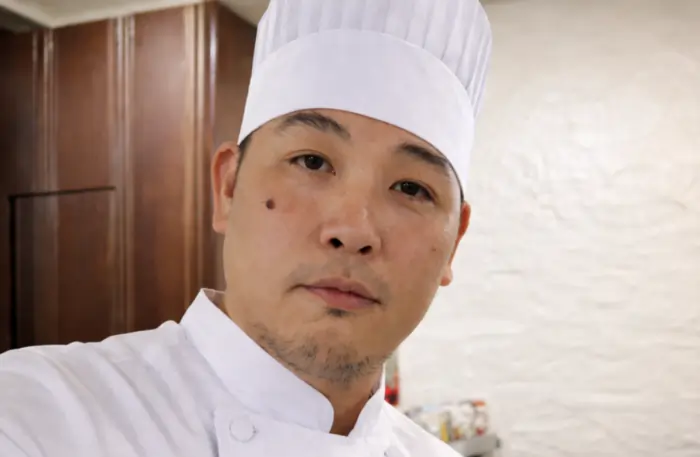
Chef Juan Gadi brings the heart of Filipino hospitality to Ubud, Bali. As an Executive Chef and consultant, he specializes in creating intimate, curated dining experiences that tell a story through every dish. Whether leading the kitchen at Kilig Filipino Warung or hosting a private villa dinner, Chef Juan’s approach is defined by warmth, modern technique, and a commitment to culinary excellence.