Why Food Is Often the Highlight of Any Celebration Key Takeaways
From a wedding reception in Seminyak to a milestone birthday in Ubud, the shared meal often becomes the most talked-about moment of any event.
- Food triggers powerful sensory and emotional responses that guests remember for years.
- Intimate curated dining experiences , like those Chef Juan creates at Kilig Filipino Warung or private villa dinners, turn a meal into a narrative.
- Event planners can apply simple principles — like incorporating personal stories through flavor and using warm service — to make any event unforgettable.
What Makes Why Food Is Often the Highlight of Any Celebration a Universal Truth
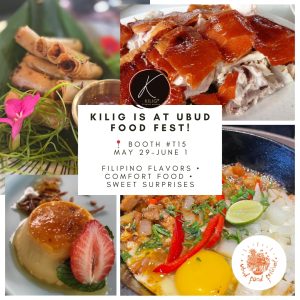
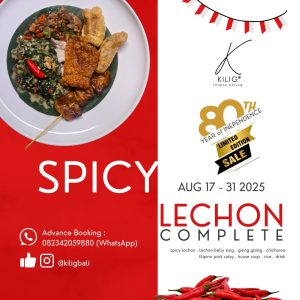
Picture a birthday dinner in Ubud. The table is set under twinkling fairy lights, the air smells of lemongrass and calamansi, and as each dish arrives — crispy lechon kawali, a fragrant chicken adobo, and a delicate ube cheesecake — guests stop their conversations to watch, then to taste, then to smile. That’s the moment Chef Juan Gadi lives for. “When people close their eyes after the first bite,” he says, “I know we’ve created something they’ll carry home.” For a related guide, see Creating Meaningful Celebrations Through Food and Connection.
Food holds a primal place in human connection. Anthropologists have long noted that every major life event — birth, marriage, death, harvest — is marked by eating together. Why food is often the highlight of any celebration isn’t just about flavor; it’s about ritual, memory, and the warmth of being cared for. For event planners, understanding this psychology is the first step to designing experiences that resonate.
The Sensory Edge: Why Taste and Smell Create Lasting Memories
Neuroscience backs up what chefs have always known. The olfactory bulb is directly connected to the brain’s amygdala and hippocampus, which process emotion and memory. A single bite of a well-made dish can transport someone back to their grandmother’s kitchen in Manila or a beachside feast in Cebu. Chef Juan uses this in his intimate curated dining experiences by including a dish that pays homage to his own childhood — such as a sinigang broth served tableside. “That sour, savory aroma,” he explains, “it unlocks stories. Suddenly, guests are sharing their own.” For event professionals, incorporating a signature dish that carries personal or cultural meaning can elevate the entire event.
How Food as Celebration Highlight Transforms Events: A Chef’s Perspective
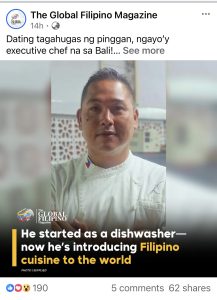
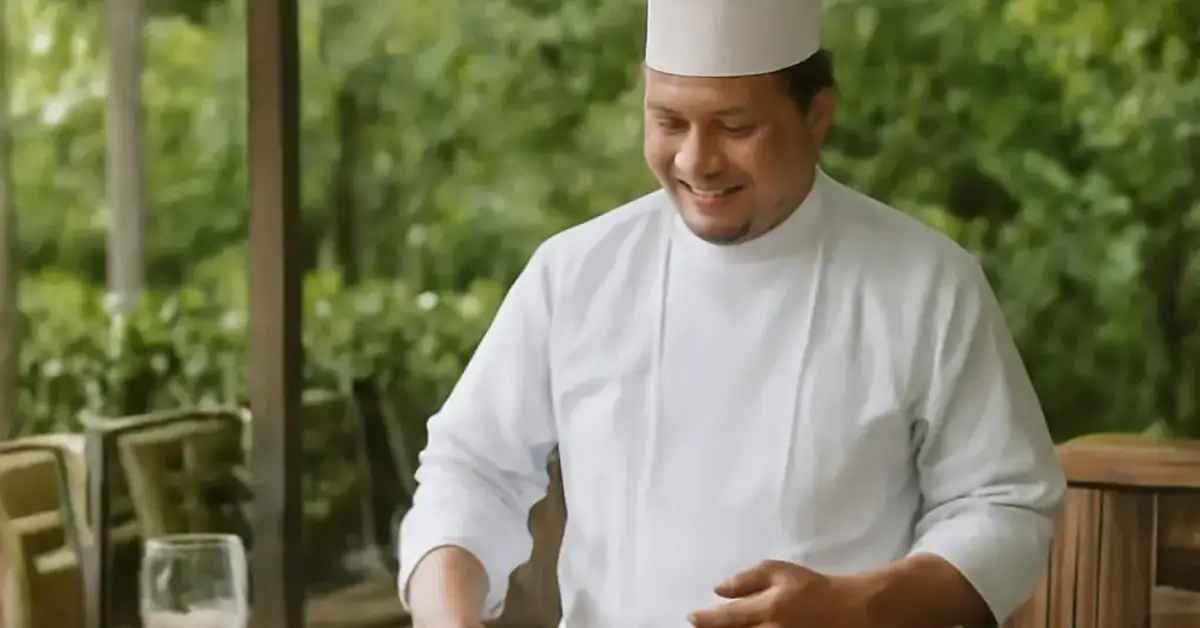
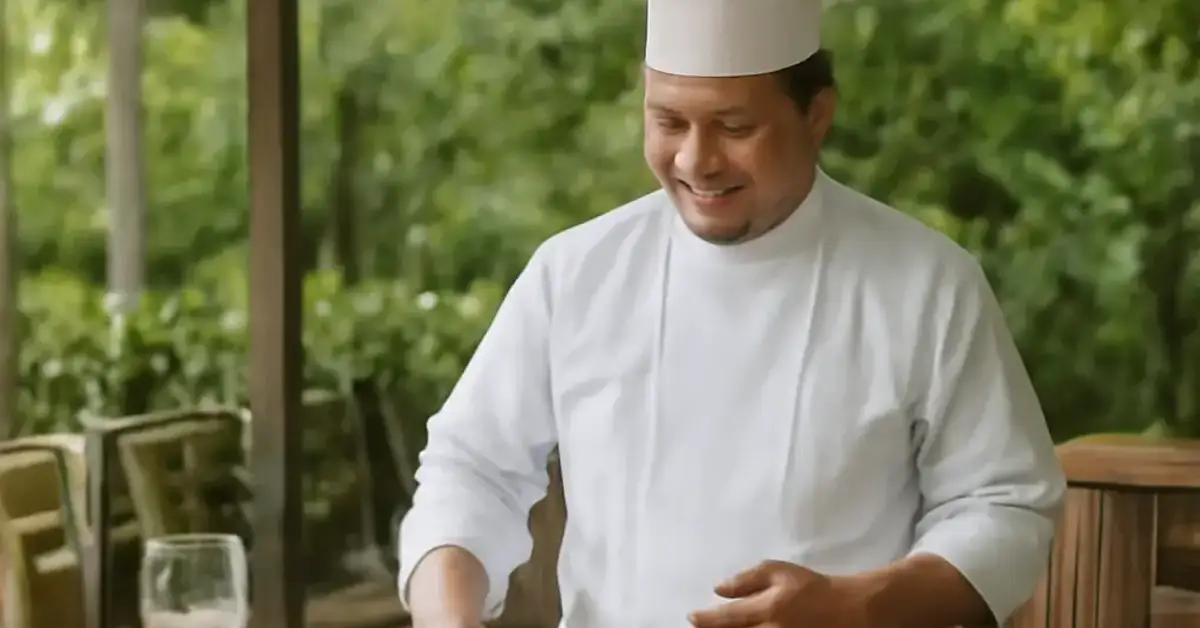
Chef Juan Gadi brings the heart of Filipino hospitality Ubud Bali to every event he touches. Whether he’s leading the kitchen at Kilig Filipino Warung or hosting a private villa dinner, his approach is defined by warmth, modern technique, and a commitment to culinary excellence. He believes that the food should never be an afterthought — it should be the centerpiece that ties every element together.
Chef Juan’s Golden Rules for Event Food That Shines
1. Start with a story. Every menu should answer the question: “What do I want guests to feel?” For a wedding, that might be love and family. For a corporate retreat, it could be innovation and collaboration. Chef Juan designs each course to mirror that emotion.
2. Use local, honest ingredients. Bali’s markets are full of treasures — snake fruit, turmeric, sea grapes. Sourcing locally not only supports farmers but also gives guests a sense of place. “When people taste something they can only get here,” says Chef Juan, “the experience becomes exclusive.”
3. Embrace interactive moments. A live cooking station, a communal dish, or a chef’s story before each course turns passive eating into active participation. That engagement is part of why food is often the highlight of any celebration — it invites guests to be part of the show.
The Role of Service in Intimate Dining
At a private villa dinner in Ubud, Chef Juan’s team doesn’t just serve food; they host. They remember guest names, note allergies without being asked, and anticipate when someone needs more water. This level of care turns a meal into a hospitality experience. Executive chef event catering at its best means the service is as memorable as the food itself.
Practical Advice for Event Planners: Making Food the Star
Event planners, wedding planners, corporate event managers, and even families hosting celebrations can borrow these principles to make their gatherings more memorable. Here are actionable steps:
- Interview your chef or caterer about their background. Ask what dishes they’re most proud of and why. That story can become the event’s culinary signature.
- Plan a tasting session with key stakeholders. Let the bride and groom, the CEO, or the birthday person choose dishes that reflect their taste and history. This co-creation builds excitement.
- Think about flow. Canapes should be easy to eat while standing. Main courses should allow conversation to continue. Dessert should feel like a celebration in itself.
- Lighting and presentation matter. Chef Juan often uses banana leaves, woven plates, and fragrant herb garnishes to bring the table to life. Visual appeal primes guests for flavor.
- Don’t overlook dietary needs. Offer a beautiful plant-based or gluten-free option that doesn’t feel like an afterthought. Guests who feel seen become brand ambassadors.
As Chef Juan says, “When people ask ‘What was the best part of the event?’ and they answer ‘the food,’ you’ve done something right.” That is the ultimate validation of why food is often the highlight of any celebration.
How to Choose the Right Culinary Partner for Your Event
Not every chef can deliver the kind of intimate curated dining experiences that make an event legendary. Here’s a quick decision framework for hospitality professionals:
| Criterion | What to Look For | Red Flags |
|---|---|---|
| Philosophy | Aligns with your event’s purpose (warm, innovative, story-driven) | Cookbook-only approach, no personal touch |
| Provenance | Uses local ingredients, respects seasons | Heavy reliance on imported or frozen goods |
| Service Model | Staff trained in hospitality, not just food running | Waiters seem rushed or dismissive |
| Flexibility | Adapts to venue, dietary needs, and cultural traditions | Rigid set menus with no customization |
| Storytelling | Can articulate the meaning behind each course | No narrative, generic descriptions |
Why Why Food Is Often the Highlight of Any Celebration Matters for Your Brand
For restaurant owners, caterers, lifestyle bloggers, and food influencers, understanding this dynamic helps you market experiences, not just dishes. A wedding caterer who frames their menu as a “love story on a plate” will resonate more than one who simply lists entrées. A food blogger covering a celebration should focus on the sensory details — the crackle of lechon skin, the creaminess of coconut rice — to capture what made the meal unforgettable.
Chef Juan’s work at Kilig Filipino Warung and through private villa dinners in Ubud is a case study in this approach. He doesn’t just serve Filipino food; he serves a memory of Filipino hospitality Ubud Bali. For event planners looking to replicate that magic, the lesson is clear: invest in the food, and the event will thank you. For a related guide, see 10 Travel Moments That Feel More Meaningful Around Food (+ Chef Insights).
Useful Resources
For deeper insights into how food shapes celebration culture, check out this analysis from the National Geographic article on why we celebrate with food. To explore the principles of narrative-driven menus, the James Beard Foundation’s storytelling on a plate guide offers excellent inspiration.
Frequently Asked Questions About Why Food Is Often the Highlight of Any Celebration
Why is food so important at celebrations?
Food engages all the senses, triggers memory and emotion, and creates a shared experience that brings people together. It’s often the element guests remember most vividly.
How can I make the food the highlight of my event?
Work with a chef who designs menus around a story, use fresh local ingredients, and incorporate interactive elements like live stations or chef narration. Service quality also matters enormously.
What is Filipino hospitality?
Filipino hospitality is a warm, generous approach to hosting that prioritizes the comfort and enjoyment of guests. It often includes abundant food, personalized attention, and a genuine sense of welcome.
Who is Chef Juan Gadi?
Chef Juan Gadi is an Executive Chef and consultant based in Ubud, Bali, specializing in intimate curated dining experiences that showcase Filipino flavors and warm hospitality.
What is an intimate curated dining experience?
It’s a personalized, small-scale dining event where every detail — from the menu to the table setting to the service — is designed to tell a story and create a memorable emotional impact.
How does Chef Juan use food to tell a story?
He often includes dishes that reference his childhood in the Philippines, shares the cultural significance of ingredients, and designs courses that evoke specific moods or memories.
Can small events have memorable food?
Absolutely. Smaller gatherings often allow for more personal attention, higher-quality ingredients, and more interaction with the chef, making the food even more impactful.
What makes a wedding menu unforgettable?
Menus that reflect the couple’s personal history — like a dish from their first date or a family recipe — combined with beautiful presentation and attentive service create lasting memories.
Why do people talk about food after events?
Food is a universal connector. When it’s exceptional, it becomes a shared positive experience that people naturally recount to others, especially when it evokes strong sensory or emotional reactions.
What should I look for in a caterer?
Look for a caterer who listens to your vision, uses fresh ingredients, offers customization, and demonstrates a passion for creating experiences rather than just serving meals.
How can food enhance a corporate event?
Creative, high-quality food breaks down formal barriers, encourages networking, and signals to clients and employees that the company values quality and attention to detail.
What is Kilig Filipino Warung?
Kilig Filipino Warung is a restaurant in Ubud, Bali, where Chef Juan Gadi leads the kitchen, offering modern takes on classic Filipino dishes in a warm, welcoming setting.
How do I handle dietary restrictions without sacrificing quality?
Work with a chef who sees dietary needs as a creative challenge. Use naturally gluten-free or plant-based ingredients from local markets, and present them as thoughtfully as the main menu.
What is the best way to pair drinks with a celebration menu?
Consider the flavor profile and story of each course. Cocktails or mocktails featuring local fruits, or wine pairings that complement the cuisine, elevate the dining experience.
How can I create a food highlight on a budget?
Focus on one or two signature dishes that are simple but executed perfectly. Use fresh, affordable local ingredients and invest in good presentation and storytelling rather than expensive imports.
Does food always need to be fancy to be memorable?
No. Comfort food prepared with care and love can be just as memorable as haute cuisine. The key is authenticity and intention behind every dish.
How do chefs like Juan Gadi incorporate local ingredients?
They visit local markets, build relationships with farmers and fishermen, and let the seasonality of ingredients guide menu planning. That freshness translates directly into flavor.
What is the role of presentation in celebration food?
Presentation primes the palate and heightens anticipation. Beautifully plated dishes encourage guests to take photos and share, which extends the life of the celebration online.
How can food bloggers capture the highlight of a celebration?
Focus on descriptive language that engages the senses — the sound of sizzling, the scent of spices, the texture of a sauce. Interview the chef to uncover the story behind the menu.
Where can I experience Chef Juan Gadi’s dining?
You can visit Kilig Filipino Warung in Ubud, Bali, or book a private villa dinner through his consultation services for a truly intimate curated experience.
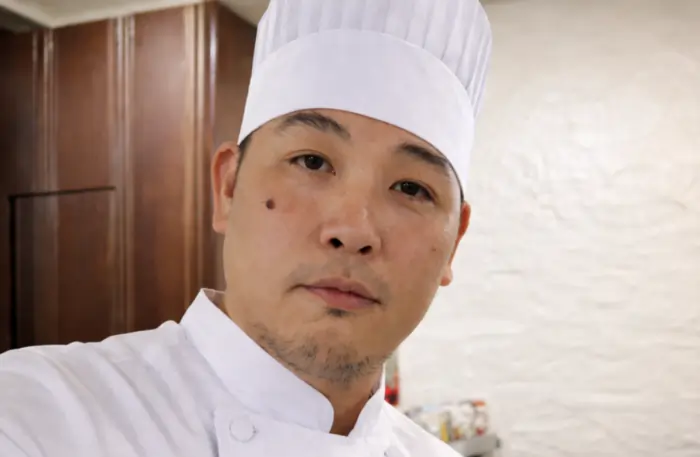
Chef Juan Gadi brings the heart of Filipino hospitality to Ubud, Bali. As an Executive Chef and consultant, he specializes in creating intimate, curated dining experiences that tell a story through every dish. Whether leading the kitchen at Kilig Filipino Warung or hosting a private villa dinner, Chef Juan’s approach is defined by warmth, modern technique, and a commitment to culinary excellence.