Food Presentation Ideas Key Takeaways
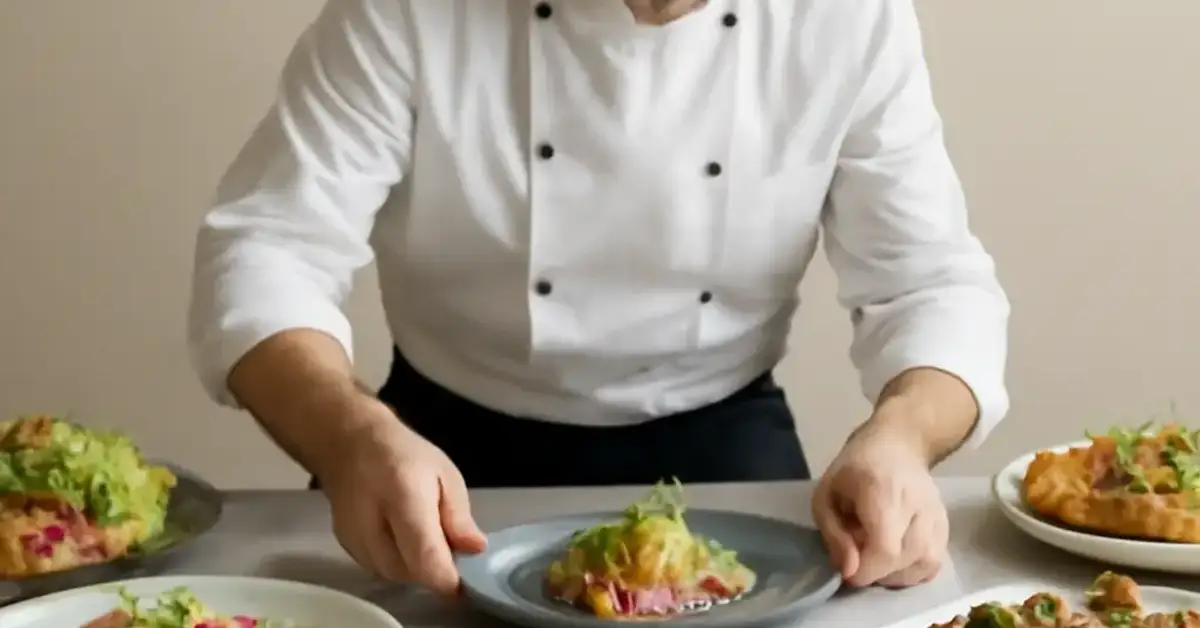
Great food presentation ideas turn a meal into an unforgettable experience, especially during celebrations.
- Use height and texture to create visual contrast on every plate and buffet table.
- Coordinate colors and garnishes to match your event theme and enhance event catering presentation .
- Small touches like edible flowers, geometric plating, and interactive stations leave lasting impressions on guests.
Why Food Presentation Ideas Matter for Celebrations
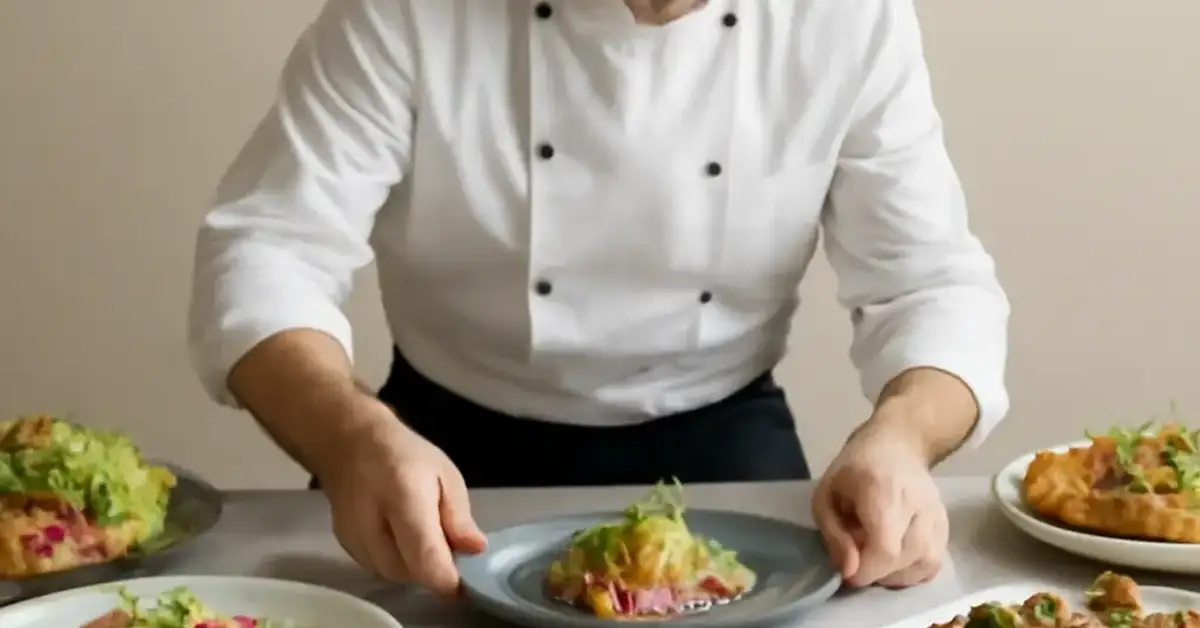
I have spent years in kitchens from Manila to Bali, learning that people eat with their eyes first. A beautifully presented dish does more than satisfy hunger; it builds anticipation, sparks conversation, and tells a story. In celebrations—whether a wedding reception, corporate dinner, or birthday party—the visual element becomes part of the entertainment. Guests snap photos, share on social media, and remember the experience long after the last bite. That is why investing in food styling and thoughtful plating techniques elevates any gathering from ordinary to extraordinary. For a related guide, see Why Food Is Often the Highlight of Any Celebration: 7 Chef Secrets for Event Planners.
1. Use Height and Layering for Dramatic Plates
Flat plates can feel uninspired. One of the simplest food presentation ideas is to build upward. Stack components like grilled vegetables, protein, and a crisp garnish to create dimension. For example, at a recent private villa dinner in Ubud, I served seared tuna on a bed of smashed avocado, topped with pickled radish ribbons and micro herbs. The height drew immediate attention and made each plate feel like a sculpture. For a related guide, see 9 Private Dining Ideas for Intimate Bali Events.
Tips for successful height and layering
Choose ingredients that naturally stack—think sliced meats, tofu blocks, or crisp lettuce cups. Use ring molds for uniform stacks, and always secure the base with a spread or sauce. This technique is widely used in restaurant plating ideas but translates perfectly to celebrations.
2. Embrace Negative Space on the Plate
Cluttered plates confuse the eye. Leaving empty space around the food focuses attention on the main elements. This approach, known as negative space plating, is a hallmark of modern culinary presentation. For a corporate event, I often place a single fillet of fish off-center with a swoop of sauce and a few scattered herb leaves. The simplicity feels luxurious and intentional.
How to practice negative space
Start with a large, plain white plate. Place the protein at 4 o’clock or 8 o’clock, add a small vegetable portion, and leave the rest bare. Use sauce as an accent, not a pool. This method is especially effective for portion presentation for plated service at formal events.
3. Coordinate Color Palettes for Visual Harmony
Color coordination in food styling can make or break a display. Complementary colors—like orange carrots with green pea purée—look vibrant together. Analogous schemes, such as shades of red from tomatoes, bell peppers, and berries, feel cohesive. For a Filipino wedding buffet, I once used golden turmeric rice, purple ube desserts, and green pandan jelly to celebrate the national colors while keeping the palette intentional.
Food garnishing with color in mind
Edible flowers, micro greens, and vegetable ribbons add pops of color without overwhelming the dish. Avoid mixing more than four distinct hues on a single plate. This principle applies equally to buffet setup design and individual plates.
4. Design Interactive Food Stations
Guests love being part of the action. Interactive food stations design invites them to customize their meal, which increases engagement and reduces waste. For a corporate event in Ubud, I set up a ceviche station where guests chose their citrus marinade, toppings, and garnish. The station became a social hub.
Ideas for interactive stations
- Taco or wrap bars with multiple proteins and salsas
- Pasta or noodle stations where guests pick sauces and toppings
- Dessert dipping stations with chocolate fountain and fruit skewers
These setups work well for party food presentation because they are fun and photogenic.
5. Master the Art of Food Garnishing
Garnishing is not just decoration; it adds flavor and texture. Fresh herbs, citrus zest, edible flowers, and toasted seeds can transform a simple dish. In my kitchen, I often finish a dish with a sprinkle of crispy garlic and a drizzle of calamansi reduction. The contrast of crunchy and tangy elevates the whole experience.
Garnishing rules for celebrations
Always choose garnishes that are edible and relevant to the dish. Avoid anything that looks artificial. For catering visuals, keep garnishes fresh until the last moment to prevent wilting. This practice is essential for wedding food display where every detail must look pristine.
6. Style Buffet Tables With Flow and Focus
A chaotic buffet line frustrates guests. Effective buffet setup design guides the eye and the body naturally. Start with plates at one end, arrange dishes from light to heavy (salads first, proteins last), and repeat decorative elements like vases or candles to create rhythm. For a recent event, I placed a large floral centerpiece at the center of the table and used raised pedestals for key dishes.
Table styling events checklist
- Use varying heights with cake stands, wooden boxes, and tiered trays
- Label each dish with elegant tags
- Keep serving utensils accessible and consistent
- Add greenery along the table edge for a natural frame
These techniques are foundational to luxury catering presentation.
7. Create Stunning Dessert Table Ideas
Desserts are the final impression, so make them count. A well-styled dessert table should feel abundant but organized. Use a mix of heights—tall cake stands, small jars, flat trays—to create visual layers. For a Filipino-themed celebration, I arranged sticky rice cakes (suman) with coconut caramel and mango slices on a wooden board. The rustic presentation felt both elegant and comforting.
Dessert table ideas that wow
- Offer a variety of textures: creamy puddings, crunchy cookies, fresh fruit
- Use monochromatic color schemes for a modern look
- Include a signature dessert that tells your story (for me, it is ube crème brûlée)
8. Pay Attention to Beverage Display Ideas
Drinks are often treated as an afterthought, but they deserve the same visual care as food. Arranging glassware by height, adding citrus wheels to pitchers, and labeling cocktail ingredients with small signs all enhance the overall visual dining experience. At a recent cocktail party, I set up a self-serve agua fresca station with large glass dispensers, floating herbs, and colorful straws. Guests could not stop taking pictures.
Beverage display ideas for events
Use clear dispensers for colorful liquids. Add edible flowers or fruit slices to ice cubes. Group drinks by color to create a rainbow effect. These small touches support event styling food goals without extra cost.
9. Use Themed Presentation to Tell a Story
Themed food presentation for events can transport guests to another place or time. For a Balinese-themed evening, I used banana leaf plates, coconut shell bowls, and bamboo skewers. Each element reinforced the theme. Even the event catering presentation of rice—served in a woven basket with a frangipani flower—drew delighted comments.
How to choose a theme
Start with the event’s purpose or location. Use natural materials (wood, stone, leaves) for earthy themes, and metallic or glass for glamorous events. Consistency is key: if you choose a tropical theme, avoid plastic or sterile-looking trays.
10. Leverage Lighting and Ambiance for Food Presentation
Lighting changes everything. Warm, dim lighting makes food look richer; bright, cool lighting highlights detail and color. For evening events, use spotlights on buffet tables and tea lights on dining tables. In my villa dinners in Ubud, I string fairy lights overhead and place candles along the table. The soft glow flatters every dish and creates a romantic mood.
Practical lighting tips
- Use adjustable LED spotlights to highlight signature dishes
- Avoid harsh overhead fluorescents that wash out food colors
- Add battery-operated candles for safety around food
This technique is essential for hospitality visual experience design and can dramatically improve food photography events.
11. Incorporate Modern Creative Plating Trends
Staying current with modern culinary plating trends keeps your celebrations looking fresh. Current favorites include asymmetrical arrangements, deconstructed dishes, and the use of edible soil or powders. For a recent dinner, I served a deconstructed chicken adobo—crispy skin on top, braised meat below, and a soy-vinegar gel as “soil.” It surprised guests and sparked conversation.
Creative plating techniques to try
- Swoosh sauces with a spoon or squeeze bottle for a clean line
- Use tweezers for precise herb placement
- Incorporate negative space and geometric lines
These approaches are widely used in restaurant plating ideas and can be adapted for any celebration size.
Comparison of Food Presentation Ideas for Different Event Types
| Event Type | Best Food Presentation Ideas | Key Considerations |
|---|---|---|
| Wedding | Elegant tiered displays, edible flowers, monochrome palettes | Keep wedding food display consistent with theme colors |
| Corporate Event | Clean lines, negative space, branding colors | Focus on catering aesthetics and ease of service |
| Birthday Party | Interactive stations, colorful desserts, whimsical garnishes | Prioritize party food presentation and share-ability |
| Intimate Villa Dinner | Handcrafted plates, local ingredients, storytelling | Emphasize culinary presentation and personal touch |
Useful Resources
Explore these trusted sources for further inspiration on luxury catering presentation and hospitality design:
- Fine Dining Lovers – Plating Techniques for Chefs – A comprehensive guide to modern plating.
- Catersource – Innovative Food Presentation Ideas for Events – Practical advice from event professionals.
Frequently Asked Questions About Food Presentation Ideas
Frequently Asked Questions About Food Presentation Ideas
What are creative food presentation ideas for events?
Creative food presentation ideas include building height with ingredients, using negative space, incorporating interactive stations, and adding edible garnishes like micro herbs or flowers. Themed plating and colorful sauces also add drama.
How does food presentation affect guest experience?
Food presentation sets the first impression. Attractive plating makes guests feel valued, increases anticipation, and encourages social sharing. It directly influences how flavors are perceived and how memorable the meal becomes.
What makes buffet setups visually appealing?
Effective buffet setup design uses varying heights, repeated decorative elements, clear labeling, and a logical flow from salads to proteins. Greenery, flower arrangements, and tiered stands add visual interest without clutter.
How do caterers style food for weddings?
Caterers often use monochromatic or coordinating color palettes, edible flowers, raised pedestals, and elegant garnishes. Wedding food display focuses on romance and sophistication, with careful attention to every detail.
What are simple ways to improve food presentation?
Start with clean plates, arrange food off-center, add a garnish of fresh herbs or edible flowers, and wipe plate rims clean. Even one of these changes can elevate party food presentation instantly.
Why is food styling important in celebrations?
Food styling transforms a meal into a visual centerpiece. It aligns with the event theme, creates photo opportunities, and shows guests that care has been taken. In celebrations, presentation is part of the hospitality.
How can lighting improve food presentation?
Warm, focused lighting makes food look richer and more appetizing. Spotlights on buffet tables and candles on dining tables highlight textures and colors. Avoid harsh overhead lights that flatten the appearance of dishes.
What are modern plating techniques for events?
Modern culinary plating trends include asymmetrical placement, sauce swoops, deconstructed dishes, and the use of edible powders or gels. Precision with tweezers and squeegee bottles helps achieve clean lines.
How do themed menus influence food display?
Themed menus guide the choice of plates, garnishes, and serving vessels. For example, a tropical theme might use banana leaves and coconut shells, while a winter theme could use dark wood and metallic accents. Consistency reinforces the experience.
What makes dessert tables attractive at parties?
Dessert table ideas that work include mixing heights with cake stands, using a limited color palette, and offering a variety of textures. A signature dessert that ties into the event theme adds a memorable focal point.
How can food presentation make events more memorable?
Memorable presentation combines surprise, beauty, and personal touches. Interactive stations, personalized plates, and unexpected garnishes all create moments that guests talk about and photograph, extending the event’s impact.
What is the role of color in food presentation?
Color coordination in food styling helps dishes look balanced and appetizing. Complementary colors like green and red create contrast, while analogous palettes feel harmonious. Too many colors can look chaotic.
How do I choose the right plates for an event?
Choose plates that contrast with the food color—white works for most cuisines. For themed events, consider matte black, wooden boards, or slate tiles. The plate should never compete with the food.
What are some easy garnishing ideas for beginners?
Start with fresh herbs like parsley, mint, or basil. Sprinkle toasted sesame seeds, crushed nuts, or citrus zest. Edible flowers such as pansies or nasturtiums add instant elegance to any dish.
How do I present food for a large crowd without losing quality?
Focus on catering visuals that scale well: use large platters with repeat garnishes, arrange food in rows or circles, and freshen garnishes just before service. Pre-plating portions for portion presentation for plated service can also help.
Can I use social media trends for food presentation?
Absolutely. Social media-friendly food presentation often features bold colors, geometric patterns, and overhead shots. Trends like deconstructed dishes and rainbow layers work well for Instagram and TikTok.
What are common mistakes in food presentation?
Overcrowding the plate, using dull colors, adding inedible garnishes, and mismatching serving vessels are frequent pitfalls. Also, avoid placing food too close to the plate rim or using sauces that bleed together.
How does temperature affect food presentation?
Hot food should be served on warm plates to maintain temperature and prevent sogginess. Cold dishes benefit from chilled plates. Garnishes like fresh herbs should be added just before serving to stay vibrant.
What is the best way to present finger foods?
Arrange finger foods in neat rows or circles on wooden boards or slate tiles. Use small skewers, toothpicks, or lettuce cups as edible holders. Varying colors and shapes keeps the display interesting.
How do I get started with food presentation at home?
Start with one or two food presentation ideas from this list: use a clean plate, add a garnish, and practice off-center placement. As you gain confidence, experiment with heights, sauces, and themed elements.
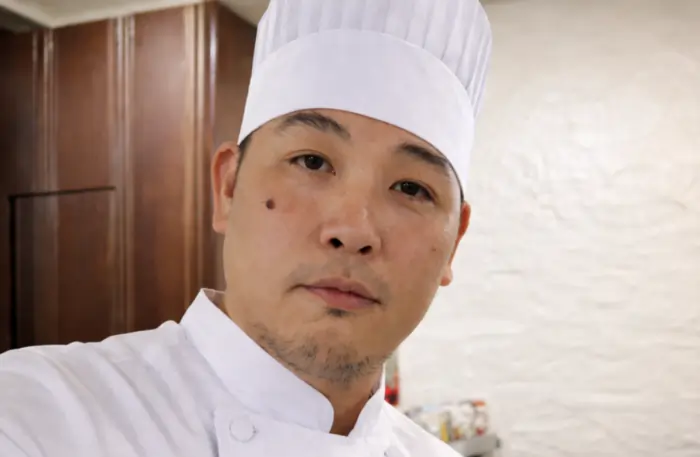
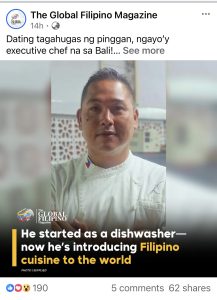
Chef Juan Gadi brings the heart of Filipino hospitality to Ubud, Bali. As an Executive Chef and consultant, he specializes in creating intimate, curated dining experiences that tell a story through every dish. Whether leading the kitchen at Kilig Filipino Warung or hosting a private villa dinner, Chef Juan’s approach is defined by warmth, modern technique, and a commitment to culinary excellence.