
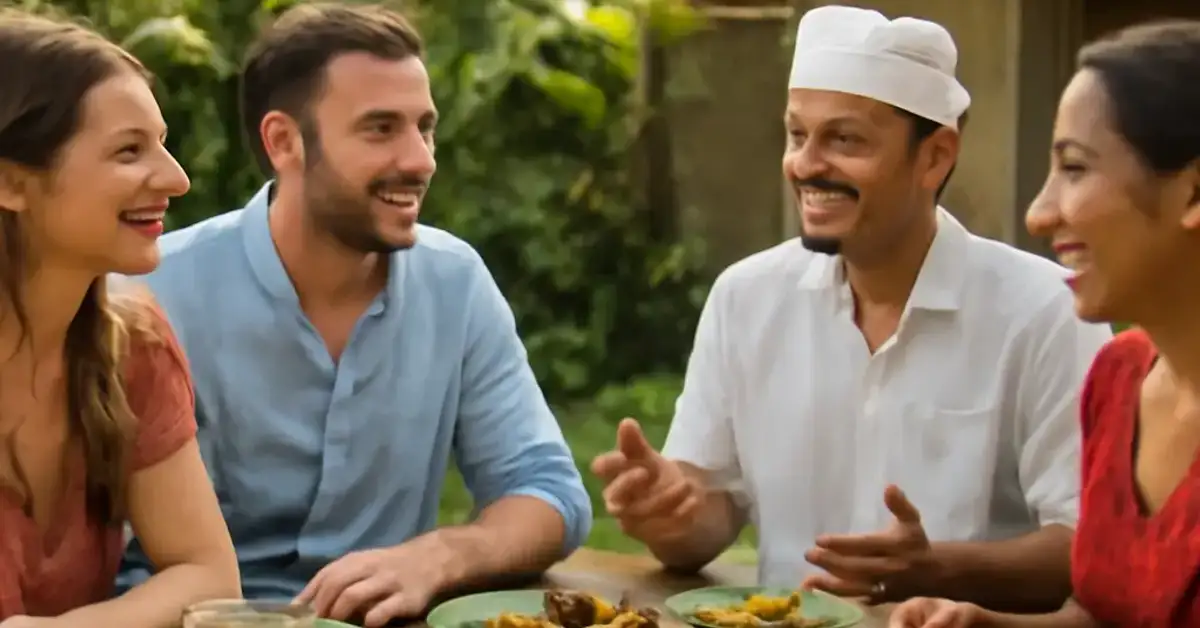
Power of Connection Through Food and Conversation in Bali Key Takeaways
The power of connection through food and conversation in Bali reveals itself in every shared meal—whether it’s a humble nasi campur at a family-run warung or a festive feast prepared for a temple ceremony.
- The power of connection through food and conversation in Bali grows naturally when you share a table with locals, breaking down language and cultural barriers.
- Balinese hospitality transforms eating into a ritual of generosity, storytelling, and mutual respect, making every meal a memorable cultural exchange .
- Simple acts like learning to roll a lawar parcel or clinking glasses of arak at a village gathering create emotional bonds that last long after your tan fades.
What Makes the Power of Connection Through Food and Conversation in Bali So Transformative
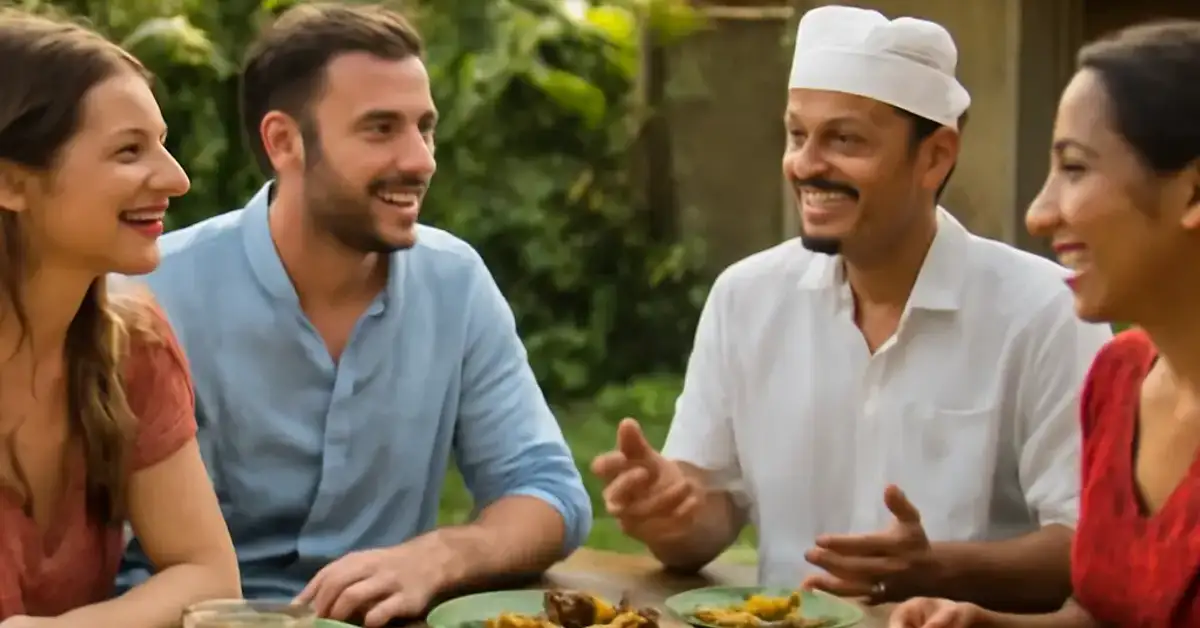
Bali food culture is woven into the island’s social fabric. Unlike the rushed, individualistic dining scenes common in many Western cities, shared meals in Bali are intentionally slow, communal, and deeply connected to spirituality. When you accept an invitation to eat at a local home, you are not just feeding your stomach—you are honoring a tradition that prioritizes togetherness.
I first experienced this in a small village near Ubud. My homestay host, Wayan, invited me to join her family for the evening meal. We sat cross-legged on rattan mats, and she placed an enormous banana leaf in the center piled with fragrant yellow rice, crispy fried tempeh, sambal matah, and shredded chicken lawar. There were no forks, no plates, no phones. We ate with our hands, and between bites, we talked about her garden, my travels, and the upcoming temple festival. That evening, I understood why the power of connection through food and conversation in Bali feels so different: it requires presence.
How Balinese Hospitality Transforms a Simple Meal Into a Cultural Immersion
Balinese hospitality is not performative; it is a deeply ingrained value known as manyama braya — treating guests like family. This mindset turns every meal into a genuine act of welcome. When you step into a family-run Bali restaurant or a temple feast, you are offered the best portion, the freshest coconut water, and a seat at the center of the circle.
The Ritual of Offering Before Eating
Before anyone touches the food, a small offering of rice, flower petals, and incense is placed on a shrine or in the corner of the room. This moment of gratitude creates a sense of reverence that sets the tone for the meal. Travelers who respect this ritual are often rewarded with deeper conversations about Balinese cosmology, family history, and the spirit world.
Eating With Your Hands: A Lesson in Trust and Connection
In many traditional Balinese food gatherings, utensils are optional. Pressing rice and vegetables into a small ball with your fingertips and feeling the warmth and texture of the food creates an intimacy that silverware never can. Locals often chuckle when a tourist tries for the first time, but that laughter quickly turns into a teaching moment. Someone reaches over, gently guides your hand, and shows you how to scoop without spilling. In that split second of shared instruction, a barrier falls away. Food and conversation blend into one fluid experience of mutual learning.
Why Shared Meals in Bali Create Deeper Travel Connections Than Any Attraction
Most tourists spend their day checking off temples, waterfalls, and rice terraces. While those places are beautiful, they rarely produce lasting travel memories of the kind that change the way you see the world. Meaningful travel experiences come not from panoramic views but from human encounters. And nothing catalyzes those encounters faster than breaking bread together.
Conversation Around the Table: From Small Talk to Soul Talk
During a traditional communal dining event in a village in Tabanan, I sat next to a young farmer named Ketut. At first, the conversation was light—”Where are you from?” “Do you like spicy food?” But as the babi guling (suckling pig) was served and the palm wine began to flow, our talk deepened. He spoke about the challenge of keeping traditional farming alive, his dream of building a guesthouse for travelers, and the devastating loss of his father three years earlier. I told him about my own family back home. By the end of the meal, we were exchanging not just recipes but stories of grief and hope. That is the power of connection through food and conversation in Bali—it strips away pretense.
Food as a Bridge Between Cultures: Learning About Bali Through Its Flavors
Food as a bridge between cultures works in both directions. As travelers share their own stories and food traditions, locals gain insight into other worlds. I once watched a Balinese grandmother beam with delight when a French guest taught her to make a simple vinaigrette with fresh kaffir lime leaves. The grandmother immediately adapted it into her next sate lilit recipe, dubbing it “salad Bali.” That small act of cultural exchange enriched both participants more than any guidebook or museum ever could.
Understanding Local Customs Through Authentic Bali Food
Authentic Bali food is a direct expression of history, religion, and environment. For example, the heavy use of coconut, turmeric, and lemongrass is not just about flavor—it reflects the tropical abundance and the Hindu principle of balancing the body’s elements. By eating local cuisine Bali alongside a local who explains the symbolism, a traveler moves from being a spectator to a participant in the culture.
7 Proven Ways Food and Conversation Create Lasting Travel Memories in Bali
Drawing from countless traveler stories and my own experiences, these are the most reliable strategies to unlock the power of connection through food and conversation in Bali:
1. Join a Village Cooking Class That Feels Like a Family Reunion
Opt for classes held in someone’s home, not a commercial kitchen. The best ones start with a trip to the local market, where you buy ingredients while the host explains their significance. The real magic happens when everyone works together to grind spices, pound sambal, and fold banana-leaf parcels. As steam rises from the pots, stories rise from the group. By the time you eat the meal you helped create, you feel like part of the family.
2. Eat at a Local Warung and Let the Owner Choose Your Plate
Skip the generic café on the main street. Walk a block or two into the alleyways and find a warung where the plastic chairs are slightly worn and the air smells like clove smoke. Point at whatever looks good, or say “saya mau yang paling enak” (I want the most delicious one). The owner will beam, pile your plate high, and then sit down to ask about your day. These spontaneous Bali dining experiences are the ones travelers treasure most.
3. Attend a Temple Feast or Religious Ceremony Where Food is Central
Many visitors are nervous about attending ceremonies, but locals genuinely welcome respectful guests. The food served during temple feasts (banten and penggih) is often the most authentic reflection of traditional Balinese food. You will taste dishes that never appear on restaurant menus, and the conversations you have with villagers while queuing for food are often the warmest of your entire trip.
4. Go on a Food Tour Led by a Local Storyteller
Instead of a standard food tour that is just a list of stops, look for a guide who weaves personal stories into each bite. The best guides are not trained professionals but grandmothers, farmers, or street vendors who share their life through their dishes. Culinary tourism becomes cultural immersion when the guide stops at a spice stall and tells you how her mother used turmeric to heal a sick child, or how her father proposed to her mother with a plate of fried bananas.
5. Share a Meal With a Local Family Through a Homestay or Community Dinner
Homestays offer the easiest path to the power of connection through food and conversation in Bali. Unlike hotel restaurants, where anonymity is the default, homestay dinners are built around food and friendship. Expect to be handed a mortar and pestle and asked to help make sambal. Expect to be quizzed about your own country’s food. And be prepared to feel genuinely sad when you say goodbye.
6. Embrace the Social Dining Experiences at Night Markets
Night markets like Gianyar or Badung are loud, chaotic, and wonderful. Vendors call out to you, grill skewers of satay over glowing charcoal, and pour fresh sugarcane juice into plastic bags. The best way to experience them is not to buy from one stall and leave, but to buy a small portion from several vendors and then find a communal bench where you can sit and chat with whoever is next to you. I once spent an entire evening at Gianyar market learning about the art of making martabak from a third-generation seller. We shared five different dishes, taught each other words from our languages, and parted with a warm handshake.
7. Create Your Own Communal Dinner Experience With Fellow Travelers
If you are a solo traveler, cook a meal in your Airbnb or hostel kitchen and invite your neighbors. Buy ingredients from the local market, ask the vendor for cooking tips, and then gather around a single table. When everyone contributes a dish or a story, the meal becomes a microcosm of cultural exchange. These makeshift family dinners often turn casual acquaintances into lifelong friends.
How Hospitality Culture in Bali Deepens Emotional Bonds Formed Over Meals
Hospitality culture in Bali is rooted in the concept of tri hita karana—harmony between humans, nature, and the divine. When a Balinese host welcomes you to their table, they are not just serving food; they are restoring a cosmic balance. This philosophy explains why emotional bonds formed over meals in Bali feel unusually profound. The host genuinely believes that their spiritual well-being is tied to your happiness as a guest.
Why Shared Culinary Experiences and Lasting Memories Go Hand in Hand
Neuroscience backs up what Balinese culture has always known: eating together releases oxytocin, the “bonding hormone.” When that shared meal is accompanied by eye contact, laughter, and storytelling, the memory is encoded more deeply than any solo activity. This is why shared culinary experiences and lasting memories are inseparable. The taste of a dish, the sound of a host’s laugh, the warmth of a hand passing you a bowl of soup—all these sensory details lock the moment in your heart forever.
Practical Tips for Experiencing the Power of Connection Through Food and Conversation in Bali
To make the most of your culinary journey in Bali, keep these practical guidelines close:
Learn a Few Key Phrases in Bahasa Indonesia
A simple “Terima kasih” (thank you) and “Enak sekali” (very delicious) go a long way. When a local hears you make an effort, the conversation almost always warms up immediately. Asking “Apa ini?” (What is this?) opens the door to longer explanations.
Be Open to Spontaneity
If someone offers food, accept it. This can be tricky for travelers with strict diets, but a small taste (or even just holding the plate and raising it to your nose) is seen as respectful. Saying no outright can close the door to connection.
Put Your Phone Away
Food and conversation require your full attention. Taking one quick photo of a beautifully plated dish is fine, but do not scroll or check messages while eating. The best conversations happen when you look someone in the eye and listen without distraction.
Ask Questions About the Food
Locals love to explain the stories behind their dishes. Ask about the origin of a spice, the right way to eat a particular dish, or whether there is a special dish for celebrations. These questions show genuine interest and lead to meaningful cultural immersion.
Contribute Your Own Story
Cultural exchange is a two-way street. After listening to a local’s story about how they learned to cook from their grandmother, share your own family food traditions. Tell them what a typical breakfast looks like in your home country, or how your culture celebrates holidays with special dishes. This reciprocity strengthens the bond.
Why Food Tourism Bali Is the Fastest Path to Meaningful Travel Experiences
Food tourism Bali appeals to every sense. Unlike a museum or a temple, food is interactive. It requires touch, taste, smell, and conversation. Meaningful travel experiences happen when you are not just observing a culture but participating in it. By sitting at a communal table, sharing a plate, and exchanging stories, you become part of the living story of Bali.
Studies on travel satisfaction consistently show that experiences involving social connection and novelty produce the highest levels of happiness. Food combines both. Every bite of a new fruit, every unfamiliar spice, every texture you cannot recognize spurs conversation and curiosity. The power of connection through food and conversation in Bali is a tool for personal growth as much as it is for cultural tourism.
How Community-Centered Food Culture in Bali Benefits Travelers and Locals Alike
Community-centered food culture in Bali is built on the principle of gotong royong (mutual cooperation). Village feasts are not prepared by one household but by an entire community. This model of collective work and celebration teaches travelers a valuable lesson about interdependence. When you take part in such a gathering, you are not a customer; you are a member of the community for a few hours.
Local Traditions and Social Gatherings That You Should Seek Out
If your timing aligns, attend a local traditions and social gatherings like the megibung tradition in Karangasem, where participants sit in circles and eat from shared banana-leaf platters. These events are rarely publicized, but asking your homestay host or a local guide can unlock invitations. The conversations that emerge during megibung are raw, unfiltered, and unforgettable.
Storytelling Around the Dining Table: The Heart of Authentic Travel Experiences Through Food
Storytelling around the dining table is a cornerstone of Balinese hospitality. Every dish carries a narrative: the chili sauce that has been a family recipe for six generations, the fried chicken that is only served during the full moon, the ceremonial cake that symbolizes unity. When you sit down to eat, the host does not just serve food; they serve history, memory, and identity. Authentic travel experiences through food are built on these stories. For a related guide, see How Genuine Hospitality Turns Visitors Into Family.
One evening in a village near Sidemen, my host’s grandmother brought out a plate of kelepon (glutinous rice balls filled with palm sugar and coated in grated coconut). She explained that she used to make these for her late husband every Sunday morning. Her hands trembled slightly as she formed the balls, and her voice cracked when she described their last morning together. We sat in silence for a moment, then she smiled and said, “But now I make them for you, and it makes me happy.” That moment taught me that storytelling around the dining table is not just entertainment; it is a gift of trust.
Friendship and Belonging Through Shared Meals for Solo and Gen Z Travelers in Bali
Friendship and belonging through shared meals is especially powerful for solo travelers and Gen Z visitors who often seek meaningful social interactions. Canggu’s co-working spaces and community tables at health-conscious cafés have become hubs for food and friendship. But the real magic happens when you step away from the Instagram-friendly spots and into a local home. One solo traveler from Australia told me she spent her last day in Bali crying not because she was leaving, but because the family she had been staying with insisted on cooking a farewell feast and the grandmother kept singing her a lullaby.
Cultural Appreciation Through Dining Experiences: Avoiding the Tourist Trap
Cultural appreciation through dining experiences requires conscious effort. It is easy to fall into the trap of dining at restaurants that serve “Balinese food” tailored to Western palates—watered-down sambal, fusion pasta with balsamic reduction, and cocktails garnished with bougainvillea. These meals are enjoyable but rarely create deep connection. To truly appreciate Balinese culture through food, seek out establishments and experiences where locals outnumber tourists. Ask for recommendations from your driver, hotel staff, or the vendor at the fruit market.
Hospitality Creating Memorable Interactions: A Final Reflection
Hospitality creating memorable interactions is the gift Bali gives freely to those who slow down. Every time I return to this island, I am reminded that the best meals are the ones where the focus shifts from the food to the people. The spices and herbs fade from memory, but the sound of a child laughing while sharing a plate of fried bananas does not. The power of connection through food and conversation in Bali lies not in the complexity of the dishes but in the stillness of the moment, the hand that reaches across the table, and the words that flow between bites.
Useful Resources
For those eager to dive deeper into the island’s food culture and plan their trip, these resources offer valuable background and practical guidance.
- Kemenparekraf (Indonesia’s Ministry of Tourism and Creative Economy) publishes an official list of authentic local food experiences and culinary destinations. Visit kemenparekraf.go.id for updated information on cultural food programs.
- Lonely Planet’s Bali Food Guide provides detailed restaurant recommendations, street food tours, and cooking classes across the island. Read the guide at lonelyplanet.com/indonesia/bali/food.
Frequently Asked Questions About Power of Connection Through Food and Conversation in Bali
How does food help create connections in Bali?
Food acts as a universal language that breaks down barriers between visitors and locals. By sharing a meal, travelers demonstrate openness and respect, which Balinese culture interprets as a willingness to form genuine human bonds. The act of eating together—especially with hands from a shared plate—builds immediate trust and invites conversation. For a related guide, see How Food and Travel Create Deeper Human Connections.
Why are shared meals so meaningful while traveling?
Shared meals combine the pleasure of eating with the emotional satisfaction of social connection. When you travel, unfamiliarity can feel isolating; sitting at a table with others reduces that isolation. The conversation that arises during a meal often reveals personal stories, local perspectives, and cultural wisdom that no guidebook can provide.
What role does conversation play in Bali dining experiences ?
Conversation turns a meal into an immersive cultural lesson. Through dialogue, travelers learn about the origins of ingredients, the symbolism behind dishes, and the personal histories of the people cooking for them. The questions you ask and the stories you share determine whether a meal remains a transaction or transforms into a meaningful exchange.
How does Balinese hospitality enhance food culture?
Balinese hospitality is rooted in the philosophy that guests are blessings. This mindset means hosts often serve their best food, take time to sit and talk, and treat the meal as a ceremony of generosity. The warmth and attention to detail elevate even a simple plate of nasi campur into a memorable cultural performance.
Why do travelers remember meals more than attractions?
Meals engage multiple senses simultaneously—taste, smell, touch, sight—and are usually associated with strong positive emotions. Attractions, by contrast, are primarily visual and often passive. A meal shared with a kind host creates a multi-sensory, interactive memory that is anchored in human connection, making it easier to recall years later.
How can food create deeper cultural understanding in Bali?
Food carries cultural codes: what is eaten, how it is prepared, and the rituals surrounding it reveal the values, religion, and history of a society. Learning why certain ingredients are used, how dishes are arranged, and what meals accompany ceremonies provides a richer, more nuanced understanding of Balinese culture than any academic lecture.
What makes communal dining special in Balinese culture?
Communal dining in Bali is a social performance of togetherness. The practice of eating from shared banana leaves, passing dishes around a circle, and sometimes feeding one another reinforces the idea that the community is more important than the individual. This collective atmosphere makes every guest feel included and valued.
How do conversations with locals enrich travel experiences?
Conversations with locals provide context, nuance, and emotion that attractions cannot. A temple is just a structure until you hear a local describe the ceremony that happens there every full moon. A dish is just food until someone explains it was their mother’s specialty. These dialogues turn surface observations into life-lasting understanding.
Why are food experiences important for cultural immersion ?
Food experiences force travelers to step out of their comfort zone—trying new textures, flavors, and eating methods. This sensory engagement requires active participation, which is the essence of immersion. You cannot merely observe a meal; you must taste, chew, and react. That active involvement deepens the cultural imprint.
How does sharing a meal create lasting travel memories ?
Sharing a meal combines novelty (new taste) with social bonding (connection with people). The brain encodes memories more strongly when multiple sensory and emotional tracks merge. The sound of laughter, the aroma of spices, and the feeling of shared joy create a rich memory that stands out against the more generic experiences of a trip.
What is the best way to find local family dinners in Bali?
Ask your homestay host, driver, or local guide directly. Many Balinese families welcome guests for meals but do not advertise. Websites like Cookly and Airbnb Experiences also list home-based cooking classes and dinners. Word of mouth remains the most reliable method.
Is it safe to eat at street stalls and warungs in Bali?
Yes, as long as you choose stalls with high turnover—places where locals queue. High turnover ensures food is fresh. Look for busy warungs, check that cooked food is kept hot, and avoid raw vegetables washed in tap water. Use common sense, and your stomach will thank you.
How can solo travelers find dining companions in Bali?
Join a cooking class, stay in a homestay that serves communal breakfast, or attend a night market and sit at a shared bench. Co-working spaces in Canggu and Ubud also organize community dinners. Simply saying “May I sit here?” at a busy warung often leads to conversation.
What is the most iconic Balinese dish to try for connection?
Babi guling (suckling pig) and bebek betutu (slow-cooked duck) are the most iconic. But for everyday connection, nasi campur with lawar and sambal matah is the dish locals share most often. It is simple, versatile, and loaded with flavors that spark conversation.
Do I need to know Bahasa Indonesia to enjoy a meal with locals?
No, but learning five polite phrases makes a huge difference. Locals appreciate the effort even if your pronunciation is imperfect. A smile, a nod, and an enthusiastic “Enak!” (delicious) transcend language barriers.
How do I avoid offending my Balinese host during a meal?
Always accept food with your right hand, never point your feet toward the table, and say a word of thanks. If you cannot eat something, decline politely by touching your plate and saying “Terima kasih, sudah cukup” (Thank you, it is enough). Avoid eating until offerings are placed.
Are there vegetarian options in traditional Balinese food ?
Yes, although many traditional dishes feature meat or seafood. Look for sayur urab (mixed vegetables with coconut), tempeh and tofu preparations, and jukut bejek (green bean salad). Always confirm with your host that the dish contains no shrimp paste (terasi) or meat broth.
How can I extend the connection after returning home?
Exchange contact information with the people you met. Many Balinese use WhatsApp. Send a message a few weeks later with a photo of the dish they taught you to make. Re-create a Balinese recipe for your friends and share the story. The connection lives through the food.
What is the best time of year to experience communal dining traditions?
Galungan and Kuningan (usually twice a year) are ideal, as villages hold large feasts. The Bali Arts Festival (June–July) also features traditional food gatherings. But any day of the year, a homestay dinner or a night market visit offers the same warmth.
How can digital nomads in Bali build a community through food?
Organize potluck dinners where each person brings a dish from their home country or a local market find. Co-working spaces and coliving hubs often have communal kitchens. Cooking and eating together turns a group of strangers into a supportive tribe, embodying the true power of connection through food and conversation in Bali.
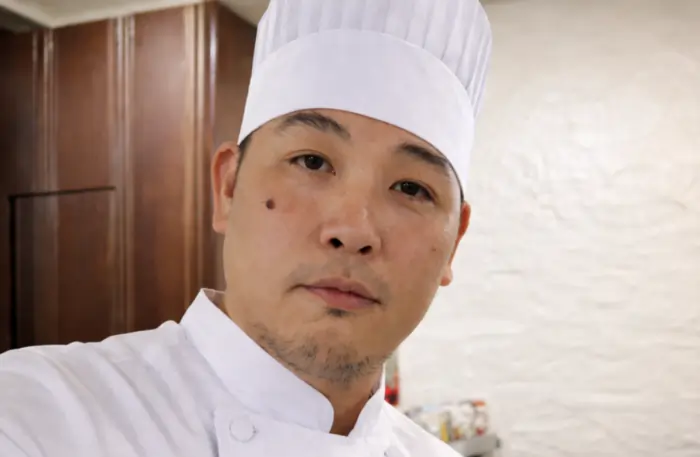
Chef Juan Gadi brings the heart of Filipino hospitality to Ubud, Bali. As an Executive Chef and consultant, he specializes in creating intimate, curated dining experiences that tell a story through every dish. Whether leading the kitchen at Kilig Filipino Warung or hosting a private villa dinner, Chef Juan’s approach is defined by warmth, modern technique, and a commitment to culinary excellence.