

Comfort Food Brings Warmth to Every Bali Journey Key Takeaways
Comfort food brings warmth to every Bali journey by forging emotional connections through familiar flavors, rich spices, and the hospitality that defines the island.
- Comfort food brings warmth to every Bali journey through sensory satisfaction—think fragrant turmeric, lemongrass, and creamy coconut milk that evoke calm and belonging.
- Authentic Balinese cuisine is rooted in traditional Indonesian food traditions that prioritize communal eating and home-style preparation, creating meaningful food experiences for every visitor.
- Whether at a warung, a villa dinner, or a street cart, Bali culinary culture transforms a simple meal into an emotional travel food memory that lasts a lifetime.

What Makes Comfort Food Bring Warmth to Every Bali Journey?
When I first arrived in Ubud years ago, jet-lagged and disoriented, I found myself wandering into a small warung that smelled of ginger, garlic, and slow-cooked coconut milk. The woman behind the counter handed me a bowl of homemade style Bali dishes—a rustic chicken betutu wrapped in banana leaves. I took one bite, and the world slowed down. That dish, simple yet profound, reminded me of the food nostalgia travel I had felt growing up in the Philippines: the same warmth, the same generosity.
As an Executive Chef now running Kilig Filipino Warung and hosting private villa dinners in Ubud, I understand that Comfort Food Brings Warmth to Every Bali Journey not because it mimics home, but because it honors the spirit of home—wherever you are. The food and emotion connection is immediate and visceral. It’s the reason travelers keep returning to the island, craving not just the scenery but the sensory food experiences that make them feel seen, fed, and cared for. For a related guide, see 10 Travel Moments That Feel More Meaningful Around Food (+ Chef Insights).
Bali comfort food is not about elaborate plating or modernist techniques. It’s about the travel lifestyle food that fits into a moment—a bowl of bubur injin (black rice pudding) after a sunrise yoga session, or a plate of nasi campur shared with new friends at a roadside Bali street food culture stall. It’s island cuisine Bali at its most honest.
The Science of Comfort Eating Travel: Why Food Grounds Us Abroad
Emotional food experiences are not random. When we travel, our senses are heightened, but our nervous system is also on alert. Familiar tastes—especially the rich, savory depth of coconut based dishes Bali—signal safety to the brain. That’s why comfort eating travel often involves dishes that are warm, fatty, and slightly sweet; they activate the same reward centers as a hug from a loved one. For a related guide, see Why Certain Flavors Bring Back Beautiful Bali Memories.
Research into the food and emotion connection shows that umami-rich broths, creamy textures, and aromatic spices like cloves and cinnamon trigger dopamine release. In Bali, the abundant use of coconut based dishes Bali—from lawar to soto ayam—provides that exact sensory satisfaction. For travelers, this creates an emotional grounding that helps them feel present and at peace.
How Does Food Create Emotional Comfort in Bali?
Bali culinary culture is built on the philosophy of “Tri Hita Karana”—harmony between people, nature, and the divine. Meals are often prepared with intention, offered to the gods first, and then shared. This ritual infuses every dish with cultural food comfort. When a traveler sits down to eat, they are not just consuming calories; they are participating in a centuries-old tradition of hospitality food culture. That participation is deeply comforting.
At Kilig, I see this every night. A couple from Berlin orders our chicken inasal, and their shoulders drop. A solo traveler from Japan asks for another bowl of sinigang broth—the tamarind sourness reminding her of her grandmother’s kitchen. It’s not just food. It’s meaningful food experiences delivered with warmth.
Popular Comfort Foods in Bali: A Taste Journey
If you’re wondering what dishes define authentic Bali cuisine for the comfort-seeking traveler, here are seven staples that deliver sensory food experiences time and again. Each dish illustrates why Comfort Food Brings Warmth to Every Bali Journey at every meal.
| Dish | Key Comfort Element | Why Travelers Love It |
|---|---|---|
| Nasi Goreng | Sweet soy sauce, fried egg, crispy shallots | Familiar fried-rice base with island cuisine Bali twist |
| Mie Goreng | Noodles, kecap manis, vegetables | Quick, satisfying comfort meals travel staple |
| Be Siap Mesanten | Chicken in creamy coconut-ginger sauce | Smooth, warm, feels like a hug in a bowl |
| Lawar | Minced meat, coconut, herbs, lime | Bright, refreshing, deeply rooted in Balinese cuisine |
| Bubur Injin | Black rice pudding with coconut milk | Sweet, creamy, and soothing for food nostalgia travel |
| Sate Lilit | Spiced minced fish wrapped on lemongrass | Aroma, texture, and traditional Indonesian food at its best |
| Babi Guling | Suckling pig with turmeric, skin crackling | Rich, celebratory travel dining experience |
How Does Coconut Based Food Create Warmth and Satisfaction?
Coconut milk is the backbone of coconut based dishes Bali. Its creamy, slightly sweet profile provides a mouthfeel that signals comfort to the palate. When simmered with turmeric, galangal, and lemongrass, it becomes a medium for cultural food comfort. At Kilig, I use fresh coconut milk from local markets to create curries that wrap around the tongue like a silk scarf. It’s one of the reasons Bali comfort food feels so nourishing—the fat content in coconut enhances the absorption of fat-soluble vitamins and spices, making every bite both pleasurable and grounding.
Why Do Travelers Seek Comfort Food While Traveling?
Emotional travel food cravings spike when we are tired, lonely, or overstimulated. Travel in Bali—while exhilarating—can also be overwhelming: the heat, the traffic, the endless decisions. Comfort eating travel becomes a coping mechanism, but not a negative one. It is a positive, intentional choice to reconnect with the self through local food experiences Bali.
During my private villa dinners, I watch guests arrive tense from a day of temple hopping and return from the table transformed. A bowl of homemade style Bali dishes like bebek betutu (slow-cooked duck) unlocks conversation. Strangers become friends. The travel food memories created around that table are the ones they will cherish most.
Food nostalgia travel is another factor. Many travelers associate the warmth of Bali culinary culture with childhood memories of home cooking. The spices, the communal serving style, the generosity—all echo the kitchens they grew up in. This is why Comfort Food Brings Warmth to Every Bali Journey on a deeply emotional level.
What Role Does Food Play in Emotional Travel?
Food is the fastest route to cultural immersion. Bali food tourism has grown because travelers understand that eating local food experiences Bali is the most direct way to understand the soul of the island. When you taste the complexity of a bumbu base—the precise balance of shallots, garlic, chili, and shrimp paste—you taste centuries of traditional Indonesian food knowledge. That knowledge is a form of meaningful food experiences that cannot be replicated elsewhere.
How Hospitality Influences Food Comfort in Bali
I often tell my team at Kilig: “We are not just feeding people. We are welcoming them into our home.” Hospitality food culture in Bali is defined by the Balinese concept of “manyama braya”—treating others as family. This is not a marketing slogan; it is the philosophy that guides everything from ingredient sourcing to service style.
At my private villa dinners, I take this further. I design the menu based on each guest’s story—where they come from, what they miss, what they hope to discover. This personalization elevates the travel dining experience into an act of care. It is the ultimate expression of how hospitality food culture creates emotional safety and belonging. For a related guide, see 10 Feelings That Make a Dining Experience Truly Special.
Bali restaurant culture often reflects this warmth, especially in family-run warungs where the grandmother still chops the chilies and the grandchildren serve the plates. This authenticity is what attracts experience seekers and cultural travelers who crave authentic Bali cuisine over generic tourist menus.
Common Mistakes Travelers Make When Seeking Comfort Food in Bali
Even with the best intentions, travelers can miss out on the deepest emotional food experiences. Here are pitfalls to avoid:
- Sticking to Western food: Pizza and burgers may relieve short-term cravings, but they crowd out the chance for meaningful food experiences that only local food experiences Bali can deliver.
- Skipping street food: Bali street food culture is where the most authentic Bali comfort food lives—grilled corn with sweet soy, fried bananas, satay lilit. Do not fear the cart.
- Ignoring sambals: Many travelers shy away from chili. But the heat in Balinese sambal is part of the sensory food experiences that release endorphins and deepen satisfaction.
- Rushing meals: Comfort eating travel is not about speed. Take time to savor the food nostalgia travel that comes from eating slowly, in good company.
Practical Steps for Deepening Your Comfort Food Journey in Bali
To fully experience how Comfort Food Brings Warmth to Every Bali Journey, follow these steps:
- Eat at a warung daily: Choose a different one each day to explore the diversity of Balinese cuisine.
- Take a cooking class: Learn to make your own bumbu base or coconut based dishes Bali hands-on.
- Book a private chef dinner: Experiences like my villa dinners offer personalized travel dining experience that deepens the food and emotion connection.
- Talk to the cook: Ask about the ingredients and the story behind the dish. This enriches your Bali food tourism journey.
- Document your meals: Photographing or journaling about travel food memories helps encode the emotional significance of each meal.
- Share meals with strangers: Communal tables are common in Bali culinary culture. Sharing food builds friendships and reinforces cultural food comfort.
Useful Resources
For deeper exploration of Balinese cuisine and traditional Indonesian food, these resources are excellent:
- Saveur: Indonesian Food Archives — Offers well-researched articles on the history and techniques behind classic traditional Indonesian food.
- Lonely Planet: Bali Food and Drink Guide — A trusted source for finding local food experiences Bali and understanding the island’s culinary landscape.
In the end, the question is not just what you eat in Bali, but how it makes you feel. Whether you are a solo backpacker, a couple on honeymoon, or a digital nomad building a new life, the emotional food experiences you find here will stay with you long after you leave. Because Comfort Food Brings Warmth to Every Bali Journey—not through fancy plating, but through the honest, generous act of feeding the soul. And that is a warmth you can carry with you, wherever you go next.
Frequently Asked Questions About Comfort Food Brings Warmth to Every Bali Journey
How does comfort food bring warmth during travel in Bali?
Through familiar spices, creamy coconut bases, and home-style cooking, comfort food brings warmth to every Bali journey by creating a sense of emotional safety and belonging, even when far from home.
What are popular comfort foods in Bali?
Popular Bali comfort food includes nasi goreng, mie goreng, lawar, sate lilit, bebek betutu, bubur injin, and babi guling—all rich in traditional Indonesian food flavors.
Why do travelers seek comfort food while traveling?
Travelers seek comfort eating travel to cope with fatigue, culture shock, and overwhelm. Familiar flavors help calm the nervous system and create positive emotional food experiences.
How does food create emotional comfort in Bali?
Bali culinary culture integrates ritual, generosity, and community into every meal. Eating becomes a shared act of care, which triggers the food and emotion connection and provides deep comfort.
What makes Balinese cuisine comforting?
Balinese cuisine relies on warm spices, creamy coconut milk, and slow-cooked broths that deliver sensory food experiences. The communal eating style also reinforces cultural food comfort.
How does coconut based food create warmth and satisfaction?
Coconut milk provides a creamy mouthfeel and rich fats that amplify flavor absorption. Coconut based dishes Bali feel luxurious and soothing, which is why they are central to comfort meals travel.
Why is food important in travel experiences?
Food is the most direct way to connect with a destination’s culture. Bali food tourism shows that eating local food experiences Bali creates travel food memories that define the entire journey.
How does local food help travelers feel at home?
When a dish echoes the flavors of home—like homemade style Bali dishes—it triggers food nostalgia travel. The familiarity reduces anxiety and fosters a sense of belonging through hospitality food culture.
What role does food play in emotional travel?
Food acts as an emotional anchor during travel. Emotional travel food provides a consistent source of comfort, helping travelers feel grounded and present even when everything else feels unfamiliar.
How do spices affect comfort in Bali cuisine?
Spices like turmeric, ginger, and lemongrass are anti-inflammatory and warming. Their aromas trigger positive emotional food experiences and make authentic Bali cuisine deeply satisfying.
Why do people crave comfort food while abroad?
Being in a new environment increases stress and uncertainty. Comfort eating travel satisfies a biological and psychological need for safety, which Bali comfort food delivers through its rich, familiar flavors.
How does Bali street food create emotional satisfaction?
Bali street food culture combines the thrill of discovery with the comfort of simple, well-prepared dishes. Eating satay lilit or grilled corn on a bustling street creates spontaneous meaningful food experiences.
What dishes remind travelers of home in Bali?
Dishes like bubur ayam (chicken porridge), cap cay, or soto ayam resemble Asian home cooking around the world. These homemade style Bali dishes offer powerful food nostalgia travel moments.
How does hospitality influence food comfort?
Hospitality food culture in Bali is built on generosity and personal attention. When a host remembers your name or customizes a dish, the food and emotion connection deepens, making the meal unforgettable.
Why is food connected to travel memories?
Food involves all five senses, making it more memorable than visual landmarks. A single bite can trigger a flood of travel food memories, which is why Comfort Food Brings Warmth to Every Bali Journey is a lasting theme.
How does cultural food create emotional grounding?
Participating in cultural food comfort rituals—like offering a portion to the gods before eating—grounds travelers in the present moment. This mindfulness is a core part of Bali culinary culture.
What makes Indonesian food comforting?
Traditional Indonesian food balances sweet, sour, salty, and spicy in every dish. This complexity, combined with slow cooking and fresh ingredients, creates sensory food experiences that are deeply satisfying.
How does eating local food enhance travel experience?
Eating local removes the filter between you and the culture. Local food experiences Bali open conversations, build empathy, and provide meaningful food experiences that enrich every aspect of your journey.
Why do travelers associate Bali with comfort food?
Because the island offers authentic Bali cuisine that is simultaneously exotic and familiar. The generous use of coconut, spices, and homemade style Bali dishes makes every meal feel like a warm embrace.
How does food shape emotional travel journeys?
Food provides the emotional narrative of a trip. The travel food memories from Bali—the flavors, the people, the settings—become the moments travelers replay when they need warmth. That is how Comfort Food Brings Warmth to Every Bali Journey.
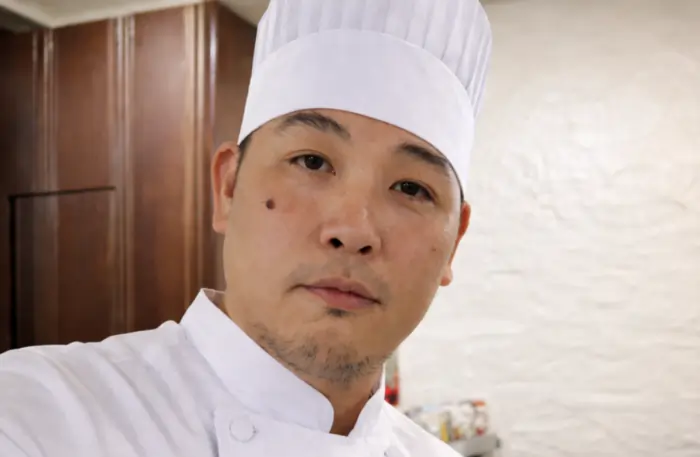
Chef Juan Gadi brings the heart of Filipino hospitality to Ubud, Bali. As an Executive Chef and consultant, he specializes in creating intimate, curated dining experiences that tell a story through every dish. Whether leading the kitchen at Kilig Filipino Warung or hosting a private villa dinner, Chef Juan’s approach is defined by warmth, modern technique, and a commitment to culinary excellence.