Why Simple Dining Moments Often Become the Most Meaningful Key Takeaways
Why Simple Dining Moments Often Become the Most Meaningful is a truth that surfaces again and again for travelers who step off the main road and into the heart of a culture.
- Why Simple Dining Moments Often Become the Most Meaningful when traveling because they strip away pretense and let the story of a place unfold.
- Shared meals, especially those cooked by local families, create lasting bonds and vivid travel memories that outshine any fine-dining checklist.
- In Bali food experiences particularly, the act of eating becomes a doorway to cultural immersion, where every bite tells a story of land, tradition, and hospitality.
The Warung That Changed My Understanding of Hospitality
I remember the first time I stepped into a small, unassuming warung on a side street in Ubud. The sun was beginning to set, casting a golden glow over the simple wooden tables. A grandmother was peeling turmeric in the back, her hands moving with the rhythm of decades. She didn’t speak English, but she smiled and gestured for me to sit. Within minutes, a bowl of traditional Balinese dishes appeared before me: lawar, babi guling, and a steaming portion of nasi campur. There was no menu, no pricing, no fuss.
That evening, sitting on a worn bench with the scent of clove and lemongrass in the air, I understood something profound. Why Simple Dining Moments Often Become the Most Meaningful is because they require nothing from us except presence. That meal became one of my most cherished travel memories, not because of the complexity of the cooking, but because of the genuine human connection. As a chef, I have prepared elaborate tasting menus, but the lessons I carry closest to my heart come from those humble warungs. For a related guide, see How Bali Experiences Become Cherished Memories.
Understanding Why Simple Dining Moments Become the Most Meaningful While Traveling
Why do simple dining moments become the most meaningful while traveling? The answer lies in the intersection of vulnerability, curiosity, and authenticity. When we step out of our comfort zone and into a local warungs or a street-side stall, we open ourselves to the unexpected. We become participants in a story, not just observers.
The Power of Everyday Meals in Shaping Travel Memories
How do everyday meals create lasting travel memories? It starts with the senses. The sound of sizzling woks, the steam rising from a bowl of broth, the laughter of a family celebrating a quiet Tuesday dinner—these details embed themselves in our memory far deeper than any itinerary. When you eat at a family owned restaurants in a village in Bali, you aren’t just tasting food; you are tasting the love and history of that family. The authentic flavors become anchors for entire experiences. Years later, the smell of lemongrass can transport you back to that moment of connection.
Local Restaurants vs. Luxury Dining: Where True Connection Lives
What makes local restaurants more memorable than luxury dining? In fine dining, the focus is often on perfection—perfect plating, perfect temperature, perfect service. While impressive, this perfection can create distance. In a local warungs or a street food cart, the focus is on sharing. The cook might tell you how their grandmother taught them the recipe. The vegetables might come from a neighbor’s farm. You are invited into the story of the dish. This is why meaningful dining experiences often feel so much richer when you are sitting on a plastic stool under a Banyan tree than in a Michelin-starred restaurant.
How Authentic Food Deepens Cultural Connections
Why does authentic food strengthen cultural connections? Because food is culture. When you eat Balinese cuisine prepared by a local family, you are tasting the geography, the religion, and the history of the island. Traditional Balinese dishes like bebek betutu or sate lilit are not just recipes; they are ceremonial practices, seasonal celebrations, and expressions of gratitude. By engaging with this food, you are engaging with the soul of the people.
Shared Meals as the Foundation of Deeper Travel
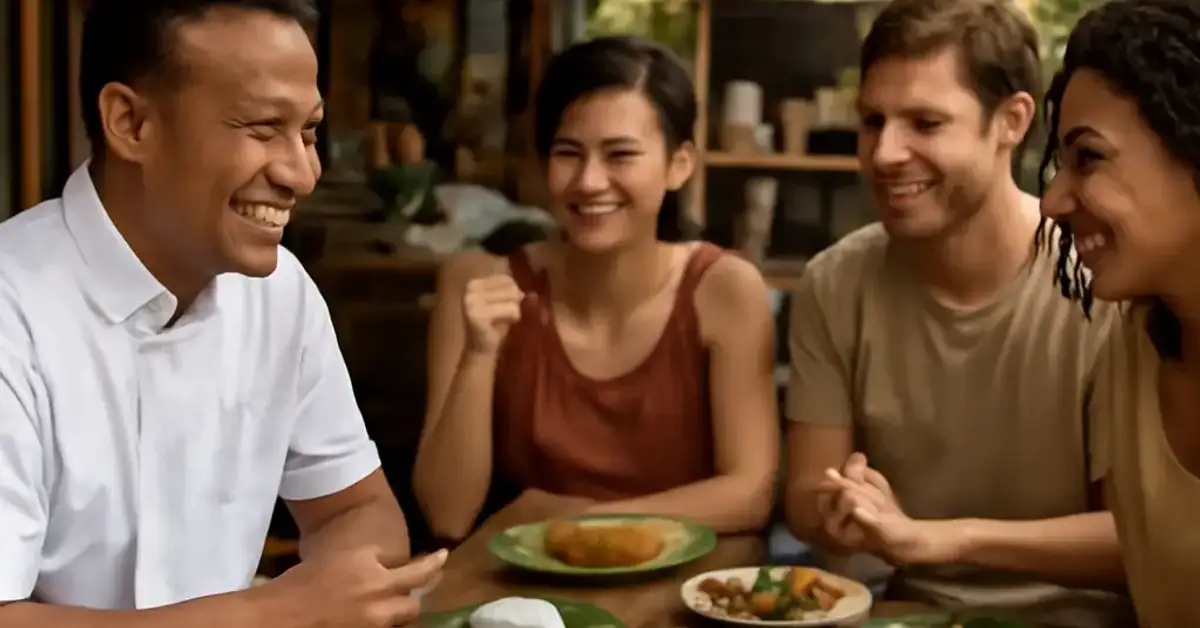
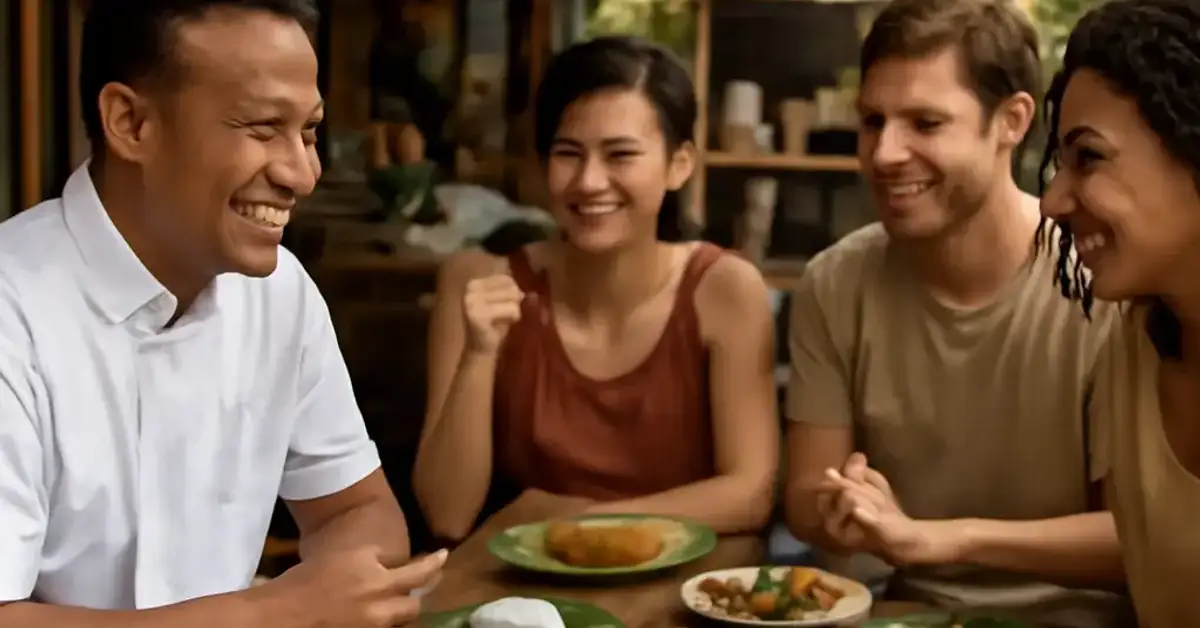
How do shared meals improve the travel experience? Shared meals break down barriers. In Bali, the tradition of “ngayah”—community cooperation—often extends to food. When you join a local family for a meal, you are no longer a tourist; you are a guest. These shared experiences foster genuine conversations, laughter, and understanding. I have seen solo travelers become lifelong friends over a shared plate of nasi goreng. The act of eating together creates a bond that transcends language and culture. For a related guide, see How Genuine Hospitality Creates Lasting Memories in Bali.
The Role of Local Traditions in Creating Meaningful Dining
What role do local traditions play in meaningful dining experiences? Traditions are the heartbeat of authentic dining. In Bali, food is often part of a larger ritual—offerings made to the gods, harvest celebrations, or community feasts. To understand the food is to understand the rhythm of life on the island. When travelers participate in these traditions, even something as simple as a morning market visit becomes a form of cultural immersion.
Practical Ways to Discover Authentic Dining in Bali
For travelers seeking authentic dining experiences, the path is not in a guidebook. It is in the willingness to wander and the openness to say “yes” to an invitation. Here are practical, time-tested ways to find those unforgettable meals.
Explore Local Warungs and Family-Owned Restaurants
Local warungs and family owned restaurants offer the most direct access to authentic flavors. These establishments often use recipes passed down through generations. In Ubud, I always recommend looking for warungs that are busy with local workers. That is the sign of a place that values honest food. Village cuisine in Bali often relies on farm to table dining practices long before the term became trendy. The ingredients are fresh, seasonal, and full of flavor.
Join Cooking Classes and Food Tours
Are food tours and cooking classes worth adding to a Bali itinerary? Absolutely. A cooking class is not just about learning to make nasi goreng. It is about walking through a local market with a local chefs, learning how to choose the freshest turmeric, and understanding the spiritual significance of certain ingredients. Food tours connect travelers with street food vendors, hidden food gems, and seafood specialties that might otherwise be missed. These experiences turn a tourist into a temporary local.
Embrace Street Food and Village Gatherings
Some of the best culinary adventures I have ever had came from following my nose. Street food stalls in Bali are vibrant, chaotic, and incredibly rewarding. Southeast Asian cuisine shines in its street food—the balance of sweet, salty, sour, and spicy. Look for stalls that specialize in one thing—a single dish done well—and you have struck gold. Similarly, if you are invited to a village gathering, go. Those spontaneous shared meals become the stories you tell for years.
When the Simplest Meals Leave the Biggest Impression
Why do the simplest meals often leave the biggest impression? Because simplicity invites us to focus on what truly matters: the company, the place, and the moment. A plate of traditional Balinese dishes eaten under a thatched roof becomes a meditation on gratitude. When there is no distraction—no menu to analyze, no wine list to decode—we are free to connect with the experience itself. As Chef Juan Gadi, I have seen this again and again in the private villa dinners I host. The most talked-about dishes are often the most straightforward, made with the freshest local ingredients and served with genuine hospitality.
The Art of Seeking Authentic Local Experiences
How can travelers discover authentic local dining experiences? Start by putting away the phone and following the smells. Talk to locals—shopkeepers, drivers, market vendors. Ask them where they eat. Be willing to be the only tourist in a room. Look for places that don’t have an Instagram-worthy facade but have a line of locals out the door. That patience leads to the most authentic local cuisine.
Building a Deeper Connection With a Destination Through Food
How does food help travelers build a deeper connection with a destination? Food is the most direct sensory entry point into a culture. When you eat what the locals eat, you share their daily reality. You taste the climate, the soil, and the history. In Bali, food culture is inseparable from spirituality. By engaging with this food, you are engaging with the island’s soul. That is why destination dining becomes a form of cultural immersion. It transforms a trip into a pilgrimage of taste and understanding.
A Checklist for Mindful Eating on the Road
| Practice | Why It Matters | How to Do It |
|---|---|---|
| Eat at busy local warungs | Ensures fresh, authentic food with community trust | Look for breakfast and lunch crowds |
| Choose seasonal ingredients | Supports sustainable dining and local farmers | Ask what is in season at the market |
| Join a cooking class | Deepens understanding of culinary heritage | Book with local families, not large resorts |
| Try street food | Access to hidden food gems and authentic flavors | Choose stalls with high turnover |
| Share a meal with strangers | Creates shared experiences and travel inspiration | Accept dinner invitations from locals |
| Document with intention | Enhances travel photography and reflection | Take one photo, then put the camera away |
| Practice responsible tourism | Respects cultural traditions and supports local chefs | Eat at places that source locally and sustainably |
Advanced Tips for the Conscious Food Traveler
For those who want to go deeper, consider the concept of culinary tourism as a practice of responsible tourism. Seek out farm to table dining experiences where the chef can tell you the name of the farmer. Engage with local chefs who are preserving family recipes and cultural traditions. In Bali, I encourage travelers to also explore seafood specialties from coastal villages, where the catch of the day is prepared with methods passed down through generations.
Travel storytelling becomes richer when you can describe not just what you ate, but the story behind it. The authentic hospitality of a Balinese family who welcomed you into their home for a meal is a story worth telling. These unforgettable meals become the heart of your travel reflections.
Useful Resources
For more on meaningful dining experiences and culinary tourism, explore these trusted sources:
- World Food Travel Association — insights on authentic culinary travel
- Eataly Magazine — the value of authentic dining experiences
Frequently Asked Questions About Why Simple Dining Moments Often Become the Most Meaningful
Why do simple dining moments become the most meaningful while traveling?
Simple dining moments become the most meaningful because they strip away pretense and allow travelers to connect directly with local culture, family, and authentic flavors. In places like Bali, a humble meal at a warung often carries more emotional weight than a fine dining experience because it involves genuine human connection. For a related guide, see How Human Connection Shapes the Bali Experience.
How do everyday meals create lasting travel memories?
Everyday meals create lasting memories by engaging all senses—the smell of spices, the taste of fresh ingredients, the sound of sizzling woks, and the warmth of a host’s smile. These sensory anchors make the experience unforgettable and deeply personal.
What makes local restaurants more memorable than luxury dining?
Local restaurants offer authenticity, story, and vulnerability. Unlike luxury dining, where perfection can create distance, local eateries invite you into the cook’s world, often using family recipes and fresh local ingredients that create a genuine connection.
Why does authentic food strengthen cultural connections?
Authentic food is a direct expression of culture—geography, climate, religion, and history are all tasted in a single dish. When you eat traditional Balinese food, you are participating in the island’s heritage, which builds a deeper, more respectful cultural connection.
How do shared meals improve the travel experience?
Shared meals break down barriers and foster genuine human connection. Eating with locals turns you from a tourist into a guest, encouraging conversation, laughter, and understanding that no guided tour can replicate.
What role do local traditions play in meaningful dining experiences ?
Local traditions give food its deeper meaning. In Bali, meals are often tied to rituals, offerings, and community feasts. Understanding these traditions transforms dining from a transactional activity into a meaningful form of cultural immersion.
Are food tours and cooking classes worth adding to a Bali itinerary?
Yes, food tours and cooking classes are highly valuable. They provide structured ways to explore local markets, learn about Balinese ingredients, and cook traditional dishes with guidance from local chefs, turning passive observation into active participation.
How can travelers discover authentic local dining experiences?
Travelers can discover authentic dining by talking to locals, following the smells of street food, eating at busy warungs, and being open to spontaneous invitations. Avoid places that cater mainly to tourists and seek out family-owned establishments.
Why do the simplest meals often leave the biggest impression?
Simple meals leave big impressions because they remove distractions and allow you to focus on the essence of the experience—the food, the people, and the moment. Without a formal setting, the connection becomes more intimate and memorable.
How does food help travelers build a deeper connection with a destination?
Food is a direct sensory entry point into a place. By eating local ingredients and traditional dishes, travelers taste the soil, climate, and culture. This sensory understanding creates an emotional bond with the destination, turning a visit into a meaningful journey.
What is a warung and why should I try one?
A warung is a small, family-owned eatery in Indonesia, serving home-cooked meals at low prices. Warungs are essential for authentic dining because they offer traditional Balinese dishes made from family recipes, providing a genuine taste of local life.
How can I find hidden food gems in Bali?
Hidden food gems are often found by walking away from main tourist streets, asking local taxi drivers for their recommendations, and looking for places with long queues of local customers. Late afternoon and early evening are prime times for discovering street food stalls.
Is street food safe to eat in Bali?
Yes, street food in Bali is generally safe when you choose busy stalls with high turnover of fresh ingredients. Look for vendors who cook everything to order and keep their ingredients properly chilled. Your stomach will adjust as you explore.
What is the most authentic Balinese dish to try?
Babi guling (suckling pig) is often considered the most iconic Balinese dish, especially when prepared for ceremonies. For a daily staple, nasi campur (mixed rice with small portions of various sides) offers a wonderful introduction to local cuisine.
How can I support sustainable dining while traveling?
Support sustainable dining by eating at farm-to-table restaurants, choosing seasonal ingredients, avoiding single-use plastics, and patronizing establishments that source from local farmers and fishermen. This supports the local economy and preserves culinary heritage.
What is the best time for a food tour in Ubud?
Early morning market tours are ideal because they let you see ingredients at their freshest and avoid the heat. Many cooking classes also start with a market walk, making it a comprehensive experience that combines shopping, learning, and eating.
Can I take a cooking class if I have dietary restrictions?
Yes, many cooking classes in Bali accommodate dietary restrictions if you inform them in advance. Vegetarian, vegan, and gluten-free options are increasingly available, especially in Ubud where health-conscious culture is strong.
How do I avoid overpaying at local warungs?
Check menu boards for prices before sitting down, observe what locals pay, and avoid eating at warungs that have no Indonesian customers. A bowl of nasi campur should cost between 15,000 and 30,000 IDR depending on location.
What should I bring to a cooking class?
Bring comfortable closed-toe shoes, a hat for market visits, a notebook if you want to record recipes, and an appetite. Most classes provide all ingredients and equipment. A small bag for any leftovers is a nice idea.
How do I create my own simple dining experience at home after traveling?
Recreate the magic by sourcing fresh local ingredients, cooking simple traditional dishes, and eating with friends or family without distractions. The key is replicating the minimalism and genuine hospitality you experienced, focusing on connection rather than complexity.
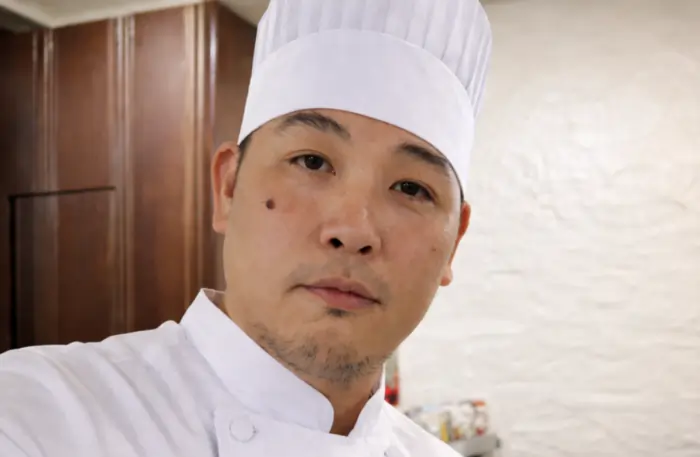
Chef Juan Gadi brings the heart of Filipino hospitality to Ubud, Bali. As an Executive Chef and consultant, he specializes in creating intimate, curated dining experiences that tell a story through every dish. Whether leading the kitchen at Kilig Filipino Warung or hosting a private villa dinner, Chef Juan’s approach is defined by warmth, modern technique, and a commitment to culinary excellence.