Why Banana Leaves Remain Important in Filipino Dining Traditions Key Takeaways
Banana leaves are far more than a rustic plate in the Philippines — they are a living thread that ties together flavor, ritual, and community.
- Why banana leaves remain important in Filipino dining traditions because they infuse food with a subtle, smoky aroma and act as a natural, biodegradable plate.
- Filipino dining traditions honor community through kamayan (eating with hands) and boodle fight , both traditionally served on banana leaves to encourage sharing and connection.
- Modern chefs like Juan Gadi are reviving this heritage, proving that banana leaves are both a sustainable packaging solution and a symbol of authentic Filipino food culture .

What Makes Banana Leaves So Essential in Filipino Dining Traditions
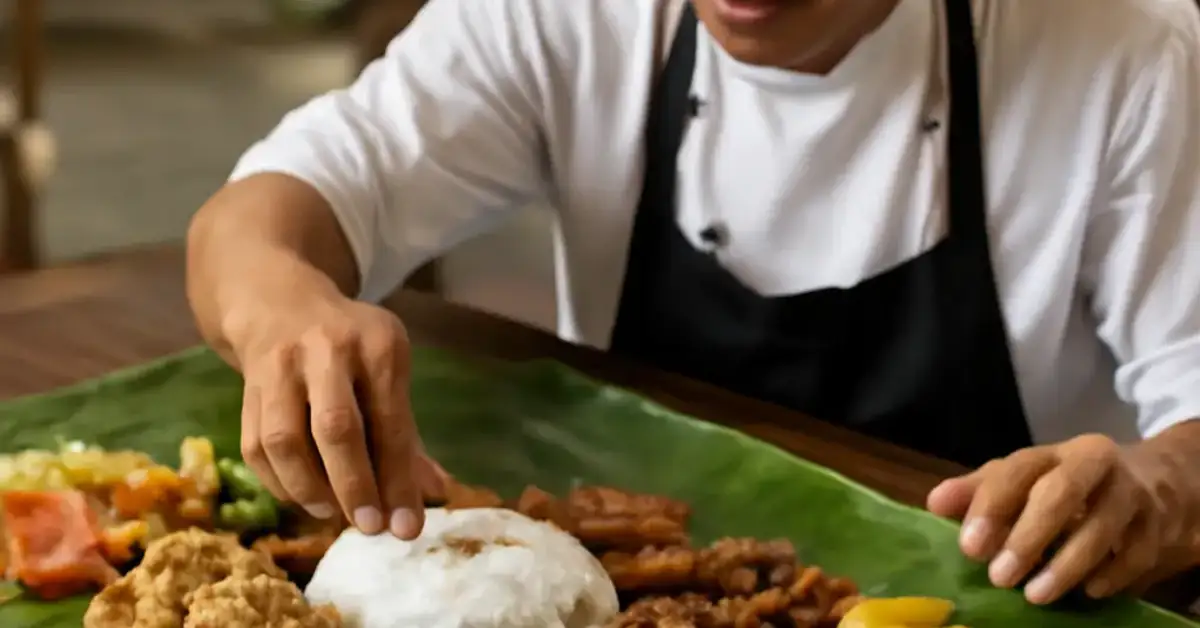
Picture a long table covered in fresh, fragrant banana leaves. At the center, mountains of garlic rice, grilled skewers of inihaw dishes, and vinegary dipping bowls wait. There are no plates, no forks — just hands reaching in, laughter, and the earthy scent of the leaves mingling with the smoke of the grill. This is not a gimmick. It is a centuries-old practice rooted in indigenous practices and passed down through generations.
Banana leaves in Filipino dining serve multiple purposes. They release a gentle, grassy fragrance when warmed by hot food, they provide a non-stick surface, and they break down naturally after use — unlike plastic or paper plates. In a world increasingly aware of waste, this old habit feels surprisingly modern. From local markets in Manila to farm-to-table dining experiences in Bali, the leaf remains a beloved canvas for traditional Filipino cuisine.
The History Behind the Leaf: From Indigenous Practice to Symbol of Heritage
Long before the Spanish arrived, communities across the archipelago used banana leaves for cooking and serving. The leaf’s waxy surface could be folded into a pouch for steaming heritage recipes, or laid flat to hold sticky rice and grilled fish. This practice was not just practical; it was deeply connected to the land.
When Filipino fiestas emerged — blending pre-colonial traditions with Catholic celebrations — the banana leaf became the unsung hero of every feast. Families would line their dining tables with layers of leaves, and guests would sit together, eating from the same shared surface. That act of eating with your hands from a banana leaf, known as kamayan, is still one of the most powerful expressions of Filipino hospitality and communal dining.
How Banana Leaves Connect to Filipino Food Culture
Filipino food culture is built on sharing. A meal is rarely just about the food — it is about the people you share it with. The banana leaf reinforces this. Unlike individual plates, which separate diners, a leaf-lined table invites everyone to dig into the same heap of rice and grilled seafood. This creates an intimacy that is hard to replicate with Western-style place settings. For Filipinos abroad, the sight of a banana leaf often triggers a wave of nostalgia, pulling them back to childhood family gatherings where every Sunday lunch was a communal meal. For a related guide, see 10 Cultural Lessons Hidden in Traditional Filipino Meals.
Flavor, Aroma, and Presentation: The Sensory Power of Fresh Banana Leaves
One bite of rice meals served on a banana leaf and you will understand the difference. The leaf imparts a subtle, almost tea-like aroma that seeps into warm food. Grilled fish, especially inihaw dishes, becomes more fragrant when it rests on a leaf that has been lightly charred over an open flame. The visual contrast is equally important: the deep green of the leaf against the golden brown of fried fish or the bright red of tomato salsa creates an appetizing presentation that no ceramic plate can match.
Chef Juan Gadi, who brings the heart of Filipino hospitality to Ubud, Bali, says: “When I serve a private villa dinner on banana leaves, guests immediately lean in. The leaf changes the energy at the table. It says, ‘This is not just food; this is an experience.'” As an Executive Chef and consultant, Juan uses traditional serving methods to tell a story through every dish. For him, the banana leaf is a bridge between his Filipino roots and the global diners he welcomes. For a related guide, see 9 Ways Filipino Cuisine Connects People Across Cultures – Essential Insights.
Why Fresh Banana Leaves Are Preferred Over Dried Ones
While dried banana leaves are sometimes used for wrapping, fresh banana leaves are the gold standard for serving. They are pliable, vibrant, and release more aroma when they come into contact with hot food. A quick pass over an open flame makes them supple and brings out their natural sheen — a simple technique that transforms a meal into a feast for the eyes and the nose.
Kamayan vs. Boodle Fight: Understanding Two Beloved Traditions
Many people use the terms kamayan and boodle fight interchangeably, but they are distinct practices that both rely on banana leaf meals.
What Is Kamayan?
Kamayan literally means “by hand” in Tagalog. It is a style of eating that uses the hand as the primary utensil. Diners take a mound of rice, shape it with their fingers, and scoop up meat or vegetables. This tactile experience heightens the connection to the food. Traditionally, kamayan is done on a single banana leaf spread across the table, with all dishes arranged around the rice. It is a daily practice in many rural homes and a nostalgic ritual for urban Filipinos.
What Is a Boodle Fight?
A boodle fight is a more theatrical, communal feast. Originating from the Philippine military, it involves large groups eating together from a long table lined with banana leaves. All the food — rice, grilled meats, seafood, vegetables — is piled in the center, and everyone eats with their hands. There are no individual portions. The name “boodle fight” comes from the military slang for a shared meal, and it has become a popular event at Filipino celebrations and even in restaurants around the world.
The key difference is that kamayan is the general practice of eating with hands, while a boodle fight is a specific, festive format that encourages friendly competition and a lively atmosphere. Both are powerful examples of communal dining and Filipino hospitality.
Eco-Friendly Dining: Why Banana Leaves Are a Sustainable Choice
In an era of single-use plastics and overflowing landfills, banana leaves offer a return to sustainable dining. They are completely biodegradable and compostable, breaking down in days rather than centuries. Using them reduces the need for paper plates, plastic utensils, and Styrofoam containers. This aligns perfectly with sustainable food packaging movements and the growing demand for eco-friendly dining options.
For restaurants, adopting banana leaf service is a visible commitment to the environment. At Kilig Filipino Warung in Ubud, Chef Juan Gadi sources leaves from local farmers, shortening the supply chain and supporting the local economy. “It is not just about being traditional,” he explains. “It is about being responsible. Banana leaves are zero-waste. We compost them after the meal, and they return to the earth.”
The Role of Banana Leaves in Farm-to-Table Dining
Farm-to-table dining emphasizes fresh, local ingredients — and the banana leaf fits perfectly into that philosophy. Unlike imported tableware, banana leaves are grown and harvested locally in most tropical regions. They require no manufacturing, no packaging, and no shipping. This makes them a natural ally for chefs who prioritize local cuisine and authentic Filipino food.
How Modern Restaurants Are Bringing Back the Banana Leaf
In the Philippines and abroad, innovative chefs are rediscovering the leaf. High-end restaurants now use banana leaves as a base for tasting menus, while casual eateries serve rice meals and grilled seafood on them for an Instagram-worthy presentation. Cooking classes often teach participants how to wrap and steam heritage recipes like inihaw na isda (grilled fish) or sinigang (sour stew) in banana leaves to lock in moisture and flavor.
Travelers and cultural travelers seeking authentic flavors specifically look for restaurants that serve on banana leaves. It signals that the establishment respects culinary traditions and Filipino customs. Chef Juan Gadi’s private villa dinners in Bali often feature a multi-course meal laid out on banana leaves, paired with stories about each dish. “Guests want the story behind the food,” he says. “The banana leaf is part of that story.”
Banana Leaves in Filipino Fiestas and Family Celebrations
Filipino festivals and festive occasions would not be the same without banana leaves. During town fiestas, long tables are set up in the streets, covered in leaves, and loaded with regional specialties. Lechon (roasted pig), pancit (noodles), and bibingka (rice cake) are often served on or wrapped in banana leaves. The leaf even plays a role in the cooking process: many heritage recipes call for wrapping ingredients in banana leaves before steaming or grilling, which infuses the food with a subtle smokiness.
For family gatherings, the banana leaf is a symbol of abundance and generosity. When a grandmother lays out a banana leaf and piles it high with food, she is saying, “There is enough for everyone.” This act is a cornerstone of Filipino hospitality and cultural dining.
Local Markets and the Tradition of Wrapped Food
Walk through any local market in the Philippines, and you will see banana leaves used as natural wrappers for rice cakes, grilled fish, and even ice cream. Vendors fold the leaves into cones or parcels, tying them with string or a strip of coconut frond. This indigenous practice has survived modernization because it is practical, affordable, and deeply woven into the fabric of everyday Filipino food culture.
Useful Resources
Explore more about the cultural and culinary significance of banana leaves:
- The Culture of Banana Leaf Dining in the Philippines — Gastroeconomy
- Kamayan vs. Boodle Fight: What’s the Difference? — Spot.ph
Why banana leaves remain important in Filipino dining traditions is a story of resilience, community, and respect for nature. From the humblest home kitchen to a curated dining experience in Bali, the banana leaf continues to carry the warmth of Filipino hospitality and the richness of a Philippine food heritage that deserves to be celebrated. Whether you are sharing a boodle fight with friends or enjoying a quiet rice meal at a local market, remember that each leaf holds generations of tradition. For a related guide, see 8 Filipino Dining Customs Every Bali Traveler Should Know.
Frequently Asked Questions About Why Banana Leaves Remain Important in Filipino Dining Traditions
What is the significance of banana leaves in Filipino dining traditions?
Banana leaves are significant because they connect Filipinos to their pre-colonial roots, enhance the flavor and aroma of food, and symbolize the communal, generous spirit of Filipino hospitality. Using them is a continuation of indigenous practices that prioritize sharing and sustainability.
Why are banana leaves still used in Filipino meals today?
They are still widely used because they are affordable, biodegradable, and readily available in tropical regions. More importantly, they carry cultural meaning — serving food on banana leaves is a mark of respect for Filipino food culture and heritage food.
What is the difference between kamayan and boodle fight ?
Kamayan simply means eating with your hands, a daily practice in many Filipino homes. A boodle fight is a specific, festive communal feast where food is piled on banana leaves and everyone eats together, often in a lively, competitive manner.
How do banana leaves enhance the flavor and presentation of Filipino food?
When heated, banana leaves release a mild, earthy aroma that subtly infuses the food. They also provide a beautiful green backdrop that makes colorful dishes like grilled seafood and rice meals pop visually, elevating the overall dining experience.
What cultural traditions are associated with banana leaf dining?
Banana leaf dining is central to Filipino fiestas, family gatherings, and communal meals. It is also tied to the tradition of kamayan, where eating with hands is seen as a way to connect more deeply with the food and with each other.
Which Filipino dishes are commonly served on banana leaves ?
Many dishes are served on banana leaves, including inihaw dishes (grilled meats and fish), rice meals, grilled seafood, regional specialties like kinilaw (ceviche), and festive spreads during Filipino celebrations.
Are banana leaves an eco-friendly alternative to disposable plates?
Absolutely. Banana leaves are fully biodegradable, compostable, and require no manufacturing. They are a perfect example of sustainable dining and eco-friendly dining, reducing waste compared to paper or plastic plates.
How do restaurants incorporate banana leaves into modern Filipino dining experiences?
Innovative restaurants use banana leaves as serving plates for tasting menus, as wrappers for steaming, and as the base for boodle fight feasts. Chef Juan Gadi, for example, curates private villa dinners in Bali that feature multi-course banana leaf meals paired with storytelling about Filipino customs.
What role do banana leaves play during fiestas and family celebrations?
During Filipino fiestas and festive occasions, banana leaves are used to line long tables for communal feasts. They symbolize abundance and generosity, and they make cleanup simple — the leaves are simply composted after the meal.
Why do banana leaves remain an important symbol of Filipino hospitality , heritage, and communal dining ?
Because they represent the core values of Filipino hospitality — sharing, warmth, and connection to the land. Using banana leaves is a deliberate choice to honor heritage food and keep cultural traditions alive in a modern world.
Can banana leaves be used for cooking other cuisines?
Yes. Banana leaves are used across Southeast Asia for steaming and wrapping food. However, in the Philippines, they hold a unique cultural position as a symbol of communal dining and authentic Filipino food.
Are banana leaves safe for direct contact with food?
Yes. The leaves are thoroughly washed before use, and their natural waxy coating is food-safe. Many chefs lightly heat them to make them pliable and to enhance their natural aroma.
Where can I buy fresh banana leaves outside the Philippines?
Fresh banana leaves are often available at Asian grocery stores, local markets, and specialty produce shops. In many cities, you can also find frozen banana leaves that work well for steaming and wrapping.
How should I prepare banana leaves before using them for serving or cooking?
Wipe the leaves with a damp cloth to remove dust, then briefly pass them over a low flame or dip them in hot water. This softens the leaf and releases its natural oils, making it more flexible and aromatic.
Do banana leaves have any nutritional value?
Banana leaves are not meant to be eaten, so they do not provide nutrition. Their role is purely culinary — as a serving vessel and flavor enhancer for traditional Filipino cuisine.
What is the best way to dispose of used banana leaves ?
Compost them. Because they are fully biodegradable, banana leaves break down quickly and return nutrients to the soil. This makes them a perfect choice for sustainable food packaging.
Is eating from a banana leaf hygienic?
Yes, when properly cleaned and handled. Restaurants and home cooks follow strict hygiene practices, and the natural antimicrobial properties of the leaf actually help keep food safe.
What dishes should I try in a boodle fight for the first time?
Start with grilled seafood like prawns and squid, inihaw dishes such as pork belly skewers, and a mound of garlic rice. Pair them with vinegary dipping sauces to experience the full range of authentic flavors.
Can banana leaf dining be adapted for vegetarian or vegan meals?
Absolutely. A boodle fight can easily feature grilled vegetables, tofu, vegetable lumpia, and rice. The banana leaf is a neutral base that works beautifully with all kinds of local cuisine.
How can I experience authentic banana leaf dining outside the Philippines?
Look for Filipino restaurants that offer kamayan or boodle fight experiences. In Bali, Chef Juan Gadi hosts private villa dinners that showcase Filipino hospitality and traditional serving methods using fresh banana leaves.
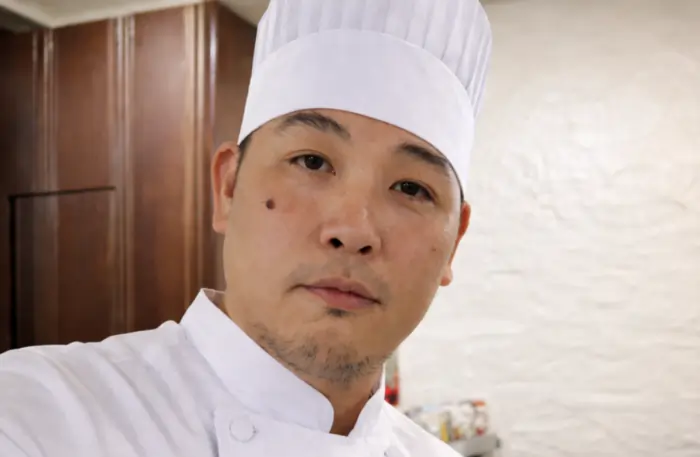
Chef Juan Gadi brings the heart of Filipino hospitality to Ubud, Bali. As an Executive Chef and consultant, he specializes in creating intimate, curated dining experiences that tell a story through every dish. Whether leading the kitchen at Kilig Filipino Warung or hosting a private villa dinner, Chef Juan’s approach is defined by warmth, modern technique, and a commitment to culinary excellence.