The History of Communal Dining in the Philippines Key Takeaways
The history of communal dining in the Philippines is a story of togetherness, resourcefulness, and deep cultural pride.
- The history of communal dining in the Philippines began long before Spanish colonization, rooted in the indigenous practice of eating with hands from shared banana leaves.
- Boodle fight meals, originally from the Philippine Military Academy, transformed into a nationwide symbol of camaraderie and egalitarian dining.
- Modern Filipino food culture continues to honor communal meals through fiestas, family gatherings, and culinary tourism experiences like kamayan dinners.
What Readers Should Know About The History of Communal Dining in the Philippines
When you sit down to a communal dining Philippines experience, you are not just eating—you are participating in a ritual that links you to generations of Filipino families, farmers, and warriors. The act of sharing food from a single table or banana leaf reflects Filipino hospitality (known as malasakit), a warmth that welcomes strangers as family. Understanding these traditions helps you appreciate the soul behind authentic Filipino food. For a related guide, see 8 Filipino Dining Customs Every Bali Traveler Should Know.
The Roots of Bayanihan and Shared Meals
The concept of bayanihan (communal unity) has shaped Philippine culinary history for centuries. In pre-colonial villages, harvest celebrations and ritual offerings were always group affairs. Neighbors would bring their best dishes—grilled fish, root crops, and wild greens—and lay them out on woven mats lined with banana leaves. This early form of communal meals was both a practical way to distribute food and a social act of bonding.
Why the Philippines Embraces Kamayan
Kamayan—which literally means “by hand” in Tagalog—is the oldest and most intimate Filipino dining tradition. Eating without utensils strips away pretense and forces everyone to slow down, connect, and share. The tactile experience of shaping rice with your fingers and scooping up stewed meat or vegetables is central to traditional Filipino cuisine. Historical records from early Spanish colonizers noted the practice with curiosity, describing how natives washed their hands before and after meals and used only their right hand for eating.
7 Essential Traditions in The History of Communal Dining in the Philippines
To truly grasp the history of communal dining in the Philippines, look at these seven defining practices. Each one reveals a different layer of Filipino food culture. For a related guide, see 12 Ways Filipino Food Shares the Story of the Philippines.
1. Kamayan: The Original Hand Feast
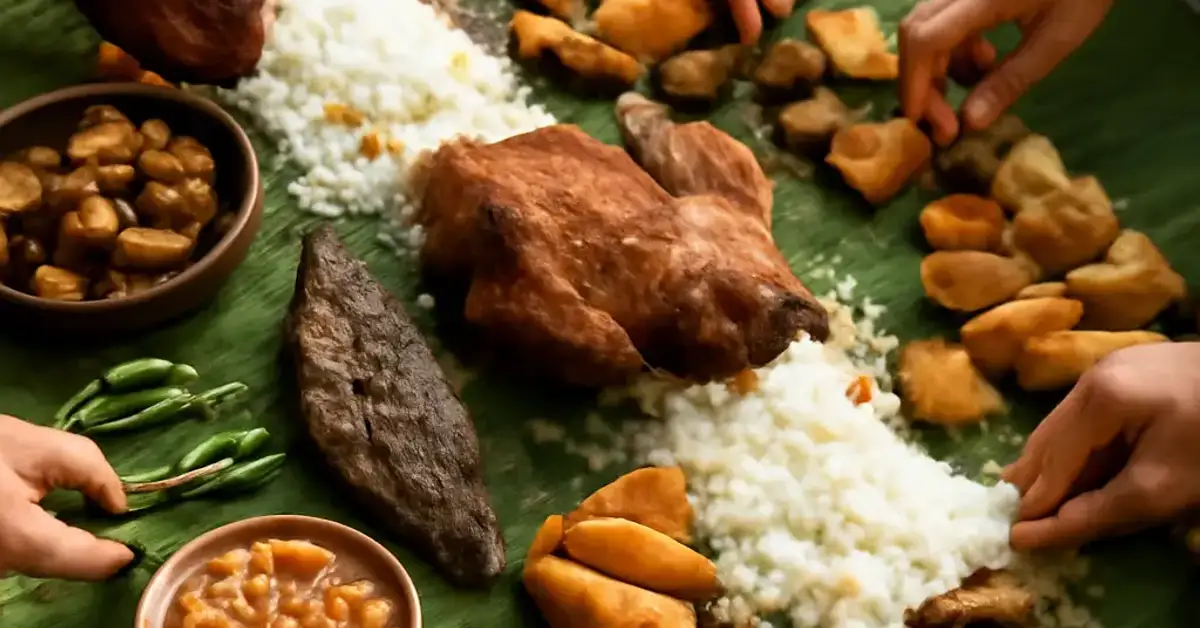
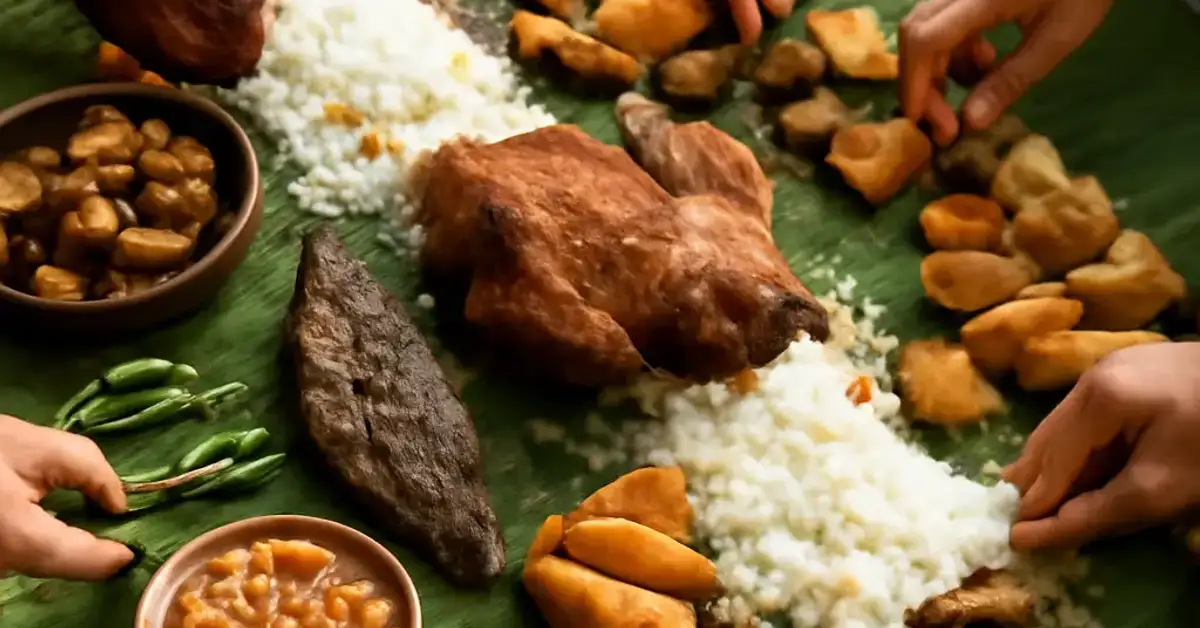
This centuries-old tradition remains the purest expression of communal dining Philippines. A long table is covered with banana leaves, and heaps of garlic rice, grilled seafood, roasted chicken, mango salsa, and crispy pork are arranged in the center. Diners gather around, wash their hands, and eat directly from the leaf. No plates, no forks—just hands and laughter. Today, many restaurants in Manila, Cebu, and Davao offer kamayan dinners specifically for tourists seeking heritage food experiences.
2. Boodle Fight: Military Camaraderie on a Table
The term boodle fight originated in the Philippine Military Academy (PMA) in Baguio. Cadets, after long drills, would eat together using the same kamayan style but with a military twist: food was laid out on a long mess table, and they ate quickly, often competitively, sharing everything. The word “boodle” means booty or loot, and the “fight” refers to the friendly scramble for the best pieces. Today, boodle fights are held at family reunions, company team buildings, and even weddings. The spirit is equal parts fun and sharing.
3. Fiestas: Town-Wide Celebrations of Abundance
Every Filipino town has its fiesta, honoring a patron saint with a grand feast. Filipino celebrations transform entire communities into open dining rooms. Homes open their doors to neighbors and strangers alike, offering dishes like lechon (roasted pig), pancit (noodles for long life), lumpia (spring rolls), and bibingka (rice cake). The tradition of pabanda—contributing food or money—ensures no one goes hungry. This deep-rooted Filipino hospitality is a cornerstone of Philippine food heritage.
4. Palayok and Bilao Dining
Serving food in a bilao (a flat woven bamboo basket) or a palayok (clay pot) reinforces the communal spirit. These vessels are designed to be shared. A bilao of bibingka or puto (rice cakes) passed around a table embodies the generosity in local cuisine. At festivals like Pahiyas in Lucban, Quezon, homes display their harvest in bilao as both decoration and offering.
5. Pulutan Culture: Drinking and Sharing Small Bites
In bars, carinderias, and homes across the archipelago, pulutan (finger foods served with alcohol) represents a more casual but deeply social form of communal meals. Grilled pork skewers, crispy chicharon, salted eggs with tomatoes, and sisig (chopped pork face) are passed around a circle of friends. The act of sharing small plates while drinking beer or rum encourages conversation and laughter.
6. Salu-salo: The Family Table
Salu-salo means “to eat together,” and it is the daily ritual of family dining in the Philippines. Even in busy modern households, the evening meal is a time to reconnect. Rice is always served from a single pot, and viands are placed in the center of the table for everyone to share. This practice teaches children the values of respect, generosity, and patience—waiting for elders to start before eating.
7. Culinary Tourism and Contemporary Kamayan Experiences
The rise of culinary tourism has introduced authentic Filipino food traditions to a global audience. Tourists now book kamayan dinners in Siargao, join boodle fights in Bohol, or attend fiestas in Pampanga. Cooking classes often begin with a trip to the market and end with a shared meal. This modern revival ensures that the history of communal dining in the Philippines remains alive for future generations.
How Boodle Fight Evolved from Military Mess to National Icon
The transformation of the boodle fight from a practical military meal to a beloved Filipino dining tradition is one of the most fascinating chapters in Philippine culinary history. At the PMA, cadets used banana leaves to serve rice, grilled fish, fried chicken, and vegetables. Because cadets were always in a hurry, the meal became a competitive yet cooperative event. Over time, civilians adopted the style, especially during reunions and parties. Today, restaurants across the country offer set menus literally called “Boodle Fights,” complete with grilled seafood, fresh fruits, and sauces.
Step-by-Step: How to Set Up an Authentic Boodle Fight at Home
If you want to host your own boodle fight, follow this simple process inspired by the history of communal dining in the Philippines.
Step 1: Prepare the table. Cover a long table with several layers of banana leaves. If unavailable, use parchment paper or large palm leaves.
Step 2: Cook the rice. Garlic fried rice is traditional, but plain steamed rice also works. Spread it in a thin layer across the center of the table.
Step 3: Arrange the viands. Place grilled fish or chicken, roasted pork, sautéed vegetables, fresh tomatoes, salted eggs, and pickled papaya (atchara) on the rice. Keep the dishes close enough that everyone can reach.
Step 4: Add dipping sauces. Provide small bowls of soy sauce with calamansi (Filipino lime), spicy vinegar, and fish sauce (patis).
Step 5: Set the rules. Everyone must wash their hands first. The only rule is that you can only eat with your right hand (the left is considered unclean). Eat quickly, share generously, and enjoy happily.
Common Misconceptions About Kamayan and Boodle Fight
Novices often assume that eating with hands is unsanitary or that the boodle fight is a chaotic free-for-all. In reality, both practices are highly disciplined. Hands are thoroughly washed before and after. Food is arranged neatly, and everyone takes only what they need. The history of communal dining in the Philippines shows that these traditions emphasize respect—for the food, the table, and the company.
Why Eating with Hands Is More Hygienic Than You Think
Many cultural dining experts note that eating with your hands engages the sense of touch, which stimulates digestion. Traditional Filipino belief holds that food tastes better when eaten by hand because you feel the texture and temperature before it enters your mouth. Proper etiquette requires using only the fingertips, not the whole palm, and never licking your fingers directly (use water or a napkin).
Optimization Tips for Experiencing Communal Dining as a Traveler
For those interested in culinary tourism and authentic Filipino food, here are practical tips to make the most of your journey into Filipino dining traditions.
- Join a guided food tour. Cities like Manila, Iloilo, and Davao offer walking tours that include visits to local markets and kamayan dinners. Guides explain the Philippine food heritage behind each dish.
- Attend a fiesta. Check local calendars for town fiestas; these are the best opportunities to taste traditional Filipino cuisine in its most authentic context. Just walk in and say hello.
- Go to a carinderia. These small eateries serve home-style communal meals. You can point at the dishes you want, and the owner will serve you a portion. Eat alongside locals.
- Book a kamayan dinner in advance. Popular restaurants like Barrio Fiesta, Locavore, and Dampa offer curated kamayan experiences that are perfect for first-timers.
- Respect the etiquette. Never refuse food when offered; it is considered rude. If you are a guest, bring a small gift or offer to help clean up afterward.
The Role of Food in Filipino Celebrations and Family Life
In Filipino food culture, food is never just fuel. It is a language of love. Filipino celebrations—birthdays, baptisms, weddings, Christmas, and even funerals—revolve around shared dishes. The noche buena (Christmas Eve dinner) and media noche (New Year’s Eve midnight meal) feature elaborate spreads that family members prepare together. These communal meals strengthen bonds and preserve cultural dining practices across generations.
Useful Resources
For more in-depth exploration of Philippine culinary history and Filipino dining traditions, visit these resources:
- Filipino Food Culture: A Complete Guide — A comprehensive overview of regional cuisines, cooking methods, and dining etiquette.
- Philippine Culinary Heritage on Foodpanda Magazine — A well-researched article on the evolution of Filipino cuisine, including kamayan and boodle fight traditions.
Frequently Asked Questions About The History of Communal Dining in the Philippines
What is the history of communal dining in the Philippines?
The history of communal dining in the Philippines dates back to pre-colonial times when indigenous communities gathered to share harvest feasts on banana leaves. Over centuries, this practice evolved into kamayan, boodle fights, fiestas, and everyday family salu-salo.
What is a boodle fight in the Philippines?
A boodle fight is a communal dining style inspired by the Philippine Military Academy, where food is arranged on a long table covered with banana leaves. Everyone eats with their hands, sharing the spread equally.
Is kamayan the same as boodle fight ?
No. Kamayan is the general practice of eating with hands, often on banana leaves. A boodle fight is a specific military-origin tradition that uses the kamayan style but emphasizes speed, camaraderie, and a single long table.
Why do Filipinos eat with their hands?
Eating with hands is a Filipino dining tradition rooted in the belief that food tastes better when you feel its texture. It also symbolizes humility and equality at the table.
What foods are served in a traditional boodle fight ?
Typical dishes include garlic fried rice, grilled fish or chicken, roasted pork, fresh tomatoes, salted eggs, and dipping sauces like spicy vinegar and soy-calamansi.
Do Filipinos always eat with their hands?
No. While kamayan is popular during special occasions, most everyday meals are eaten with a spoon and fork. The fork is held in the left hand to push food onto the spoon in the right hand.
What is the etiquette for kamayan ?
Always wash your hands before and after eating. Use only your right hand. Do not double-dip or take food that you have already touched. Eat immediately, and avoid wasting food.
Where can tourists experience communal dining in the Philippines?
Manila, Cebu, Siargao, Bohol, Baguio, and Pampanga offer kamayan or boodle fight dinners at restaurants like Barrio Fiesta, Locavore, and Dampa. Many food tours also include this experience.
What is a Filipino fiesta?
A fiesta is a town-wide celebration honoring a patron saint, featuring open houses, street food, parades, and an abundant spread of traditional Filipino cuisine shared with the whole community.
What is the significance of banana leaves in Filipino dining?
Banana leaves are natural, biodegradable, and impart a subtle earthy aroma to the food. They are used as plates or liners in communal dining Philippines to keep dishes warm and add a traditional touch.
How did the boodle fight become popular outside the military?
After World War II, former cadets brought the tradition to their families and communities. It soon spread as a fun, low-cost way to feed large groups and became a staple at company outings and parties.
Is it okay to use utensils during a boodle fight ?
Traditionalists prefer eating with hands, but modern boodle fights often provide spoons and forks for those who are not comfortable. The essence is sharing, not strict formality.
What is salu-salo?
Salu-salo means “to eat together” and refers to the daily family meal in Filipino food culture. It is the most common form of communal meals in homes.
What is pulutan?
Pulutan are finger foods served with alcoholic drinks, typically shared among friends. Examples include sisig, chicharon, and grilled skewers. It is a casual but important Filipino dining tradition.
Are boodle fights only for large groups?
Not necessarily. You can have a small boodle fight for a family of four; just scale down the portions. The spirit of sharing remains the same.
What does kamayan mean?
Kamayan is a Tagalog word meaning “by hand.” It refers to eating directly with your fingers, usually from a banana leaf spread.
How is Filipino hospitality expressed through food?
Filipino hospitality is expressed by offering the best food to guests, insisting they eat more, and refusing payment if they offer. Hosts often prepare extra dishes in Filipino celebrations to ensure abundance.
What is the role of rice in communal meals ?
Rice is the center of every traditional Filipino cuisine meal. It is served from a single pot and shared. Rice symbolizes sustenance and togetherness.
Can I host a boodle fight for a vegan group?
Yes. Use vegetable fried rice, grilled tofu, fresh salads, pickled vegetables, and fruit salsas. The format works for any diet.
Is the history of communal dining in the Philippines still alive today?
Absolutely. Kamayan and boodle fights are more popular than ever thanks to culinary tourism and social media. The history of communal dining in the Philippines continues to inspire new generations.
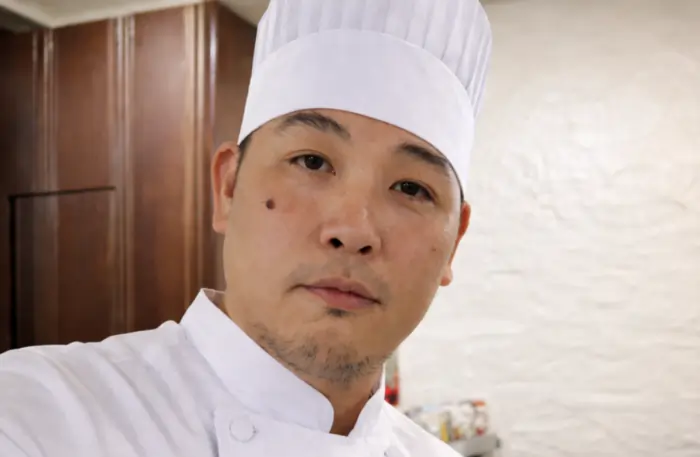
Chef Juan Gadi brings the heart of Filipino hospitality to Ubud, Bali. As an Executive Chef and consultant, he specializes in creating intimate, curated dining experiences that tell a story through every dish. Whether leading the kitchen at Kilig Filipino Warung or hosting a private villa dinner, Chef Juan’s approach is defined by warmth, modern technique, and a commitment to culinary excellence.