Food Markets in Bali Every Traveler Should Experience Key Takeaways
Bali has long been celebrated for its terraced rice paddies, ancient temples, and warm hospitality.
- Food markets in Bali every traveler should experience range from buzzing nightly bazaars to daytime produce hubs, each offering a unique taste of island life.
- Authentic Balinese street food, seasonal tropical fruits, traditional desserts, and fresh seafood define the market scene, with Gianyar Night Market and Jimbaran Fish Market topping the list.
- Visiting these Bali local markets at the right time—early morning for seafood, late evening for street food—ensures the freshest ingredients and the most memorable Bali culinary experiences .
Why Food Markets in Bali Every Traveler Should Experience Are the Heart of Island Flavor
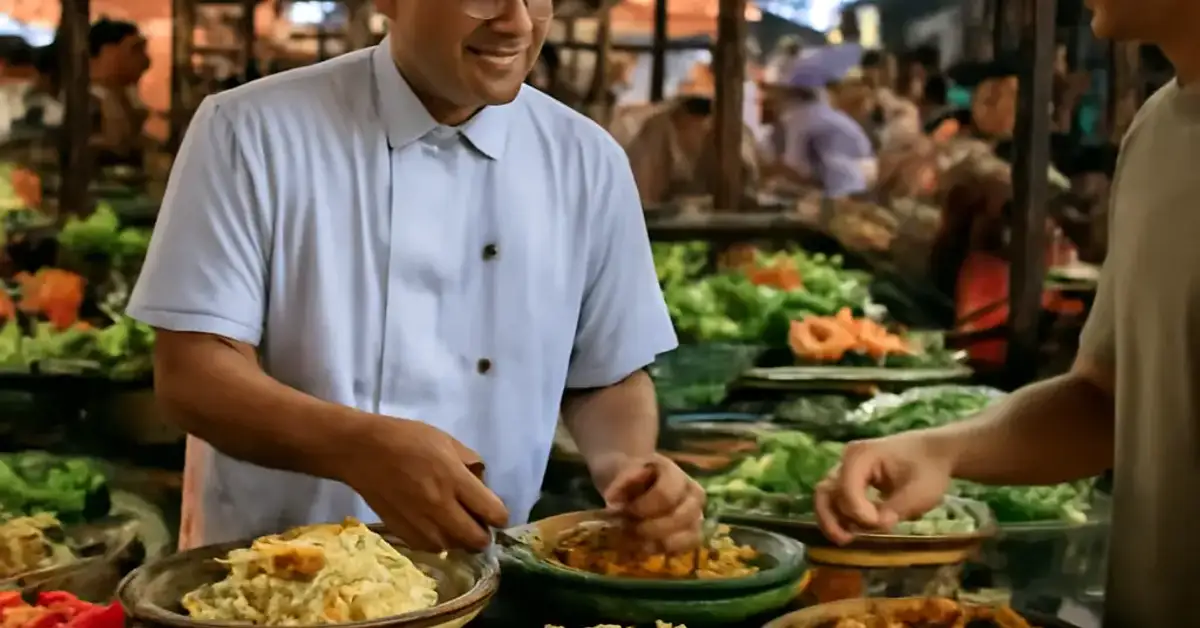
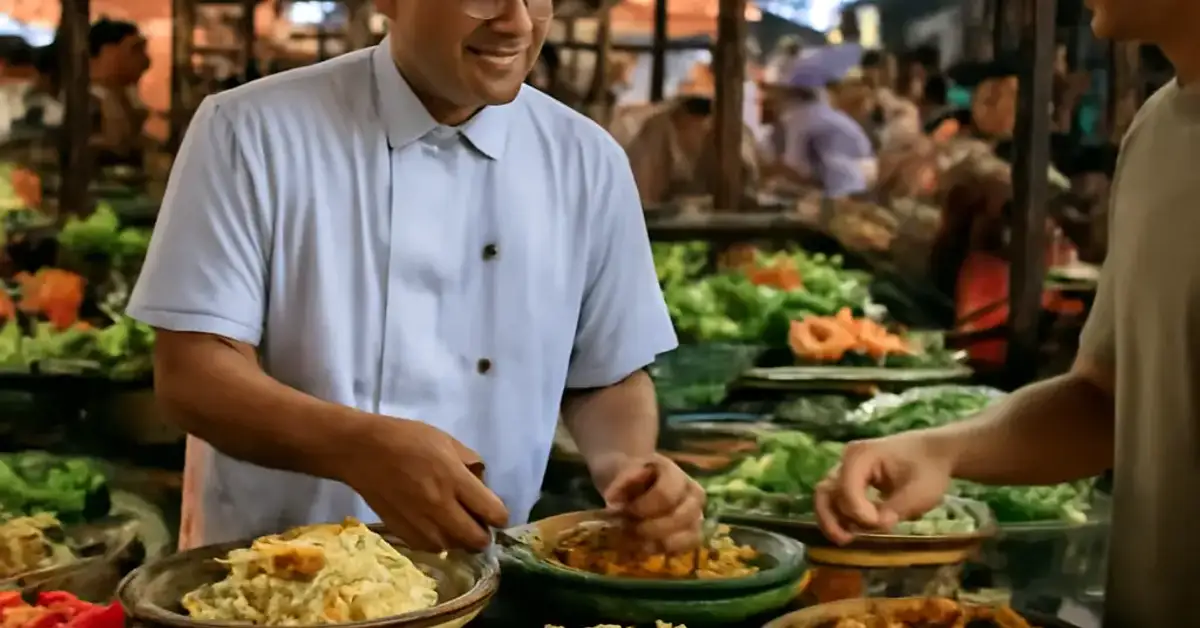
Bali has long been celebrated for its terraced rice paddies, ancient temples, and warm hospitality. But for those who truly want to understand the island, the traditional markets in Bali offer something even more intimate: a direct connection to the land and its people. As an Executive Chef who has spent years sourcing ingredients and cooking across Southeast Asia, I can tell you that the Bali food markets are where the real stories begin. Every spice, every grilled satay, every hand-rolled dessert tells you something about the culture, the season, and the community that gathers there. For a related guide, see Why Bali Remains a Favorite Destination for Food Lovers.
Whether you are exploring Ubud Art Market for artisan products or wandering the aisles of Badung Market for local spices, these spaces are immersive classrooms in Bali cuisine. They are also where travelers can taste authentic Bali food at its most honest—no tourist menus, no pretense, just generations of Balinese street food tradition served on a banana leaf. For a related guide, see Exploring Bali’s Culinary Neighborhoods Beyond the Tourist Trail.
This Bali market guide covers ten essential markets that embody everything from early-morning produce trading to late-night culinary tourism. Whether you are a first-time visitor or a returning traveler, these food markets in Bali every traveler should experience will deepen your appreciation for Bali dining and Bali food tourism.
1. Gianyar Night Market – The Unmissable Night Bazaar
If you have time for only one night market, make it Gianyar Night Market. Located in the regency capital east of Ubud, this market is revered by locals and chefs alike for its sheer variety and quality. Stalls line the main square, each one glowing with charcoal fires and hanging lights.
What to Eat at Gianyar Night Market
The Balinese street food here is legendary. Start with babi guling (suckling pig) from one of the veteran vendors—crispy skin, tender meat, and a melange of local spices that lingers. Then try sate lilit, minced fish or chicken mixed with coconut and lemongrass, grilled on bamboo sticks. For a sweet finish, look for traditional desserts like pisang rai (steamed banana in rice flour) drizzled with palm sugar syrup.
Practical Tips for Gianyar Night Market
Best time to visit: Arrive around 6 p.m. when vendors are fully set up and the crowd is lively but not overwhelming. Bring small bills; most food stalls prefer cash. Grab a plastic stool, point at what looks good, and eat with your hands—locals do. This is one of the food markets in Bali every traveler should experience for an authentic evening out.
2. Badung Market – Denpasar’s Traditional Food Hub
Badung Market is the largest traditional market in Bali, a multi-story maze of produce, spices, meat, and snacks located in the heart of Denpasar. It operates from early morning until late afternoon, serving both household cooks and warung owners across the island.
What to Eat at Badung Market
Head to the ground floor for tropical fruits—mangosteens, snake fruit (salak), rambutan, and the infamous durian. Upstairs, the local snacks section offers traditional desserts such as klepon (glutinous rice balls with palm sugar filling) and dadar gulung (green coconut crepes). The authentic Balinese cuisine on display includes ready-to-eat lawar (spiced minced meat with coconut) and urutan (Balinese sausages).
Practical Tips for Badung Market
Best time to visit: 6 a.m. to 9 a.m. for the freshest produce and least crowded aisles. Wear closed-toe shoes—the floors can be wet from ice melt and fish cleaning. This is a working market, not a tourist attraction, so respect the vendors and ask permission before taking photos. It is a cornerstone of Bali food tourism and Bali market guide essentials.
3. Ubud Art Market – Where Culture Meets Culinary Souvenirs
While Ubud Art Market is best known for paintings, sarongs, and handicrafts, it also offers a surprising array of local food and artisan products. Located across from the Ubud Palace, this market runs daily and attracts both cultural dining seekers and souvenir hunters.
What to Eat at Ubud Art Market
Look for vendors selling traditional food like jaja (colorful rice flour cakes) wrapped in banana leaves, and small bags of local spices perfect for taking home. Fresh tropical fruits cut on the spot make a refreshing midday snack. Some stalls offer Balinese street food such as lumpia (spring rolls) and tempeh mendoan (battered tempeh).
Practical Tips for Ubud Art Market
Best time to visit: Early morning (7 a.m. to 9 a.m.) to beat the tourist crowds and have the best selection of both crafts and edibles. Bargaining is expected—start at half the asking price. For a deeper dive into Bali local markets, combine this visit with a walk through the nearby Ubud morning produce market for a complete Bali food guide experience.
4. Sindhu Night Market – Sanur’s Coastal Street Food Scene
In the laid-back beach area of Sanur, Sindhu Night Market comes alive after sunset along Sindhu Street. It is smaller than Gianyar but offers a relaxed atmosphere perfect for families and solo travelers exploring Bali culinary experiences.
What to Eat at Sindhu Night Market
The star here is seafood market style grilling: choose your fish, prawns, or squid from a display, and watch it cook over charcoal with a smear of sweet soy and chili. Local vendors also serve nasi campur (mixed rice with sides), mie goreng (fried noodles), and traditional desserts like bubur injin (black rice pudding with coconut milk).
Practical Tips for Sindhu Night Market
Best time to visit: 6:30 p.m. to 8:30 p.m. for the best variety. The market is pedestrian-friendly, so you can wander between stalls comfortably. It is an ideal spot for travel bloggers and food bloggers looking for colorful photos and authentic Bali street food without the crowds of the south.
5. Jimbaran Fish Market – The Ultimate Seafood Market Experience
For anyone serious about Bali cuisine and ocean-to-table freshness, Jimbaran Fish Market is a must. Located right on the beach in Jimbaran Bay, this market operates before dawn as fishing boats return with their catch.
What to Eat at Jimbaran Fish Market
The seafood market offers everything from red snapper and tuna to lobster, crabs, and clams. Vendors will clean and pack your purchase, or you can take it to one of the nearby food stalls or warungs that grill fish to order. The island flavors are at their purest here—just-caught fish rubbed with local spices and grilled over coconut husks.
Practical Tips for Jimbaran Fish Market
Best time to visit: 5:30 a.m. to 7 a.m. Arrive early for the best selection and to watch the auction process. Wear sandals you don’t mind getting wet. Combine the visit with breakfast at a nearby warung for a complete authentic Bali food morning. This is one of the food markets in Bali every traveler should experience for seafood lovers and culinary tourism enthusiasts.
6. Kreneng Night Market – A Local’s Favorite in Denpasar
Kreneng Night Market is a gritty, no-frills market in Denpasar where locals go for late-night eating. It is less polished than Gianyar, but that is exactly its charm. This is real Bali street food in its rawest form.
What to Eat at Kreneng Night Market
Must-tries include sate tusuk (skewered chicken or pork with peanut sauce), bebek betutu (slow-cooked duck wrapped in banana leaves), and bothok (spiced fish wrapped in banana leaves and steamed). The local snacks section offers fried tempeh, cassava chips, and traditional desserts made from sticky rice and palm sugar.
Practical Tips for Kreneng Night Market
Best time to visit: 8 p.m. to 10 p.m. when the market is at its busiest and food is freshest. This is a cash-only market, so come prepared. It is an excellent spot for budget travelers and food explorers who want to eat like a local for under 30,000 IDR ($2).
7. Seminyak Flea Market – Artisan Products and Quick Bites
Seminyak Flea Market may be more about shopping than eating, but it offers a curated selection of artisan products and local food that appeals to international tourists and travelers to Bali looking for unique souvenirs. It operates daily in the heart of Seminyak.
What to Eat at Seminyak Flea Market
Vendors sell local snacks like packaged chips, traditional desserts, and local spices in small bags. You will also find fresh coconut water, tropical fruits, and small food stalls serving Balinese street food such as sate lilit and pork satay. It is an ideal place for market shopping while sampling authentic Balinese cuisine.
Practical Tips for Seminyak Flea Market
Best time to visit: Late afternoon (4 p.m. to 6 p.m.) when the heat subsides and the market is lively. Bargain for artisan goods but expect fixed prices for food. This market is perfect for digital nomads and travel bloggers staying in the Seminyak area who want a quick Bali food guide hit between work sessions.
8. Pasar Senggol Nusa Dua – A Cultural Dining Bazaar
Pasar Senggol Nusa Dua is a nightly market designed to feel like a traditional Balinese night bazaar, complete with live music, colorful umbrellas, and a wide selection of food stalls. It is located in the Nusa Dua area, popular with families and resort guests.
What to Eat at Pasar Senggol Nusa Dua
The market offers a mix of Balinese street food and Indonesian favorites: nasi bakar (steamed rice wrapped in banana leaves and grilled), cumi goreng (fried squid), and traditional desserts like es campur (shaved ice with mixed toppings). The seafood market section allows you to pick fresh fish and have it grilled on the spot.
Practical Tips for Pasar Senggol Nusa Dua
Best time to visit: 6 p.m. to 9 p.m. for dinner and entertainment. Prices are slightly higher than local markets due to the tourist-friendly setting, but the atmosphere is fun and family-safe. It is a great introduction to Bali local markets for first-time visitors who are nervous about venturing off the beaten path.
9. Samasta Night Market – Jimbaran’s Modern Street Food Venue
Samasta Night Market in Jimbaran is a contemporary take on the traditional night market, with clean walkways, seating areas, and a curated selection of vendors. It is popular with international tourists and couples looking for a comfortable yet authentic Bali dining experience.
What to Eat at Samasta Night Market
The food stalls here serve everything from Balinese street food to international options, but the highlights are grilled seafood, babi guling, and traditional desserts like pancakes with palm sugar. Local vendors also sell local snacks and artisan products like honey, coffee, and local spices.
Practical Tips for Samasta Night Market
Best time to visit: 6:30 p.m. to 8:30 p.m. for dinner. The market accepts both cash and digital payments, making it convenient for digital nomads and budget travelers. It is an excellent choice for families with children who need a clean environment and variety in food choices.
10. Sukawati Art Market – History, Shopping, and Local Food
Sukawati Art Market is one of the oldest and most famous art markets in Bali, located in Gianyar regency. While its primary draw is artisan products like paintings, statues, and masks, the surrounding local food stalls offer a glimpse into daily Bali culinary experiences.
What to Eat at Sukawati Art Market
Look for vendors selling traditional food such as jaja batun bedil (sweet rice cakes), pie susu (milk tarts), and tropical fruits. Local vendors also serve Balinese street food like sate babi (pork satay) and nasi jinggo (small banana-leaf-wrapped rice packets with side dishes). The market is a perfect blend of market shopping and authentic Balinese cuisine.
Practical Tips for Sukawati Art Market
Best time to visit: Morning (8 a.m. to 10 a.m.) for the best art selection and cooled-down food offerings. Bargain hard for art—prices are often inflated for tourists. Combine your visit with a stop at Gianyar Night Market in the evening for a full day of Bali market guide exploration.
How Bali Food Markets Reflect Local Culture
As an Executive Chef who has worked across Southeast Asia, I have always believed that a culture’s soul is best understood through its markets. In Bali, the Bali food markets are not just places to buy ingredients or grab a quick meal—they are living archives of tradition. The traditional markets in Bali follow the rhythm of the Hindu calendar; certain stalls only appear on specific days, and offerings are placed at every corner to honor the spirits.
The Bali local markets also demonstrate the concept of Tri Hita Karana—harmony between people, nature, and the divine. Vendors share space, families run stalls for generations, and the ingredients are almost always seasonal and locally sourced. This is why food markets in Bali every traveler should experience are not just about eating; they are about understanding the island’s deep-rooted connection to land, sea, and community.
Whether you are tasting Balinese street food at Gianyar Night Market or buying local spices at Badung Market, you are participating in a tradition that has sustained Bali for centuries. That is the kind of Bali culinary experiences that stays with you long after you have left the island.
Useful Resources
For further reading on Bali’s food culture and market traditions, check out these authoritative sources:
- BBC Travel – The food markets that define Bali – A well-researched article highlighting the cultural and culinary significance of several markets mentioned in this guide.
- Indonesia Travel – Official Bali Tourism Guide – The Indonesian Ministry of Tourism provides updated information on market locations, opening hours, and travel tips for visitors.
Frequently Asked Questions About Food Markets in Bali Every Traveler Should Experience
What are the 10 food markets in Bali every traveler should experience?
The top ten are Gianyar Night Market, Badung Market, Ubud Art Market, Sindhu Night Market, Jimbaran Fish Market, Kreneng Night Market, Seminyak Flea Market, Pasar Senggol Nusa Dua, Samasta Night Market, and Sukawati Art Market. Each offers a distinct aspect of Bali food markets, from street food bazaars to seafood markets.
Which food markets offer the best local street food?
Gianyar Night Market and Kreneng Night Market are widely considered the best for Balinese street food. Gianyar is larger and more organized, while Kreneng offers a grittier, more authentic late-night experience with grilled sate, lawar, and traditional desserts.
Where can visitors try authentic Balinese cuisine?
Badung Market and Gianyar Night Market are excellent for authentic Balinese cuisine. At Badung, you can sample lawar, urutan, and babi guling. At Gianyar, sate lilit and bebek betutu are must-tries.
What traditional snacks and desserts should travelers taste?
Travelers should taste klepon, dadar gulung, pisang rai, bubur injin, and es campur. These traditional desserts are widely available at Badung Market, Gianyar Night Market, and Ubud Art Market.
Which markets are best for seafood and fresh produce?
Jimbaran Fish Market is the premier seafood market in Bali, offering just-caught fish, lobster, and crab. For fresh produce, Badung Market is the largest and most diverse hub for tropical fruits, vegetables, and local spices.
How do Bali food markets reflect local culture?
Bali food markets are community gathering spaces that follow the Hindu calendar, include ritual offerings at stalls, and showcase seasonal ingredients. They embody Tri Hita Karana—harmony between people, nature, and the divine—making them central to cultural dining experiences.
What is the best time to visit Bali food markets ?
Early morning (5 a.m. to 8 a.m.) is best for seafood and produce markets like Jimbaran Fish Market and Badung Market. Evening markets like Gianyar Night Market, Sindhu Night Market, and Samasta Night Market are best visited between 6 p.m. and 9 p.m.
How can travelers enjoy local markets like a local?
Bring small bills in Indonesian Rupiah, wear comfortable shoes, point at food to order, and eat with your hands when offered. Avoid overt bargaining at food stalls, and always ask permission before taking photos of vendors.
What should first time visitors know before exploring Bali food markets ?
First-time visitors should know that many markets are cash-only, open early or late, and can be crowded. Carry hand sanitizer, be open to trying unfamiliar dishes, and respect local customs such as not stepping over offerings placed on the ground.
Why are food markets one of the best culinary experiences in Bali?
Food markets offer the most direct and affordable way to experience Bali culinary experiences. They provide a sensory immersion into Bali street food, traditional food, and local hospitality that no restaurant can replicate.
Are Bali food markets safe for solo travelers?
Yes, most Bali local markets are safe for solo travelers, including women traveling alone. Stick to well-lit areas, keep valuables secured, and avoid wearing flashy jewelry. Gianyar Night Market and Samasta Night Market are particularly solo-friendly.
Do Bali food markets accept credit cards?
Most traditional markets in Bali are cash-only. Samasta Night Market and some stalls at Seminyak Flea Market may accept digital payments like GoPay or QRIS. Always carry Indonesian Rupiah in small denominations for market shopping.
Can I take cooking class ingredients from these markets?
Absolutely. Badung Market and Ubud Art Market are excellent for sourcing local spices, tropical fruits, and fresh herbs for cooking classes. Many Bali food guide tours include a market visit before a hands-on class.
Which Bali food market is best for families with children?
Samasta Night Market and Pasar Senggol Nusa Dua are the most family-friendly, with clean facilities, seating areas, and a wide variety of food stalls that cater to both local and international palates.
Are there vegetarian or vegan options at Bali food markets ?
Yes. Many markets offer vegetarian options such as gado-gado, tempeh mendoan, lawar sayur (vegetable lawar), and fresh tropical fruits. Ubud Art Market and Badung Market have the widest vegetarian selections.
How do I find the best food stalls in a market?
Look for stalls with long queues of locals—that is always a sign of quality. Observe how vendors handle ingredients and whether the cooking area looks clean. Ask your hotel staff or local guides for their personal recommendations.
What is the etiquette for eating at Bali food markets ?
Use your right hand for eating, accept food with two hands when offered, and do not point your feet at the food or vendors. It is polite to say “terima kasih” (thank you) after your meal. Avoid wasting food, as it is considered disrespectful.
Can I buy local spices and artisan products to take home?
Yes. Badung Market, Ubud Art Market, and Sukawati Art Market offer local spices, roasted coffee, vanilla beans, and artisan products like palm sugar, coconut oil, and woven baskets. Pack spices in checked luggage to avoid customs issues.
Which Bali food market is least touristy?
Kreneng Night Market and Badung Market’s early-morning produce section are the least touristy. These markets are primarily used by locals for daily shopping and offer a raw, unfiltered look at Bali local markets and authentic Bali food.
How can I combine multiple markets in one day?
A great route is: start at Badung Market at 6 a.m., head to Sukawati Art Market at 9 a.m., visit Ubud Art Market around 11 a.m., and end with Gianyar Night Market at 6 p.m. This itinerary covers four of the food markets in Bali every traveler should experience in one well-paced day.
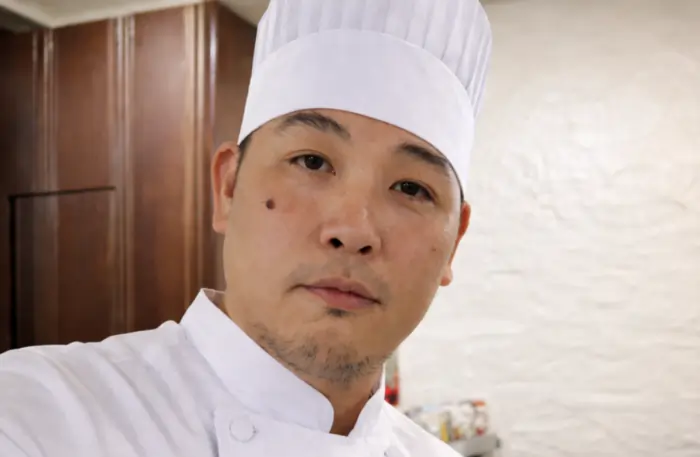
Chef Juan Gadi brings the heart of Filipino hospitality to Ubud, Bali. As an Executive Chef and consultant, he specializes in creating intimate, curated dining experiences that tell a story through every dish. Whether leading the kitchen at Kilig Filipino Warung or hosting a private villa dinner, Chef Juan’s approach is defined by warmth, modern technique, and a commitment to culinary excellence.