
Why Every Bali Journey Should Include a Local Market Visit Key Takeaways
Stepping into a Bali local market is like tasting the island’s soul — part ritual, part festival, and wholly unforgettable.
- Why Every Bali Journey Should Include a Local Market Visit — it’s the fastest path to authentic Balinese culture, where everyday life, ancient crafts, and exploding flavors meet.
- Bali local markets offer travelers a living museum: sarongs dyed by hand, spices that smell like a temple ceremony, and street food that teaches you more than any tour guide.
- From Gianyar Night Market to Badung Market , each market tells a unique story of community, tradition, and the island’s deep connection to the land and sea.
What Makes a Local Market Visit Essential for Every Bali Journey
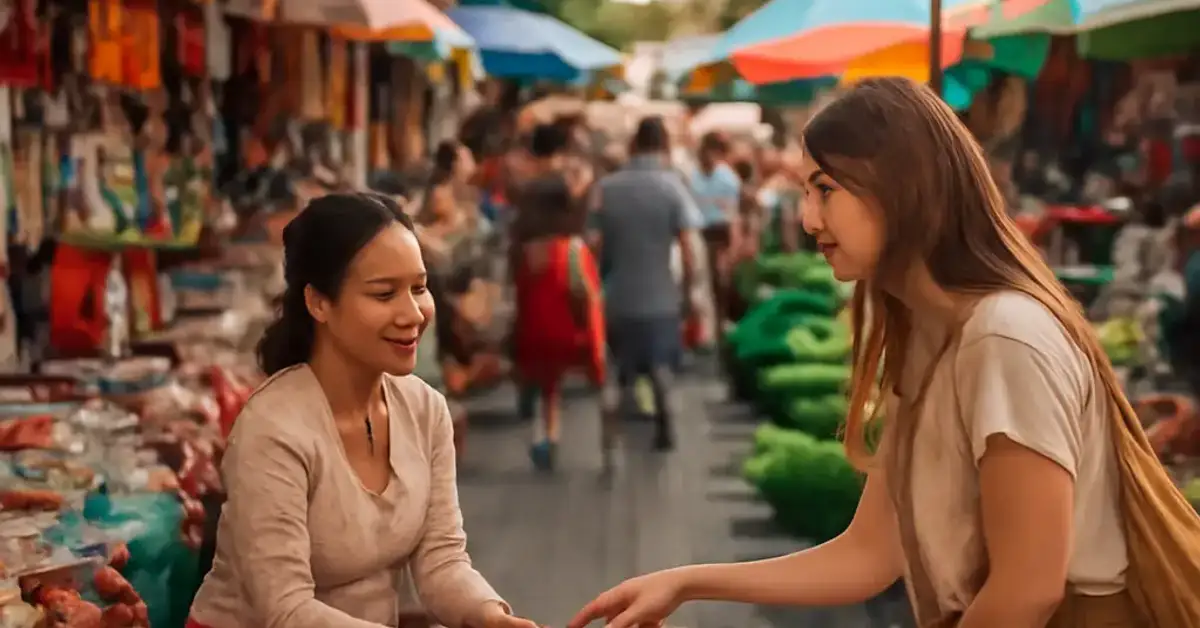
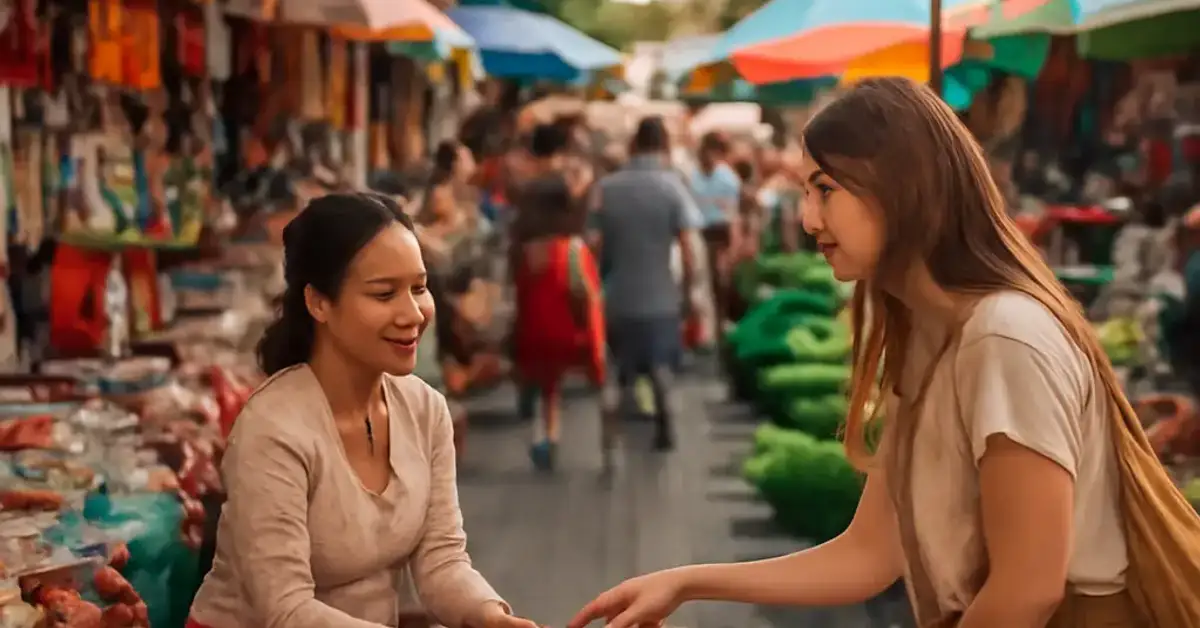
The first time I walked into Ubud Art Market, I was a chef searching for ingredients — but I found a whole philosophy. Vendors offered me a pinch of local spices and a slice of dragon fruit, laughing as I tried to bargain in broken Bahasa. That moment defined my understanding of Bali travel tips: skip the air-conditioned mall. Why Every Bali Journey Should Include a Local Market Visit isn’t just a question — it’s the answer to discovering authentic Bali.
Bali local markets are ecosystems of culture. They are where Balinese culture breathes. Mothers carry woven baskets of fresh produce on their heads, children sell traditional snacks from banana-leaf packets, and the air thickens with clove smoke and coconut oil. As a chef, I see a pantry; as a traveler, you’ll see a story. These markets are not tourist traps — they are the island’s heartbeat.
The Cultural Immersion You Won’t Find in a Resort
Cultural immersion at traditional markets is immediate. You don’t need a guidebook. Just follow the sound of a local vendor hand-pounding local spices into a paste. In Badung Market (Denpasar’s largest), you’ll see community markets where farmers sell daily harvests. Bali culture values harmony — you’ll feel it in the gentle negotiation of prices and the shared smiles over a bowl of street food.
For photographers, market photography is a goldmine. The texture of handmade crafts, the colors of tropical fruits piled high, the shadows in a Bali street market at dawn. Every frame is a cultural artifact.
Top Local Markets to Visit in Bali for an Authentic Experience
To answer the question what are the best local markets to visit in Bali, Chef Juan recommends starting with these iconic destinations. Each market offers a distinct slice of Bali travel guide wisdom.
| Market Name | Best For | Must-Try / Buy |
|---|---|---|
| Ubud Art Market | Balinese souvenirs, paintings, silk scarves | Hand-painted batik sarongs, silver jewelry |
| Sukawati Art Market | Artisan products, wood carvings, masks | Traditional Barong masks, woven baskets |
| Gianyar Night Market | Street food, grilled seafood, satay | Babi guling, lawar, sate lilit |
| Badung Market | Fresh produce, local spices, flowers | Kopi luwak, vanilla beans, tropical fruits |
| Pasar Seni Sukowati | Local handicrafts, textiles, home decor | Ikat weaving, bamboo lamps |
Ubud Art Market: The Artist’s Alley
Nestled in the heart of town, Ubud Art Market is a maze of textiles and trinkets. Local handicrafts here include everything from hand-carved coconut shell bowls to intricate silver rings. Cultural shopping means bargaining — start at half the asking price and smile. Bali souvenirs from this market are genuine: you can watch artisans paint on the spot. Things to do in Bali often list this as a must, and it truly is.
Sukawati Art Market: Where Tradition Meets Art
Just south of Ubud, Sukawati Art Market is the wholesale heart of artisan products. Handmade crafts like wooden puppets, masks, and paintings fill every stall. This is where authentic experiences lie — watch a carver shape a Garuda from a block of jackfruit wood. Bali attractions like this offer more than objects; they offer insight.
Gianyar Night Market: A Feast for the Senses
As the sun sets, Gianyar Night Market transforms into a smoky dance of flavors. Local cuisine is the star: street food vendors grill sate lilit (minced seafood satay), and the air fills with the aroma of traditional snacks like pisang goreng (fried bananas). Chef Juan always stops here for food markets that remind him of home — the communal energy, the sizzle of the grill, the shared table. Why Every Bali Journey Should Include a Local Market Visit becomes obvious when you taste the tropical fruits and local spices that define Balinese dining.
What to Buy at Traditional Balinese Markets: A Shopper’s Guide
What can travelers buy at traditional Balinese markets is a question that deserves a thoughtful answer. You can fill a suitcase with memories.
- Local handicrafts: Woven baskets, coconut shell utensils, bamboo lamps.
- Balinese souvenirs: Batik sarongs, wooden masks, frangipani-scented oils.
- Fresh produce: Mangosteens, rambutans, snake fruit, and dragon fruit.
- Traditional snacks: Klepon (rice cakes), jaja (sticky rice sweets), and roasted peanuts.
- Local spices: Turmeric, galangal, cinnamon, and vanilla beans — ideal for cooking at home.
- Textile shopping: Ikat and songket fabrics, perfect for home décor or clothing.
Bali shopping at these markets supports local vendors and keeps age-old crafts alive. When you buy a hand-painted scarf at Ubud Art Market, you’re not just acquiring a souvenir — you’re preserving a skill passed through generations.
How Local Markets Showcase Balinese Culture
How do local markets showcase Balinese culture is a question I’ve reflected on often as a chef and observer. These markets are stages for daily ritual. At Badung Market, the early morning bargaining tips you learn are lessons in community: haggling is a dance, not a contest. Balinese culture values respect above all. A smile and a nod go further than a hard bargain.
Markets also reveal the island’s Hindu-Buddhist roots. Offerings (canang sari) are sold at traditional markets — tiny baskets of flowers, rice, and incense. Cultural immersion means recognizing that the turmeric you buy is the same turmeric blessed in a temple ceremony. Community markets are where you see authentic Bali before tourism edits it. For a related guide, see Exploring Bali’s Culinary Neighborhoods Beyond the Tourist Trail.
Where Can Visitors Find Authentic Handmade Souvenirs
Where can visitors find authentic handmade souvenirs is easy to answer: skip the factory shops near Kuta and head to Sukawati Art Market or the Pasar Seni Sukowati in Jimbaran. Artisan products like hand-stamped batik, carved furniture, and recycled-glass jewelry are unique. Bali souvenirs from these places carry a story — ask the maker, and they’ll tell you about the Hindu epic carved into that mask.
Local Foods You Must Try at Bali Markets
As a chef, Chef Juan believes that what local foods should travelers try at Bali markets is the most important question on this list. Here are his picks:
- Sate Lilit — Minced fish or chicken mixed with coconut and spices, grilled on lemongrass sticks. Found at Gianyar Night Market.
- Nasi Campur — A mixed rice plate with vegetables, egg, meat, and sambal. Every market has its own version.
- Lawar — A traditional salad made with jackfruit, coconut, and minced pork or chicken.
- Babi Guling — Suckling pig, spiced and spit-roasted. Try it at Badung Market early in the morning.
- Klepon — Sweet rice flour balls filled with palm sugar and coated in grated coconut.
- Pisang Goreng — Fried bananas, crispy on the outside, soft within.
- Tropical fruits — Mangosteen, rambutan, dragon fruit, and jackfruit, often sliced and ready to eat.
Local cuisine is the most direct route to understanding Balinese culture. Each dish tells a story of land and sea, of Hindu rituals and Chinese trade routes.
How to Shop Respectfully at Bali’s Local Markets
How can tourists shop respectfully at local markets is a question that deserves a prominent place in any Bali travel guide. My advice, honed from years of living in Ubud, is simple: lead with kindness.
- Dress modestly — Cover shoulders and knees, especially in temple-adjacent markets like Badung Market.
- Ask permission before taking photographs. A nod and a smile go a long way.
- Bargain with a smile — remember that the price is often a starting point, not a final offer. Use bargaining tips from locals: “Bisa kurang?” (Can it be cheaper?)
- Support local vendors by buying directly from the maker, not from middlemen.
- Respect food — avoid wasting traditional snacks or fresh produce. Buy only what you can eat or carry.
- Learn a few words — “Suksma” (thank you) is appreciated.
Respectful shopping turns a transaction into an exchange of culture. That authentic Bali experience is what you’ll remember long after the souvenirs are unpacked.
Best Times to Visit Bali Markets for the Full Experience
What are the best times to visit Bali markets depends on the market type. Chef Juan recommends:
- Morning markets (6 – 9 AM): Badung Market is at its liveliest, with farmers bringing in fresh produce. Best for local spices and tropical fruits. Cooler temperatures also make market photography easier.
- Daytime art markets (9 AM – 2 PM): Ubud Art Market and Sukawati Art Market are open, but arrive before noon to avoid tour groups.
- Evening night markets (6 – 10 PM): Gianyar Night Market and other Bali street markets come alive. Best for street food, socializing, and cool evening air.
Timing your visit ensures a more intimate experience. Bali travel tips always include: go early, wear a hat, carry small denominations, and bring a reusable bag.
Why Local Markets Beat Shopping Malls for Cultural Experiences
Why are local markets better than shopping malls for cultural experiences is a no-brainer for anyone who has felt the energy of a Bali local market. Malls are sanitized; markets are raw.
At a traditional market, you hear the chatter in Bahasa, smell the local spices blended before your eyes, and taste the local cuisine prepared by a grandmother in a flowered sarong. Cultural immersion happens in the sensory overload — not in the sterile aisles of a chain store. Bali attractions like the Ubud Monkey Forest are beautiful, but markets offer a living culture you can touch, taste, and bargain for.
Bali shopping at a mall gives you a product; at a market, you get a story, a recipe, and a connection. That is why every journey should include a local market visit.
How Market Visits Make Your Bali Vacation More Memorable
How do market visits make a Bali vacation more memorable — Chef Juan answers with a story. He once spent an hour learning to wrap a traditional snack (jaja) in a banana leaf from a vendor at Pasar Seni Sukowati. That act of shared learning is a memory that a resort pool cannot offer. Authentic experiences like these create the lasting echoes of your trip.
Every local market visit becomes a photograph in your mind: the color of handmade crafts, the sound of local vendors laughing, the taste of a tropical fruit you’ve never seen before. Things to do in Bali often focus on temples and beaches, but markets ground you in everyday life. They turn a vacation into a journey.
Useful Resources
For more detailed information on Balinese culture and market etiquette, visit Indonesia Travel – Bali Official Guide. To learn about the traditional foods and cooking techniques that define Balinese cuisine, Chef Juan recommends Bali Foods – Traditional Recipes and Ingredients.
These resources complement the insights from this article and deepen your appreciation of Bali local markets.
Frequently Asked Questions About Why Every Bali Journey Should Include a Local Market Visit
Why should every Bali journey include a local market visit?
A local market visit offers the most direct connection to Balinese culture, local cuisine, and authentic experiences — far beyond what a resort or mall can provide. You taste, touch, and interact with the island’s living traditions.
What are the best local markets to visit in Bali?
Top markets include Ubud Art Market for art, Sukawati Art Market for woodcarvings, Gianyar Night Market for street food, Badung Market for fresh produce, and Pasar Seni Sukowati for textiles. Each offers a unique slice of authentic Bali.
What can travelers buy at traditional Balinese markets?
Travelers can buy local handicrafts like batik, wood masks, woven baskets, Balinese souvenirs, fresh produce, traditional snacks, local spices, and artisan products like coconut-shell utensils and ikat textiles.
How do local markets showcase Balinese culture?
Local markets are living museums of Balinese culture, displaying offerings, cooking rituals, traditional bargaining, and community interactions. They reveal the Hindu-Buddhist roots and everyday life that shape authentic Bali. For a related guide, see Exploring Bali Through Its Morning Rituals and Daily Life.
Where can visitors find authentic handmade souvenirs?
Visit Sukawati Art Market or Pasar Seni Sukowati for handmade crafts, direct from local vendors. Ubud Art Market also offers genuine Balinese souvenirs like batik and silver jewelry. Avoid factory stores for authenticity.
What local foods should travelers try at Bali markets?
Must-try items include sate lilit, nasi campur, lawar, babi guling, klepon, pisang goreng, and fresh tropical fruits like mangosteen and rambutan. Each dish is a lesson in local cuisine.
How can tourists shop respectfully at local markets?
Dress modestly, ask permission before taking photos, bargain with a smile, support local vendors directly, and learn a few basic phrases in Bahasa. Respectful shopping deepens cultural immersion and ensures a positive exchange.
What are the best times to visit Bali markets?
Morning markets (6 – 9 AM) are best for fresh produce and local spices. Evening night markets (6 – 10 PM) are ideal for street food and cultural shopping. Art markets are best visited before noon to avoid crowds.
Why are local markets better than shopping malls for cultural experiences?
Local markets engage all senses: smells of local spices, sounds of bargaining, tastes of traditional snacks, and interactions with local vendors. Malls offer products; markets offer authentic experiences and cultural immersion.
How do market visits make a Bali vacation more memorable?
Market visits create sensory memories — the taste of a tropical fruit, the texture of a handmade craft, the laughter of local vendors. These authentic experiences remain vivid long after the trip ends, making your Bali travel guide come alive.
Are Bali markets safe for tourists?
Yes, most Bali local markets are safe, but keep an eye on your belongings in crowded areas. Use common sense, avoid wearing flashy jewelry, and carry small bills. The atmosphere is generally friendly and welcoming.
Do Bali markets accept credit cards?
Most local vendors prefer cash (Indonesian Rupiah), especially at traditional markets and Bali street markets. ATMs are available near major markets like Badung Market and Ubud Art Market. Carry small denominations for easier bargaining tips.
Can I find organic produce at Bali markets?
Yes, especially at Badung Market and smaller community markets in Ubud. Fresh produce like organic rice, vegetables, and tropical fruits are common. Some vendors specialize in local spices grown without chemicals.
What should I bring to a Bali market?
Bring a reusable bag, cash in small denominations, a hat, sunscreen, water, and your camera for market photography (ask permission first). Comfortable shoes are essential for navigating crowded aisles.
How do I bargain at a Bali market?
Start at 50-60% of the quoted price, smile, and be respectful. Say “Bisa kurang?” (Can it be cheaper?). If you’re not interested, simply say “Terima kasih” (thank you) and move on. Bargaining tips emphasize politeness over winning.
Can children enjoy Bali markets?
Absolutely. Kids love the colorful tropical fruits, traditional snacks, and lively atmosphere. Many Bali local markets like Gianyar Night Market are family-friendly, with open spaces and interactive food stalls.
Are markets open on public holidays?
Most traditional markets close or operate on reduced hours during major Hindu holidays like Nyepi (Day of Silence). Bali travel tips recommend checking local calendars before planning your market visit.
What is the most famous market in Bali?
Ubud Art Market (Pasar Seni Ubud) is arguably the most famous, drawing visitors for its vast selection of Balinese souvenirs, handmade crafts, and proximity to Ubud’s cultural attractions. Badung Market in Denpasar is the largest traditional market island-wide.
Do markets in Bali sell halal food?
Yes, especially in areas like Denpasar and Gianyar. Street food at Gianyar Night Market includes halal options like sate lilit and grilled fish. Always ask vendors about ingredients if you have dietary concerns.
Can I find unique gifts at Bali markets?
Yes, markets like Sukawati Art Market and Pasar Seni Sukowati offer one-of-a-kind artisan products: carved masks, handmade jewelry, batik scarves, and recycled-glass items. These make meaningful Bali souvenirs that support local vendors.
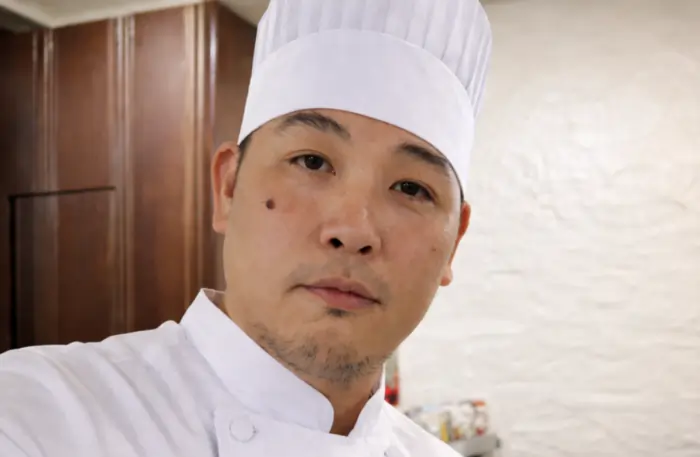
Chef Juan Gadi brings the heart of Filipino hospitality to Ubud, Bali. As an Executive Chef and consultant, he specializes in creating intimate, curated dining experiences that tell a story through every dish. Whether leading the kitchen at Kilig Filipino Warung or hosting a private villa dinner, Chef Juan’s approach is defined by warmth, modern technique, and a commitment to culinary excellence.