
Reasons Filipino Hospitality Feels Perfect in Bali Key Takeaways
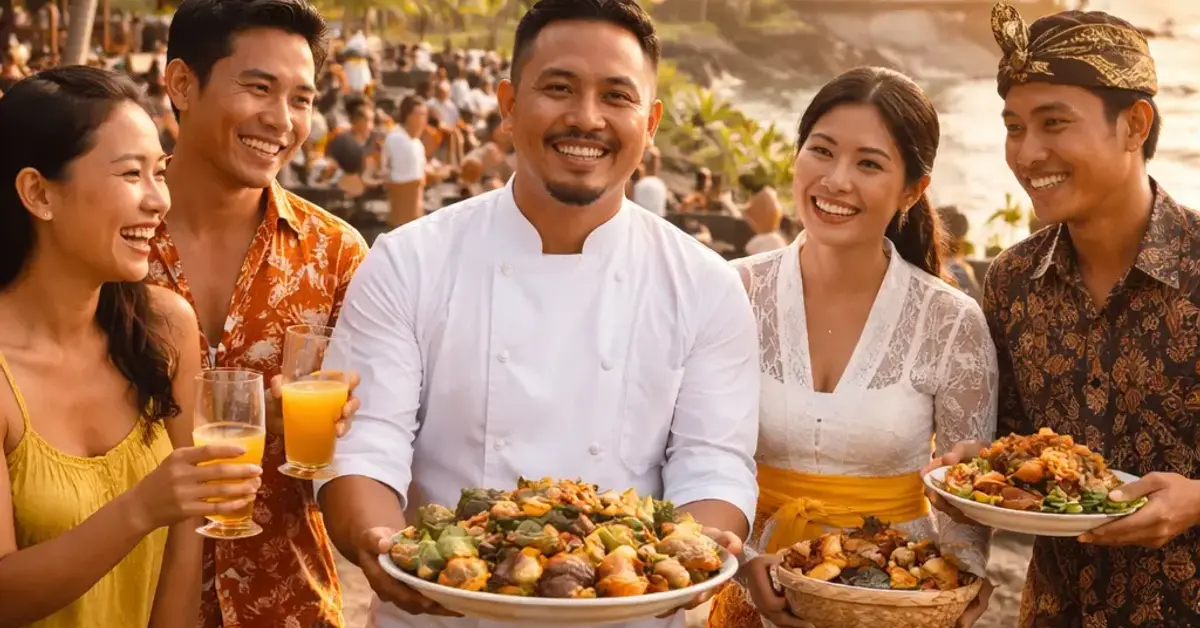
Filipino travelers and expats often describe Bali as a second home, and the reasons Filipino hospitality feels perfect in Bali go far beyond the tropical scenery.
- Reasons Filipino hospitality feels perfect in Bali include deep-rooted cultural similarities Philippines Indonesia , like respect for elders and communal generosity.
- The Filipino friendliness abroad mirrors Bali’s own Balinese welcoming culture , creating effortless people to people connection travel experiences.
- Shared ASEAN cultural values hospitality and hospitality traditions Southeast Asia make cross-cultural adaptation smooth and joyful.
Why Reasons Filipino Hospitality Feels Perfect in Bali Matter for Travelers
When I first stepped into Ubud’s misty mornings as a chef, I expected unfamiliarity. Instead, I found a mirror. The Filipino hospitality Bali culture I grew up with—cooking extra rice for unexpected guests, offering the best seat to a visitor—was alive in every family compound I passed. This isn’t coincidence. It’s the result of centuries of shared maritime trade, ancestor worship, and a deep sense of community that defines island life across the archipelago. For a related guide, see Private Chef For Bali Villas: How Chef Juan Gadi Turns Your Stay Into A Restaurant-Quality Experience.

For travel bloggers, cultural researchers, and digital nomads, understanding these reasons Filipino hospitality feels perfect in Bali enriches every interaction. Whether you’re ordering nasi campur in a warung or joining a temple ceremony, the warmth you feel is not just politeness—it’s a living tradition.
12 Reasons Filipino Hospitality Feels Perfect in Bali
1. Shared Concept of Hospitality Traditions Southeast Asia
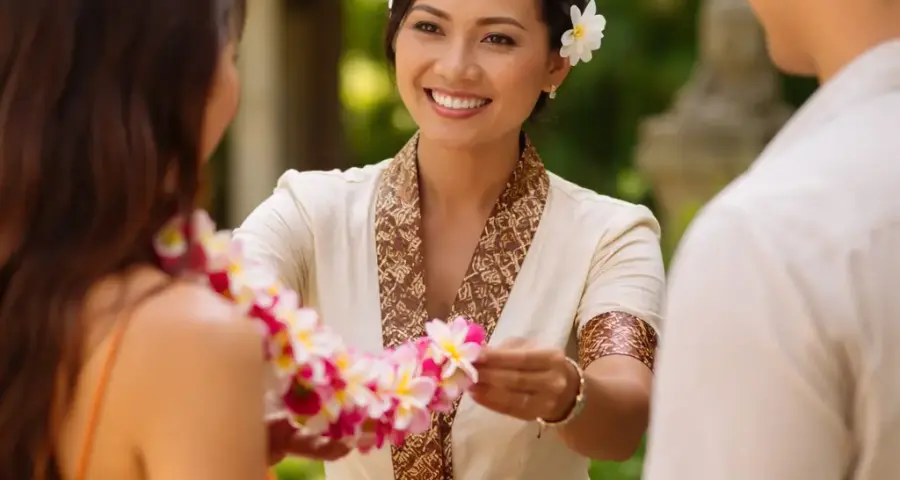
In the Philippines, pakikisama (getting along) and utang na loob (debt of gratitude) shape every social exchange. In Bali, gotong royong (mutual cooperation) and tri hita karana (three causes of well-being—harmony with God, people, and nature) create a parallel framework. Both traditions emphasize giving without expectation, a cross cultural hospitality trait that makes travelers feel immediately cared for.

2. Deep Filipino and Balinese Cultural Similarities in Daily Rituals
From the morning offering of canang sari in Bali to the simbang gabi novenas back home, ritual infuses daily life. This shared rhythm—where spirituality and hospitality intertwine—reinforces cultural harmony Philippines Indonesia. Visitors sense that every greeting, every shared meal, is a small sacred act.
3. Filipino Values of Respect and Warmth Mirror Balinese Politeness
The Filipino po and opo (honorifics for elders) find their match in Balinese tiang (polite “I”) and the soft, deferential nggih (yes). Both cultures train children from birth to speak with humility. When a Filipino traveler instinctively uses opo and a Balinese host responds with nggih, cultural bonding travel experience happens without translation.
4. Indonesian Filipino Cultural Connection Through Food Culture
As an executive chef, I’ve observed that Filipino hospitality Bali culture expresses itself through shared ingredients: coconut, ginger, turmeric, and lemongrass. Dishes like babi guling (Balinese roast pig) and lechon (Filipino roast pig) aren’t just similar—they tell a story of Austronesian migration. Cooking together becomes a form of ASEAN cultural exchange that transcends language.
5. Travel Friendliness in Bali Nurtures Filipino Ease
Bali’s tourism infrastructure—from homestays to cooking classes—is built on Balinese welcoming culture. Filipinos, accustomed to barangay-level hospitality, find this system intuitive. The absence of transactional coldness (no upselling, no hidden fees in family-run lodgings) mirrors the Filipino paglilingkod (service from the heart).
6. Warmth and Friendliness Southeast Asia as a Regional Identity
Anthropologists note that Southeast Asian hospitality comparison studies (like those in the Journal of Southeast Asian Studies) consistently rank Thailand, Philippines, and Indonesia among the warmest cultures globally. This isn’t stereotype—it’s a measurable preference for high-contact, expressive communication. Filipinos and Balinese both smile easily, touch gently on the arm during conversation, and laugh freely.
7. Social Behavior Southeast Asia Avoids Confrontation—A Shared Comfort
Both cultures practice indirect communication to preserve hiya (shame/dignity). In the Philippines, you’ll hear “bahala na” (come what may); in Bali, “sudah” (it’s already done) serves similar purpose. This non-confrontational social behavior Southeast Asia trait makes Filipino overseas cultural adaptation in Bali stress-free.
8. Island Culture Friendliness Comparison Shows Parallel Systems
Both archipelagos developed hospitality as survival: isolated islands needed cooperation to thrive. The island culture friendliness comparison between Luzon’s fishing villages and Bali’s rice terraces reveals identical patterns—sharing resources, celebrating together, and protecting the stranger who arrives by boat.
9. Bali Tourism Cultural Friendliness Aligns with Filipino Expectations
Bali tourism cultural friendliness isn’t a marketing gimmick. It’s rooted in dharma (duty) and karma (cause and effect). When a Balinese host goes out of their way to help a lost Filipino tourist find a temple, they’re not just being nice—they’re fulfilling a spiritual obligation. Filipinos recognize this depth because their own hospitality traditions Southeast Asia are similarly motivated by kalooban (inner will to give).
10. ASEAN Cultural Values Hospitality as a Unifying Force
The ASEAN Community Blueprint 2025 explicitly promotes “a socially responsible community” where ASEAN cultural values hospitality serve as a soft-power bridge. Filipino and Balinese hospitality both emphasize family, respect for elders, and collective well-being—values codified in the ASEAN Socio-Cultural Community pillar. This means official policy supports what locals already practice.
11. Filipino Cultural Identity Abroad Finds Validation in Bali
For the Filipino cultural identity abroad, Bali offers something rare: a place where being hospitable is not seen as subservient but as virtuous. Overseas Filipinos often feel pressure to adopt Western assertiveness. In Bali, their natural Filipino friendliness abroad is celebrated, not questioned. This validation is emotionally powerful for long-term expats and digital nomads.
12. People to People Connection Travel Becomes Effortless
Ultimately, the reasons Filipino hospitality feels perfect in Bali boil down to people to people connection travel. Every interaction—whether bargaining at Ubud Market or sharing a kopi tubruk with a farmer—is a micro-exchange of mutual recognition. The traveler doesn’t just see culture; they participate in it. And that participation feels like coming home.
How Shared Values Shape Filipino and Balinese Hospitality
The cultural similarities Philippines Indonesia are not superficial. Both societies rank very high on Hofstede’s “Indulgence vs. Restraint” dimension, meaning they allow natural human desires (enjoyment, generosity, celebration) to flourish. This explains why a spontaneous kapit sa patalim (helping others in need) response is common in both cultures. A Balinese family will split their dinner with a stranger; a Filipino family will do the same without hesitation.
The Role of Cultural Anthropology Hospitality in Understanding This Bond
Cultural anthropology hospitality studies, such as those by Professor Felix M. Keesing on Austronesian cultures, document how pre-colonial trade networks between the Philippines and Bali exchanged not just spices but hospitality norms. The practice of offering betel nut as a welcome gesture, for example, exists in both islands. Understanding this history enriches the modern travel cultural experience Bali Philippines.
Hospitality Culture Southeast Asia Explained: A Comparison Table
| Trait | Philippines | Bali (Indonesia) |
|---|---|---|
| Greeting etiquette | “Mano po” (blessing hand) | Namaste with slight bow |
| Approach to guests | Offer food immediately | Offer tea or coffee immediately |
| Conflict avoidance | Indirect “yes” means “maybe” | Smile without saying “no” |
| Community work | Bayanihan (moving houses) | Gotong royong (shared labor) |
| Festival hospitality | Open house during fiestas | Open compound during temple festivals |
Useful Resources
- ASEAN Socio-Cultural Community – Official framework for understanding ASEAN cultural values hospitality and regional cultural exchanges.
- Austronesian Hospitality Traditions – University of Hawaii Study – Academic research linking Filipino and Balinese cultural similarities through Austronesian roots.
Conclusion. The reasons Filipino hospitality feels perfect in Bali are not abstract—they live in every shared meal, every offered seat, every spontaneous invitation to a temple ceremony. For travel bloggers, cultural researchers, and anyone craving authentic ASEAN cultural exchange, Bali offers a home away from home. As Chef Juan Gadi says, “I came to Bali to cook, but I stayed because I found a culture that speaks the same language of the heart.” Experience it yourself—book a table at Kilig Filipino Warung or attend a villa dinner to taste the harmony. For a related guide, see 15 Top Reasons to Visit Kilig Bali Filipino Warung in Ubud, Bali.
Frequently Asked Questions About Reasons Filipino Hospitality Feels Perfect in Bali
Why does Filipino hospitality feel similar to Balinese culture?
Both cultures share Austronesian roots that emphasize community, respect for elders, and generous gift-giving. The cultural similarities Philippines Indonesia in daily rituals create a natural emotional resonance.
What makes Filipino hospitality special for travelers in Bali?
Filipinos approach travel with an innate Filipino friendliness abroad that includes cooking for new friends, sharing local knowledge, and offering help without being asked—traits that perfectly match Balinese welcoming culture.
How do Filipino and Balinese cultures show hospitality?
Filipinos show hospitality through food (always offering a meal) and paglilingkod (personal service). Balinese show it through offerings, temple invitations, and a respectful nggih in every interaction. Both prioritize the guest’s comfort over the host’s convenience.
Why do Filipinos feel at home in Bali?
The Indonesian Filipino cultural connection in language, food, and community values means Filipinos in Bali find familiar patterns of generosity, making Filipino overseas cultural adaptation unusually easy.
What are similarities between Filipino and Indonesian hospitality?
Key hospitality culture Southeast Asia explained similarities include using indirect language to avoid offense, sharing food immediately with visitors, and a strong tradition of collective community work known as bayanihan in the Philippines and gotong royong in Indonesia.
How does culture influence hospitality in Southeast Asia?
Culture deeply influences social behavior Southeast Asia; high-context communication, group harmony (rukun in Indonesian, pakikisama in Filipino), and spiritual beliefs all shape why and how hospitality is offered.
What makes Filipino friendliness unique abroad?
Filipino friendliness is uniquely proactive—it anticipates needs. A Filipino abroad will not wait to be asked for help. This proactive Filipino friendliness abroad comes from a Filipino cultural identity abroad rooted in kapwa (shared inner self).
Why is Bali a welcoming place for Filipinos?
Bali tourism cultural friendliness is institutionalized in homestays, warungs, and temple ceremonies. The island’s Balinese welcoming culture offers Filipinos a familiar warmth, reinforced by a shared tropical lifestyle and love for celebration.
How do shared values shape Filipino and Balinese hospitality?
Shared values such as respect for elders, community over individualism, and spiritual gratitude shape the cross cultural hospitality traits observed in both cultures. These values are the bedrock of shared values Southeast Asia.
What cultural traits connect Philippines and Bali?
Key cultural similarities Philippines Indonesia include ancestral worship, extended family living arrangements, a love for festive gatherings, and a communication style that prioritizes relationship over directness.
Does language similarity help Filipinos in Bali?
While not mutually intelligible, both languages contain many Sanskrit and Malay loanwords. The Indonesian Filipino cultural connection is evident in shared words like dalam/dilim (dark), lima/lima (five), and sama/sama (same).
Is Filipino hospitality more emotional or practical?
It’s both. The emotional warmth of Filipino values of respect and warmth is matched by practical actions—offering a bed, cooking a meal, or guiding someone to a destination. This balance is also seen in Balinese welcoming culture.
How do Balinese rituals compare to Filipino traditions?
Balinese rituals like canang sari (daily offerings) mirror Filipino pag-aalay (offerings to saints). Both are daily acts of gratitude that extend to guests, creating a cultural bonding travel experience for visitors.
Are there differences in how Filipinos and Balinese show respect?
Filipinos use verbal honorifics and hand gestures (mano po). Balinese use physical postures (bowing, lowering in front of elders). Both achieve the same goal: making the other person feel honored.
Why do digital nomads from the Philippines choose Bali?
Beyond cost and internet, the travel friendliness in Bali and cultural compatibility make adaptation seamless. Filipino overseas cultural adaptation is easier when the host culture shares your hospitality instincts.
How can travelers experience Filipino hospitality Bali culture ?
Visit Kilig Filipino Warung in Ubud for Chef Juan’s curated menu, or join a cooking class that compares Filipino and Balinese techniques. These experiences embody tourism cultural experience Indonesia Philippines.
Is the hospitality in Bali genuine or just for tourists?
Genuine. Balinese welcoming culture predates tourism by centuries. Locals often invite strangers into their homes for temple ceremonies, cooking, and celebrations—the same spontaneous generosity seen in Filipino barrios.
Do other Southeast Asian countries show similar hospitality?
Yes, but the Southeast Asian hospitality comparison shows the Philippines and Indonesia share the closest emotional and ritualistic parallels. Thailand and Vietnam are warm, but with different cultural scripts.
What is the best way to appreciate hospitality traditions Southeast Asia ?
Slow travel. Stay in family-run homestays, eat at warungs, attend local festivals. The people to people connection travel approach reveals the depth of ASEAN cultural values hospitality.
Can Filipinos feel truly at home in Bali long-term?
Absolutely. The reasons Filipino hospitality feels perfect in Bali extend to everyday life—community support, familiar food, shared values. Many Filipino expats in Bali report feeling less culture shock than in Western countries.
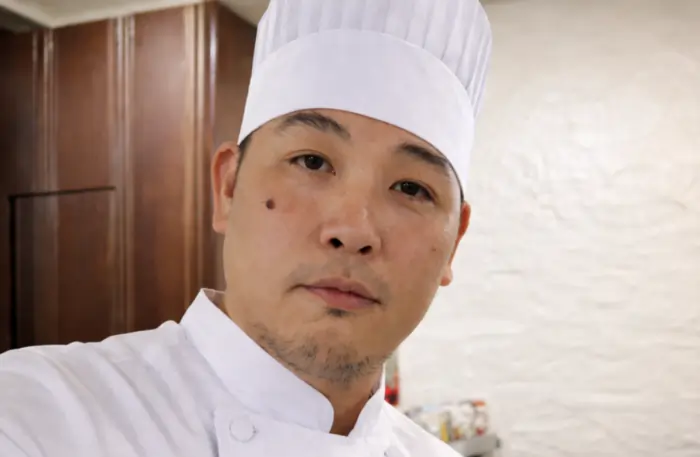
Chef Juan Gadi brings the heart of Filipino hospitality to Ubud, Bali. As an Executive Chef and consultant, he specializes in creating intimate, curated dining experiences that tell a story through every dish. Whether leading the kitchen at Kilig Filipino Warung or hosting a private villa dinner, Chef Juan’s approach is defined by warmth, modern technique, and a commitment to culinary excellence.