Filipino Dining Traditions Loved by Bali Visitors Key Takeaways
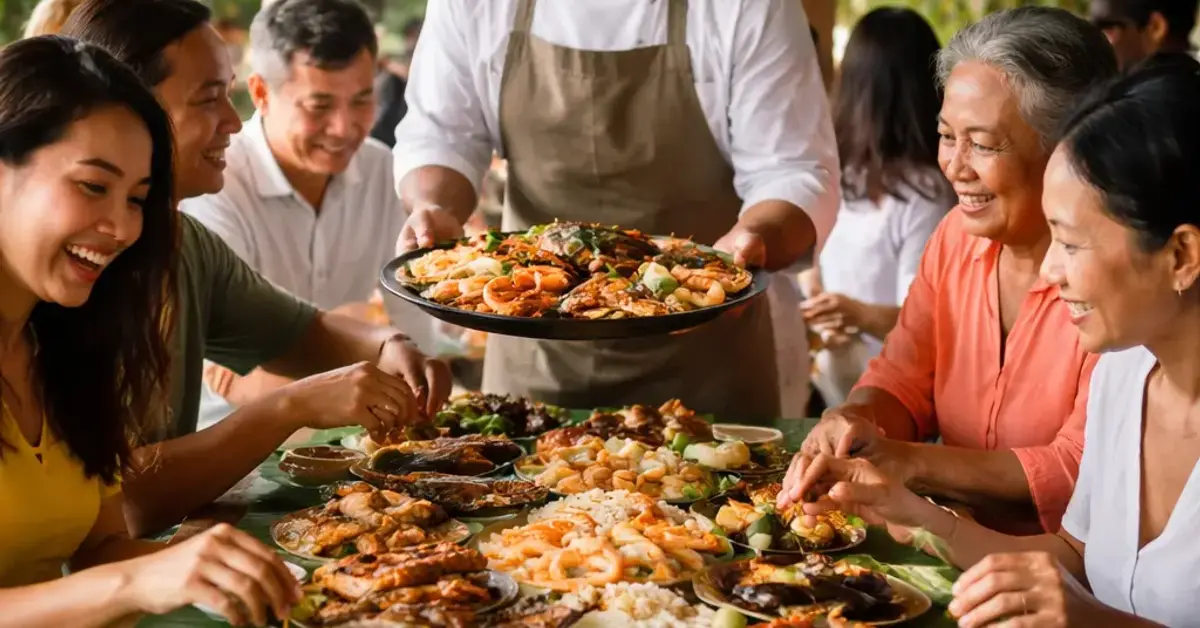
Filipino Dining Traditions Loved by Bali Visitors go far beyond flavor—they revolve around warmth, sharing, and genuine hospitality.
- Filipino dining traditions loved by Bali visitors center on communal eating Philippines and heartfelt hospitality.
- Filipino hospitality meals like boodle fight and pulutan draw tourists seeking authentic travel food culture experience .
- Understanding food etiquette Philippines enhances connection between travelers and local hosts in Bali’s vibrant tourism scene.
What Makes Filipino Dining Traditions Loved by Bali Visitors
Bali has long been a crossroads of cultures, drawing travelers from every corner of the globe. Among the island’s rich tapestry of global cuisines, one culinary tradition stands out for its warmth and conviviality: the Filipino food culture. Visitors consistently rave about the sense of belonging they feel when sharing a meal in the Filipino style. It’s not just about the taste of adobo or sinigang—it’s about the ritual of passing dishes, the laughter, and the unspoken rule that no one eats alone. For a related guide, see 10 Heritage Dishes Every Filipino Must Definitely Know.
As Chef Juan Gadi explains, “The Filipino approach to dining is essentially an invitation to family. When you sit at our table, you’re not a tourist; you’re bisita—a welcomed guest.” This philosophy aligns perfectly with Bali’s own spirit of Tri Hita Karana, which emphasizes harmony among people, nature, and the divine. Together, they create a unique travel food culture experience that leaves lasting impressions on food tourists, digital nomads, and cultural researchers alike.
How Filipino Hospitality Meals Connect with Bali Travelers
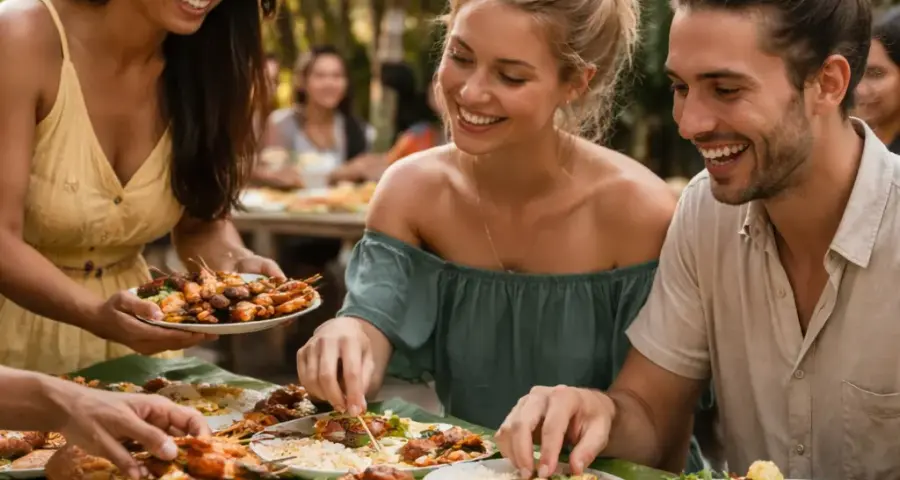
What do tourists enjoy most about Filipino dining culture? The answer is simple: the generosity of spirit. From the moment you step into a Filipino-run restaurant in Ubud or Seminyak, you are met with a smile and an offer of merienda—a light afternoon snack. This openness mirrors the Southeast Asian dining customs that prioritize community over individuality. For many visitors, this is a refreshing departure from the more transactional dining experiences common in other tourist hubs.
1. Kamayan: The Hands-On Feast
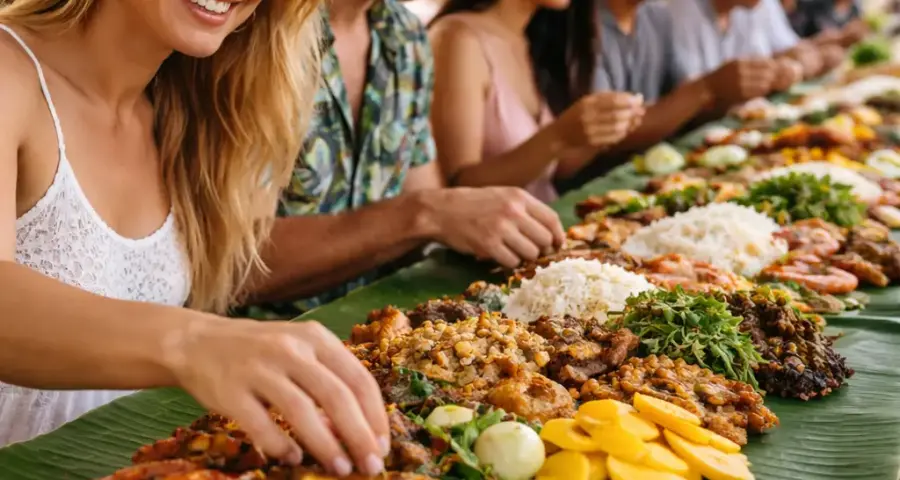
Perhaps the most iconic of all Filipino dining traditions loved by Bali visitors is the kamayan, or “hand-eating” feast. Guests gather around a long table covered in banana leaves, upon which mountains of rice, grilled meats, fresh seafood, and pickled vegetables are laid out. Eating with your hands is not merely a practical choice; it is a sensory invitation to engage fully with your food.
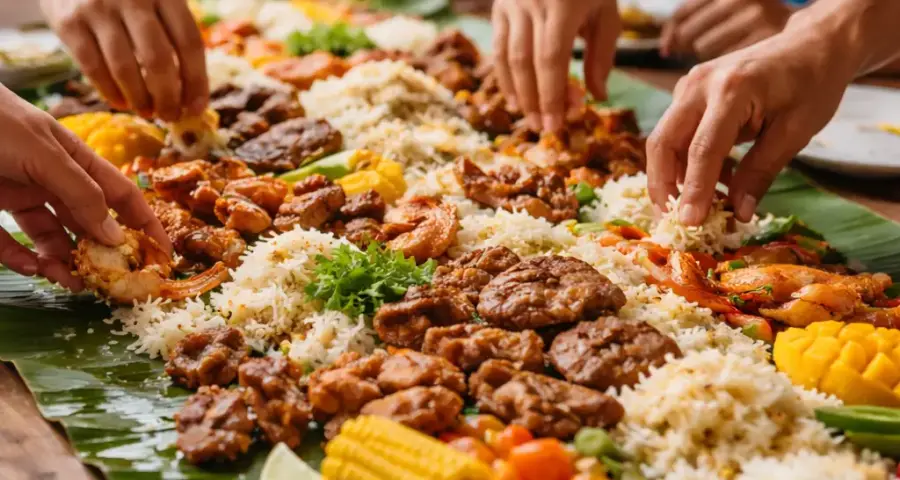
This practice is a cornerstone of communal eating Philippines and is deeply embedded in cultural food practices Philippines. In Bali, restaurants like Kilig Filipino Warung have adapted the kamayan experience for international palates while preserving its authentic spirit. Chef Juan Gadi notes, “When you eat with your hands, you break down barriers. You connect with the food and with the people beside you.” Food etiquette Philippines during kamayan is simple: use only your right hand, and don’t be shy about reaching for that piece of grilled pork belly.
2. Boodle Fight: A Shared Meal with Military Roots
The boodle fight originated in the Philippine Military Academy, where soldiers would eat together from a single long table covered with food. Today, it has become a celebratory family style dining Philippines tradition enjoyed by locals and tourists alike. In Bali, this tradition has found a natural home among group travelers, corporate retreats, and bachelor parties looking for a unique bonding activity.
How do Filipinos share food during meals? The boodle fight is the ultimate answer. There are no individual plates—everyone eats from the communal spread, often standing shoulder to shoulder. This practice reinforces the social eating traditions Asia that prioritize group harmony and generosity. For Bali visitors, participating in a boodle fight is both a culinary adventure and a lesson in Filipino shared meals culture. It’s messy, joyful, and unforgettable.
3. Pulutan: The Art of Drinking and Eating Together
Pulutan refers to small dishes served alongside alcoholic drinks, similar to Spanish tapas or Korean anju. In the Philippines, pulutan is an essential part of social gatherings, from casual after-work sessions to festive holidays. Popular pulutan dishes include sisig (chopped pork seasoned with calamansi and chili), chicharon (crispy pork rinds), and lumpiang shanghai (spring rolls).
What Filipino food customs impress foreign visitors? Pulutan culture ranks high on that list. The combination of bold, salty flavors and the relaxed, convivial atmosphere appeals to tourists seeking authentic cultural gastronomy Southeast Asia. Bali’s bustling bar scene has embraced pulutan, with many venues offering Filipino-inspired sisig and kinilaw (Filipino ceviche) alongside local Bintang beer. This fusion underscores how Filipino dining traditions loved by Bali visitors seamlessly integrate into the island’s nightlife.
4. Merienda: The Afternoon Snack Ritual
Merienda is a light meal taken in the mid-afternoon, bridging lunch and dinner. In the Philippines, this could be anything from a bowl of pancit (stir-fried noodles) to bibingka (rice cake) or halo-halo (shaved ice dessert). This tradition reflects the Filipino food culture of frequent, small shared meals rather than rigid three-course structures.
Why do tourists enjoy Filipino dining culture so much? Merienda offers a perfect pause during a busy day of temple-hopping or beach lounging in Bali. Many cafes in Canggu and Ubud now serve Filipino-style merienda, allowing visitors to experience Filipino culinary heritage in a relaxed setting. It’s a gentle reminder that in Filipino culture, every meal—no matter how small—is an opportunity to connect.
5. Family-Style Pasalubong and Take-Home Culture
Pasalubong is the Filipino tradition of bringing home gifts, often food, for family and friends after a trip. While not a dining tradition per se, it profoundly influences how Filipinos approach food sharing. Dishes like ensaymada (buttery brioche with cheese) or polvoron (crumbly milk candy) are commonly brought back as edible souvenirs.
In the context of Bali tourism food culture, pasalubong has inspired local Filipino-run businesses to offer packaged versions of classic dishes. Travelers can purchase bottled adobo sauce or vacuum-sealed longganisa (Filipino sausage) to recreate the experience at home. This practice extends Filipino hospitality meals beyond the dining table, turning every meal into a gift to be shared. For a related guide, see 12 Pinoy Meals That Celebrate Family and Local Culture.
6. The Bayanihan Spirit in Cooking and Serving
Bayanihan refers to the Filipino value of communal unity and cooperation. In the kitchen, this translates to everyone lending a hand—chopping vegetables, stirring pots, and setting the table. Meals are rarely prepared in isolation; they are the product of collective effort.
How does communal eating Philippines shape Filipino culture? The bayanihan spirit is the answer. It fosters a sense of responsibility and belonging that extends to guests. In Bali, cooking classes that teach Filipino recipes often emphasize teamwork, with participants working together to prepare a full family style dining Philippines spread. This hands-on approach enriches the ASEAN dining traditions narrative and gives visitors a taste of genuine Filipino hospitality meals.
7. Kainan in the Street: Carinderia and Turo-Turo Culture
Carinderias are small, often family-run eateries that serve affordable, home-cooked meals. Turo-turo (point-point) refers to the casual style of ordering where customers simply point at the dishes they want. These establishments are the heart of cultural food practices Philippines, offering a glimpse into everyday Filipino life.
In Bali, pop-up carinderias have become a hit among budget-conscious travelers and food vloggers. The food etiquette Philippines here is refreshingly simple: grab a plate, point at what you fancy, and pay a few thousand rupiah. This informal, trust-based system resonates with Bali visitors looking for authenticity over formality. It also highlights the adaptability of Filipino dining traditions loved by Bali visitors across different economic settings.
8. Celebrations with Lechon and Grand Feasts
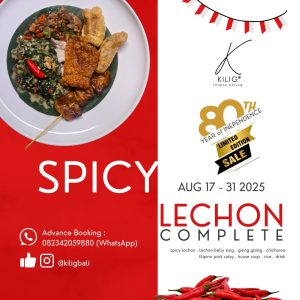
No Filipino celebration is complete without lechon—a whole roasted pig with crispy skin and succulent meat. This centerpiece dish is reserved for weddings, fiestas, and reunions, symbolizing abundance and generosity. The preparation itself is a community affair, often involving neighbors and extended family.
What dining practices attract tourists in Southeast Asia? Grand feasts like lechon roasts are a major draw. In Bali, special events hosted by Kilig Filipino Warung feature whole roasted pigs carved tableside, accompanied by live music and traditional dances. This spectacle embodies cultural gastronomy Southeast Asia at its most festive, and it showcases how Filipino culinary heritage can elevate a simple meal into a memorable performance. For food tourism Bali enthusiasts, attending a lechon feast is a bucket-list experience.
9. The Salu-Salo Culture of After-Meal Conversations
Salu-salo means “togetherness” in Tagalog, and it describes the lingering period after a meal when everyone stays seated, chatting and laughing. Unlike in many Western cultures where diners leave promptly after finishing, Filipinos treat the post-meal moment as an extension of the dining experience. Coffee, dessert, and stories flow freely.
How does Filipino hospitality reflect in dining habits? The salu-salo tradition is the clearest expression. It signals that the host values your company far more than the empty plates. In Bali, where the pace of life encourages mindfulness, this tradition feels perfectly natural. Visitors often comment that they feel like part of the family, not just customers. This deep sense of social eating traditions Asia is exactly what makes Filipino dining traditions loved by Bali visitors so enduring.
Comparing Filipino Dining Traditions and Balinese Dining Etiquette
How does Filipino dining tradition differ from Balinese dining? Both cultures value community, but the expressions vary. Balinese dining often follows a structured nasi campur format, with individual portions arranged neatly on a plate. Filipino dining, by contrast, leans toward shared platters and communal serving spoons.
Additionally, Balinese meals are influenced by Hindu offerings and rituals, while Filipino meals are more secular and inclusive. Yet both prioritize respect—Balinese diners use their right hand for eating and avoid pointing the soles of their feet toward others, while Filipino diners follow similar right-hand etiquette and show respect by offering the best portion of food to elders. Understanding these nuances enriches the travel food culture experience for anyone exploring ASEAN dining traditions.
How Filipino Traditions Influence Food Tourism in Bali
How do Filipino traditions influence food tourism in Bali? Through a combination of authentic pop-ups, cooking classes, and curated dining events, Filipino cuisine has carved a niche in Bali’s competitive food scene. Social media—especially Instagram and TikTok—has amplified the visual appeal of kamayan spreads and boodle fights, attracting a new generation of food tourists.
Furthermore, the rise of Filipino expat communities in Bali has created a demand for familiar flavors, leading to the opening of dedicated carinderias and weekend markets. This cross-cultural exchange enriches Bali tourism food culture and positions Filipino dining as a vital thread in the island’s diverse culinary fabric.
Useful Resources
For deeper insights into Filipino food culture and Southeast Asian dining customs, explore these authoritative sources:
- The Manila Times: The Kamayan Tradition – A thorough article on the history and social significance of hand-eating in the Philippines.
- Bali.com: Filipino Cuisine in Bali – A guide to the best Filipino dining spots across the island, reviewed by local experts.
Frequently Asked Questions About Filipino Dining Traditions Loved by Bali Visitors
As Chef Juan Gadi—Executive Chef and consultant behind Kilig Filipino Warung in Ubud, Bali—often says, “Filipino dining is not just about the dish; it’s about the story and the people around it.” By preserving and adapting these nine traditions for the Bali audience, he invites travelers to experience Filipino Dining Traditions Loved by Bali Visitors in an intimate, modern setting. Whether you are a travel blogger documenting cultural gastronomy Southeast Asia or a hospitality professional seeking inspiration, these traditions prove that the heart of every great meal is the willingness to share.
Frequently Asked Questions About Filipino Dining Traditions Loved by Bali Visitors
What Filipino dining traditions are loved by Bali visitors?
Bali visitors especially love kamayan (hand-eating feasts), boodle fight (communal military-style meals), pulutan (snacks with drinks), and salu-salo (post-meal togetherness). These traditions emphasize connection and generosity.
Why do tourists enjoy Filipino dining culture?
Tourists appreciate the warmth, openness, and sense of belonging that Filipino dining culture offers. The focus on sharing, hospitality, and sensory engagement creates a memorable contrast to more formal dining styles.
How does Filipino dining tradition differ from Balinese dining?
Filipino dining emphasizes shared platters and communal serving, while Balinese dining often features individual portions arranged on a plate. Balinese meals also incorporate Hindu rituals, whereas Filipino meals are more secular and inclusive.
What makes Filipino meals social and cultural?
Filipino meals are social because they are designed for sharing—dishes are placed in the center of the table, and everyone serves themselves. Cultural values like bayanihan (communal unity) and salu-salo (togetherness) encourage lingering conversation.
How do Filipinos share food during meals?
Filipinos share food by using communal serving spoons, passing dishes around the table, and often eating directly from shared platters during traditions like kamayan and boodle fight.
Why is Filipino hospitality reflected in dining habits?
Filipino hospitality is reflected through generous portions, insistence on guests eating first, and the tradition of pasalubong (bringing food gifts). The goal is to make guests feel like family.
What Filipino food customs impress foreign visitors?
Customs such as kamayan (hand-eating), boodle fight, and the practice of pulutan for social drinking impress foreign visitors with their interactive, sensory, and communal nature.
How does communal eating shape Filipino culture?
Communal eating Philippines reinforces values of generosity, equality, and interdependence. It ensures that no one eats alone and that every meal strengthens social bonds.
What dining practices attract tourists in Southeast Asia?
Tourists are attracted to interactive, hands-on dining practices like kamayan, street food culture from carinderias, and festive feasts such as lechon roasts, all of which offer authentic cultural immersion.
How do Filipino traditions influence food tourism in Bali?
Filipino traditions influence food tourism in Bali through pop-up restaurants, cooking classes, and social media–driven events that showcase kamayan and boodle fight. This expands the island’s culinary diversity.
What is a typical Filipino merienda ?
A typical merienda includes light snacks like pancit, bibingka, halo-halo, or ensaymada, usually enjoyed mid-afternoon with coffee or cold drinks.
Is Filipino food spicy like Balinese food?
Filipino food is generally milder than Balinese cuisine, though it uses sili (chili) and suka (vinegar) for tang and heat. Dishes like sisig and Bicol Express have moderate spice levels.
What is pulutan ?
Pulutan refers to small savory dishes served with alcoholic drinks, such as sisig, chicharon, kinilaw, and lumpia. It is central to Filipino social drinking culture.
What is the boodle fight tradition?
The boodle fight is a military-originated communal meal where food is spread on banana leaves on a long table, and everyone eats with their hands standing together. It symbolizes unity and equality.
Do Filipinos eat with their hands in everyday meals?
While many Filipinos use utensils for daily meals, hand-eating (kamayan) is reserved for special occasions, feasts, and when eating in rustic or communal settings.
What is pasalubong ?
Pasalubong is the Filipino tradition of bringing home food gifts or souvenirs after a trip, such as ensaymada, polvoron, or local delicacies, to share with family and friends.
What is carinderia ?
A carinderia is a small, affordable eatery that serves home-cooked Filipino dishes. Customers typically point at the dishes they want (turo-turo style), making it a casual, trust-based dining experience.
Is lechon served in Bali?
Yes, several Filipino restaurants and event planners in Bali offer lechon (whole roasted pig) for special occasions, weddings, and group gatherings, often prepared with traditional seasoning.
What is salu-salo ?
Salu-salo means “togetherness” in Tagalog. It describes the cultural habit of lingering after a meal to chat, share stories, and enjoy each other’s company over coffee or dessert.
What is the origin of kamayan ?
Kamayan dates back to pre-colonial Philippines, where eating with the hands was the norm. It remains a cherished tradition during feasts and celebratory gatherings, emphasizing tactile connection with food.
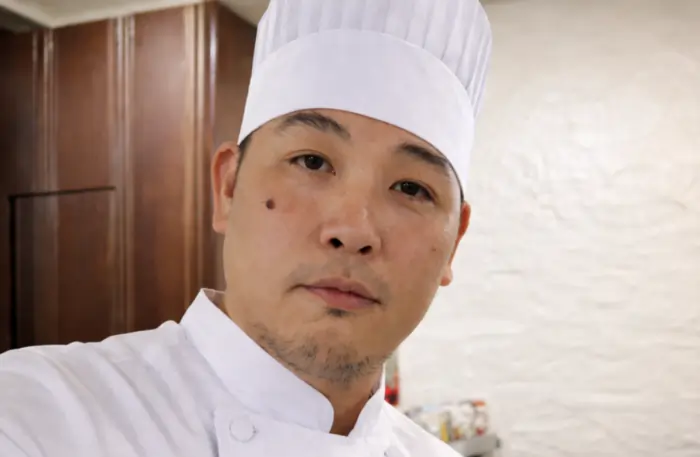
Chef Juan Gadi brings the heart of Filipino hospitality to Ubud, Bali. As an Executive Chef and consultant, he specializes in creating intimate, curated dining experiences that tell a story through every dish. Whether leading the kitchen at Kilig Filipino Warung or hosting a private villa dinner, Chef Juan’s approach is defined by warmth, modern technique, and a commitment to culinary excellence.