Why Filipino Food Appeals to International Travelers Key Takeaways
Why Filipino food appeals to international travelers lies in its bold and balanced combination of sweet, sour, savory, and umami flavors, shaped by centuries of cultural exchange.
- Why Filipino food appeals to international travelers because it effortlessly blends indigenous, Spanish, Chinese, Malay, and American influences into a unique Southeast Asian cuisine .
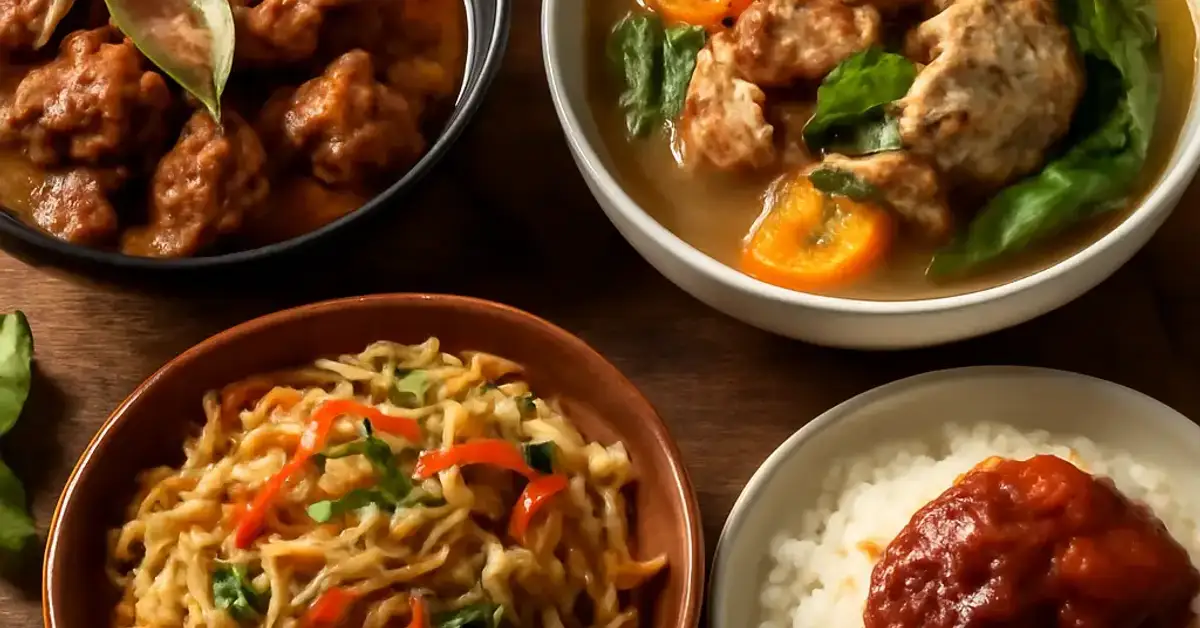
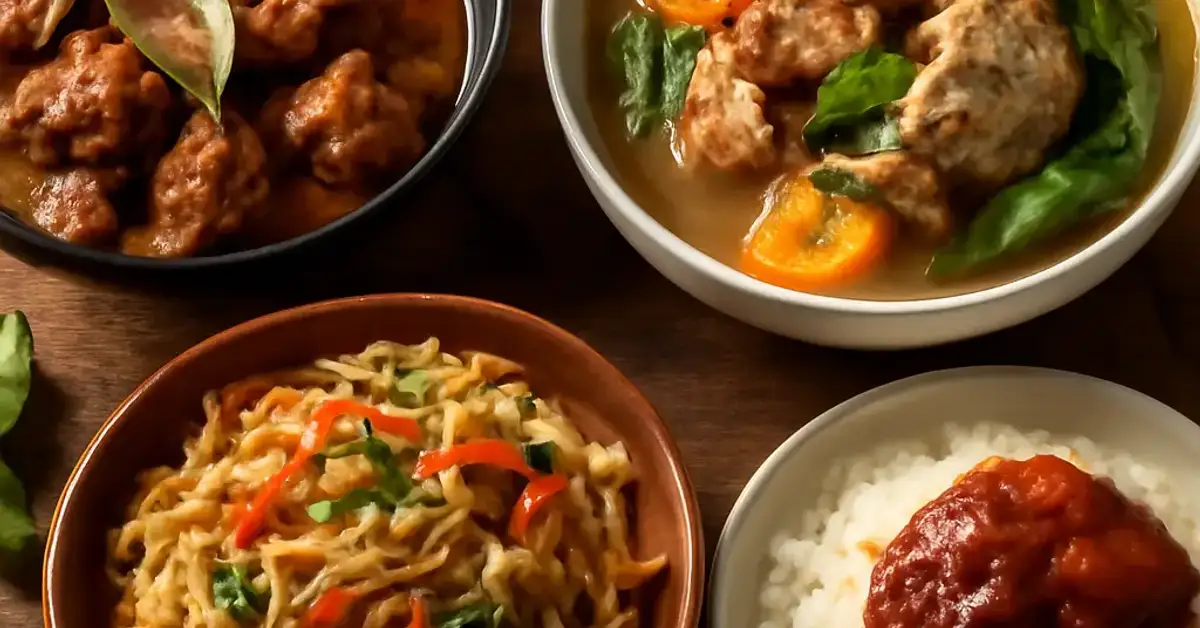
- Key popular Filipino dishes like Lechon, Sinigang, and Pancit showcase a range of textures and tastes that delight adventurous palates.
- Filipino dining traditions — especially communal meals and genuine hospitality — create memorable cultural food experiences that go beyond the plate.
What Makes Filipino Cuisine Stand Out for International Travelers
Why Filipino food appeals to international travelers is a question that more food lovers are asking as the Philippines gains recognition on the global culinary stage. Unlike better-known neighbors such as Thai or Vietnamese cuisine, Filipino cuisine has only recently begun to attract widespread food tourism Philippines attention. The answer lies in the country’s rich Philippine culinary heritage, where every dish tells a story of migration, adaptation, and creativity.
Filipino flavors are distinct because they rarely shy away from intensity. A single bite can deliver sweetness from ripe mangoes or palm sugar, sourness from calamansi or tamarind, saltiness from fish sauce or bagoong, and deep umami from shrimp paste or fermented ingredients. This complexity makes authentic Filipino meals unforgettable for first-time visitors. Moreover, the cuisine is deeply tied to community — eating is always a shared experience, reinforcing why traditional Filipino dishes resonate with international travelers seeking genuine connections.
As global food trends shift toward bold, authentic, and experiential eating, Filipino food is perfectly positioned to capture the curiosity of culinary explorers and food content creators alike.
The Flavor Balance That Makes Filipino Food Culture Memorable
One of the most compelling reasons why Filipino food appeals to international travelers is its masterful balance of four primary tastes: sweet, sour, savory, and umami. Unlike some cuisines that emphasize one dominant flavor, Filipino dishes layer these elements to create harmony. This balance is not accidental — it reflects the availability of local ingredients and centuries of culinary experimentation.
Sweet and Sour in Perfect Harmony
The sour note in many popular Filipino dishes comes from fruits like tamarind (used in Sinigang), calamansi (a sour citrus), and green mangoes. Sweetness often arrives from ripe fruits, coconut milk, or brown sugar. Together, these flavors create a bright, appetizing profile that feels refreshing even in tropical heat.
Savory and Umami Depth
Savory depth is achieved through ingredients like patis (fish sauce), toyo (soy sauce), and bagoong (fermented shrimp or fish paste). These components add complexity to stews, stir-fries, and even grilled meats. The umami punch makes Filipino comfort food particularly satisfying — dishes like Kare-Kare (oxtail stew with peanut sauce) or Sisig (sizzling chopped pork) are proof that Filipino cuisine can rival any Southeast Asian cuisine in flavor intensity.
Why This Balance Appeals to International Travelers
Many international travelers find that Filipino flavors strike a chord because they are both bold and approachable. The sweetness is not cloying, the sourness is not overwhelming, and the saltiness is always tempered by other elements. This makes authentic Filipino meals easy to enjoy even for those new to Southeast Asian cuisine. The cuisine serves as a gentle introduction to the region’s characteristic complexity while offering its own unique voice.
Iconic Traditional Filipino Dishes That Win Over Visitors
No exploration of why Filipino food appeals to international travelers is complete without examining the dishes that define the cuisine. These popular Filipino dishes are not only delicious but also represent the creativity and diversity of Filipino food culture.
Adobo: The National Treasure
Adobo is perhaps the most iconic Filipino cuisine export. It involves braising meat (usually chicken or pork) in a mixture of soy sauce, vinegar, garlic, bay leaves, and black peppercorns. The result is tender, savory, and slightly tangy. Every family has its own version, but the core technique is a brilliant example of Philippine culinary heritage — vinegar and salt preserved meat long before refrigeration. International travelers love Adobo because it is simple yet deeply flavorful, and it pairs perfectly with steamed rice.
Sinigang: The Comforting Sour Soup
Sinigang is a tamarind-based soup loaded with vegetables and your choice of protein (pork, shrimp, or fish). Its sour broth is incredibly refreshing, especially on a hot day. This dish demonstrates how Filipino comfort food can be both light and filling. Food tourists often cite Sinigang as a revelation because it proves that sourness can be the star of a dish without being overpowering.
Lechon: The Celebration Star
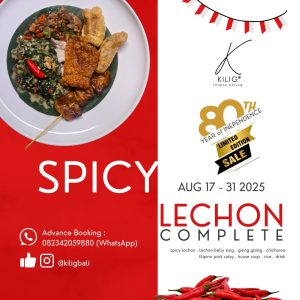
Lechon, or whole roasted pig, is the centerpiece of festive occasions. The skin is crisp and golden, while the meat is succulent and flavorful. Many culinary explorers consider Lechon one of the best roasted meats in the world. Its preparation is an art form, and the communal act of sharing it reinforces Filipino dining traditions of generosity and togetherness.
Halo-Halo: The Ultimate Dessert
Halo-Halo (meaning “mix-mix”) is a shaved ice dessert layered with sweetened beans, fruits, jellies, leche flan, ube (purple yam) ice cream, and evaporated milk. It is a riot of textures and flavors — creamy, crunchy, sweet, and cold. For international travelers, it is a fun, interactive treat that showcases Filipino creativity. It also reflects the multicultural roots of Filipino cuisine, with influences from Japanese (shaved ice) and Spanish (flan) traditions.
Pancit: The Noodle Dish of Long Life
Pancit refers to a family of noodle dishes stir-fried with vegetables, meat, and seafood. Pancit Canton (egg noodles) and Pancit Bihon (rice noodles) are the most common. In Filipino food culture, noodles symbolize long life, so Pancit is always present at birthdays and celebrations. Visitors appreciate its lightness, versatility, and the way it absorbs the savory flavors of soy sauce and calamansi.
How Filipino Cuisine Blends Cultural Influences
The question what makes Filipino cuisine unique compared to other Asian cuisines can be answered by examining its layered history. Filipino cuisine is a living timeline of trade, colonization, and migration. Indigenous cooking methods like boiling, roasting, and fermenting mixed with Chinese stir-frying and noodle-making, Spanish stewing and baking, Malay coconut-based curries, and American convenience foods like spam and canned goods. This fusion is not forced — it evolved organically over centuries, creating a Southeast Asian cuisine that is both familiar and surprising. For a related guide, see The Most Loved Filipino Dishes First Time Visitors Try.
International travelers often remark that Filipino food feels like a delicious hybrid. The use of soy sauce and vinegar (Chinese influence) alongside coconut milk and lemongrass (Malay influence) topped with Spanish-style sausages (chorizo) and American-style burgers is a culinary journey in itself. This diversity is a major reason why Filipino food appeals to international travelers — it offers multiple entry points for different palates.
Filipino Dining Traditions: The Heart of the Experience
Beyond the food itself, Filipino dining traditions are a powerful draw. Meals are almost always shared in a communal setting, with dishes placed in the center of the table for everyone to enjoy. This family-style eating encourages conversation, sharing, and a sense of belonging. Filipino comfort food is designed to be eaten with rice and shared among family and friends, making every meal a social event.
Hospitality, or “magiliw na pagtanggap,” is a core value in Filipino food culture. Guests are treated like royalty — offered the best portions and encouraged to eat more. This warmth turns a simple meal into a cultural food experience that international travelers remember long after they leave. Why do tourists enjoy Filipino dishes so much? Partly because of the flavors, but equally because of the genuine kindness with which they are served.
Festivals and celebrations are also deeply tied to food. From town fiestas featuring Lechon and Pancit to Christmas gatherings with bibingka (rice cakes) and puto bumbong (purple sticky rice), food is the centerpiece of community life. For food tourists, participating in these events offers a window into the soul of the Philippines.
Regional Specialties: A Diverse Philippine Culinary Heritage
The Philippines is an archipelago of over 7,000 islands, and each region boasts its own traditional Filipino dishes and specialties. This diversity is another reason why Filipino food appeals to international travelers — there is always something new to discover.
- Ilocos Region: Known for bagnet (deep-fried pork belly) and pinakbet (vegetable stew with bagoong). These dishes highlight savory and salty Filipino flavors.
- Bicol Region: Famous for dishes cooked with coconut milk and chili, such as Bicol Express (pork in spicy coconut sauce). This region adds a creamy, spicy twist to Filipino cuisine.
- Visayas Islands: Home to the original Lechon (Cebu) and chicken inasal (grilled chicken marinated in calamansi and annatto). The Visayan style is often more acidic and flavorful.
- Mindanao: Influenced by Muslim and Malay traditions, Mindanao offers dishes like pyanggang (chicken cooked in burnt coconut) and kulma (spicy meat stew). This region introduces international travelers to a different side of Filipino food culture.
Exploring regional foods is a highlight of food tourism Philippines. Each island offers a unique taste of the country’s geography and history.
Filipino Street Food: A Gateway to Authentic Filipino Meals
Filipino street food is gaining international attention for its bold flavors and affordability. Stalls in busy city streets and local markets offer a dizzying array of bites: fish balls, kwek-kwek (coated quail eggs), isaw (grilled chicken intestines), balut (fertilized duck egg), and turon (banana spring rolls). While some items may seem intimidating, they represent the adventurous spirit of Filipino cuisine.
For backpackers and adventure travelers, sampling Filipino street food is a rite of passage. It offers an inexpensive, no-frills way to experience authentic Filipino meals and connect with locals. The rise of street food tours in cities like Manila, Cebu, and Davao is a testament to how global food trends are embracing this vibrant aspect of Filipino food culture.
Why Filipino Comfort Food Appeals to Visitors
Filipino comfort food — dishes like Arroz Caldo (rice porridge with chicken and ginger), Lugaw (congee), and Champorado (chocolate rice pudding) — are deeply satisfying and often evoke nostalgia. International travelers find these dishes soothing, especially after long flights or days of exploration. The use of familiar ingredients (rice, chicken, chocolate) combined with local twists (ginger, fermented fish sauce) makes them both comforting and exotic.
This duality is central to why Filipino food appeals to international travelers. It respects the unfamiliar terrain of Southeast Asian cuisine while maintaining a sense of home. For digital nomads and long-term travelers, this balance is particularly appealing; they can enjoy new flavors without feeling lost.
Practical Tips for Food Tourism Philippines
For travel bloggers and food content creators planning a culinary trip, here are some tips to maximize your experience with Filipino cuisine:
- Start with familiar dishes like Adobo and Pancit before moving to more adventurous options like Balut or Dinuguan (pork blood stew).
- Visit local markets (e.g., BGC Market! Market! in Manila or Cebu’s Carbon Market) to sample a variety of Filipino street food in one place.
- Take a cooking class to learn how to prepare traditional Filipino dishes. Classes are widely available in tourist hubs and offer hands-on insight into Filipino food culture.
- Engage with locals. Filipino hospitality means locals are often eager to share their favorite eateries and homemade specialties.
- Explore regional cuisines. Do not limit your food tourism Philippines to Manila; fly to Cebu for Lechon, Iloilo for La Paz Batchoy (noodle soup), or Bicol for spicy coconut dishes.
The Global Rise of Filipino Cuisine and Global Food Trends
Why is Filipino food becoming more popular globally? Several factors are converging. The Filipino diaspora has brought Filipino flavors to major cities worldwide, from Los Angeles to London to Dubai. Social media and food content creators have amplified the visual appeal of dishes like Halo-Halo and Lechon. Global food trends towards bold, authentic, and experiential eating align perfectly with what Filipino cuisine offers.
Michelin-starred chef initiatives and food tourism Philippines campaigns have also raised the profile of Philippine culinary heritage. More international travelers are now actively seeking out authentic Filipino meals as part of their journey to understand the country and its people. The combination of delicious food, warm hospitality, and cultural richness makes the Philippines an irresistible destination for culinary explorers.
Useful Resources
For more in-depth information on Filipino food culture and travel, explore the following reputable resources:
- Food and Wine: The Ultimate Guide to Filipino Food — A comprehensive guide covering essential dishes, regional specialties, and where to eat in the Philippines.
- Lonely Planet: Culinary Travel in the Philippines — Expert travel advice on food tours, street food, and dining traditions across the archipelago.
Frequently Asked Questions About Why Filipino Food Appeals to International Travelers
Frequently Asked Questions About Why Filipino Food Appeals to International Travelers
Why does Filipino food appeal to international travelers ?
Filipino food appeals to international travelers because of its unique combination of sweet, sour, savory, and umami flavors, cultural influences from various countries, and the warm family-style dining traditions that make every meal a memorable experience.
What makes Filipino cuisine unique compared to other Asian cuisines?
Filipino cuisine is unique because it blends indigenous, Spanish, Chinese, Malay, and American culinary traditions, resulting in Filipino flavors that are both bold and balanced, with less emphasis on chili heat and more on sourness, saltiness, and umami.
Why do tourists enjoy Filipino dishes?
Tourists enjoy popular Filipino dishes because they are flavorful, comforting, and often served in communal settings that reflect Filipino dining traditions of hospitality and sharing.
Which Filipino foods are most popular with foreigners?
The most popular Filipino dishes among international travelers include Adobo, Lechon, Sinigang, Halo-Halo, Pancit, and Sisig, as they offer a diverse range of flavors and textures.
How does Filipino cuisine reflect the country’s culture?
Filipino cuisine reflects Filipino food culture through its emphasis on community, celebration, and adaptability, incorporating foreign influences while maintaining indigenous roots.
What flavors make Filipino food memorable?
The memorable Filipino flavors come from the interplay of sour (tamarind, calamansi), sweet (fruits, sugar), savory (soy sauce, fish sauce), and umami (fermented shrimp paste, bagoong). For a related guide, see How Filipino Cuisine Balances Sweet Savory and Sour.
Why is Filipino food becoming more popular globally?
Filipino cuisine is gaining popularity due to global food trends favoring bold flavors, the Filipino diaspora spreading Filipino food culture, and increased exposure through food tourism Philippines campaigns and food content creators.
What traditional Filipino dishes should travelers try?
International travelers should try Adobo, Sinigang, Lechon, Halo-Halo, Pancit, Sisig, Kare-Kare, and Bicol Express to experience the full range of Filipino cuisine.
How does Filipino hospitality enhance the dining experience?
Filipino hospitality makes the dining experience warm and generous, with hosts offering the best food and making guests feel like family, which deepens the appreciation for authentic Filipino meals.
What ingredients are commonly found in Filipino cooking?
Common ingredients in Filipino cooking include soy sauce, vinegar, calamansi, fish sauce (patis), shrimp paste (bagoong), coconut milk, garlic, ginger, and a variety of tropical fruits and vegetables.
Why do food tourists visit the Philippines?
Food tourists visit the Philippines to explore Filipino cuisine, discover regional specialties, enjoy Filipino street food, and participate in cultural food experiences like fiestas and cooking classes.
How does Filipino cuisine blend different cultural influences?
Filipino cuisine blends indigenous techniques with Chinese stir-frying and noodle dishes, Spanish stewing and baking, Malay coconut-based cooking, and American convenience foods, creating a unique Southeast Asian cuisine.
What makes Filipino comfort food attractive to visitors?
Filipino comfort food like Arroz Caldo and Champorado is attractive because it offers soothing, familiar textures paired with distinct Filipino flavors, making international travelers feel at ease.
Why is Filipino street food gaining international attention?
Filipino street food is gaining attention for its variety, affordability, and bold tastes, appealing to adventure travelers and food content creators seeking authentic Filipino meals.
What role does food play in Filipino culture and travel?
Food is central to Filipino food culture and travel, serving as a means of celebration, hospitality, and community, and it is a key motivator for food tourism Philippines.
Is Filipino food spicy?
Generally, Filipino cuisine is not very spicy; the heat level is mild compared to other Southeast Asian cuisine, except in the Bicol region where chili is used more frequently.
Can I find vegetarian Filipino dishes?
Yes, traditional Filipino dishes like pinakbet, laing (taro leaves in coconut milk), and ensaladang talong (grilled eggplant salad) are naturally vegetarian, though many dishes include meat or fish sauce.
What is the best way to start exploring Filipino food?
Start with mild popular Filipino dishes like Adobo and Pancit, then gradually try more adventurous Filipino street food and regional specialties.
Are Filipino dishes heavy on rice?
Rice is a staple in Filipino food culture, and most Filipino comfort food and main dishes are served with steamed rice to balance the flavors.
What is the most famous Filipino dish?
Adobo is often considered the most famous Filipino cuisine dish, known for its simple yet rich combination of soy sauce, vinegar, and garlic.
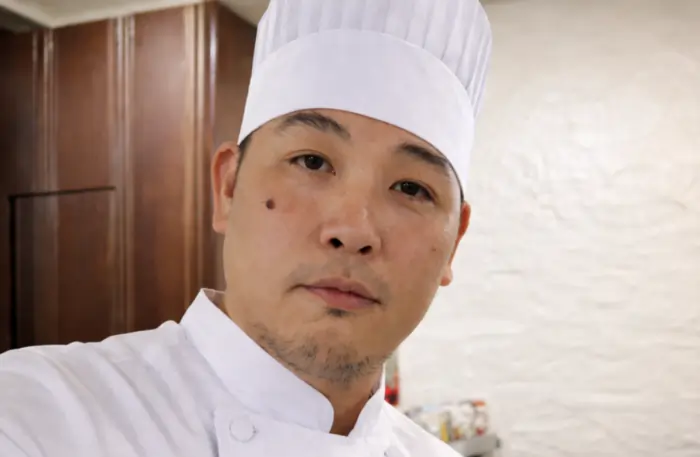
Chef Juan Gadi brings the heart of Filipino hospitality to Ubud, Bali. As an Executive Chef and consultant, he specializes in creating intimate, curated dining experiences that tell a story through every dish. Whether leading the kitchen at Kilig Filipino Warung or hosting a private villa dinner, Chef Juan’s approach is defined by warmth, modern technique, and a commitment to culinary excellence.