Tropical Ingredients Influence Filipino Cooking Key Takeaways
Tropical ingredients influence Filipino cooking by shaping its bold, fresh, and deeply layered flavors.
- Tropical ingredients influence Filipino cooking at every level—staple Filipino ingredients like rice, coconut, and seafood form the foundation of most dishes.
- Coconut in Filipino food appears in everything from savory stews like ginataang dishes to sweet desserts, highlighting its versatility.
- The balance of sweet, sour, and savory—using tropical fruits Philippines like mango and tamarind—creates the unmistakable Filipino cooking style that stands out in Southeast Asian cooking .
What Makes Filipino Cooking So Distinctly Tropical
The Philippines is an archipelago of over 7,600 islands, blessed with a warm, humid climate and fertile volcanic soil. This environment dictates what grows, when it grows, and how it tastes. Tropical ingredients influence Filipino cooking not as an afterthought but as a necessity: cooks use what is abundant and fresh. Unlike cuisines that rely heavily on preserved or imported goods, Philippine food culture celebrates fresh ingredients cooking—vegetables harvested at dawn, fish caught hours before, and fruits ripened under the sun.
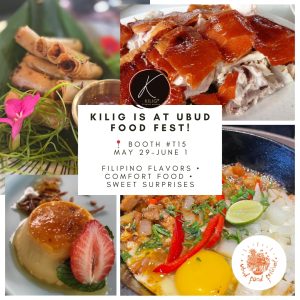
I often tell my guests in Ubud that Filipino food is the truest expression of island life. Every spoonful of sinigang or bite of lechon tells a story about the land and sea. Chef Juan Gadi brings this philosophy to Kilig Filipino Warung, where we honor these tropical roots while adding modern touches.
The Foundational Role of Staple Filipino Ingredients
To understand how tropical ingredients influence Filipino cooking, we must start with the pantry. Filipino ingredients are simple yet profound: rice, coconut, bananas, mangoes, calamansi, and a wide array of seafood. These aren’t just foods—they are the building blocks of a cuisine that feeds both the body and the soul.
Rice: The Heart of Every Meal
Rice is more than a side dish; it is the centerpiece. Whether steamed white rice, garlic fried rice (sinangag), or sticky rice in desserts like bibingka, Filipino tropical cuisine revolves around this grain. The warm, humid climate allows multiple harvests per year, ensuring a steady supply. Rice fields shape the landscape and the culture, making it a true island cuisine staple.
Coconut: The Signature of Filipino Cooking
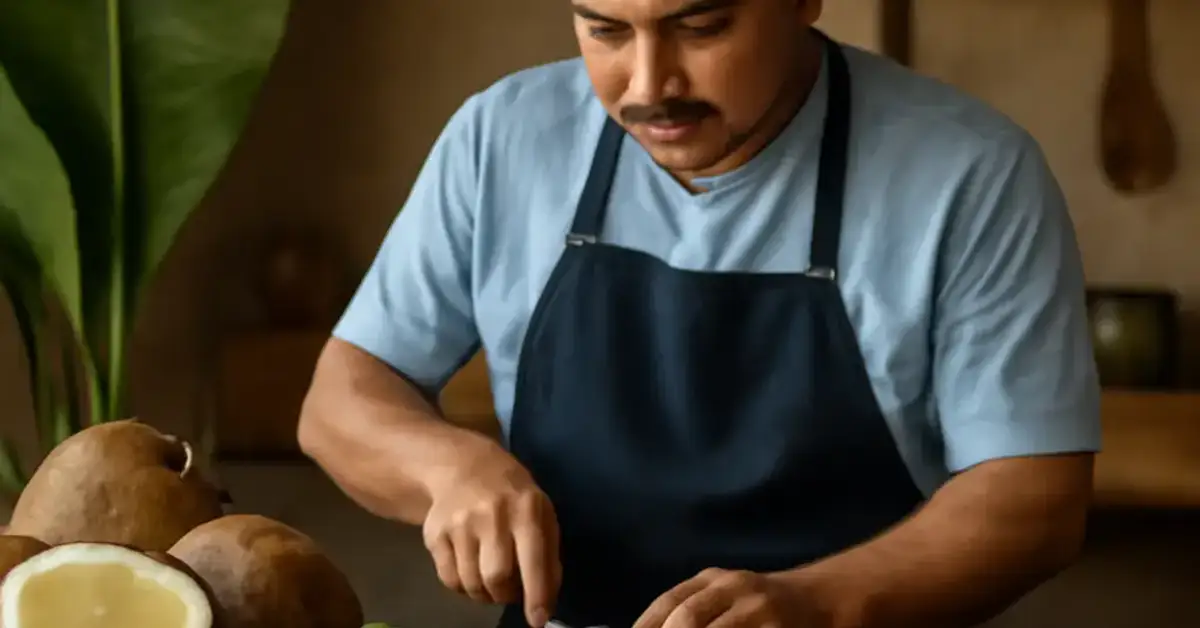
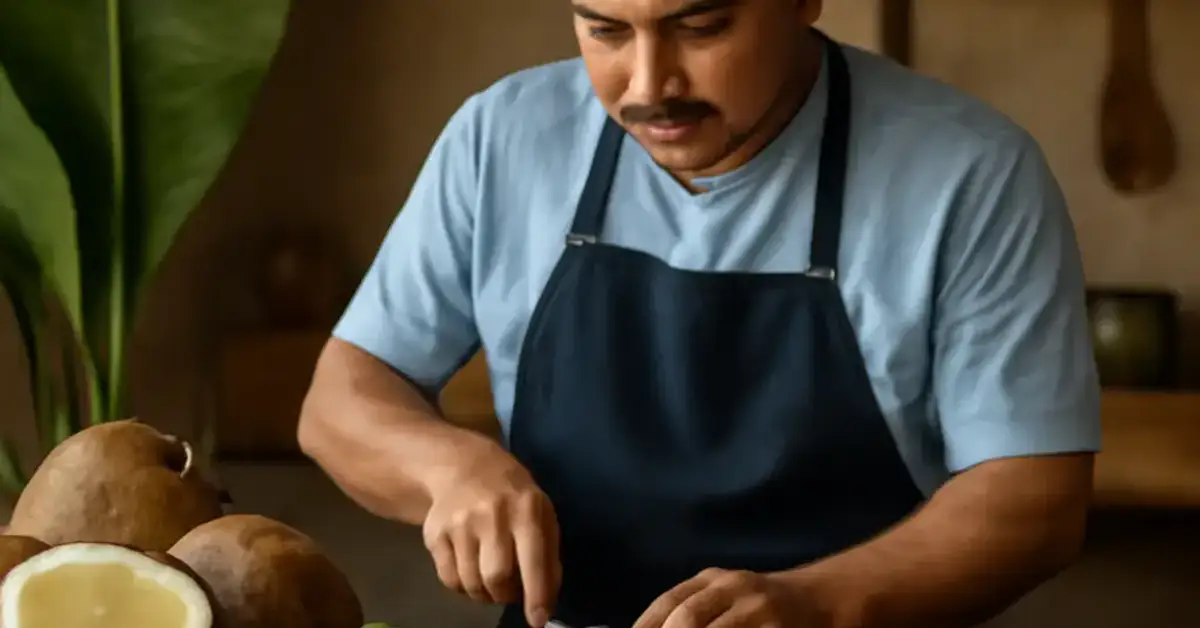
When I think of coconut in Filipino food, I picture its magnificent versatility. Coconut milk (gata) creates luscious, creamy dishes like laing (taro leaves in coconut milk) and ginataang manok. Coconut oil is used for frying, and grated coconut (niyog) sweetens desserts like maja blanca and macapuno. The coconut tree is called the “tree of life” for good reason—every part has a use, from the sap (tuba) to the young fruit (buko).
Coconut Milk in Savory and Sweet Applications
Coconut milk is the bridge between savory and sweet in Filipino tropical cuisine. In Bicol region’s Bicol Express, coconut milk tames the heat of chili peppers. In desserts like ginataang bilo-bilo, it provides a silky base for sweet root crops and glutinous rice balls. This dual role is rare in other cuisines, showcasing how tropical ingredients influence Filipino cooking with both function and flavor.
The Bounty of the Sea: Seafood in Filipino Dishes
The Philippines has over 36,000 kilometers of coastline, making seafood a daily protein source. Seafood Filipino dishes are abundant, diverse, and prepared with respect for the ingredient. Fresh fish like bangus (milkfish), tilapia, and tanigue (Spanish mackerel) are grilled, fried, or simmered in sour broth. Shrimp, crabs, squid, and shellfish appear in sinigang, adobo, and kinilaw (the Filipino version of ceviche).
In my kitchen, I source seafood directly from local fishermen whenever possible. The sweetness of a just-caught prawn grilled over charcoal needs only a dip of calamansi flavor and sea salt. That purity is what fresh ingredients cooking is all about.
Kinilaw: A Raw Expression of Island Cuisine
Kinilaw is a perfect example of how tropical ingredients influence Filipino cooking through simplicity. Fresh fish is “cooked” in vinegar and calamansi flavor, then mixed with ginger, onions, and chili. No heat is applied—only the acid from tropical citrus and vinegar. The result is bright, tangy, and refreshing. It mirrors ceviche from Latin America but uses distinctly Filipino ingredients.
Tropical Fruits and the Sour-Sweet-Savory Balance
Filipino cuisine is famous for its sweet, sour, and savory balance. Tropical fruits Philippines play a starring role in achieving this. Unripe mangoes are dipped in bagoong (fermented shrimp paste) for a savory-sour snack. Ripe mangoes grace sticky rice desserts. But the most important souring agents are tamarind and calamansi.
Calamansi Flavor: The Ubiquitous Sour Note
Calamansi, a small lime-like citrus, is the soul of Filipino cooking style. Its juice is squeezed over noodles, grilled meat, fish, and even used in dipping sauces. The calamansi flavor is tart with a hint of floral sweetness, unmatched by other citrus. It provides acidity that brightens heavy dishes and balances the richness of coconut in Filipino food.
Sinigang Ingredients and the Sour Fish Stew
Sinigang is arguably the national sour soup, and its soul is tamarind. Sinigang ingredients typically include tamarind paste or fresh sampaloc (tamarind pods), pork or shrimp, and vegetables like kangkong (water spinach), radish, and okra. The sourness cuts through the richness of the protein, creating a comforting, palate-cleansing bowl. It is a textbook example of how tropical ingredients influence Filipino cooking by providing natural acidity without processed vinegar.
In my cooking workshops at Kilig, I always emphasize that the perfect sinigang depends on the souring agent. Use tamarind for deeper flavor, calamansi flavor for brightness, or guava for a fruity twist. Each variation reflects Filipino regional cuisine and local availability.
Herbs, Aromatics, and Tropical Spices
Garlic, onions, and ginger are the holy trinity of Filipino cooking. They form the base of most dishes, providing depth and aroma. But beyond these, tropical spices Philippines—like lemongrass, pandan, and chili—add layers of complexity. Tropical spices Philippines grow readily in the warm climate, and they are used generously.
Pandan and Lemongrass: Fragrant Notes
Pandan leaves impart a vanilla-like aroma to desserts and rice. Lemongrass (tanglad) is used in stews and grilled meat marinades. These herbs are not just flavorings; they are used whole, infused, or pounded to release their essential oils. This technique is a hallmark of Southeast Asian cooking that Filipino cuisine shares with its neighbors.
Ginger, Turmeric, and Chili
Ginger (luya) is essential in chicken tinola, a ginger-based soup. Turmeric adds golden color to dishes from Mindanao such as kurma. Chili (sili) brings heat, most famously in Bicol Express. Together, these tropical spices Philippines create a profile that is aromatic, warm, and invigorating—perfect for the island cuisine of a tropical country.
Regional Variations: How Geography Creates Diversity
The Philippines is incredibly diverse, and Filipino regional cuisine reflects the local ingredients available. Luzon, Visayas, and Mindanao each have distinct culinary identities shaped by what grows and swims nearby. For a related guide, see 7 Best Filipino Food Through Regional Flavors: Luzon, Visayas and Mindanao.
| Region | Key Ingredients | Signature Dish |
|---|---|---|
| Luzon (Ilocos Norte) | Garlic, bagoong, bitter gourd | Pinakbet (sautéed vegetables with bagoong) |
| Bicol Region | Coconut milk, chili, taro leaves | Bicol Express (pork in coconut milk and chili) |
| Visayas (Cebu) | Pork, vinegar, citrus | Lechon Cebu (roasted pig with crispy skin) |
| Mindanao (Zamboanga) | Coconut, turmeric, seafood | Kurma (spiced meat with coconut milk) |
This diversity underscores how tropical ingredients influence Filipino cooking differently across islands. In the Visayas, the abundance of seafood leads to more sour and grilled dishes. In Mindanao, the influence of neighboring Malay and Indonesian cuisines brings heavier use of tropical spices Philippines like turmeric and cumin.
Why Filipino Cuisine Is Naturally Flavorful
Philippine gastronomy does not rely on complicated techniques or imported seasonings. Instead, it celebrates the natural intensity of fresh ingredients cooking. The sweetness of a ripe Philippine mango, the tang of calamansi, the richness of coconut milk—these flavors are bold on their own. By combining them thoughtfully, Filipino cooks create dishes that are layered, balanced, and deeply satisfying.
My personal approach in Bali is to let these ingredients speak. At a private villa dinner, I might serve a kinilaw made with line-caught yellowfin tuna, highlighted only by calamansi flavor, ginger, and chili. The dish needs nothing else. That is the beauty of Filipino cooking style: it trusts the ingredient.
Comparing Filipino Cuisine to Other Tropical Cuisines
Filipino food shares DNA with other Southeast Asian cooking traditions but stands apart. Thai cuisine uses coconut milk but favors sweeter profiles and heavy use of fish sauce and curry pastes. Indonesian cuisine shares the love for coconut in Filipino food and rich stews but often incorporates more earthy spices. Filipino cuisine, by contrast, is defined by its sour backbone—calamansi, tamarind, and vinegar—creating a bright, bold palate that is uniquely its own.
Moreover, Filipino tropical cuisine is less reliant on fresh herbs like basil or mint compared to Vietnamese or Thai cuisines. Instead, it relies on the pungency of garlic and the heat of chili, giving it a straightforward, comforting character. This directness is part of its appeal for food enthusiasts and travelers exploring Southeast Asian cooking for the first time.
How Climate and Geography Shaped Philippine Food Culture
The tropical ingredients influence Filipino cooking because the climate and geography allow for year-round growing seasons. There is no winter freeze, so vegetables and fruits are always available. This abundance encourages a culture of preserving only what is necessary—vinegar-fermented vegetables (achara), sun-dried fish (daing), or salted eggs. But preference always leans toward fresh.
Philippine food culture is also communal. Meals are shared, and ingredients are often prepared in large batches. The warm climate makes cooking outdoors common—grilling over charcoal is a beloved method for fish and meat. This connection to the environment is central to Filipino cooking style.
In my work as an executive chef and consultant, I see how travelers from cooler climates are drawn to the vibrant freshness of Filipino tropical cuisine. They recognize the honesty in a dish made with ingredients picked at their peak.
Useful Resources
To deepen your understanding of Philippine gastronomy and its tropical roots, explore these credible resources:
- BBC Travel: The Philippines’ Surprising Culinary Treasure – An insightful article on how geography and history shaped Filipino cuisine.
- National Geographic: A Traveler’s Guide to Filipino Food – A visual and narrative guide to the essential dishes and ingredients of the Philippines.
Chef Juan Gadi brings the heart of Filipino hospitality to Ubud, Bali. As an Executive Chef and consultant, he specializes in creating intimate, curated dining experiences that tell a story through every dish. Whether leading the kitchen at Kilig Filipino Warung or hosting a private villa dinner, Chef Juan’s approach is defined by warmth, modern technique, and a commitment to culinary excellence. Follow his journey to taste how tropical ingredients influence Filipino cooking in every unforgettable bite.
Frequently Asked Questions About Tropical Ingredients Influence Filipino Cooking
How do tropical ingredients influence Filipino cooking ?
Tropical ingredients influence Filipino cooking by providing fresh, abundant staples like coconut, calamansi, and seafood that define the cuisine’s bold, balanced flavors and simple cooking techniques.
What ingredients are common in Filipino cuisine?
Common Filipino ingredients include rice, coconut, bananas, mangoes, calamansi, tamarind, garlic, onions, ginger, and a wide variety of fresh seafood, all shaped by the tropical climate.
How does climate affect Filipino food?
The warm, humid climate allows year-round growing of tropical fruits Philippines, vegetables, and rice, making fresh ingredients cooking the norm and shaping a cuisine that is vibrant, sour, and savory.
Why is coconut important in Filipino dishes?
Coconut in Filipino food is vital because it provides richness through milk and oil, sweetness from the fruit, and versatility in both savory stews and sweet desserts, making it a cornerstone of Filipino tropical cuisine.
What fruits and vegetables are used in Filipino cooking?
Filipino cooking uses tropical fruits Philippines like mango, papaya, and banana, along with vegetables such as kangkong (water spinach), okra, radish, and taro leaves, all grown locally.
How do tropical spices shape Filipino flavors?
Tropical spices Philippines like ginger, turmeric, lemongrass, and chili add warmth, depth, and heat, creating the aromatic profiles found in many Filipino regional cuisine specialties.
What role does seafood play in Filipino cuisine?
Seafood is essential in seafood Filipino dishes due to the country’s extensive coastline. Fish, shrimp, and shellfish are used daily in sinigang, kinilaw, and grilled preparations, reflecting the island cuisine identity.
How did geography influence Filipino food culture?
Geography shaped Philippine food culture by making seafood, coconut, and tropical fruits readily available, while also creating regional differences based on local harvests, as seen in Filipino regional cuisine. For a related guide, see Filipino Food Through Regional Flavors: 7 Essential Flavors to Explore.
What are examples of tropical Filipino dishes?
Examples include sinigang (sour tamarind soup), kinilaw (raw fish in citrus), ginataang dishes (coconut milk stews), and lechon, all highlighting tropical ingredients influence Filipino cooking.
How do herbs and aromatics affect Filipino recipes?
Herbs like pandan and lemongrass, along with garlic, onions, and ginger, build the aromatic base of Filipino cooking style, adding layers of fragrance and flavor that define signature dishes.
Why is Filipino cuisine naturally flavorful?
Philippine gastronomy is naturally flavorful because it uses ripe tropical fruits Philippines, fresh seafood, and minimal processing, allowing the natural intensity of ingredients to shine.
How does Southeast Asian agriculture shape Filipino food?
Southeast Asian cooking traditions, including rice cultivation and coconut farming, directly influence Filipino ingredients and cooking methods, creating shared yet distinct culinary identities.
What makes Filipino cooking unique in tropical climates?
Filipino cooking is unique in its emphasis on sour and salty balances, using calamansi, tamarind, and patis (fish sauce), setting it apart from other island cuisine traditions that may favor sweet or spicy profiles.
How do regional ingredients differ in the Philippines?
Filipino regional cuisine varies: Luzon uses more bagoong and vegetables, Bicol relies heavily on coconut in Filipino food, Visayas favors roasted meats, and Mindanao incorporates tropical spices Philippines like turmeric.
How does Filipino cuisine compare to other tropical cuisines?
Compared to Southeast Asian cooking, Filipino cuisine is less spicy than Thai and less herbaceous than Vietnamese, but it is distinctly sour and savory, using calamansi flavor and vinegar as primary acids.
What is the most important souring agent in Filipino cooking?
Tamarind and calamansi are the most important souring agents. Tamarind provides depth in sinigang ingredients, while calamansi flavor adds brightness to marinades, dips, and kinilaw.
How do Filipinos use coconut milk in everyday cooking?
Coconut in Filipino food is used daily for sautéing, making stews, and creating desserts. It is simmered with meat and vegetables for a creamy sauce or sweetened for desserts like maja blanca.
Is Filipino cuisine healthy?
Filipino tropical cuisine uses fresh ingredients cooking, lean seafood, and vegetables, making it inherently healthy when prepared with minimal oil, though some dishes like lechon are richer.
What is the best introduction to Filipino cuisine for beginners?
Start with sinigang, adobo, and kinilaw—these dishes best showcase how tropical ingredients influence Filipino cooking through signature sour, savory, and fresh flavors. For a related guide, see Why Bali Feels Perfect for Meaningful Dining Moments.
Where can I learn more about Filipino cooking?
Visit the Philippines or join a cooking class at Kilig Filipino Warung in Ubud. Books like “The Food of the Philippines” by Edgie Polistico also provide deep insights into Philippine food culture.
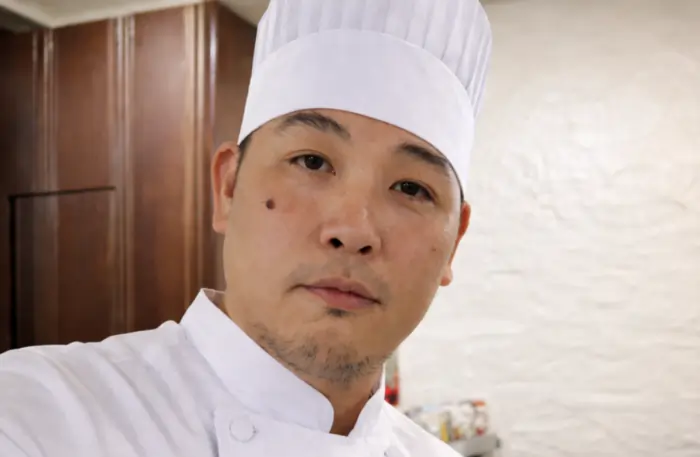
Chef Juan Gadi brings the heart of Filipino hospitality to Ubud, Bali. As an Executive Chef and consultant, he specializes in creating intimate, curated dining experiences that tell a story through every dish. Whether leading the kitchen at Kilig Filipino Warung or hosting a private villa dinner, Chef Juan’s approach is defined by warmth, modern technique, and a commitment to culinary excellence.