
Why Hospitality Shapes the Filipino Dining Experience Key Takeaways
Why hospitality shapes the Filipino dining experience lies at the heart of the Philippines’ rich food culture.
- Why hospitality shapes the Filipino dining experience is rooted in centuries of communal values, where food is an expression of love and belonging.
- Filipino restaurant hospitality goes beyond service—it anticipates needs, welcomes strangers like family, and creates unforgettable personal connections.
- Travelers and food lovers discover that shared meals Philippines are the ultimate gateway to understanding the country’s soul, making every dining moment an emotional journey.

What Readers Should Know About Why Hospitality Shapes the Filipino Dining Experience
I still remember my first invitation to a Filipino home in Manila. I was a young chef traveling through Southeast Asia, eager to learn local flavors. My host, a grandmother named Lola Maria, didn’t just serve me food—she piled my plate high with Filipino comfort food culture staples: sweet longganisa, garlic-fried rice, and a tangy vinegar dip. She kept saying, “Kain na, marami pa!” (Eat up, there’s plenty more). That moment taught me that why hospitality shapes the Filipino dining experience is not about fancy service—it’s about an open heart and an open table.
In the Philippines, the kitchen is the soul of the home, and the dining table is where relationships are built. Filipino hospitality is a cultural force that compels hosts to offer the best they have, often at their own expense. This article explores the deep roots of that warmth, why it defines Filipino dining culture, and how you can experience it authentically as a traveler or food enthusiast.
The Cultural Roots of Filipino Hospitality Culture
To understand why hospitality shapes the Filipino dining experience, you must first appreciate the cultural values Filipino cuisine carries. The Filipino concept of pakikisama (getting along harmoniously) and utang na loob (debt of gratitude) creates a social fabric where generosity is expected, not optional. When a Filipino host offers food, they are saying, “You belong here. You are family.” For a related guide, see Where Travelers Can Experience Filipino Cuisine in Bali.
Shared Meals Philippines: A Tradition of Generosity
Shared meals Philippines are never just about sustenance. They are a celebration of togetherness. In traditional Filipino table culture, dishes are placed at the center of the table for everyone to share. This practice reinforces equality, community, and the joy of collective enjoyment. Filipino food sharing becomes a silent language of care—each spoonful offered is a gesture of love. For a related guide, see How Filipino Food Reflects Family and Celebration.
This tradition extends beyond the home. In Filipino restaurant culture, you’ll often see groups ordering multiple dishes to share, passing plates back and forth, and laughing across the table. The warmth in Filipino dining is palpable, and even solo diners are quickly adopted into the group’s rhythm.
Family Style Filipino Dining: The Heart of the Table
Family style Filipino dining is the most authentic expression of Filipino culinary identity. Large platters of adobo, sinigang, and lechon are served alongside mountains of rice. Everyone reaches for the same bowl, breaking bread—and often bones—together. This practice reflects Filipino cultural values of humility and inclusion. No one eats until everyone is seated. The first bite is never taken alone.
Community Dining Philippines: Eating as a Social Ritual
In the Philippines, meals are never rushed. Community dining Philippines transforms eating into a rich social ritual that can last for hours. Social dining culture Philippines is built on extended conversations, multiple courses, and the Filipino cultural warmth that makes every guest feel important. This slow, intentional approach is a direct contrast to the fast-food ethos, and it’s one reason travelers fall in love with Filipino food tourism. For a related guide, see Why Filipino Cuisine Fits Balis Relaxed Dining Culture.
How Social Values Affect Filipino Dining Traditions
Cultural values Filipino cuisine such as hiya (shame) and amor propio (self-respect) influence dining etiquette. Guests are encouraged to eat heartily—refusing food can be seen as rejecting the host’s kindness. This is why you’ll hear constant encouragement: “Eat more, you’re too thin!” Filipino table manners are warm, with an emphasis on gratitude and respect for elders, who are always served first.
These customs create an emotional food experiences Philippines that linger long after the meal ends. The generosity you receive Filipino generosity itself becomes a souvenir you carry home.
Comparing Filipino Dining with Southeast Asian Hospitality
When you examine Southeast Asian hospitality comparison, Filipino hospitality culture stands out for its exuberance. While Thailand charms with elegant service and Vietnam with street-food energy, the Philippines wraps you in familial warmth that feels immediate and unconditional. Island hospitality culture across the archipelago means that even in remote barangays, you will be offered coffee, coconut, or whatever the house has.
Why Travelers Love Filipino Hospitality Culture
Travelers consistently rank the Philippines high for friendliness. Hospitality in Philippines isn’t performed—it’s innate. In Filipino restaurant experience, staff treat you like a guest in their home, often remembering your name and your favorite dish. This hospitality driven dining experiences approach turns every meal into a cultural food experiences Philippines you’ll never forget.
How Filipino Restaurants Show Hospitality
Filipino restaurant hospitality is about anticipation. A good server notices when you need more water before you ask. They suggest dishes based on your mood, not just the menu. In many Filipino dining culture establishments, the owner or chef will personally come to your table to ask how the food is. This is not a performance—it’s genuine curiosity and care.
Experiential Dining Philippines: Chef Juan Gadi’s Approach
As an Executive Chef and consultant based in Ubud, Bali, I bring this Filipino hospitality culture into every plate I create. Why hospitality shapes the Filipino dining experience is a question I answer through my work at Kilig Filipino Warung and private villa dinners. I focus on Filipino gastronomy culture and Philippine food heritage by combining modern technique with the warmth of traditional Filipino table culture.
In my curated dining experiences, guests don’t just taste food—they feel it. Each dish tells a story of my grandmother’s kitchen, of fiestas in the province, and of the Filipino food identity that ties us all together. Social connection through food Philippines is at the core of my cooking philosophy, and I invite you to experience this magic firsthand.
Emotional Food Experiences Philippines: Why They Stay With You
The most powerful reason why hospitality shapes the Filipino dining experience is the level of emotional connection. Emotional food experiences Philippines tap into nostalgia, comfort, and belonging. A bowl of chicken arroz caldo on a rainy day, or a plate of crispy pata shared with friends—these are not just meals, they are memories in the making. Filipino comfort food culture is deeply tied to Filipino cultural warmth, creating safety and happiness in every bite.
Practical Steps for Travelers: How to Embrace Filipino Dining Culture
To fully appreciate why hospitality shapes the Filipino dining experience, follow these tips:
- Eat with locals – Join a family-style dinner or a community feast. Look for Filipino food tourism experiences that offer home dining.
- Use your hands – In many traditional settings, eating with your hands (kamayan) enhances the sensory connection to the food and the company.
- Say “salamat” – Express gratitude. A simple “thank you” goes a long way in Filipino dining etiquette.
- Be open to seconds – Refusing additional servings can disappoint your host. Accept graciously, even if you’re full.
- Ask for stories – Every dish in Filipino culinary traditions has a story. Engage with locals about the origins of the recipe.
Common Misconceptions About Filipino Dining Culture
Some travelers think Filipino dining culture is purely about eating a lot. In reality, it’s about emotional and social connection. Another myth is that Filipino food culture is only for adventurous eaters—but its appeal lies in its comforting, familiar flavors: savory, sour, salty, and sweet, all balanced on one plate. Filipino food identity is inclusive, welcoming everyone to the table.
Useful Resources
For a deeper dive into Filipino hospitality culture and its influence on dining, check out these resources:
- Association for Asian Studies – Filipino Food and Culture
- UNICEF Philippines – “Food Tells a Story of Love”
Conclusion: Your Invitation to Experience Filipino Dining
Why hospitality shapes the Filipino dining experience is not just a question—it’s an invitation. An invitation to sit down, share a meal, and become part of a family. From the sweet taste of mango sticky rice in Ubud to the savory depth of adobo in Manila, the spirit of Filipino hospitality culture travels with every plate. I invite you to discover this warmth for yourself. Book a table, visit a local home, or reach out to Chef Juan Gadi for a curated dining experience that will feed your body and soul.
Frequently Asked Questions About Why Hospitality Shapes the Filipino Dining Experience
Why does hospitality shape the Filipino dining experience?
Hospitality shapes Filipino dining culture because it is rooted in the cultural value of pakikisama, which prioritizes harmony, generosity, and making guests feel like family. Every meal becomes an opportunity to express care.
How does Filipino hospitality influence food culture?
Filipino hospitality culture drives hosts to prepare abundant meals, share their best ingredients, and constantly encourage guests to eat more. This creates a hospitality driven dining experiences that is generous and inclusive.
What makes Filipino dining so welcoming and warm?
The warmth in Filipino dining comes from the personal attention hosts give—they remember preferences, share stories, and ensure no one eats alone. Filipino restaurant service mirrors this genuine care.
How does family-style eating reflect Filipino hospitality ?
Family style Filipino dining puts all dishes at the center for everyone to share, symbolizing equality and community. It reflects Filipino cultural values of generosity and togetherness.
Why is sharing food important in Filipino culture?
Filipino food sharing is a tangible expression of Filipino generosity. It builds trust and strengthens social bonds, especially during community celebrations and family gatherings.
How do social values affect Filipino dining traditions?
Social dining culture Philippines emphasizes respect for elders, humility, and gratitude. These values shape everything from seating arrangements to the way food is served and received.
What role does community play in Filipino meals?
Community dining Philippines is central to Filipino social culture food. Meals are extended events where people connect, share stories, and strengthen relationships, often lasting hours.
How does hospitality improve restaurant experiences in the Philippines?
Filipino restaurant hospitality goes beyond friendly service—staff anticipate needs, personalize recommendations, and treat every guest as a valued friend, creating experiential dining Philippines moments.
Why do travelers love Filipino hospitality ?
Travelers love Filipino hospitality culture because it feels authentic and unconditional. Filipino food tourism thrives on this genuine warmth, making every dining experience memorable.
How does Filipino culture express care through food?
Emotional food experiences Philippines demonstrate care through the act of cooking and sharing. Preparing someone’s favorite dish is a love language in Filipino food culture.
What makes Filipino dining experiences emotional and memorable?
The combination of Filipino comfort food culture, warm hospitality, and shared stories creates deep emotional resonance. These cultural food experiences Philippines often become lifelong memories.
How do Filipino restaurants show hospitality?
Filipino restaurant culture shows hospitality through staff that engage personally, remember repeat customers, and offer extras like free soup or desserts to make guests feel special.
Why is respect important in Filipino dining culture ?
Filipino dining etiquette places a high value on respect for elders and hosts. Serving the eldest first, using polite language, and accepting food graciously are all signs of Filipino cultural values.
How does generosity influence Filipino food experiences ?
Filipino generosity ensures that hosts always offer more than enough food. This abundance creates a sense of security and belonging, enhancing the entire dining experience.
What cultural values define Filipino hospitality in meals?
Filipino cultural warmth, utang na loob (debt of gratitude), and kapwa (shared identity) are the core values that define Filipino meal traditions and hospitality.
Is Filipino hospitality similar to other Southeast Asian cultures?
In a Southeast Asian hospitality comparison, Filipino hospitality is unique for its familial intensity and lack of formality. It’s less about service excellence and more about emotional generosity.
What is traditional Filipino table culture ?
Traditional Filipino table culture involves shared platters, hand-eating (kamayan), and communal dipping sauces. Everyone eats from the same dishes, reinforcing unity and Filipino food identity.
How does Filipino food tourism highlight hospitality?
Filipino food tourism often incorporates home dining, market tours, and family-run eateries where hospitality in Philippines is the main attraction, not just the food.
What is island hospitality culture in the Philippines?
Island hospitality culture refers to the warm, open-hearted welcome found across the Philippine archipelago, where even strangers are treated with Filipino cultural warmth and offered food.
How can I experience authentic Filipino dining hospitality?
To experience why hospitality shapes the Filipino dining experience, join a local feast, book a private dinner with a chef like Chef Juan Gadi, or visit traditional carinderias and sari-sari stores that serve home-style meals.
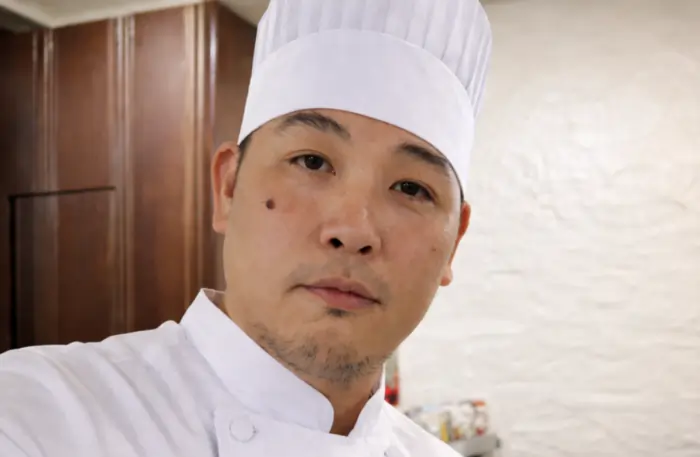
Chef Juan Gadi brings the heart of Filipino hospitality to Ubud, Bali. As an Executive Chef and consultant, he specializes in creating intimate, curated dining experiences that tell a story through every dish. Whether leading the kitchen at Kilig Filipino Warung or hosting a private villa dinner, Chef Juan’s approach is defined by warmth, modern technique, and a commitment to culinary excellence.