Migration Shaped the Evolution of Filipino Cuisine Key Takeaways
Filipino cuisine today is a living archive of centuries of movement—trade routes, colonial rule, labor migration, and diaspora communities.
- Filipino migration cuisine began with pre-colonial trade and intensified through centuries of movement, creating a uniquely layered food culture.
- Key migrant groups—Chinese, Spanish, American, and modern OFWs—each left distinct imprints on ingredients, techniques, and flavor profiles.
- Understanding this history helps explain why Filipino food resonates globally today, from adobo in New York to sisig in Dubai.
What Readers Should Know About How Migration Shaped the Evolution of Filipino Cuisine
Filipino food is often described as the original fusion cuisine of Asia, and for good reason. how migration shaped the evolution of Filipino cuisine is not just a historical curiosity—it is the central narrative that explains why a single bowl of pancit can taste like China, why adobo carries Spanish vinegar and garlic, and why spaghetti in Manila is sweet and loaded with hot dogs. Every wave of migration—whether forced or voluntary, temporary or permanent—left a lasting mark on the Filipino table.
The Pre-Colonial Foundations: Trade and Filipino Trade Food History
Before the first European ships arrived, the Philippine archipelago was already a crossroads of maritime trade. Austronesian ancestors cultivated rice, taro, and root crops, while traders from as far as India, Arabia, and the Malay archipelago exchanged spices, coconut, and techniques. Filipino trade food history reveals that even in this early period, migration and cuisine Philippines were intertwined—merchants carried ingredients like turmeric, ginger, and palm sugar, which became staples in local kitchens. This openness to external influence set the stage for everything that followed. For a related guide, see How History Shaped the Evolution of Filipino Cuisine.
The Chinese Wave: Noodles, Soy, and the Birth of Chinese Filipino Cuisine Influence
By the 10th century, Chinese traders were regularly docking in Manila and other coastal settlements. They introduced wheat noodles (the ancestor of pancit), soy sauce, tofu, and the concept of stir-frying in a wok. Chinese Filipino cuisine influence is so deep that lumpia (spring rolls) and siopao (steamed buns) are now considered national comfort foods. The Chinese also brought the technique of preserving meat through salting and fermentation, which later merged with local vinegar traditions to create adobo. How did Chinese migration affect Filipino cooking? It provided the foundational umami and noodle culture that define many of the country’s most beloved dishes.
Key Dishes Born from Chinese Migration
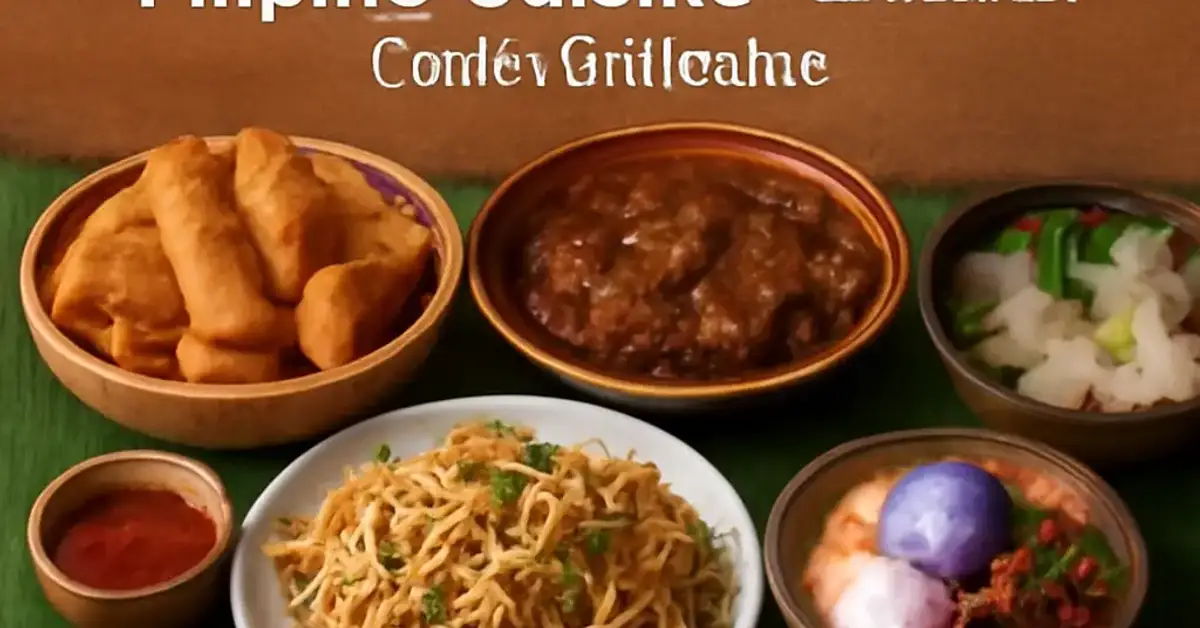
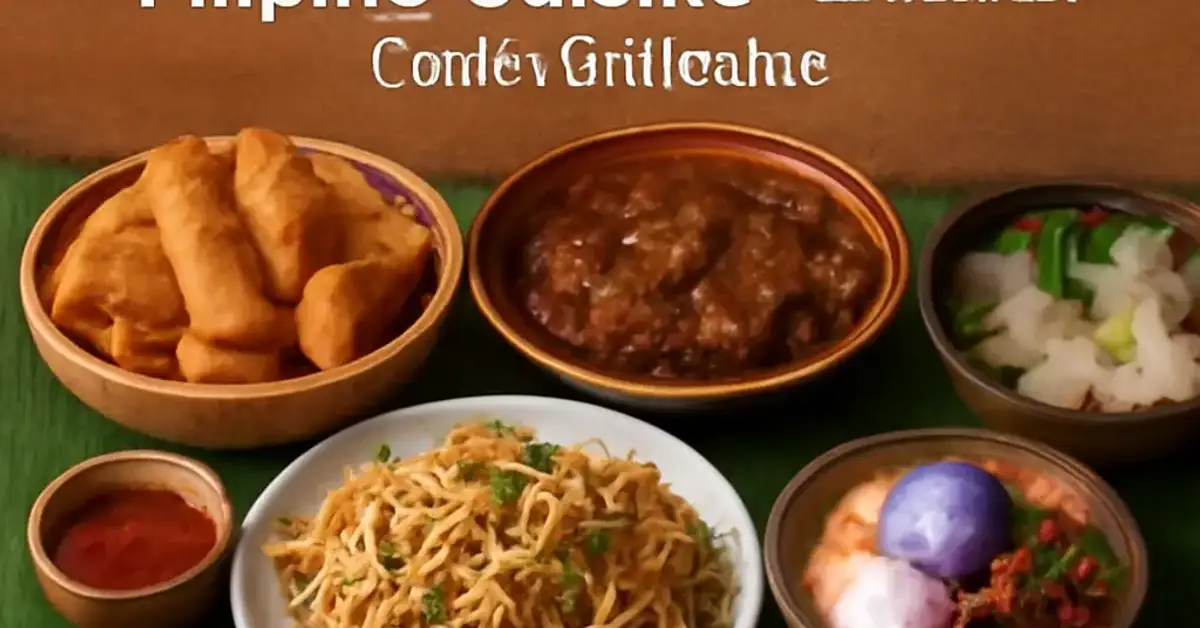
- Pancit – stir-fried noodles symbolizing long life, ubiquitous at Filipino celebrations.
- Lumpia – fresh or fried spring rolls, filled with vegetables and sometimes meat.
- Siopao and Siyomai – steamed buns and dumplings, adapted to local sweet-savory palates.
- Taho – soft tofu with arnibal (caramelized sugar) and sago pearls, a beloved street breakfast.
The Spanish Colonial Eras: Spanish Filipino Food History
When the Spanish arrived in 1565, they brought more than Catholicism and colonial rule—they brought a whole new pantry. Spanish Filipino food history is marked by the introduction of tomatoes, potatoes, bell peppers, corn, garlic, onions, and olive oil. They also brought cooking techniques like braising and stewing in clay pots (the palayok). The galleon trade that connected Manila to Acapulco funneled ingredients from the Americas and Europe into Filipino kitchens. What impact did Spanish and American migration have on Filipino food? Spanish colonization introduced rich stews like caldereta, mechado, and afritada, as well as the concept of fiesta feasts built around roasted pig (lechon).
Why Is Filipino Cuisine Considered a Fusion of Cultures?
Because the Spanish themselves were influenced by the Moors and the Mexicans. The dishes that arrived in the Philippines were already hybrid: paella with Southeast Asian turmeric, tamales with coconut milk, empanadas stuffed with local vegetables. This layered exchange is why cultural fusion Filipino food is not a modern marketing term but a centuries-old reality. Cross cuisine Philippines was happening inside colonial kitchens, conventos, and market stalls.
The American Period: Canned Goods and American Filipino Dishes
After the Spanish-American War, the United States colonized the Philippines in 1898. American influence brought a different kind of culinary shift—industrialization. American Filipino dishes like Filipino-style spaghetti (sweetened banana ketchup-based sauce), canned corned beef, spam, and hot dogs became pantry staples. The introduction of refrigeration and supermarkets changed how Filipinos shopped and cooked. How did migration shape the evolution of Filipino cuisine during this period? It democratized protein, making meat accessible to more families, and created convenience-driven dishes like beef tapa (cured beef) served with fried rice and egg—tapsilog.
The OFW Era: Filipino Diaspora Food Goes Global
The late 20th century saw an unprecedented wave of labor migration. Overseas Filipino workers (OFWs) brought their cooking skills and cravings to every continent. Filipino diaspora food exploded in popularity as OFWs opened restaurants, catering businesses, and pop-ups in cities from Hong Kong to London. How do overseas Filipinos influence modern Filipino dishes? They adapt traditional recipes to local ingredients—using Japanese curry cubes for kare-kare or Mexican tortillas for tacosilog. Overseas Filipino food culture is also responsible for the global recognition of sisig (originally a Kapampangan sizzling dish) and halo-halo (shaved ice dessert).
The OFW Effect on Filipino Street Food Globalization
Street foods like isaw (grilled chicken intestines), kwek-kwek (quail egg fritters), and fish balls have followed OFWs abroad. Filipino street food globalization means these items now appear at food festivals in Dubai, Singapore, and California. How does global migration change Filipino street food? It introduces new dipping sauces, fusion twists (like wasabi fish balls), and higher hygiene standards required by international health codes.
Regional Variations: Regional Filipino Cuisine Development
Migration did not just affect the national palate—it also deepened regional differences. Regional Filipino cuisine development was shaped by who arrived and settled in each area. In the Ilocos region, Chinese influence is strong in binungor (fermented fish) and diningding (vegetable stew). In Pampanga, Spanish influence created menudo and morcon. In Mindanao, Islamic trade routes brought kulma (curried meat) and tiula itum (black soup). How has migration created regional Filipino food variations? By depositing distinct cultural communities along trade and colonial routes, each with their own ingredient preferences and cooking techniques. For a related guide, see The Role of Indigenous Ingredients in Filipino Cuisine.
| Region | Key Migration Influence | Representative Dish |
|---|---|---|
| Ilocos | Chinese | Pancit Batil Patong |
| Pampanga | Spanish | Lechon, Menudo |
| Bicol | Trade with Malay/Indonesia | Laing (taro leaves in coconut milk) |
| Zamboanga | Islamic and Malay trade | Kulma, Satti |
| Visayas | Pre-colonial trade + Spanish | Chicken Inasal, Binignit |
Preserving Filipino Culinary Heritage in Diaspora Communities
How do Filipino diaspora communities preserve traditional cuisine? Through community kitchens, religious feasts, and social media groups. Filipino culinary heritage is often maintained by second-generation Filipinos who learn recipes from their elders and then modernize them. They create kare-kare without oxtail, halo-halo with Ube ice cream from local grocery stores, and pancit using Italian spaghetti. Diaspora Filipino recipes evolve without losing their soul. This preservation also happens through food events like Filipino Food Month and the annual Pancit Festival in California.
Contemporary Fusion and Global Filipino Cuisine
Today, global Filipino cuisine is experiencing a renaissance. Chefs like Jordy Navarra (Toyo Eatery), Claude Tayag (Bale Dutung), and the team behind Malinam in New York are reimagining traditional flavors through fine dining and modern techniques. Filipino culinary fusion appears in ramen shops offering sinigang tonkotsu, taco trucks selling sisig tacos, and bakeries producing ensaymada cronuts. How does cultural exchange influence Filipino gastronomy? It pushes boundaries while respecting roots. Filipino international cuisine is no longer an exotic niche—it is a growing category in the global food system.
How Trade and Migration Introduced New Ingredients to the Philippines
Food globalization Philippines began with the galleon trade and continues through modern importation. The Chinese brought soy sauce and noodles; the Spanish brought livestock, wheat, and tomatoes; the Americans brought canned goods and refrigeration. Later, OFWs introduced ingredients like Japanese mayonnaise, Korean gochujang, and Italian pasta. Each new ingredient was absorbed into the local repertoire, creating a continuous cycle of adaptation. Trade and migration food exchange remains the engine of Filipino culinary evolution.
Optimizing Your Understanding: A Checklist for Filipino Gastronomy Migration
- Trace the timeline: start with pre-colonial trade, then Chinese, Spanish, American, and OFW waves.
- Identify key ingredients introduced by each migrant group (e.g., soy sauce from China, tomatoes from Spain).
- Look at iconic dishes and reverse-engineer their origins (adobo = Chinese soy + Spanish vinegar).
- Explore regional differences as evidence of localized migration impacts.
- Study modern OFW-driven innovations to see how the cycle continues.
- Engage with diaspora food businesses—they are the living archives of this evolution.
Useful Resources
For a deeper dive into the historical trade routes that shaped Filipino food, visit the National Museum of the Philippines online exhibits on pre-colonial trade. For contemporary analysis of OFW food culture, read the research articles at the Association for Asian Studies.
Conclusion: A Cuisine Still in Motion
How migration shaped the evolution of Filipino cuisine is not a finished story. Each new wave of Filipinos moving abroad—whether for work, study, or family—carries their cooking with them and returns with new ideas. The cuisine is a living document, written and rewritten by every generation. For food historians, cultural researchers, and curious eaters alike, understanding this migration narrative is the key to appreciating the depth and complexity of Filipino food. It is a cuisine that never stops moving—and that is exactly what makes it so compelling.
Frequently Asked Questions About how migration shaped the evolution of Filipino cuisine
How did migration shape the evolution of Filipino cuisine?
Migration introduced new ingredients, cooking techniques, and flavor combinations over centuries. Chinese traders brought noodles and soy sauce; Spanish colonizers introduced tomatoes, garlic, and stewing methods; Americans added canned goods and refrigeration. Modern OFWs have taken these traditions abroad, creating a global demand for Filipino food.
What migrant influences are present in Filipino food?
Chinese influence appears in pancit, lumpia, and taho. Spanish influence is seen in caldereta, lechon, and paella adaptations. American influence is obvious in Filipino-style spaghetti, canned meat dishes, and the silog breakfast family. Islamic and Malay influences dominate Mindanao cuisine, and OFW communities continue to innovate abroad.
How did overseas Filipinos influence modern Filipino dishes?
Overseas Filipinos adapt traditional recipes to local ingredients—for example, using Japanese curry roux for kare-kare or Mexican tortillas for tacosilog. They also popularize dishes like sisig and halo-halo internationally, creating new fusion versions that later return to the Philippines.
Why is Filipino cuisine considered a fusion of cultures?
Because it blends indigenous Austronesian cooking with Chinese, Spanish, American, Malay, and even Mexican influences. Every wave of migration added new tools, ingredients, and tastes, resulting in dishes that carry multiple cultural signatures.
How did Chinese migration affect Filipino cooking?
Chinese migrants introduced wheat noodles, soy sauce, tofu, stir-frying, and fermentation techniques. These became foundational to dishes like pancit, lumpia, and adobo (which combines Chinese soy with local vinegar).
What impact did Spanish and American migration have on Filipino food?
Spanish colonization brought tomatoes, garlic, olive oil, livestock, and stewing traditions. American rule introduced canned goods, refrigeration, and mass-produced processed foods, leading to dishes like Filipino-style spaghetti and tapsilog.
How do Filipino diaspora communities preserve traditional cuisine?
They recreate ancestral recipes with locally available ingredients, host community feasts, teach children through cooking classes, and share recipes via social media and YouTube channels. Food festivals and Filipino restaurants abroad also help preserve culinary heritage.
How does global migration change Filipino street food?
Global migration introduces new dipping sauces (like wasabi or Sriracha), fusion variations (such as sisig tacos), and higher hygiene standards required by international health regulations. Street food evolves while retaining its core identity.
What are examples of migrant influenced Filipino dishes?
Pancit (Chinese), lumpia (Chinese), adobo (Chinese-Spanish hybrid), caldereta (Spanish), Filipino-style spaghetti (American), sisig (pre-colonial Kapampangan with modern sizzling plate), and halo-halo (Japanese kakigori influence).
How did trade and migration introduce new ingredients to the Philippines?
Through the galleon trade, the Philippines received chilies, tomatoes, corn, and potatoes from the Americas. Chinese trade brought soy sauce, noodles, and tofu. Modern imports through OFWs introduced Japanese, Korean, and Italian ingredients into everyday Filipino cooking.
How does Filipino food evolve abroad?
It evolves by substituting unavailable ingredients with local alternatives, adjusting sweetness and spice levels for new palates, and creating hybrid dishes like adobo tacos or pancit carbonara. Chefs and home cooks experiment while trying to maintain the soul of the dish.
What role do overseas workers play in spreading Filipino cuisine?
OFWs open restaurants, catering businesses, and pop-up stalls in their host countries. They introduce colleagues and friends to Filipino food, host potlucks, and share recipes online. This grassroots marketing has built global awareness of dishes like adobo and sisig.
How has migration created regional Filipino food variations?
Different migrant groups settled in different areas. Chinese communities in Ilocos shaped a noodle-heavy cuisine; Spanish influence concentrated in Pampanga and Manila; Islamic and Malay traders influenced Mindanao. This created distinct regional food identities.
How do cultural exchanges influence Filipino gastronomy?
Cultural exchanges introduce new flavor combinations (like adobo with Korean gochujang), cooking methods (air-frying for crispy lechon), and presentation styles (fine-dining versions of kare-kare). They keep Filipino gastronomy dynamic and globally relevant.
What is the relationship between migration and Filipino culinary identity?
Migration is the core of Filipino culinary identity. Each wave of movement added layers of flavor and technique, creating a cuisine that is simultaneously ancient and modern, local and global. Filipino food cannot be understood without its migration history.
What is Filipino gastronomy migration ?
It refers to the study of how migration—both into and out of the Philippines—has shaped the country’s food culture, from ingredient use to cooking techniques to dining trends. It is a growing field in food anthropology.
What does Filipino recipe evolution mean in this context?
It means how classic Filipino recipes have changed over time due to migration. For example, original adobo used only vinegar and salt; Chinese traders introduced soy sauce; Spanish colonizers added garlic and bay leaves. The recipe continues to evolve abroad.
How does food anthropology migration Philippines help us understand the cuisine?
Food anthropology examines how people’s movement affects what they eat, how they cook, and what those foods mean culturally. In the Philippines, it reveals how trade routes, colonialism, and labor migration have all left edible traces.
What are diaspora culinary traditions in Filipino context?
They are the food customs maintained by Filipinos living abroad, including holiday feasts, family recipes passed down orally, and community gatherings centered around dishes like pancit and lechon. These traditions adapt but persist.
Why is global Filipino cuisine becoming popular now?
Three factors: the massive OFW diaspora introduced Filipino food worldwide; social media made dishes like halo-halo and adobo visually viral; and a new generation of chefs is reimagining Filipino cuisine for fine dining and fast-casual formats, gaining international recognition.
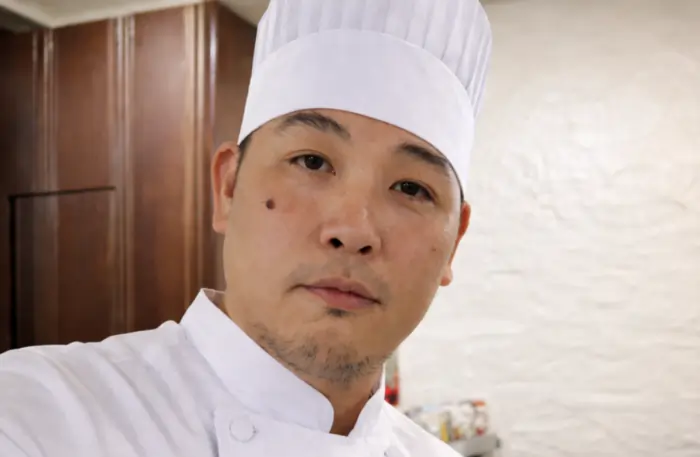
Chef Juan Gadi brings the heart of Filipino hospitality to Ubud, Bali. As an Executive Chef and consultant, he specializes in creating intimate, curated dining experiences that tell a story through every dish. Whether leading the kitchen at Kilig Filipino Warung or hosting a private villa dinner, Chef Juan’s approach is defined by warmth, modern technique, and a commitment to culinary excellence.