
Ways Shared Meals Strengthen Human Connections Key Takeaways
In an era of digital distraction, the simple act of sitting down to eat with another person has become a radical act of presence.
- Ways shared meals strengthen human connections by lowering defenses, synchronizing emotions, and creating a shared narrative that deepens intimacy.
- Group dining experiences trigger the release of oxytocin—the “bonding hormone”—and foster cooperation even among strangers.
- From family dinners to community feasts, the act of breaking bread together builds trust, encourages empathy, and strengthens social cohesion across all ages.
Why Ways Shared Meals Strengthen Human Connections Matter More Than Ever
In an era of digital distraction, the simple act of sitting down to eat with another person has become a radical act of presence. The psychology of shared dining reveals that when we share food, we share more than nutrients—we share attention, emotion, and intention. Research from the cultural anthropology of food sharing shows that every culture uses meals to mark belonging, from the Filipino kamayan feast to the Italian Sunday lunch.
As a chef who has spent years hosting intimate dinners in Ubud, Bali, I have seen firsthand how hospitality and human interaction transform strangers into friends. A well-crafted meal does not just satisfy hunger; it creates a safe space for connection. The cultural significance of communal eating runs deep, and understanding that power is the first step to using food as a tool for genuine relationship building. For a related guide, see 11 Ways Food Creates Emotional Travel Memories.
1. Shared Meals Activate the Brain’s Bonding Circuits
The psychology of eating together is rooted in neurobiology. When we eat in a group, our brains release oxytocin, the hormone associated with trust and attachment. This is one of the most powerful ways shared meals strengthen human connections because it reduces social anxiety and increases openness.
Social bonding through food experiences begins in the brain’s reward centers. The simple act of passing a dish or waiting for everyone to be served creates a rhythm of cooperation that mirrors the way early human tribes survived. Modern group meal psychology confirms that people who eat together report higher levels of trust and cooperation, even in workplace settings.
As Chef Juan Gadi, I design my private dining events to encourage this emotional connection through meals. By removing distractions and letting the food tell a story, guests naturally lower their defenses and connect on a deeper level.
The Neuroscience of Breaking Bread
Studies from the psychology of shared dining field show that shared meals synchronize the heart rates and breathing patterns of diners. This biological synchrony fosters empathy and understanding, making it one of the most profound ways shared meals strengthen human connections.
2. Hospitality Creates a Container for Vulnerability
True hospitality and social interaction go beyond service. They create a psychological container where people feel safe enough to be vulnerable. This is the essence of hospitality-driven social experiences. A thoughtfully set table, a warm greeting, and a meal prepared with care signal that the guest matters.
Emotional intelligence and dining go hand in hand. A good host reads the room—adjusting pacing, conversation topics, and even menu choices to suit the group. When I host at Kilig Filipino Warung, I watch for cues: who needs more space, who wants to share a story, who is new to the cuisine. This level of attunement turns a simple dinner into a dining experience social bonding event.
How Hospitality Builds Trust at the Table
Shared dining and trust building happen when guests feel cared for. The act of serving someone—whether a bowl of soup or a glass of wine—is a gesture of generosity that says, “I see you.” That feeling of being seen is the foundation of emotional connection food experiences.
3. Group Dining Experiences Create Shared Stories
One of the most powerful ways shared meals strengthen human connections is through story creation. When a group experiences a meal together—whether a chaotic street food adventure in Bangkok or a perfectly plated tasting menu in Ubud—they create a shared narrative that binds them.
Group dining experiences impact memory formation significantly. Research on food and conversation connection shows that people remember what they talked about during a meal more vividly than what they ate. This is why restaurant experiences and social interaction are so effective for team building and first dates. The food becomes the backdrop, but the conversation becomes the bond.
Designing Memorable Group Dining Experiences
As a consultant, I encourage hospitality professionals to think beyond the plate. The best group dining experiences include moments of surprise—a chef’s table visit, a shared platter that requires passing, a ritual toast. These small rituals are part of the social rituals around meals that create lasting emotional bonds.
4. Family Meals Build Lifelong Emotional Skills
The family meals importance cannot be overstated. Regular shared dinners teach children conversation skills, emotional regulation, and empathy. This is one of the most researched ways shared meals strengthen human connections, with data showing that teens who eat with their families five or more times a week are less likely to engage in risky behaviors.
Family dining traditions and bonding create a sense of identity. When I think of my own childhood in the Philippines, I remember not just the adobo and sinigang, but the laughter and stories exchanged over rice. That cultural food sharing gave me a sense of belonging that I now recreate in my cooking.
The Science of the Family Dinner Table
Social bonding food traditions like passing dishes and serving elders teach children consideration. These small acts are part of communal eating and social cohesion at the micro level. They are not just habits—they are the building blocks of emotional intelligence.
5. Cultural Food Sharing Preserves Heritage and Identity
The cultural significance of communal eating extends far beyond nutrition. Food is a carrier of identity. When communities gather to share traditional dishes, they reinforce shared values and history. This is one of the most meaningful ways shared meals strengthen human connections across generations.
Cultural dining traditions like the Filipino handaan (feast) or the Balinese mesari-sari (village offering) are not just about food. They are about reaffirming bonds with ancestors, neighbors, and the land. The cultural anthropology of food sharing documents how these meals create social cohesion and pass down wisdom.
Travel Dining and Cultural Connection
Travel dining bonding is one of the fastest ways to understand a culture. When travelers share a meal with locals—whether in a Kyoto home or a Ubud warung—they bridge differences. Dining experiences and emotional wellbeing improve when people feel connected to a place through its food. This is why food tours and cooking classes are so popular for experiential dining and connection building. For a related guide, see 10 Reasons Shared Meals Feel More Meaningful.
6. Communal Eating Encourages Generosity and Sharing
The act of sharing food is a primal expression of trust. Community meals like neighborhood potlucks or village feasts demonstrate community bonding through food in action. When we bring a dish to share, we are offering a piece of ourselves.
Meal sharing culture in places like India (thali meals) or Ethiopia (injera platters) forces a level of intimacy that individual plating does not. Reaching for the same dish, using the same bread to scoop, creates a physical connection. This is one of the most literal ways shared meals strengthen human connections—through shared touch and shared resources.
7. Restaurant Social Experiences Foster New Friendships
Restaurant experiences and social interaction are increasingly designed to encourage mingling. Communal tables, chef’s counters, and tasting menus that require interaction are all examples of group dining experiences impact on social connection.
In my work at Kilig, I often seat guests who do not know each other together. The food and conversation connection happens naturally when the food is intriguing enough to discuss. Social eating habits in modern dining reveal that people value connection as much as cuisine. This is why hospitality and human interaction should be at the center of every restaurant concept.
8. Shared Dining Builds Trust in Professional and Community Settings
Shared dining and trust building is well documented in workplace psychology. Companies that encourage team lunches see higher collaboration scores. Relationship building through shared meals is faster and more effective than traditional team-building exercises because it activates the same neural pathways as cooperative foraging.
Group meals benefits extend to community organizing as well. Neighborhood dinners, block parties, and church potlucks are classic examples of communal eating and social cohesion. They create a sense of shared fate and mutual accountability.
9. Emotional Connection Through Meals Heals and Restores
Emotional connection through meals has therapeutic value. Therapists and grief counselors often recommend shared meals as a way to process loss or reconnect after conflict. Dining experiences and emotional wellbeing are closely linked because the act of being fed is associated with safety and care.
When I host private villa dinners for guests recovering from burnout or grief, I see the transformation. The combination of nourishing food, attentive service, and a beautiful setting creates a space for healing. This is the true meaning of hospitality-driven social experiences—not serving food, but serving people.
10. Experiential Dining Creates Authentic Human Connection
The final and perhaps most layered of the ways shared meals strengthen human connections is through experiential dining. These are meals that are not just eaten but experienced—through storytelling, theme, sensory immersion, and interaction. Experiential dining and connection building works because it engages all the senses and demands presence.
At Kilig Filipino Warung, I tell the story of Filipino migration through each course. Guests do not just eat—they travel. This human connection through shared experiences is what I strive for every day. It is not about the Instagram post. It is about the moment when someone says, “I feel like I understand your culture now.” That is food culture and human relationships at their finest.
Useful Resources
For further reading on the psychology of shared dining and social bonding through food experiences, explore these credible sources:
- American Psychological Association: How Shared Meals Strengthen Social Bonds
- National Library of Medicine: The Neurobiology of Breaking Bread Together
Frequently Asked Questions About Ways Shared Meals Strengthen Human Connections
Frequently Asked Questions About Ways Shared Meals Strengthen Human Connections
How do shared meals strengthen human connections?
Shared meals lower psychological defenses, encourage cooperation, and release bonding hormones like oxytocin, making people feel closer and more trusting.
Why are communal meals important for relationships?
Communal meals create a shared experience and a safe space for conversation, helping couples, friends, and families deepen their emotional bonds.
What is the psychology behind eating together?
The psychology involves synchronized behavior, mirror neurons, and the release of feel-good neurotransmitters that promote empathy and social connection.
How does food bring people closer socially?
Food acts as a universal language and a non-verbal gesture of generosity, breaking down barriers and creating a sense of shared identity and mutual care.
Why do families benefit from shared meals ?
Regular family meals improve communication, emotional regulation, and academic performance in children while reinforcing family identity and traditions.
How do group dining experiences improve bonding?
Group dining encourages turn-taking, collaborative decision-making, and shared storytelling, all of which strengthen relational ties and mutual understanding.
What role does hospitality play in human connection?
Hospitality creates a safe and welcoming environment where guests feel valued, which lowers social anxiety and opens the door for genuine connection.
How do shared meals build trust and relationships?
Sharing food signals a willingness to be vulnerable and generous, two key behaviors that build trust. Repeated shared meals reinforce that trust over time.
How does cultural dining strengthen community bonds?
Cultural dining events like feasts and potlucks reinforce shared heritage and values, creating a collective identity that binds community members together.
What are examples of social bonding through food?
Examples include family dinners, work team lunches, neighborhood potlucks, street food tours, cooking classes, and religious feasts like iftar or Thanksgiving.
How do restaurants encourage social interaction?
Restaurants use communal tables, chef’s counters, shared plates, and interactive dessert courses to encourage guests to talk, share, and connect.
Why is eating together important in human culture?
Eating together has been a cornerstone of human culture since prehistoric times because it promotes cooperation, resource sharing, and social cohesion.
Can shared meals improve emotional wellbeing?
Yes, the social connection from shared meals reduces loneliness and stress, and the ritual of eating together provides comfort and a sense of belonging.
How does the cultural anthropology of food sharing explain bonding?
Anthropologists show that food sharing was essential for survival in early human groups and evolved into a social signal of trust and reciprocity.
What is group meal psychology ?
Group meal psychology studies how eating together influences mood, cooperation, and group dynamics, often finding that shared meals increase prosocial behavior.
How do hospitality-driven social experiences differ from regular dining?
They prioritize emotional connection over efficiency, using personalized service, storytelling, and intentional pacing to create a memorable bonding experience.
What is emotional intelligence and dining ?
Emotional intelligence in dining involves reading guests’ emotional states, adapting conversation and pacing, and creating an atmosphere that supports connection.
How does food culture shape human relationships?
Food culture dictates how we share, what we cook, and when we eat, shaping daily interactions and reinforcing the relationships that define our social world.
What is experiential dining and connection building ?
Experiential dining engages all the senses through storytelling, theme, and interaction, making the meal a shared memory that deepens connections among guests.
How can I incorporate these ways shared meals strengthen human connections into my own gatherings?
Start by prioritizing presence: put away phones, serve food family-style, include a personal story or toast, and choose dishes that require sharing and conversation.
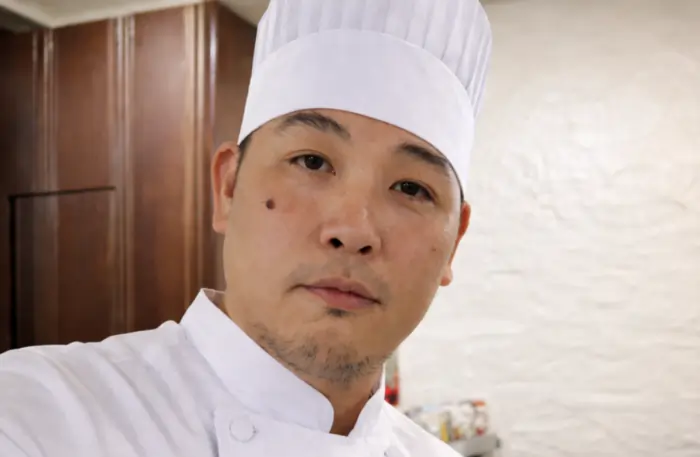
Chef Juan Gadi brings the heart of Filipino hospitality to Ubud, Bali. As an Executive Chef and consultant, he specializes in creating intimate, curated dining experiences that tell a story through every dish. Whether leading the kitchen at Kilig Filipino Warung or hosting a private villa dinner, Chef Juan’s approach is defined by warmth, modern technique, and a commitment to culinary excellence.