Catering Trends Shaping Modern Gatherings Key Takeaways
Whether you are planning a destination wedding in Ubud or a corporate gala in Jakarta, understanding the latest catering trends is the first step toward delighting modern guests.
- Catering Trends Shaping Modern Gatherings center on guest interaction and sustainability. Live cooking stations and plant-forward menus now dominate event planning conversations.
- Modern catering industry trends prioritize customization and technology. Digital ordering platforms and data-driven menu design let you tailor every bite to the occasion.
- Eco-friendly event catering and minimal waste practices are no longer optional. Guests expect local, seasonal ingredients and zero-waste operations that respect the planet.
What Readers Should Know About Catering Trends Shaping Modern Gatherings
Whether you are planning a destination wedding in Ubud or a corporate gala in Jakarta, understanding the latest catering trends is the first step toward delighting modern guests. The industry has moved far beyond standard buffets and stiff plated dinners. Today, every dish, every station, and every service touchpoint is an opportunity to tell a story.
As an Executive Chef who blends Filipino hospitality with contemporary techniques, I have watched these shifts firsthand. Guests no longer simply eat; they seek experiential dining events that engage all the senses. They value sustainable catering practices and want to know where their food comes from. They also crave personalized catering experiences that make them feel seen and celebrated.
Below, I break down eight transformative trends that are shaping the future of event dining. Each trend includes practical examples and expert insights to help you apply them to your own gatherings.
1. Interactive Food Stations: The New Heart of the Party
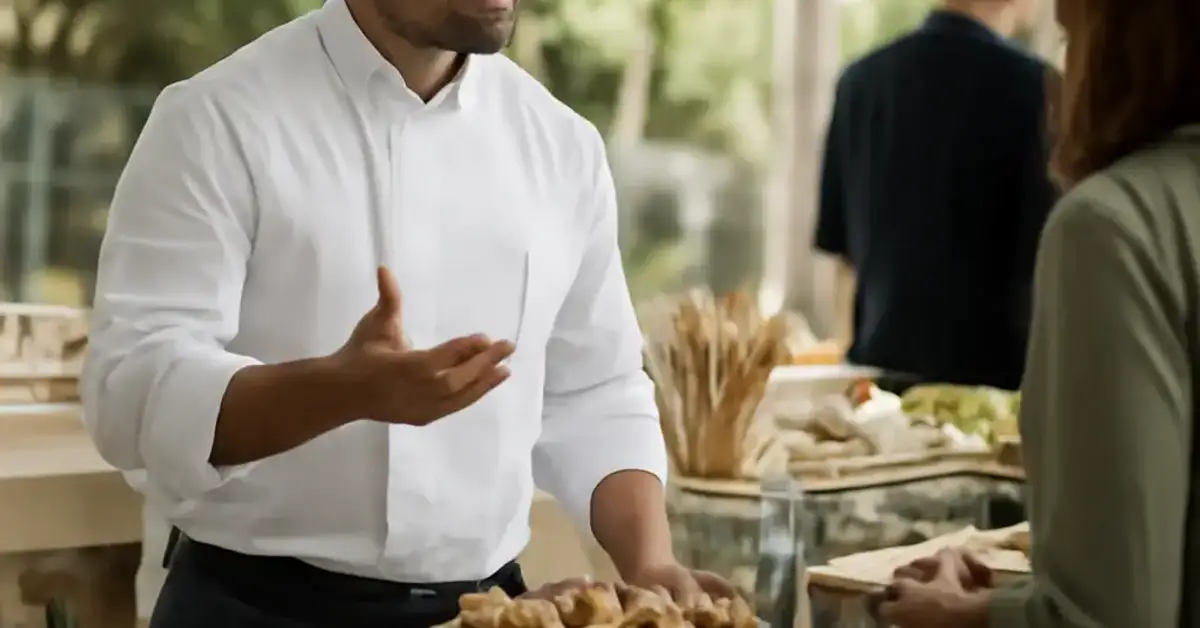
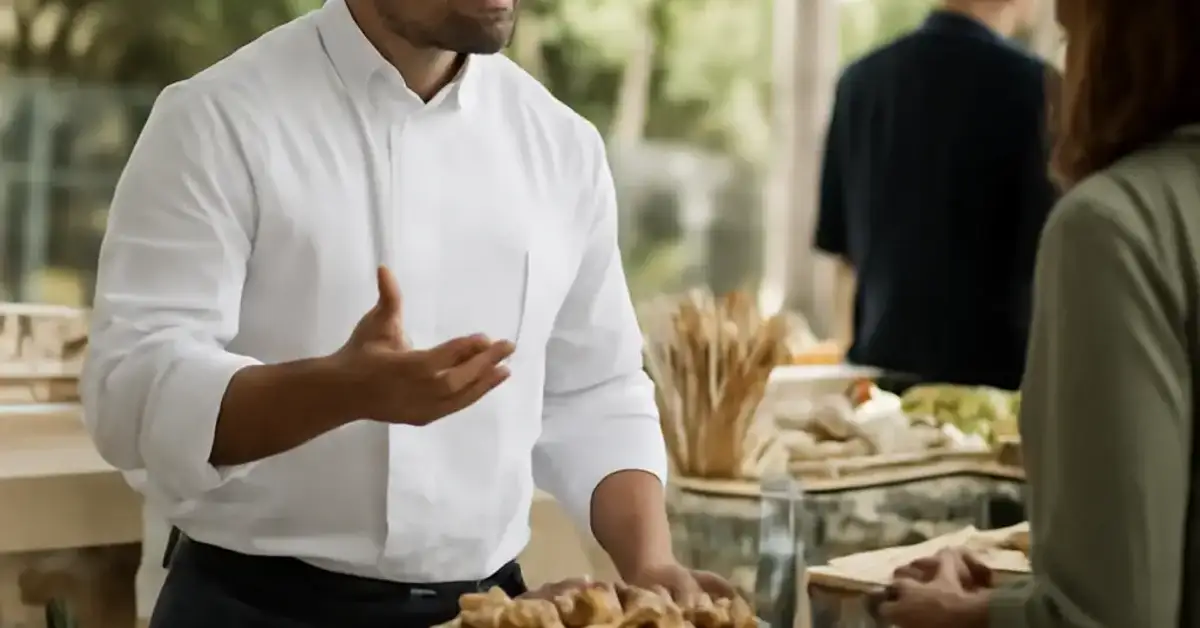
Gone are the days when a buffet line meant lukewarm trays under a heat lamp. Interactive food stations add theatre and spontaneity to any event. At my warung in Ubud, a sizzling grill station where guests watch satay being charred over coconut husks sparks conversations and keeps people lingering.
These stations work beautifully for weddings, corporate mixers, and milestone celebrations. A taco bar with made-to-order fillings, a pasta station where the chef tosses noodles tableside, or a ceviche counter where the citrus “cooks” the fish right in front of you — all create a sense of participation and delight.
From a logistical standpoint, live cooking stations for events also help control waste. You prepare components in bulk but only finish each plate when a guest orders it. That means fresher food, less spoilage, and a more memorable experience.
2. Sustainable Catering Practices: Good for the Planet, Great for Your Brand
Sustainable catering is no longer a niche preference — it is a baseline expectation. Eco-friendly events are now a key differentiator for venues and caterers alike. This means sourcing local and seasonal ingredient sourcing first, choosing compostable or reusable service ware, and designing menus that minimize waste. For a related guide, see 10 Menu Planning Tips for Intimate Gatherings.
One of the most effective minimal waste catering practices is root-to-stem cooking. When I prepare a traditional Filipino kare-kare, the oxtail bones go into a rich broth, the vegetable peels become pickles, and any leftover sauce is repurposed into a marinade for the next event. Every ingredient earns its place.
Guests notice these efforts. In fact, many millennials and Gen Z hosts specifically seek out caterers who publish their sustainability policies. Highlighting zero waste catering initiatives in your marketing can build trust and attract eco-conscious clients.
3. Plant-Based Menu Trends in Events: Abundance, Not Restriction
Ask any caterer: the biggest menu request today is for robust plant-based options that satisfy everyone — not just vegans. Plant-based menu trends in events have moved far beyond a single sad salad. Think jackfruit rendang, mushroom sisig that rivals the pork original, and cashew cream sauces that feel indulgent.
I have served plant-based versions of classic Filipino dishes at private villa dinners, and even the meat lovers at the table go back for seconds. The key is flavor depth. Fermentation, smoking, and umami-rich ingredients like miso and coconut aminos transform vegetables into stars.
For event planners, offering a fully plant-forward menu also simplifies dietary management. It naturally covers vegetarian, vegan, dairy-free, and many gluten-free needs, reducing the need for separate special meals.
4. Personalized Catering Experiences: Your Event, Your Story
Guests today expect a menu that feels custom-made for them — because it is. Personalized catering experiences go beyond asking about allergies. They involve pre-event tastings, preference surveys, and even interactive menu-building apps.
I recently catered a wedding where the couple’s love story was told through a progressive dinner. Each course represented a milestone: the street food from their first date, the pasta they shared during their trip to Italy, and the dessert that reminded them of their grandmother’s kitchen. That level of catering customization trends creates emotional connections that guests remember for years.
For corporate events, personalization can be more subtle — offering three base menus with interchangeable sides, sauces, and protein choices that suit different departments or VIP guests. The effort is always appreciated.
5. Fusion Cuisine in Celebrations: Bold Flavors, Global Influences
Fusion cuisine in celebrations reflects the increasingly multicultural nature of modern gatherings. A wedding might feature Korean-Mexican tacos one course and Italian-Indonesian risotto the next. The goal is not chaos but harmony: flavors that surprise without confusing.
At my restaurant, Kilig, I often blend Filipino techniques with Mediterranean ingredients — like a sinigang-inspired broth with heirloom tomatoes and basil oil. Fusion works best when the chef respects each culinary tradition and finds a genuine bridge between them.
For event planners, fusion menus offer a built-in talking point. Guests will ask about the dish, the inspiration, and the chef. That conversation becomes part of the experience.
6. Buffet Innovation Trends and Plated Service Modernization
Buffets are not dead — they are evolving. Buffet innovation trends focus on smaller, more curated stations with higher-quality ingredients. Instead of a single long table, think grazing tables, action stations, and family-style platters that encourage sharing.
Simultaneously, plated service modernization is making formal dinners feel fresh. Chefs are plating with drama — using edible flowers, smoke domes, and geometric drizzles. Yet the service is less rigid. Waitstaff might explain each course in a relaxed, storytelling tone rather than a stiff script.
A hybrid approach is gaining traction: a plated first course to set the tone, followed by interactive stations for the main event. This structure keeps guests engaged and allows for both elegance and spontaneity.
7. Tech-Driven Catering Solutions: Smarter Planning, Seamless Execution
Tech-driven catering solutions are transforming operations from the back office to the dining table. Digital ordering and event coordination platforms allow guests to pre-select meals, specify dietary needs, and even tip staff — all from their phones.
Behind the scenes, inventory software tracks ingredient usage in real time, reducing waste and simplifying reordering. Some caterers now use AI to predict attendance and adjust portions accordingly. Catering technology also includes smart serving equipment, such as heated chafing dishes with temperature sensors, ensuring food quality throughout an event.
For smaller caterers, even a simple online menu builder and booking system can save hours of back-and-forth emails. Digital catering services level the playing field, allowing boutique operations to compete with large-scale companies.
8. Luxury Catering Experiences and Themed Catering Concepts
Luxury catering experiences in 2025 are less about gold leaf and more about rarity and craft. Think single-origin heirloom rice, dry-aged fish, and bespoke beverage pairings. The luxury comes from the story behind each ingredient and the skill of the chef who prepares it.
Themed catering concepts add another layer of immersion. A Balinese jungle party might feature ceremonial dishes cooked over open flames, with traditional music playing in the background. A 1920s Gatsby gala could offer prohibition-style cocktails and oysters on the half shell, served from a converted vintage car.
These experiences demand hospitality service innovation — staff who can act as both servers and storytellers, explaining the theme and the food with genuine enthusiasm. When done well, themed catering elevates a gathering into a truly immersive dining experience.
Modern Guest Expectations in Catering: What Hosts Must Deliver
To succeed in this new landscape, you must align with modern guest expectations in catering. Today’s attendees value:
- Transparency — They want to know where ingredients come from and how they are prepared.
- Flexibility — Dietary preferences and restrictions must be accommodated gracefully.
- Storytelling — Every dish should have a narrative, whether it is a family recipe or a local tradition.
- Instagrammability — Social media friendly food presentation is essential. If a dish looks stunning on camera, it will amplify your event’s reach.
Meeting these expectations requires a shift in mindset. You are no longer just feeding people; you are crafting an event dining experience evolution that resonates emotionally and socially.
Beverage Pairing Innovations and Health-Conscious Menu Options
No modern meal is complete without thoughtful drinks. Beverage pairing innovations now include non-alcoholic craft cocktails, kombucha flights, and even tea pairings that mirror wine service. These options cater to the growing number of health-conscious and sober-curious guests.
Similarly, health-conscious menu options are woven into the entire meal, not relegated to a separate “dietary” table. Think nutrient-dense grains, fermented vegetables, and lean proteins prepared with bold spices instead of heavy sauces. This approach satisfies wellness-focused guests without sacrificing flavor.
For caterers, building a repertoire of low-sugar, high-protein, and gut-friendly dishes can open doors to wellness retreats, yoga festivals, and corporate wellness events.
Event Food Innovation: The Role of the Modern Chef
At the heart of every trend is the chef. Event food innovation demands that we stay curious, collaborative, and willing to push boundaries. I have learned as much from local farmers and fermentation enthusiasts as I have from formal culinary training. The best ideas often come from stepping away from the stove and into the community.
Chefs today must also master the business side — understanding catering technology, managing budgets, and communicating with planners in plain language. The modern caterer is part artist, part operations manager, part storyteller.
Useful Resources
To dive deeper into these trends, explore these credible sources:
- Special Events Magazine — Industry news, case studies, and best practices for event catering and design.
- Catersource — A leading resource for catering professionals, offering educational content, trend reports, and networking opportunities.
Frequently Asked Questions About Catering Trends Shaping Modern Gatherings
About the Author: Chef Juan Gadi brings the heart of Filipino hospitality to Ubud, Bali. As an Executive Chef and consultant, he specializes in creating intimate, curated dining experiences that tell a story through every dish. Whether leading the kitchen at Kilig Filipino Warung or hosting a private villa dinner, Chef Juan’s approach is defined by warmth, modern technique, and a commitment to culinary excellence. For a related guide, see Best Catering Services in Bali (2026 Guide by a Restaurant Owner).
Ready to transform your next event? Start by embracing at least one of these trends — whether it is adding a live cooking station, switching to local sourcing, or designing a personalized menu. Your guests will thank you, and your reputation will grow.
Frequently Asked Questions About Catering Trends Shaping Modern Gatherings
What are the latest catering trends for events?
The latest trends include interactive food stations, sustainable sourcing, plant-forward menus, personalized experiences, fusion cuisine, buffet innovation, plated service modernization, and tech-driven coordination tools.
How is catering changing in modern celebrations?
Catering has shifted from simple food service to storytelling and guest engagement. Modern celebrations emphasize customization, sustainability, and immersive dining that reflects the host’s personality and values.
Why are interactive food stations popular?
They create theater and spontaneity, allow guests to customize their plates, reduce food waste, and encourage social interaction. The visual appeal also makes events more photogenic and shareable.
How does sustainability affect catering trends ?
Sustainability drives ingredient sourcing, menu design, packaging, and waste management. Guests increasingly choose caterers who prioritize local, seasonal, and zero-waste practices, making it a competitive differentiator.
What is experiential dining in catering?
It is a style of event dining where the meal is designed to be an experience — often involving storytelling, multi-sensory elements, live cooking, or themed atmospheres that go beyond just eating.
How do plant-based menus impact event catering?
They broaden dietary inclusivity, reduce environmental footprint, and can be just as indulgent as traditional menus. Plant-based dishes now use advanced techniques like smoking and fermentation to deliver deep flavor.
What are modern buffet ideas for events?
Modern buffets use smaller, curated stations — think grazing tables, action stations, and family-style platters. Focus is on quality and presentation rather than quantity and heat lamps.
How does technology improve catering services?
Technology streamlines ordering, inventory, guest preference tracking, and portion prediction. It also enables digital menu sharing, contactless payments, and real-time communication with event planners.
Why is personalized catering becoming popular?
Guests want to feel special and seen. Personalized menus that accommodate dietary needs and reflect personal stories create emotional connections and elevate the overall guest experience.
What makes luxury catering different today?
Modern luxury focuses on rarity, craft, and storytelling — such as single-origin ingredients, custom ceramic tableware, and curated beverage pairings. It is less about opulence and more about authenticity and exclusivity.
How do social media trends influence catering styles?
Visually striking dishes and setups — like colorful grazing tables, smoke-filled serving domes, and edible flowers — earn shares on Instagram and TikTok, boosting event visibility and attracting new clients.
What are the best practices for eco-friendly event catering ?
Source local and seasonal ingredients, use compostable or reusable serveware, design for minimal waste, donate leftovers, and communicate your sustainability efforts to guests clearly.
How do I choose a caterer for a wedding?
Look for experience with your style of event, willingness to customize menus, a clear sustainability policy, good references, and a tasting session. Communication and flexibility are also critical.
What is fusion cuisine in event catering?
It is the intentional blending of culinary traditions — like Korean-Mexican tacos or Italian-Indonesian risotto. Done well, it creates unique, conversation-starting dishes that reflect the multicultural nature of modern celebrations.
How can I incorporate live cooking stations at my event?
Choose stations that match your theme and guest size — such as a pasta station, taco bar, or ceviche counter. Ensure proper ventilation, safety, and enough chefs to keep wait times short.
What are the emerging trends in corporate catering?
Corporate catering increasingly emphasizes health-conscious options, global flavors, interactive stations, and sustainability. Boxed lunches have evolved into curated bento boxes with fresh, local ingredients.
How do I manage dietary restrictions in event catering?
Use pre-event surveys to collect needs, label every dish clearly at the event, train staff on allergen awareness, and offer at least one fully inclusive option — such as a plant-based main that meets most dietary preferences.
What is the role of a catering consultant?
A catering consultant helps you design menus, select vendors, plan logistics, and align the dining experience with your event vision. They are especially valuable for complex or themed events.
How can I make my event dining more immersive?
Use themed décor, storytelling during service, live cooking elements, and multi-sensory touches like ambient music, aromas, and hands-on components. The goal is to transport guests into a cohesive world.
What are the biggest challenges in modern event catering?
Managing diverse dietary needs, controlling costs while sourcing premium ingredients, staying current with trends, and maintaining consistent quality across large guest lists are some of the top challenges.
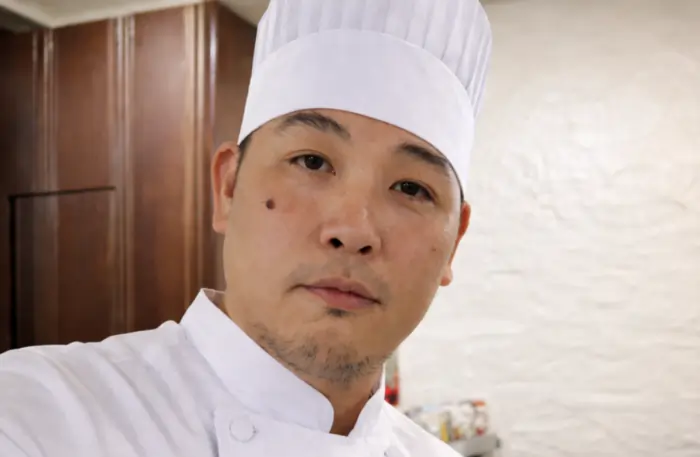
Chef Juan Gadi brings the heart of Filipino hospitality to Ubud, Bali. As an Executive Chef and consultant, he specializes in creating intimate, curated dining experiences that tell a story through every dish. Whether leading the kitchen at Kilig Filipino Warung or hosting a private villa dinner, Chef Juan’s approach is defined by warmth, modern technique, and a commitment to culinary excellence.