
Why Community Meals Matter in Filipino Society Key Takeaways
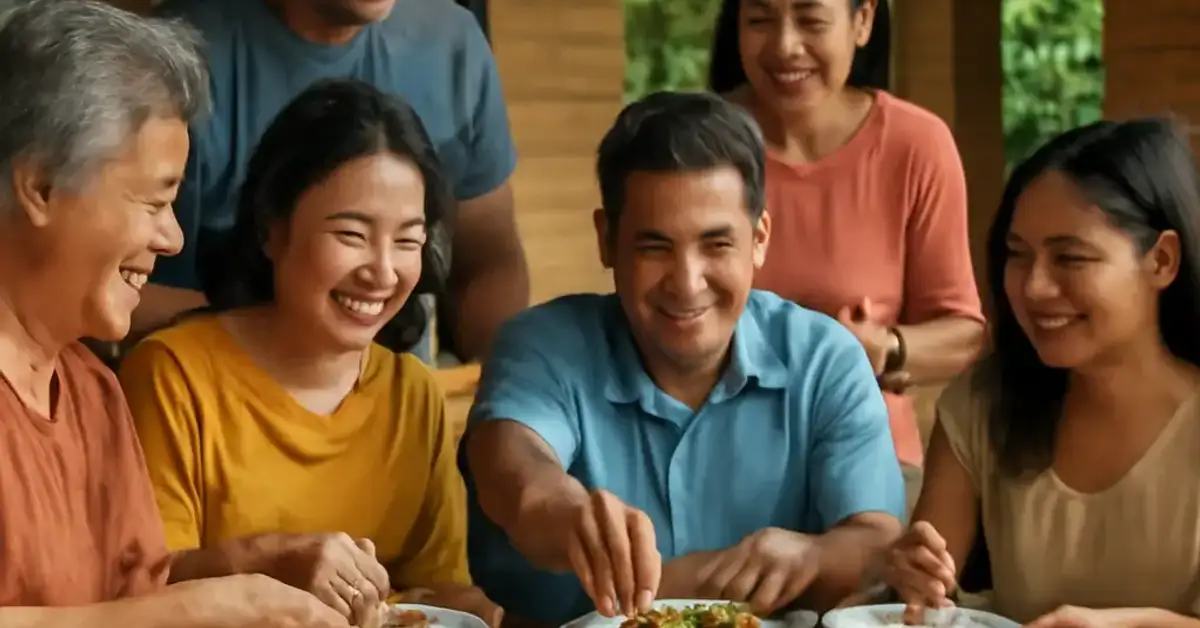
In the Philippines, why community meals matter in Filipino society goes far beyond nutrition — these gatherings are the living heartbeat of Filipino culture , weaving together family values , cultural heritage , and community spirit .
- Community meals are powerful vehicles for preserving cultural identity and passing food traditions across generations.
- Filipino values of generosity, respect, and social harmony come alive through communal dining and food sharing .
- Neighborhood connections and community support networks are strengthened every time a table is shared, creating lasting social bonds .
Why Are Community Meals Important in Filipino Society?
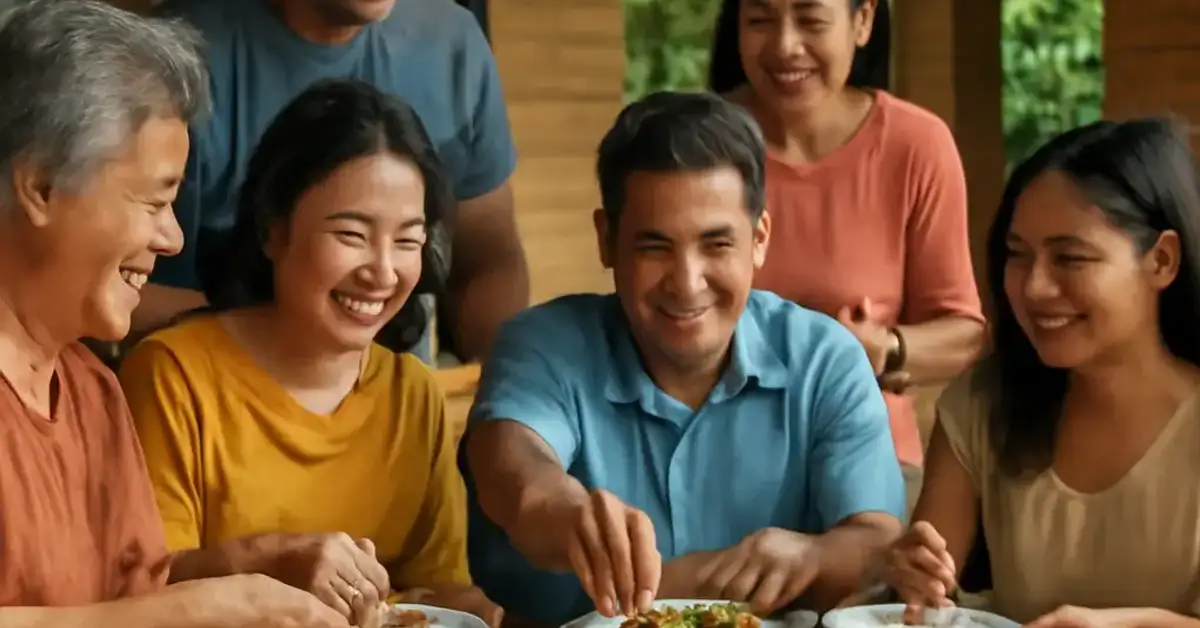
I remember my first week as a young cook in Manila, standing in a cramped kitchen with a dozen strangers who quickly became family. The owner pulled out a long table, covered it with banana leaves, and piled it high with shared meals — grilled bangus, sinigang, lechon kawali, and mountains of rice. Within minutes, everyone sat down together, laughing, teasing, and passing plates across the table. That evening, I understood something profound: why community meals matter in Filipino society is because they are not just about food — they are about belonging.
This tradition runs so deep that even in bustling cities or remote provinces, the act of eating together transforms strangers into neighbors and neighbors into family. Filipino society prizes relationships above almost everything else, and communal dining is the most natural, cherished way to build them.
How Do Shared Meals Strengthen Community Relationships?
Shared meals are the glue that holds Filipino culture together. When you sit down to eat with someone, you are signaling trust, openness, and respect. This is not just polite behavior — it is a core part of Filipino lifestyle. In my work as an executive chef, I have seen how a simple invitation to share a plate of adobo can soften barriers, spark conversations, and create neighborhood connections that last for years.
The Role of Food in Building Trust
Food breaks down walls. When I hosted private villa dinners in Ubud, guests from completely different backgrounds started sharing stories over lumpia and leche flan. Food sharing creates a safe space where people can be vulnerable and authentic. This is especially important in Filipino society, where social harmony is highly valued. A meal invites understanding.
Generosity and Respect at the Table
Filipino values like generosity and respect are not abstract concepts — they are practiced every time someone refills your glass or offers you the last piece of lechon. This is the essence of Filipino hospitality: making sure everyone is cared for. When I worked at Kilig Filipino Warung, I noticed how often guests were treated like family, simply because the staff insisted they try a little more of everything.
What Role Does Bayanihan Play in Communal Dining?
The bayanihan spirit — the tradition of helping one another without expecting anything in return — is beautifully expressed through communal dining. In my hometown, when a neighbor prepares a feast for a fiesta, the whole barrio shows up. Some bring pots of nilaga, others carry baskets of fruit, and everyone helps set up tables. This is community support in action. Bayanihan transforms a simple meal into a collective act of love and solidarity.
Community gatherings around food reinforce the idea that no one eats alone. Whether it is a funeral wake, a baptism, or a harvest festival, food traditions ensure that the burden of feeding the community is shared by everyone. This relieves individual stress and strengthens the whole group.
How Does Food Bring Filipino Communities Together?
Food traditions are the threads that weave cultural identity into everyday life. When I cook modern Filipino dishes in Bali, I am constantly reminded that Filipino customs like community meals connect people not only to each other but to their roots. Cultural heritage is preserved not in museums but in kitchens, on dining tables, and during family gatherings where recipes are passed down through stories. For a related guide, see 10 Filipino Family Food Traditions Seen in Bali.
Local Celebrations and Festivals
Local celebrations like Pahiyas, Ati-Atihan, and town fiestas are incomplete without enormous community meals. These events are not just about entertainment — they are about reinforcing community spirit. During these festivals, entire streets become dining halls, and everyone is welcome. I have participated in such feasts where I did not know a single person at the start of the evening, yet by the end, I had shared laughter, stories, and a dozen dishes with newfound friends.
Family Gatherings as the Foundation
Family gatherings are the most intimate version of this tradition. Sunday lunches, birthday parties, and holiday reunions all center around shared meals. These moments strengthen family values and create lasting memories. For overseas Filipinos, these gatherings become almost sacred — a taste of home that reconnects them to their cultural traditions.
How Do Community Meals Preserve Traditions?
Food sharing is one of the most effective ways to preserve cultural heritage. When grandparents teach grandchildren how to fold lumpia or simmer kare-kare, they are transferring more than a recipe — they are passing down stories, techniques, and values. I learned my grandmother’s secret version of sinigang not from a cookbook but from standing beside her at the stove during community meals.
Filipino customs like “kamayan” (eating with hands) are kept alive through these gatherings. This practice is not just about eating — it is about connecting with the earth, with the food, and with each other. By participating in communal dining, young Filipinos absorb Filipino lifestyle and food traditions in a way that no textbook can teach.
What Values Are Reflected in Filipino Communal Dining?
Filipino values like pakikisama (getting along), utang na loob (debt of gratitude), and hiya (sense of propriety) are all reflected at the communal table. Social harmony is maintained when everyone serves themselves after the elders, when guests are offered the best seats, and when no one leaves the table hungry. These small acts of hospitality traditions communicate deep respect and care.
Welcoming Guests and Newcomers
Filipino hospitality is legendary, and it reaches its peak during community meals. In my experience, welcoming a stranger to the table is second nature. When I moved to Bali, I was immediately invited to share meals with local community support networks. That gesture made me feel instantly accepted. For travelers, tourism professionals, and overseas Filipinos, experiencing this warmth is often the highlight of their journey.
Intergenerational Connections
Community meals create rare opportunities for intergenerational connections. Children sit next to grandparents, teenagers chat with elders, and stories flow as freely as the food. These interactions build social bonds that span age gaps and teach respect for cultural heritage. I have seen how a single family gathering can bridge the gap between a tech-obsessed teenager and a traditional lola simply through the act of sharing a meal.
How Do Local Celebrations Strengthen Social Bonds?
Local celebrations are the grand stage where community meals shine brightest. Town fiestas, barrio festivals, and even simple block parties bring people together in celebration of shared cultural identity. These events are loud, colorful, and full of food. They reinforce community spirit and remind everyone that they belong to something larger than themselves.
Festivals and local events also serve as opportunities for community support. In times of disaster or need, food sharing becomes a lifeline. I remember how after a typhoon hit my province, neighbors gathered whatever ingredients they had and cooked together. That shared meal did not just feed bodies — it restored hope and strengthened neighborhood connections.
How Do Shared Meals Create a Sense of Belonging in Filipino Communities?
A sense of belonging is one of the most powerful outcomes of community meals. In Filipino society, where family values extend beyond blood relations, being invited to eat together means being accepted. Whether you are a long-time resident or a first-time visitor, the invitation to share a meal is an invitation to be part of the community.
I have seen this firsthand in Ubud. When I started hosting Filipino community dinners, the turnout was incredible — not just from Filipinos but from locals and travelers who craved that sense of connection. Why community meals matter in Filipino society is because they answer a universal human need: the need to belong.
Why Is Hospitality Important During Community Events?
Hospitality traditions are the bedrock of Filipino culture. During community gatherings, hospitality is not a performance — it is a genuine offering. As a chef, I have learned that the best meals are not necessarily the most technically perfect ones. They are the ones served with warmth, generosity, and an open heart. Filipino hospitality ensures that every guest feels seen, valued, and well-fed.
For educators, cultural researchers, and heritage advocates, understanding this hospitality is key to appreciating Filipino customs. It is a system of community support that has helped generations thrive.
Strengthening Trust and Cooperation Among Community Members
Shared meals build trust. When I prepare a dinner for a group of strangers, the simple act of sitting together and eating the same food creates a sense of equality and cooperation. Community spirit is not something you can force — it grows naturally when people break bread together. Social harmony becomes easier to maintain when neighbors know they can rely on each other, and community meals are where that reliability is forged.
Emotional Well-Being and Social Support Through Gatherings
Community support directly impacts emotional well-being. In Filipino society, family gatherings and community meals provide a space where people can share not just food but also their joys and burdens. The laughter around a table is healing. The offer of another serving is a form of comfort. As a chef, I have witnessed how a well-prepared meal can lift spirits, ease loneliness, and remind people that they are not alone.
Preserving Cultural Heritage Through Collective Dining
Cultural heritage is not static — it lives and breathes through practice. Community meals are one of the most vibrant ways to keep cultural traditions alive. From the preparation of traditional dishes to the rituals of serving and eating, every shared meal is a lesson in Filipino culture. This is why why community meals matter in Filipino society is a question that every food blogger, lifestyle writer, and cultural researcher should explore deeply. For a related guide, see How Filipino Family Traditions Live On Around the Dining Table.
Useful Resources
To deepen your understanding of Filipino culture and community meals, explore these credible resources:
- National Commission for Culture and the Arts — Filipino Food and Cuisine: This official resource provides authoritative insights into the food traditions and cultural heritage of the Philippines.
- Philippine News Agency — Culture and Lifestyle Section: A reliable source for current stories on community gatherings, local celebrations, and Filipino hospitality that bring community meals to life.
Frequently Asked Questions About Why Community Meals Matter in Filipino Society
Why are community meals important in Filipino society ?
Community meals are vital because they strengthen social bonds, preserve cultural heritage, and express core Filipino values like generosity and bayanihan. They create a sense of belonging and provide community support.
How do shared meals strengthen community relationships?
Shared meals build trust, foster open communication, and create neighborhood connections. Eating together signals respect and care, which strengthens social bonds and community spirit.
What role does bayanihan play in communal dining ?
Bayanihan is the spirit of mutual help. In communal dining, everyone contributes food, effort, and resources. This collective participation embodies community support and reinforces Filipino values.
How does food bring Filipino communities together?
Food acts as a universal invitation. Food sharing during local celebrations and family gatherings creates opportunities for connection, storytelling, and celebration, uniting people across generations and backgrounds.
Why are gatherings important in Filipino culture ?
Community gatherings are central to Filipino lifestyle because they reinforce family values, cultural identity, and social harmony. They provide emotional support and a sense of belonging.
How do community meals preserve traditions?
Through shared meals, elders pass down recipes, cooking techniques, and stories. This practice preserves cultural heritage and keeps Filipino customs alive for younger generations.
What values are reflected in Filipino communal dining ?
Filipino values such as pakikisama (harmony), utang na loob (gratitude), and hospitality are evident in how food is prepared, served, and shared. Respect for elders and generosity are also central.
How do local celebrations strengthen social bonds ?
Local celebrations like fiestas bring entire communities together. Community meals during these events create a shared experience that reinforces community spirit and neighborhood connections.
Why is hospitality important during community events?
Filipino hospitality ensures that everyone feels welcome and cared for. This warmth strengthens social bonds and encourages community support, especially for newcomers and guests.
How do shared meals create a sense of belonging in Filipino communities?
Being invited to share a meal is a powerful signal of acceptance. Food sharing fosters a sense of belonging by including everyone at the table, regardless of background.
What is the relationship between Filipino culture and communal dining ?
Filipino culture and communal dining are inseparable. Eating together is a primary way to express Filipino values, strengthen cultural identity, and maintain social harmony.
How do family gatherings reflect Filipino values ?
Family gatherings centered around shared meals showcase respect for elders, generosity, and togetherness. They are a cornerstone of family values in Filipino society.
What are the most common food traditions in Filipino communities?
Food traditions include kamayan (eating with hands), preparing dishes like adobo, sinigang, and lechon, and always having enough rice. These traditions are central to Filipino lifestyle.
How can overseas Filipinos reconnect with their heritage through food?
Participating in or hosting community meals, cooking traditional dishes, and joining Filipino community gatherings abroad helps overseas Filipinos maintain cultural identity and cultural heritage.
What role do festivals play in preserving Filipino food traditions ?
Festivals and local events showcase regional cuisines and traditional cooking methods. They are living museums of food traditions and help pass Filipino customs to younger generations.
How do community meals support emotional well-being?
Community support provided through shared meals reduces loneliness, creates a safe space for sharing emotions, and fosters a strong sense of belonging, all of which improve emotional health.
What is the significance of food sharing in Filipino society ?
Food sharing is an act of generosity and trust. It reflects Filipino values of hospitality and mutual care, and it is a primary way to build and maintain social bonds.
How do community meals strengthen neighborhood connections ?
When neighbors gather for community meals, they get to know each other personally. This builds neighborhood connections, trust, and a network of community support.
Why is food central to Filipino celebrations?
Food is the centerpiece of local celebrations because it represents abundance, generosity, and joy. Shared meals make celebrations meaningful and memorable for everyone involved.
How can I experience authentic Filipino communal dining ?
Visit a local family gathering, attend a town fiesta, or join a community meal hosted by Filipino cuisine enthusiasts. In Ubud, I welcome guests to experience this warmth firsthand at Kilig Filipino Warung or through private dining experiences.
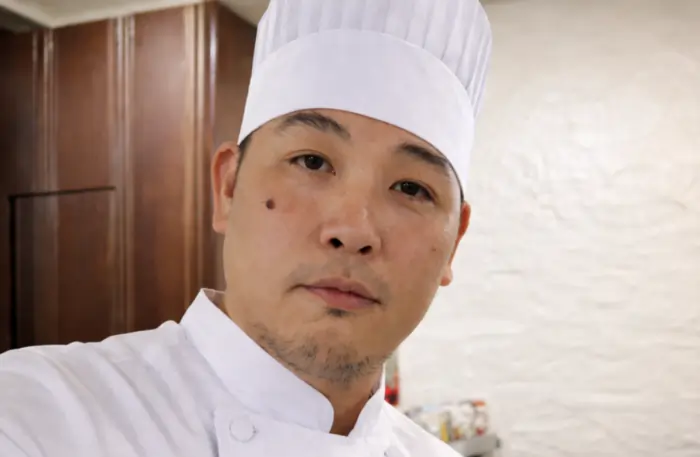
Chef Juan Gadi brings the heart of Filipino hospitality to Ubud, Bali. As an Executive Chef and consultant, he specializes in creating intimate, curated dining experiences that tell a story through every dish. Whether leading the kitchen at Kilig Filipino Warung or hosting a private villa dinner, Chef Juan’s approach is defined by warmth, modern technique, and a commitment to culinary excellence.