Meaning of Filipino Hospitality Beyond the Meal Itself Key Takeaways
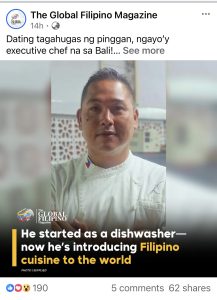
Chef Juan Gadi, Executive Chef at Kilig Filipino Warung in Ubud, Bali, reveals that the meaning of Filipino hospitality beyond the meal itself lies not just in the flavors on the plate but in the philosophy of kapwa (shared identity), hiya (sense of propriety), and pakikipagkapwa (fellowship).
- The meaning of Filipino hospitality beyond the meal itself is rooted in the concept of kapwa — treating every guest as family.
- Chef Juan translates traditional warmth into modern curated dining experiences, proving that hospitality is an act of storytelling.
- Travelers and hospitality pros can learn practical ways to infuse Filipino soul into service, from ingredient sourcing to heartfelt conversation.
What the Meaning of Filipino Hospitality Beyond the Meal Itself Looks Like in Ubud
It was a balmy evening in Ubud, the air thick with frangipani and the distant sound of gamelan. I had just finished plating the last course — a slow-roasted pork belly glazed with coconut vinegar and calamansi — when I noticed a guest lingering at the table. She wasn’t eating. She was holding the spoon, eyes closed, as if listening to the dish.
“I haven’t tasted my grandmother’s adobo in twenty years,” she whispered, tears welling. “This is the first time I’ve felt her again.”
That moment crystallized everything I believe about the meaning of Filipino hospitality beyond the meal itself. It’s not about the food. It’s about the memory, the connection, the unspoken pact that says, “You are home here.”
As an Executive Chef and consultant in Ubud, I’ve learned that Filipino hospitality — what we call magiliw na pagtanggap — is a language older than words. It’s the way we insist you eat more. The way we set an extra plate for a stranger. The way we ask, “Kumain ka na ba?” (Have you eaten?) before we even say hello.
Cultural Roots: Kapwa, Hiya, and Pakikipagkapwa
The Philosophy Behind Every Gesture
To understand the meaning of Filipino hospitality beyond the meal itself, you must first understand kapwa. Psychologist Virgilio Enriquez, the father of Filipino psychology, defined kapwa as the recognition of a shared inner self — that you and I are not separate. When a Filipino offers you food, it’s not just nourishment; it’s a declaration of kinship.
Hiya (a sense of shame or propriety) and pakikipagkapwa (fellowship) reinforce this. Hiya prevents us from being indifferent; it compels us to serve with generosity. Pakikipagkapwa transforms the act of eating into a dialogue. Every dish becomes a bridge.
In Ubud, where wellness and spirit are woven into daily life, these values resonate deeply. When I host a private villa dinner, I don’t just cook — I ask about your childhood, your travels, your dreams. The menu adjusts accordingly. That’s not a technique; it’s kapwa in action.
Contrast with Western Service Models
Western hospitality often emphasizes efficiency, scripted greetings, and upselling. A server might memorize a checklist: “Welcome, here’s your menu, enjoy.” Filipino hospitality, by contrast, thrives on spontaneity and emotional attunement. It’s not afraid to break protocol to make you feel seen.
For example, at Kilig Filipino Warung, a guest once mentioned they missed the sourness of unripe mangoes. I didn’t have any in the kitchen. But I ran to the market before closing and returned with green mangoes, turning a simple sinigang into a surprise. That guest wrote me a letter the next day calling it “the most thoughtful meal of my life.”
That’s the meaning of Filipino hospitality beyond the meal itself: a reflex to care that borders on instinct.
Modern Expressions of Filipino Warmth Through Food in Bali
Intimate Dining as a Cultural Exchange
Bali, with its global audience of wellness seekers and culinary adventurers, is the perfect stage for this philosophy. At my private dinners — often held in rice-terrace villas — I design each course to tell a chapter of Filipino heritage. The meaning of Filipino hospitality beyond the meal itself becomes a curated narrative.
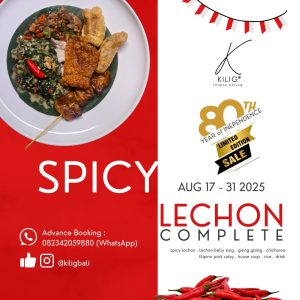
Dishes like kinilaw (Filipino ceviche) with coconut cream and torch ginger flowers are plated beside a short story about Visayan fishermen. Lechon kawali arrives with a side of atchara (pickled papaya) that sparks conversations about Philippine market culture. Guests leave with more than a full stomach — they leave with a piece of the Philippines in their heart.
Practical Insights for Hospitality Professionals
If you work in tourism or service, here’s how to translate this warmth into your own practice:
- Listen before you serve. Ask a personal question before taking an order. Let the guest’s story guide the recommendations.
- Embrace imperfection. A spontaneous garnish or an extra homemade vinegar says more than a polished script.
- Share the “why” behind the dish. Explain where ingredients come from, who grew them, and what they mean in Filipino culture. Guests crave meaning, not just food.
These small changes elevate the meaning of Filipino hospitality beyond the meal itself from a concept into a living practice.
Common Misconceptions About Filipino Hospitality
Many visitors assume Filipino hospitality is about being “nice.” But it’s deeper than that. It’s not performative warmth; it’s a moral duty rooted in utang na loob (debt of gratitude) and community obligation. When a Filipino host says “Kain tayo” (let’s eat), they mean it literally. There’s no hidden bill, no expectation of return. The meal is a gift.
Another misconception is that Filipino hospitality is only found in the Philippines. Chef Juan’s work in Ubud proves that the spirit travels. It adapts, but the core remains: genuine, unreserved care for the stranger who becomes a friend.
Practical Tips for Travelers: How to Experience the Meaning of Filipino Hospitality Beyond the Meal Itself
Seek Out Home-Style Dining
Skip the tourist buffets. Look for kamayan (hand-eating) dinners or small warungs where the chef greets you by name. Ask about family recipes. The more interest you show in the personal story, the more the hospitality will bloom.
Observe the Little Gestures
Notice how a Filipino host refills your glass without being asked. Watch how they introduce you to other guests. The meaning of Filipino hospitality beyond the meal itself lives in these unspoken rituals — the extras that no menu could contain.
Give Vulnerability a Seat at the Table
Filipino hospitality thrives on reciprocity. When you share something authentic about yourself — a memory, a fear, a joy — the host responds with even deeper warmth. It becomes a mutual act of pakikipagkapwa.
Useful Resources
For more on the meaning of Filipino hospitality beyond the meal itself, explore these guides:
- National Commission for Culture and the Arts: Filipino Values and Kapwa — Official cultural insights on the core value of shared identity.
- Lonely Planet Ubud Restaurant Guide — Find authentic dining experiences where Filipino warmth meets Balinese charm.
Frequently Asked Questions About Meaning of Filipino Hospitality Beyond the Meal Itself
What is the meaning of Filipino hospitality beyond the meal itself?
It refers to the deep cultural philosophy of kapwa (shared identity), hiya (propriety), and pakikipagkapwa (fellowship) that turns every shared dish into an act of love, belonging, and memory — not just feeding a guest, but honoring their presence.
Who is Chef Juan Gadi?
Chef Juan Gadi is an Executive Chef and consultant based in Ubud, Bali. He is the creative force behind Kilig Filipino Warung and specializes in intimate, curated dining experiences that celebrate Filipino heritage and hospitality. For a related guide, see Why Hospitality Remains a Core Filipino Value.
How does Chef Juan Gadi demonstrate Filipino hospitality in Bali?
Through personalized villa dinners, market-sourced ingredients, and dishes that tell a story — like kinilaw paired with fisherman tales — he turns every meal into a cultural exchange rooted in warmth and care.
What is kapwa in Filipino culture?
Kapwa is the Filipino concept of a shared inner self. It means seeing others as extensions of yourself. In hospitality, it drives the instinct to welcome strangers as family.
How does hiya influence Filipino hospitality?
Hiya (a sense of shame or propriety) motivates Filipinos to serve with generosity and avoid causing anyone to feel unwelcome. It ensures that the guest’s comfort is always prioritized.
What is pakikipagkapwa?
Pakikipagkapwa is the active practice of fellowship and community bonding. It transforms a simple meal into a relational experience where host and guest become equals.
How is Filipino hospitality different from Western service?
Western service often focuses on efficiency and scripts, while Filipino hospitality prioritizes emotional attunement, spontaneity, and personal connection — breaking protocol to make guests feel truly cared for.
Can Filipino hospitality be found outside the Philippines?
Absolutely. Chef Juan Gadi’s work in Ubud shows that the spirit travels. It adapts to local contexts but retains its core: genuine, unreserved care for the guest.
What is utang na loob in relation to hospitality?
Utang na loob (debt of gratitude) is a moral principle where a host feels a lifelong obligation to care for someone who has shared a meal. It deepens the bond far beyond the table.
What is kamayan dining?
Kamayan is a Filipino hand-eating tradition where food is served on banana leaves and shared without utensils. It encourages intimacy and communal connection, embodying hospitality beyond the meal. For a related guide, see 8 Ways Filipino Cuisine Connects Cultures in Bali.
How can travelers experience authentic Filipino hospitality in Ubud?
Seek out small warungs or private dinners where the chef engages personally. Ask about family recipes and share your own stories — the warmth deepens with mutual vulnerability.
What dishes best convey Filipino hospitality?
Dishes like adobo, sinigang, kinilaw, and lechon kawali carry deep cultural memories. When plated with personal stories, they become powerful symbols of care and belonging.
Why do Filipinos always insist you eat more?
It’s an expression of kapwa. Offering more food is a way of saying, “You are not a guest — you are family, and I want to ensure you are fully cared for.”
What is the role of story in Filipino dining?
Story transforms a meal from consumption into connection. Sharing the origin of ingredients, the memory behind a recipe, or the journey of the chef makes every bite meaningful.
How can hospitality professionals apply Filipino warmth?
By listening before serving, embracing spontaneous gestures (like an extra homemade vinegar), and explaining the cultural significance of dishes. Guests value meaning as much as taste.
What does and quot;Kumain ka na ba? and quot; mean and why is it important?
It means “Have you eaten yet?” and is a common Filipino greeting. It reflects the priority placed on nourishment as a form of love and care, even before conversation begins.
Is Filipino hospitality performative or genuine?
It is deeply genuine, rooted in moral values like utang na loob and pakikipagkapwa. It is not about appearing nice but about truly honoring the other person’s presence.
Can Filipino hospitality be taught?
While the values are cultural, the practices — listening, sharing stories, serving with generosity — can be learned by anyone who values authentic human connection.
What is the best way to thank a Filipino host?
A sincere “Salamat” (thank you) accompanied by a returned gesture — like sharing a dish from your own culture — honors the reciprocal spirit of pakikipagkapwa.
Where can I learn more about Filipino hospitality culture?
Read works by Virgilio Enriquez on kapwa, visit Philippine cultural centers, or experience it firsthand through chefs like Chef Juan Gadi in Ubud who live the philosophy every day.
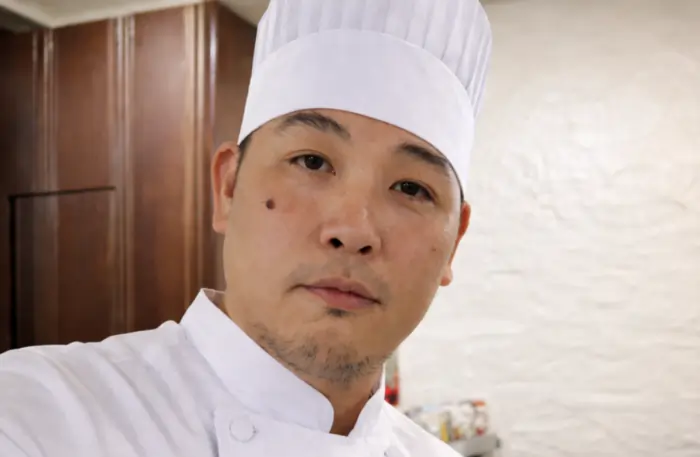
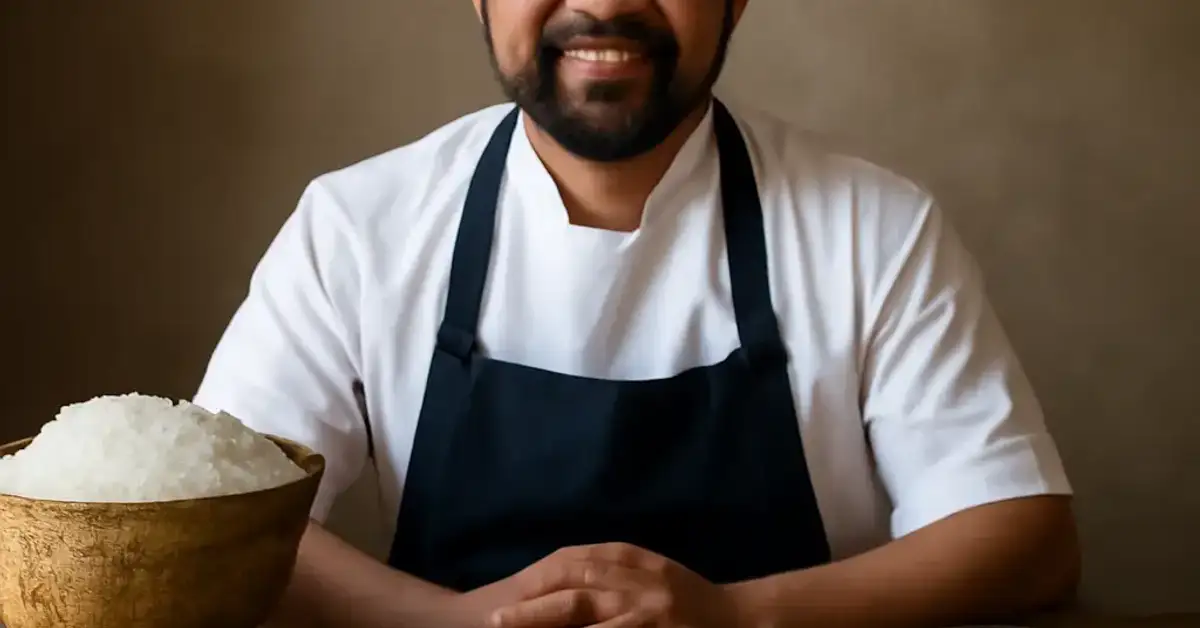
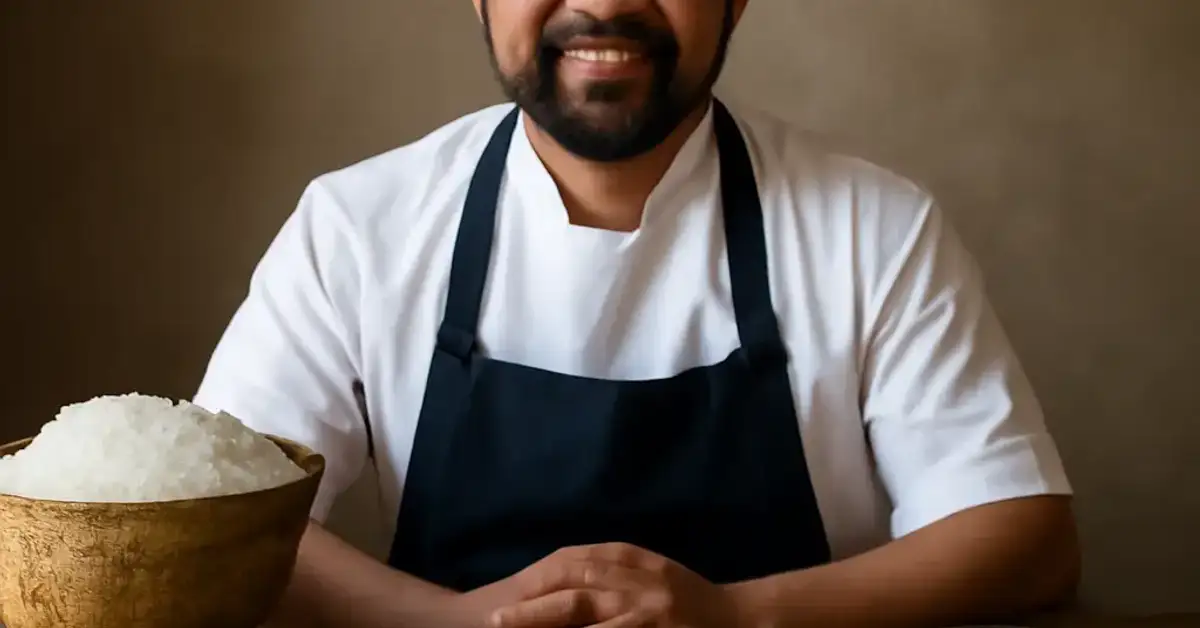
Chef Juan Gadi brings the heart of Filipino hospitality to Ubud, Bali. As an Executive Chef and consultant, he specializes in creating intimate, curated dining experiences that tell a story through every dish. Whether leading the kitchen at Kilig Filipino Warung or hosting a private villa dinner, Chef Juan’s approach is defined by warmth, modern technique, and a commitment to culinary excellence.