Understanding Regional Filipino Flavors Through Bali Dining Key Takeaways
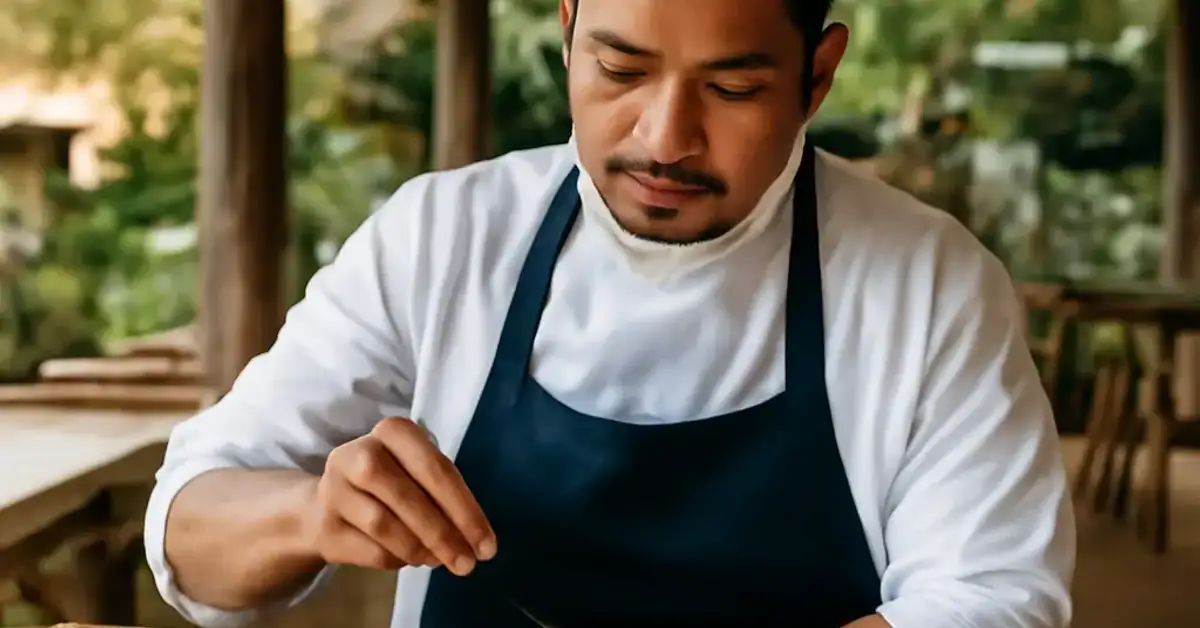
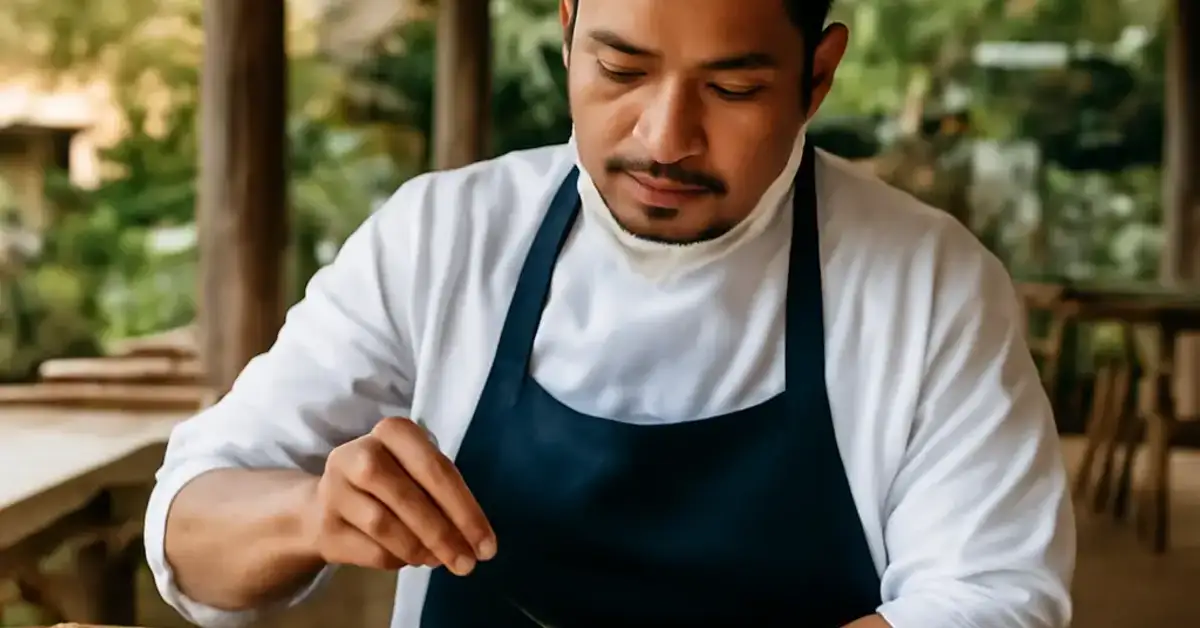
In the heart of Ubud, Bali, Chef Juan Gadi brings the soul of Filipino hospitality to life through curated dining experiences that celebrate the diversity of regional Filipino cuisine .
- Regional Filipino flavors are shaped by geography, local ingredients, and centuries-old traditions.
- Bali provides a unique global stage for cultural appreciation through food exploration , connecting travelers with authentic Filipino heritage.
- Through intimate dining events like those hosted by Chef Juan, guests discover Filipino culinary heritage and regional specialties in a cross-cultural setting.
What Makes Understanding Regional Filipino Flavors Through Bali Dining a Unique Culinary Journey
When I first moved to Ubud, I never imagined that the lush rice terraces and incense-scented temples would become the backdrop for sharing my homeland’s most cherished recipes. As an Executive Chef and consultant, my mission has always been to tell stories through food. And there is no better place to explore the influence of geography on Filipino flavors than right here in Bali, where similarities between Filipino and Balinese food traditions create an immediate sense of familiarity.
Bali’s dining scene is a magnet for food lovers seeking cultural food experiences. By bringing regional Filipino dishes into Balinese kitchens, we offer travelers a rare chance to taste the archipelago’s 7,000-island culinary soul without leaving the island. This journey is not just about eating—it’s about culinary storytelling through local dishes, where every plate carries the memory of a province, a grandmother’s hand, or a fiesta table.
7 Expert Insights for Understanding Regional Filipino Flavors Through Bali Dining
Insight 1: The Diversity of Regional Filipino Cuisine Starts with Geography
The Philippines is a mosaic of regions, each with distinct regional ingredients and flavor profiles in Filipino food. From the coconut-rich dishes of Bicol to the vinegary kinilaw of the Visayas, the influence of geography on Filipino flavors is undeniable. In my Bali kitchen, I source local produce that mirrors these ingredients, allowing guests to experience authentic taste memories.
Insight 2: Similarities Between Filipino and Balinese Food Traditions Make the Connection Natural
Both cuisines rely heavily on rice, coconut, and fermented proteins like shrimp paste and ikan asin. In Bali, I often draw parallels between bumbu spices and Filipino adobo bases. This shared foundation helps travelers understand how traditional cooking methods across Philippine regions echo across Southeast Asia.
Insight 3: Bali Dining Experiences Are a Gateway to Cultural Appreciation Through Food Exploration
When a traveler sits at my table at Kilig Filipino Warung or a private villa dinner, they are not just eating—they are participating in culinary tourism and cross-cultural dining experiences. Every dish is paired with a story about its region, whether it’s the charcoal-grilled seafood of the Visayas or the spicy coconut stew of Bicol.
Insight 4: Traditional Filipino Recipes Require Heritage Cooking Traditions Passed Through Generations
I learned to cook by watching my grandmother pound lemongrass and slowly simmer adobo in a palayok. Today, I use these same traditional cooking methods across Philippine regions in Bali. The patience, the layering of flavors, the respect for ingredients—these are part of our Filipino culinary traditions that I refuse to compromise.
Insight 5: The Sweet, Sour, Salty, and Savory Flavor Combinations in Filipino Food Are Deliberate
Filipino cuisine masters the balance of contrasts. Sinigang’s tamarind sourness meets crispy fried pork. Adobo’s salty soy and vinegar dance with garlic. In Bali, I highlight these sweet, sour, salty, and savory flavor combinations in Filipino food through tasting menus that surprise and delight.
Insight 6: Role of Filipino Communities in Promoting Regional Cuisine Abroad Is Vital
Overseas Filipinos are our best ambassadors. They crave authentic Filipino food and gather friends for kamayan feasts. Here in Bali, the community supports events that preserve authentic regional recipes outside the Philippines, ensuring that fusion and adaptation of Filipino flavors abroad stays true to its roots.
Insight 7: Culinary Tourism and Cross-Cultural Dining Experiences Deepen Cultural Identity Through Food
Dining becomes a bridge. When a traveler tastes my lechon kawali or chicken inasal in Bali, they connect not only to the Filipino gastronomy but to the warmth of community and hospitality expressed through food. It’s a celebration of regional food traditions and cultural diversity.
Understanding Regional Filipino Flavors: A Deep Dive into Geography and Taste
The Luzon Palate: Savory, Smoky, and Soy-Based
Luzon, the northernmost island group, is home to Ilocos and Pampanga, often called the culinary capital. Regional Filipino dishes like bagnet, pinakbet, and sisig showcase the traditional cooking methods across Philippine regions: deep-frying, charcoal roasting, and salt-curing. The use of fermented ingredients like bagoong and patis adds deep umami layers.
The Visayan Influence: Sour, Fresh, and Charred
The Visayas region leans toward vinegar-marinated kinilaw, grilled seafood, and sweet lacquered lechon. Regional ingredients and flavor profiles in Filipino food here rely on calamansi, coconut, and local chilies. In Bali, I replicate these dishes using local snapper and kaffir lime.
Mindanao’s Spice Route: Aromatic and Coconut-Rich
Mindanao’s cuisine reflects Muslim and indigenous traditions with curry-like broths, grilled goat, and coconut-based stews like pianggang. The diversity of regional Filipino cuisine is most evident here, where spices like turmeric, lemongrass, and star anise dominate.
How Bali Dining Experiences Showcase Filipino Food Culture
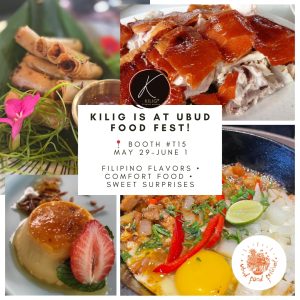
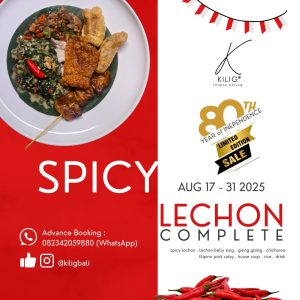
At Kilig Filipino Warung, I create a menu that evolves with the seasons and the crowd. One evening, it might be a tasting of traditional Filipino recipes from different islands; another night, a kamayan dinner where guests eat with their hands, directly connecting to heritage cooking rituals. These Bali dining experiences are designed to immerse travelers in Filipino food culture through taste, touch, and story. For a related guide, see Why Filipino Breakfast Culture Deserves Global Attention.
The Role of Food Tourism in Cultural Appreciation Through Food Exploration
Food tourists are not passive eaters—they seek meaning. By offering culinary exploration that includes cooking classes, market tours, and private dinners, we create opportunities for cultural appreciation through food exploration. Guests learn about heritage cooking traditions passed through generations and carry those memories home.
Preserving Authentic Regional Recipes Outside the Philippines
One of my greatest responsibilities as a chef abroad is fidelity to origin. Every time I cook in Bali, I ask: “Is this true to my grandmother’s version?” This commitment to preserving authentic regional recipes outside the Philippines ensures that Filipino specialties remain genuine, even when adapted to new ingredients.
Ingredients That Define Regional Filipino Dishes
| Region | Key Ingredients | Signature Dish |
|---|---|---|
| Ilocos (Luzon) | Bagoong, anchovies, garlic | Pinakbet, bagnet |
| Pampanga (Luzon) | Atchuete, liver, vinegar | Sisig, tocino |
| Visayas | Calamansi, coconut, chili | Kinilaw, lechon |
| Bicol (Luzon) | Coconut milk, chili, shrimp paste | Laing, Bicol Express |
| Mindanao | Turmeric, lemongrass, galangal | Pianggang, tiyula itum |
Celebrating Filipino Gastronomy in Global Destinations
Bali is just one of many global cities where Filipino food abroad is gaining traction. The role of Filipino communities in promoting regional cuisine through pop-ups, festivals, and warungs is powerful. I see my work as part of a larger movement that elevates authentic Filipino food to a global stage. For a related guide, see Where Travelers Can Discover Authentic Filipino Cuisine in Bali.
Why Culinary Tourism Matters for Cultural Identity Through Food
Culinary tourism and cross-cultural dining experiences allow travelers to engage with a culture’s soul. For Filipinos living overseas, these meals are a connection to home. For others, they are an invitation to discovering regional Filipino dishes through international dining. Either way, food experiences that connect travelers to culture create lasting bonds.
How Food Reflects Filipino Cultural Identity
Every Filipino specialty carries a story. The sourness of sinigang mirrors our resilience. The communal nature of kamayan reflects our hospitality. Through my dinners in Bali, I share how food as a reflection of cultural identity is not a cliché but a lived truth. Guests walk away with a taste of the Philippines—and a deeper understanding of our people.
Preserving Heritage Cooking Traditions Passed Through Generations
From the traditional cooking methods across Philippine regions to the secret spice blends, preserving these practices is an act of cultural preservation. In my kitchen, I teach younger cooks the importance of patience—low simmering, hand-grinding, and tasting at every step.
Unique Experiences: Private Dining, Cooking Classes, and Kamayan Feasts
At a recent private villa dinner, I prepared a tasting menu that started with a sour-savory sinigang broth, moved to a coconut-rich Bicol Express, and ended with a sweet leche flan. Each course was paired with a story about its origin. This is the essence of understanding regional Filipino flavors through Bali dining: it is personal, educational, and deeply satisfying.
Useful Resources
For deeper insight into Filipino regional cuisine, visit the Philippine Cuisine website for traditional recipes and regional guides. To explore Balinese dining and its connection to Southeast Asian food culture, check out Now Bali magazine’s food section.
Understanding Regional Filipino Flavors Through Bali Dining is more than a culinary trend—it is a celebration of home, heritage, and the shared joy of a meal. Whether you find me at Kilig Filipino Warung or hosting a private dinner under Bali’s stars, my goal is the same: to share the warmth of Filipino hospitality and the richness of our regional cuisines. I invite you to join this journey—book a table, taste the islands, and discover what makes Philippine food unforgettable.
Frequently Asked Questions About Understanding Regional Filipino Flavors Through Bali Dining
What are regional Filipino flavors ?
Regional Filipino flavors refer to the distinct taste profiles found across the Philippines, ranging from the salty, smoked flavors of Luzon to the sour, fresh notes of the Visayas and the spicy, coconut-rich dishes of Mindanao. These flavors are shaped by local ingredients, climate, and cultural influences.
How do Philippine regions influence food traditions?
Each region’s geography—coastal, mountainous, or agricultural—dictates available ingredients. Coastal regions favor seafood and vinegar-based dishes, while inland areas rely on root crops and meat. Indigenous traditions and trade history also shape cooking methods and spice use.
Why is regional Filipino cuisine unique?
Its uniqueness lies in the bold contrast of sweet, sour, salty, and savory flavors in a single dish, combined with indigenous fermentation techniques and fresh ingredients. No two regions cook adobo the same way, reflecting hyper-local identities.
How can Bali dining experiences showcase Filipino flavors?
Bali dining experiences like those at Kilig Filipino Warung present Filipino dishes using locally sourced Bali ingredients while honoring traditional recipes. Chef Juan creates curated menus that highlight regional diversity and tell the story behind each dish.
What ingredients define regional Filipino dishes ?
Key ingredients include coconut milk, vinegar, soy sauce, fermented fish or shrimp paste (bagoong), calamansi, garlic, ginger, and chilies. Each region adds local produce like taro leaves, jackfruit, or seafood to create signature flavors.
How does food reflect Filipino cultural identity?
Food mirrors Filipino values of community, hospitality, and resilience. Shared meals like kamayan strengthen family bonds, while dishes like adobo and sinigang evoke nostalgia and pride in heritage.
What are the most famous regional Filipino specialties ?
Famous specialties include Ilocano bagnet and pinakbet, Pampanga’s sisig, Bicol’s laing and Bicol Express, Visayan lechon and kinilaw, and Mindanao’s pianggang and pastil. Each is a proud emblem of its region.
How do traditional cooking methods vary across the Philippines?
Methods range from the charcoal grilling of the Visayas, the slow braising of Luzon’s adobo, the clay-pot cooking of Cordillera, to the coconut-based stewing in Bicol. Each method is adapted to local ingredients and climate.
Why is culinary tourism important for cultural appreciation?
Culinary tourism provides a sensory entry point into a culture. Tasting authentic regional dishes helps travelers understand history, geography, and traditions, fostering respect and curiosity.
How are Filipino food traditions preserved outside the Philippines?
Through community-driven warungs, pop-ups, festivals, and social media, overseas Filipinos share traditional recipes and techniques. Chefs like Juan Gadi prioritize authenticity while adapting to local ingredients.
What are similarities between Filipino and Balinese food traditions?
Both cuisines center on rice, coconut, grilled seafood, fermented pastes, and bold use of sour and spicy flavors. Shared ingredients like lemongrass, galangal, and shrimp paste create a natural culinary kinship.
How does geography influence Filipino flavors?
The archipelago’s 7,000 islands create micro-climates and ecosystems. Coastal areas use vinegar for preservation, while inland regions rely on fermentation. Mountainous areas grow root crops and vegetables that define local dishes.
What is the role of Filipino communities in promoting regional cuisine?
Filipino diaspora communities organize food events, open restaurants, and share recipes online. Their enthusiasm creates demand for authentic regional dishes and introduces Filipino gastronomy to global audiences.
How do sweet, sour, salty, and savory flavors combine in Filipino food?
These contrasts are deliberate. For example, sinigang’s sour broth complements crispy fried pork (salty), while adobo’s soy-vinegar base is mellowed by coconut milk or sugar. This balance is a hallmark of Filipino taste.
What are heritage cooking traditions passed through generations?
These include hand-pounding spices, slow simmering in clay pots, open-fire grilling, and fermentation techniques for fish, rice, and vegetables. Recipes are passed down orally and by practice.
How can travelers discover regional Filipino dishes through international dining?
Travelers can join curated food tours, attend Filipino pop-ups, or dine at restaurants like Kilig Filipino Warung in Bali, where chefs create region-specific tasting menus paired with cultural stories.
What food experiences connect travelers to culture?
Kamayan dinners, market tours, cooking classes, and private chef tastings that include storytelling around each dish. These immersive experiences transform eating into cultural exchange.
How do local ingredients and traditional preparation techniques interact?
Traditional techniques like sun-drying, salt-curing, and slow-braising are designed to maximize local ingredients’ flavors and preservation. This synergy creates dishes that are both resourceful and delicious.
What is the appreciation of Filipino gastronomy in global destinations?
Filipino cuisine is increasingly recognized for its complexity and soulfulness. Restaurants abroad that serve authentic regional dishes receive warm reception from food critics and curious diners.
How is community and hospitality expressed through Filipino food?
Through communal feasts like kamayan and boodle fights, where food is shared on banana leaves. The act of offering extra food, insisting on second servings, and cooking for guests exemplifies Filipino hospitality.
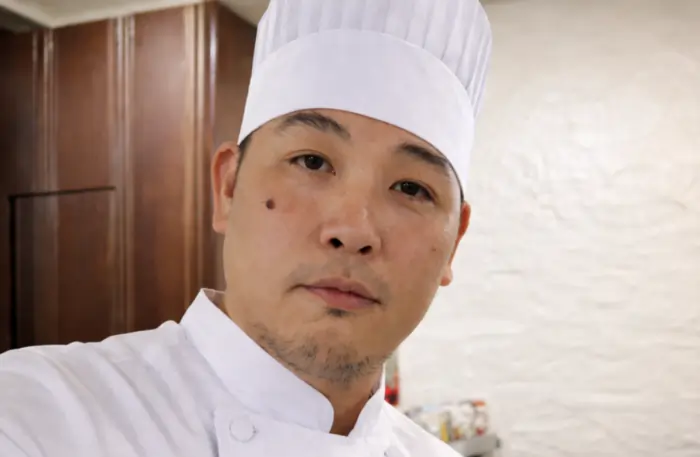
Chef Juan Gadi brings the heart of Filipino hospitality to Ubud, Bali. As an Executive Chef and consultant, he specializes in creating intimate, curated dining experiences that tell a story through every dish. Whether leading the kitchen at Kilig Filipino Warung or hosting a private villa dinner, Chef Juan’s approach is defined by warmth, modern technique, and a commitment to culinary excellence.