What Bali Travelers Should Know Before Trying Filipino Cuisine Key Takeaways
Before you book that table at a Filipino restaurant in Bali, understand the unique flavors, communal dining traditions, and the deep role of hospitality that define Filipino cuisine .
- The key to Filipino cuisine is its balance of salty, sour, and sweet flavors, often built around rice.
- Must-try beginner dishes include adobo , sinigang , and lumpia , all widely available in Bali.
- Dining is a communal, social event fueled by Filipino hospitality ; expect generous portions and warm welcomes.
Why Understanding Filipino Food Culture Matters for Bali Travelers
You have likely tasted Thai, Vietnamese, or Indonesian food if you are exploring Southeast Asian cuisine in Bali. But Filipino cuisine remains a hidden gem, often misunderstood as a simple copy of its neighbors. Nothing could be further from the truth. Filipino food culture is a rich tapestry of Malay, Chinese, Spanish, and American influences, filtered through a tropical island lens. For travelers in Bali, understanding this cuisine opens a door to a different kind of cultural dining experience—one built on Filipino hospitality, where every meal is an invitation to share stories and connection.
As an Executive Chef who specializes in intimate, curated dining experiences, I have seen how authentic Filipino food surprises and delights visitors. The cuisine is not about complexity for the sake of it; it is about the purity of Filipino flavors using tropical ingredients like calamansi, coconut, and fresh seafood. This guide gives you Filipino cuisine travel tips so your first taste in Bali is memorable, not overwhelming.
First-Time Travelers Guide to Filipino Cuisine: 7 Essential Tips
Whether you are a seasoned food tourist or a curious millennial traveler, these seven tips will help you eat like an insider. What Bali travelers should know before trying Filipino cuisine starts with these foundational points.
1. Rice Is the Unshakable Foundation
The question why is rice important in Filipino meals has a simple answer: it is the centerpiece. No rice meals is served without a generous mound of steamed white rice. Unlike other Southeast Asian cuisine where noodles often star, every Filipino dish—from adobo to sinigang—is designed to be mixed with rice. This is not a side; it is the stage.
2. Master the Sour-Salty-Sweet Trinity
When you ask what flavors are commonly found in Filipino food, think of a sour backbone (vinegar, calamansi, tamarind), salty depth (fish sauce, patis), and a subtle sweetness (palm sugar, coconut milk). Filipino flavors are bold and direct. Sinigang is a tamarind-based sour soup that warms the soul. Adobo is vinegar and soy sauce braised meat. Try them together to understand the balance.
3. Start with the ‘Safe’ Favorites
For those wondering which Filipino dishes are best for beginners or which Filipino dishes are popular among international visitors, begin with lumpia (crispy spring rolls), pancit (stir-fried noodles), and chicken adobo. These are universally loved, less intimidating, and showcase traditional Filipino cooking at its finest. Filipino street food like skewered meats (isaw) may take a bolder step.
4. Understand How Filipino Cuisine Differs from Other Southeast Asian Cuisines
If you ask how does Filipino cuisine differ from other Southeast Asian cuisines, the answer lies in its lack of intense heat (chili) and its heavy use of vinegar and soy sauce. While Thai food is spicy and herbal, Filipino cuisine is sour and savory. While Indonesian food uses complex spice pastes, Filipino food culture often highlights a single dominant flavor per dish.
5. Embrace Communal Dining
Understanding communal dining in Filipino culture is essential. Meals are served family-style, with everyone sharing from the same platters. You are expected to take a portion from the center, place it on your plate of rice, and eat. This reflects Filipino hospitality in dining—the host ensures no one leaves hungry. In Bali, many Filipino restaurants maintain this tradition.
6. Welcome the Hospitality
How does Filipino hospitality influence dining experiences? It means you are not just a customer; you are a guest. Expect extra servings, unsolicited recommendations, and genuine warmth. Filipino hospitality is so central that a meal can feel like a visit to a relative’s home. As Chef Juan Gadi explains, “Hospitality is the soul of our culture. Every dish tells a story of sharing.”
7. Save Room for Desserts
Filipino desserts are often overlooked but spectacular. Halo-halo (shaved ice with sweet beans, fruits, and leche flan), leche flan (caramel custard), and bibingka (rice cake) are musts. They highlight the use of tropical ingredients like coconut, ube (purple yam), and jackfruit.
What Ingredients Are Frequently Used in Filipino Cooking
If you ask what ingredients are frequently used in Filipino cooking, the answer is a shortlist of pantry staples. Vinegar (coconut or cane), soy sauce, fish sauce, calamansi (a sour citrus), garlic, onions, ginger, coconut milk, and tropical ingredients like banana hearts, taro, and jackfruit. These ingredients define Filipino flavors.
| Ingredient | Role in Filipino Cooking | Common Dish Example |
|---|---|---|
| Cane Vinegar | Adds sourness and acts as a preservative | Adobo, Sinigang |
| Calamansi | Citrus sourness for dipping and marinades | Lumpia, Pancit |
| Fish Sauce (Patis) | Salty umami backbone | Sinigang, Kare-Kare |
| Coconut Milk | Creaminess for stews and desserts | Ginataan, Bicol Express |
Where to Enjoy Authentic Filipino Cuisine in Bali
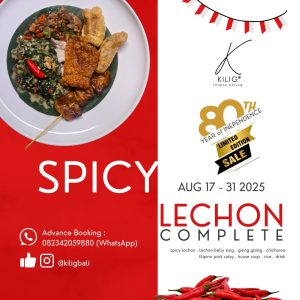
For travelers asking where can travelers enjoy authentic Filipino cuisine while visiting Bali, the answer is increasingly visible. Ubud, the cultural heart of Bali, is home to Kilig Filipino Warung, led by Chef Juan Gadi. Here, authentic Filipino food meets modern technique in a warm, intimate setting. Whether you dine in the warung or book a private villa dinner, you experience the true spirit of Filipino dining traditions. For a related guide, see How Traditional Filipino Cooking Inspires Modern Dining in Bali.
Beyond Ubud, pop-ups and private chefs are expanding food tourism offerings for Filipino cuisine across Bali. Always ask if the restaurant serves family-style or a la carte—family-style is more authentic to communal dining in Filipino culture.
Dining Customs and Etiquette for First-Timers
Understanding what dining customs are common in Filipino culture will make your experience smoother. Wait for the host or eldest person to begin eating. Do not stick chopsticks vertically into a bowl of rice (it resembles a funeral ritual). Use a spoon and fork—fork to push food onto the spoon, spoon to eat. And never refuse food when offered. It is a sign of disrespect to the Filipino hospitality in dining.
Useful Resources
To deepen your understanding of Filipino cuisine before you travel, explore these resources:
- Read about the history and evolution of Filipino food culture on the BBC Travel article on Filipino cuisine’s global rise.
- Check out Chef Juan Gadi’s work at Kilig Filipino Warung for a true taste of authentic Filipino food in Bali.
Frequently Asked Questions About What Bali Travelers Should Know Before Trying Filipino Cuisine
What should first-time travelers know about Filipino cuisine?
First-time travelers should know that Filipino cuisine is rice-based, sour-savory, and best enjoyed family-style. Be open to sharing and expect generous hospitality.
Which Filipino dishes are best for beginners?
Start with chicken adobo, lumpia (spring rolls), pancit (noodles), and sinigang (sour soup). These are mild, familiar textures and showcase core Filipino flavors.
Why is rice important in Filipino meals?
Rice is the foundation of every meal. It balances the strong flavors of Filipino dishes and is considered incomplete without it.
What flavors are commonly found in Filipino food?
Filipino flavors are a balance of sour (vinegar, tamarind, calamansi), salty (fish sauce, soy sauce), and sweet (palm sugar, coconut milk).
How does Filipino cuisine differ from other Southeast Asian cuisines?
Unlike Thai or Vietnamese food, Filipino cuisine uses less chili and herbs, relying more on sour and salty profiles from vinegar and fish sauce.
What dining customs are common in Filipino culture?
Family-style serving, waiting for the host to start, and not refusing food are key Filipino dining traditions.
Which Filipino dishes are popular among international visitors?
Chicken adobo, lumpia, and pancit are the most popular due to their familiar taste and texture.
How does Filipino hospitality influence dining experiences?
Filipino hospitality in dining means guests are treated like family, with extra servings and warm, personal attention throughout the meal.
What ingredients are frequently used in Filipino cooking?
Common traditional Filipino cooking ingredients include vinegar, fish sauce, calamansi, garlic, onions, ginger, coconut milk, and tropical ingredients like banana and jackfruit.
Where can travelers enjoy authentic Filipino cuisine while visiting Bali?
In Ubud, Kilig Filipino Warung, led by Chef Juan Gadi, offers intimate, curated dining experiences with authentic Filipino food. Private villa dinners are also available. For a related guide, see How Filipino Cooking Traditions Thrive in Bali’s Culinary Scene: Essential Insights from Chef Juan Gadi.
Is Filipino food spicy?
No, Filipino cuisine is generally not spicy. Heat comes from black pepper, not chili, though some dishes like Bicol Express use chili for regional variation.
What is the national dish of the Philippines?
Adobo is widely considered the unofficial national dish—a braised meat dish cooked in vinegar, soy sauce, garlic, and spices.
Is Filipino food similar to Indonesian food?
Both use tropical ingredients and rice, but Filipino cuisine uses more vinegar and soy sauce, while Indonesian food relies heavily on spice pastes and coconut.
What is a typical Filipino breakfast?
A typical breakfast includes garlic fried rice (sinangag), fried egg (itlog), and a protein like longganisa (sausage) or beef tapa—often called tapsilog.
Can I find vegetarian Filipino food in Bali?
Yes, many Filipino restaurants offer vegetarian options like ginataang gulay (vegetables in coconut milk) and vegetable lumpia.
What is the best time to eat Filipino food in Bali?
Filipino food is eaten all day. Lunch and dinner are most popular, but breakfast dishes like silog meals are also excellent in Bali’s morning heat.
Do I need to use chopsticks for Filipino food?
No, Filipinos typically use a spoon and fork. Chopsticks are reserved for noodle dishes like pancit.
Is Filipino food served individually or family-style?
Traditionally, all Filipino dishes are served family-style, with shared platters in the center of the table, reflecting communal dining in Filipino culture.
What is the most popular Filipino dessert?
Halo-halo is the most iconic Filipino dessert, a shaved ice dessert with sweet beans, fruits, ube, and leche flan.
How do I book a Filipino dining experience in Bali?
Reserve directly at Kilig Filipino Warung or inquire about private villa dinners through Chef Juan Gadi’s Filipino food culture online platform.
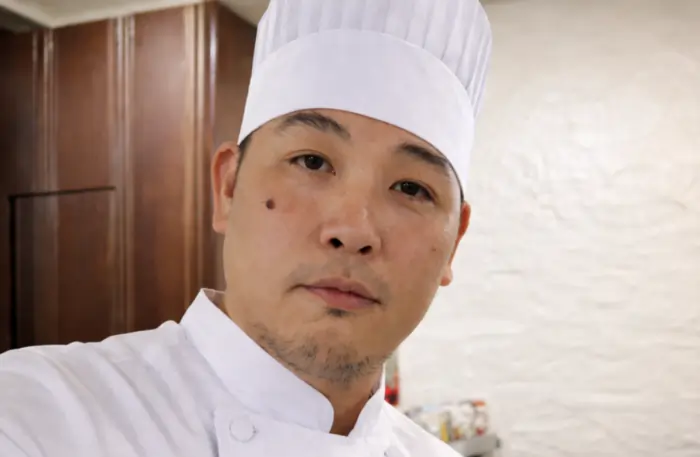
Chef Juan Gadi brings the heart of Filipino hospitality to Ubud, Bali. As an Executive Chef and consultant, he specializes in creating intimate, curated dining experiences that tell a story through every dish. Whether leading the kitchen at Kilig Filipino Warung or hosting a private villa dinner, Chef Juan’s approach is defined by warmth, modern technique, and a commitment to culinary excellence.