
Menu Styles Perfect for Destination Gatherings Key Takeaways
Selecting the right menu style for a destination gathering transforms a meal into a memorable cultural experience.
- Menu styles perfect for destination gatherings range from family-style sharing to interactive food stations and plated multi-course dinners — each offering a unique balance of elegance, convenience, and guest engagement.
- Thoughtful menu planning that incorporates local ingredients, dietary inclusivity, and cultural storytelling elevates any destination event.
- Understanding your venue, guest mix, and celebration style is key to choosing a menu format that feels both authentic and effortless.

Why Choosing the Right Menu Style Defines Your Destination Event
The food at a destination gathering does more than feed guests — it sets the tone for the entire celebration. When you are hosting in a beautiful coastal resort, a historic villa, or a tropical island, the menu becomes part of the story. Menu styles perfect for destination gatherings must balance the logistics of travel-friendly catering with the desire to wow a diverse crowd. Many planners overlook how much the dining format influences guest interaction. A plated dinner may feel formal, while buffet-style encourages mingling. The best approach often blends multiple styles to match the rhythm of the event. For a related guide, see Elegant Catering Ideas for Tropical Villa Gatherings.
What Makes Destination Menus Different from Local Events
Destination gatherings come with unique challenges: limited kitchen facilities, varied guest dietary needs, and the need to source local ingredients efficiently. At the same time, they offer an incredible opportunity to showcase regional flavors. Destination gathering menus should reflect the character of the location — think fresh seafood by the coast, tropical fruits on a beach, or aromatic spices in a Southeast Asian retreat. Guests travel far, so the menu needs to feel special and connected to the place.
Family-Style Dining: Encouraging Sharing and Social Connection
Family style dining has become a top choice for destination weddings and retreats because it naturally brings people together. Large platters of food are placed on the table, and guests serve themselves while passing dishes around. This style creates a warm, convivial atmosphere where conversations flow easily. It works beautifully for round tables under the stars or long communal tables on a terrace overlooking the ocean. For event planners, it also simplifies service logistics — fewer staff are needed compared to plated service, and guests appreciate the flexibility to choose their portions.
Best Settings for Family-Style Menus
Vineyard dinners, beachfront receptions, and villa celebrations are ideal for family-style dining. The menu often features shareable dishes like roasted meats, grain bowls, grilled vegetables, and artisan breads. Because the food is passed around, it encourages even strangers at the same table to interact, which is perfect for destination weddings where guests may not know each other well.
Buffet-Style Menus for Flexibility and Variety
Buffet catering remains a reliable and popular format for destination events, especially when hosting a large number of guests with different tastes. A well-designed buffet allows guests to pick and choose what they love, making dietary restrictions easy to accommodate. Buffets can be elegant — think chafing dishes on draped tables with local flower arrangements, not a crowded cafeteria line. For destination celebrations, buffet stations can highlight local cuisine alongside familiar comfort foods, ensuring everyone finds something they enjoy.
How to Elevate a Buffet Setup
Instead of a single long table, consider multiple stations: a salad bar with local greens, a carving station for roasted meats, and a dessert table featuring regional sweets. This format works well for casual beach parties, daytime brunches, and post-ceremony receptions. Guests can graze at their own pace, which is especially helpful when mingling is the priority.
Plated Multi-Course Dining for Elegant Destination Events
When sophistication is the goal, a plated dinner delivers a polished experience. Each course is served individually, allowing for precise presentation and portion control. This menu style is ideal for formal destination weddings, gala dinners, and corporate retreats where the evening’s flow needs to feel seamless and refined. Plated service also pairs beautifully with wine or cocktail pairings, as each course can be matched with a specific beverage.
Considerations for Plated Service Abroad
Plated dinners require a larger waitstaff and a kitchen that can handle synchronous plating. Work with local caterers who understand the venue’s capabilities. A three- or four-course menu is standard, but you can add a local twist — for example, a starter of ceviche in a coastal destination or a dessert infused with regional spices.
Tasting Menus That Showcase Local Cuisine and Chef Creativity
A tasting menu offers guests a curated journey through multiple small courses. This format lets the chef shine by presenting local ingredients in creative ways. For destination events, tasting menus are perfect for intimate groups of food lovers who appreciate culinary artistry. Each bite tells a story about the region — from the olive oil used to the seafood caught that morning.
When to Choose a Tasting Menu
Tasting menus suit villa dinners, private chef experiences, and resort-based celebrations with fewer than 30 guests. They can be paired with wine or local spirits to amplify the cultural experience. Because portions are small, guests with varying appetites and dietary preferences can still enjoy the journey without feeling overwhelmed.
Interactive Food Stations That Create Engaging Guest Experiences
Interactive food stations turn dining into entertainment. Instead of passive seating, guests walk up to action stations where chefs prepare dishes live. Think a taco bar where tortillas are pressed on-site, a pasta station with hand-rolled noodles, or a Japanese robata grilling station. These setups encourage guests to customize their plates and chat with the chef, making the meal memorable and fun.
Popular Interactive Station Ideas
For destination events, consider stations that reflect the locale: a ceviche station in Mexico, a curry station in Thailand, or a sushi rolling station in Japan. Interactive stations also solve dietary issues naturally — guests can build their own plate exactly how they like it.
Cocktail-Style Receptions With Gourmet Small Bites and Canapés
For cocktail-style receptions, the focus shifts to high-quality passed appetizers and gourmet canapés. This format works brilliantly for pre-dinner mingling, welcome parties, or full evening events where dancing is more important than sitting. Gourmet catering shines here — think mini lobster rolls, truffle arancini, and bite-sized desserts presented on beautiful platters.
Logistical Benefits of Cocktail-Style Menus
With no assigned seating, guests circulate freely, which is ideal for networking events and weddings with a young crowd. This style requires less rental furniture and works in venues without a formal dining room, such as rooftop terraces or poolside gardens. Offer a mix of hot and cold bites, plus a signature cocktail that ties into the destination.
Farm-to-Table Menus Featuring Fresh Local Ingredients
Farm to table catering is a natural fit for destination events in rural or agricultural regions. The concept emphasizes sourcing ingredients directly from nearby farms, fishermen, and artisans. The result is a menu that tastes incredibly fresh and tells a story about the land. Guests love knowing that the salad greens were picked that morning or the cheese was aged by a local producer.
How to Build a Farm-to-Table Menu for a Destination Event
Partner with local farms and suppliers to create a seasonal menu. A Tuscan villa event might feature fresh pasta with wild boar ragu, while a Hawaiian retreat could showcase poke bowls with just-caught ahi. Farm-to-table menus often feel more rustic and authentic, which appeals to couples seeking a meaningful, eco-friendly celebration.
Fusion Cuisine Combining Regional and International Flavors
Fusion cuisine is a brilliant way to please a mixed crowd at a destination gathering. By blending local ingredients and techniques with international culinary traditions, you create a menu that feels both familiar and adventurous. For example, a Mexican-Japanese fusion taco bar with miso-marinated fish, or an Italian-Thai menu where basil pesto meets coconut curry.
Why Fusion Works for Destination Events
When guests come from different countries, fusion cuisine gives them something recognizable while still introducing local flavors. It also allows the chef to be creative without alienating anyone. A fusion menu should be balanced — don’t overcomplicate dishes, but let a few star combinations shine.
Seafood-Focused Menus for Coastal and Island Destinations
A seafood menu is almost mandatory for coastal and island gatherings. Fresh catches, shellfish, and ocean-inspired dishes connect the meal directly to the setting. Think grilled lobster tails, clam bakes, ceviche bars, and whole roasted fish drizzled with citrus and herbs. Seafood menus feel luxurious and celebratory, perfect for beachfront weddings and yacht club receptions.
Sustainability and Sourcing
Work with local fishermen to source sustainable seafood. A tailored seafood menu can include both raw bar items (oysters, shrimp cocktail) and hot dishes (grilled fish, seafood paella). Always have a land-based alternative for guests who don’t eat seafood.
Wellness-Inspired Menus With Healthy and Plant-Based Options
Wellness dining is on the rise, especially for destination events focused on health and rejuvenation like yoga retreats, spa weekends, and wellness-focused weddings. These menus emphasize whole foods, plant-based proteins, and nutrient-dense dishes. Think vibrant Buddha bowls, cold-pressed juices, quinoa salads, and dairy-free desserts.
How to Make Wellness Menus Feel Luxurious
Wellness doesn’t mean boring. Use high-quality olive oils, fresh herbs, edible flowers, and beautiful plating to elevate the dishes. Offer a balance of light options and more substantial fare so all guests feel satisfied. A wellness-inspired menu can also include gluten-free, vegan, and paleo choices without labeling them — simply present them as delicious food.
Cultural Tasting Journeys That Introduce Guests to Local Traditions
A cultural tasting menu takes guests on a culinary tour of the destination. Each course represents a different region or tradition, complete with background stories shared by the chef or host. For example, a Moroccan destination event might start with harira soup, followed by lamb tagine, and finish with mint tea and pastries.
Storytelling Through Food
This format works beautifully for destination weddings where the couple wants to honor their heritage or the local culture. Provide small cards at each table explaining each dish’s origin, or have the chef introduce courses during a private dinner. It’s a powerful way to create a shared experience that guests will remember long after the trip.
Private Chef Experiences for Intimate Villa or Resort Gatherings
A private chef experience offers the ultimate personalization for small destination gatherings. The chef works directly with the host to design a custom menu, shops for local ingredients, and prepares everything in the villa’s kitchen. Guests can watch the cooking process, ask questions, and enjoy a multi-course meal without leaving their accommodation. For a related guide, see How Curated Menus Elevate Private Gatherings.
Ideal Scenarios for a Private Chef
Honeymoons, milestone birthdays, and family reunions in private villas benefit greatly from this style. It eliminates the need to book a restaurant and provides a relaxed, intimate atmosphere. Many private chefs also offer cooking classes, adding an interactive element to the evening.
Brunch and Sunset Dining Concepts for Relaxed Celebrations
Not every destination event needs to be a formal dinner. Celebration dining can happen at any time of day. Brunch buffets with champagne, fresh fruit, and egg stations are perfect for laid-back morning weddings or farewell gatherings. Sunset dinners, on the other hand, work beautifully for cocktail parties or beachfront picnics as the sky changes colors.
Why Timing Matters
Choose the dining time that complements the venue and guest preference. A brunch wedding allows guests to enjoy the rest of the day exploring the destination. A sunset dinner maximizes dramatic views and golden-hour photography. Both formats offer flexibility and a relaxed vibe.
Customizable Menus for Dietary Inclusivity and Guest Personalization
Today’s travelers have diverse dietary needs — from vegan and gluten-free to halal and kosher. Event catering that offers customizable options shows care and thoughtfulness. Create a base menu that is naturally inclusive, then offer add-ons or substitutions for specific requirements. Use clear labeling at buffets or printed menus with icons so guests can easily identify what works for them.
Practical Tips for Inclusivity
Work with your caterer to design a menu where 80% of the dishes are naturally free of common allergens (gluten, dairy, nuts). Then offer a few specialty dishes for stricter diets. This approach avoids isolating anyone and makes all guests feel welcome.
Luxury Grazing Tables and Artisanal Food Displays
A grazing table has become a stunning centerpiece at destination events. These elaborate displays feature artisan cheeses, cured meats, fresh fruits, nuts, crackers, and edible flowers arranged on large tables. Guests can pick and nibble throughout the evening, which encourages mingling and eliminates the need for a full seated meal.
Designing a Show-Stopping Grazing Table
Work with a luxury caterer who specializes in visual presentation. The table should look like a work of art, with varying heights, textures, and colors. Add local specialties like honeycomb, olives, or tropical fruits to connect the display to the destination.
Beverage-Pairing Menus With Wines, Cocktails, or Local Specialties
A luxury catering experience isn’t complete without thoughtful beverage pairings. Whether you choose a wine flight, a craft cocktail menu featuring local spirits, or a selection of fresh juices, the drinks should complement the food and the setting. Offer a signature drink named after the location — it becomes a fun conversation starter.
Pairing Ideas for Destination Menus
Pair a crisp Sauvignon Blanc with a seafood-focused menu, or a dark rum cocktail with tropical desserts. For non-alcoholic options, consider local sodas, herbal teas, or fresh coconut water. Beverage stations can also be interactive, like a DIY mojito bar or a wine-tasting corner.
Seasonal Menus That Highlight Freshness and Authenticity
Hospitality trends lean heavily toward seasonal eating, and destination events should follow suit. A seasonal menu ensures that ingredients are at their peak flavor and often costs less because they are abundant locally. Spring menus feature asparagus and berries, summer menus highlight tomatoes and melons, autumn brings squashes and mushrooms, and winter calls for root vegetables and hearty stews.
How to Plan a Seasonal Destination Menu
Consult with your caterer three to six months before the event to understand what will be in season. Build the menu around those items, adding only a few imported essentials. Seasonal menus feel more authentic and reduce the carbon footprint of the event.
Experiential Dining Concepts That Combine Food With Storytelling
Experiential dining is the pinnacle of modern celebration dining. It turns the meal into a performance, with courses tied to a narrative, live cooking demonstrations, or multi-sensory elements like music and lighting. Imagine a dinner where each course represents a chapter of the couple’s love story, or a beach dinner where the tide sets the schedule.
Creating Memorable Moments
These concepts require a creative caterer and a flexible venue. They work best for high-end destination events where the host wants to surprise and delight guests. The payoff is enormous — guests leave talking not just about the food, but about the entire experience.
How to Choose the Right Menu Style for Your Destination Celebration
Selecting among these menu styles perfect for destination gatherings depends on three factors: the nature of the event, the guest demographic, and the venue’s capabilities. A destination wedding with many families might suit a family-style dinner, while a corporate retreat could benefit from interactive food stations and a tasting menu. Always start with a clear vision of the desired guest experience — formal and elegant, relaxed and communal, or adventurous and immersive. For a related guide, see Why Modern Celebrations Prioritize Experiences Over Formality.
Test your menu ideas with a small tasting session if possible, and don’t be afraid to mix styles. A cocktail reception followed by a plated dinner, or a buffet lunch with a live station, can offer the best of both worlds. Remember that the goal is to create a dining experience that feels effortless yet extraordinary.
Useful Resources
Explore more about planning destination event menus from trusted industry sources:
- CaterSource — Leading publication for catering professionals with tips on menu design and event logistics.
- Brides: Destination Wedding Catering Tips — Practical advice for couples planning a destination wedding menu.
Frequently Asked Questions About Menu Styles Perfect for Destination Gatherings
What menu styles work best for destination gatherings?
Family-style dining, buffet menus, plated dinners, tasting menus, interactive food stations, and cocktail receptions all work well. Choose based on your guest count, formality, and venue.
Should I choose buffet or plated service for a destination event?
Buffet service offers more flexibility and works well for large groups with diverse diets. Plated service feels more formal and allows for precise presentation and wine pairings.
Why is family-style dining popular for celebrations?
Family-style dining encourages sharing, conversation, and a warm atmosphere. It is ideal for bringing together guests who may not know each other well.
What is a tasting menu for events?
A tasting menu offers multiple small courses that showcase the chef’s creativity and local ingredients. It is perfect for intimate gatherings of food lovers.
How do interactive food stations improve guest experience?
Interactive stations let guests customize their plates and watch chefs prepare food live. They add entertainment, encourage mingling, and cater to varied preferences.
What food works best for destination weddings?
The best foods are those that reflect the local cuisine while offering familiar options. Seafood on the coast, farm-fresh ingredients in the countryside, and fusion menus for diverse crowds all work well.
How can I include local cuisine in an event menu?
Source ingredients from local farms and fishermen. Work with a caterer who specializes in regional dishes and design a menu that highlights traditional recipes with a modern twist.
What are good menu options for diverse guests?
Buffet or station-style menus with a mix of proteins, vegetables, grains, and clearly labeled allergens work best. Offer at least one vegan, one gluten-free, and one protein-rich option.
Why are seasonal ingredients important for event catering ?
Seasonal ingredients are fresher, more flavorful, and often more affordable. They also connect the menu to the location and time of year, enhancing authenticity.
How do I choose the right menu style for a destination celebration?
Consider your event type, guest mix, venue capacity, and desired formality. Family-style for intimate gatherings, plated for elegance, buffet for large groups, and stations for interactive events.
Can I mix different menu styles at one event?
Yes. Many successful events combine a cocktail hour with passed appetizers, followed by a plated or buffet main course, and ending with a dessert station.
What is a cocktail-style reception?
A cocktail-style reception features passed appetizers and small bites, with no formal seating. Guests mingle freely, making it ideal for networking or pre-dinner gatherings.
How do I plan a farm-to-table menu for a destination event?
Partner with local farmers, visit the market, and design a menu based on what is freshly available. Communicate the story behind each dish to guests for added impact.
What is a grazing table ?
A grazing table is a large display of artisan cheeses, meats, fruits, nuts, and crackers arranged beautifully. It encourages self-service and socializing.
Are wellness menus suitable for non-health-focused events?
Yes. Wellness menus can be delicious and satisfying for everyone. They just emphasize fresh, whole ingredients without being restrictive.
How do private chef experiences work at destination venues?
A private chef comes to your villa or resort, designs a custom menu using local ingredients, and cooks everything in your kitchen. Guests can watch and interact.
What are seasonal menu examples for a winter destination?
Root vegetables, hearty stews, roasted meats, citrus fruits, and warm spices like cinnamon and nutmeg are ideal for winter destination menus.
How can I make a buffet look elegant?
Use draped linens, uniform chafing dishes, fresh flowers, tiered platters, and dim lighting. Add a signature centerpiece that reflects the destination.
What is the role of beverage pairings in destination dining?
Pairing beverages with each course enhances flavors and creates a cohesive dining journey. It can also introduce guests to local wines, beers, or spirits.
How do I handle dietary restrictions at a destination event?
Collect dietary info during RSVPs, communicate clearly with your caterer, and label all dishes. Offer a diverse menu so everyone has multiple choices.
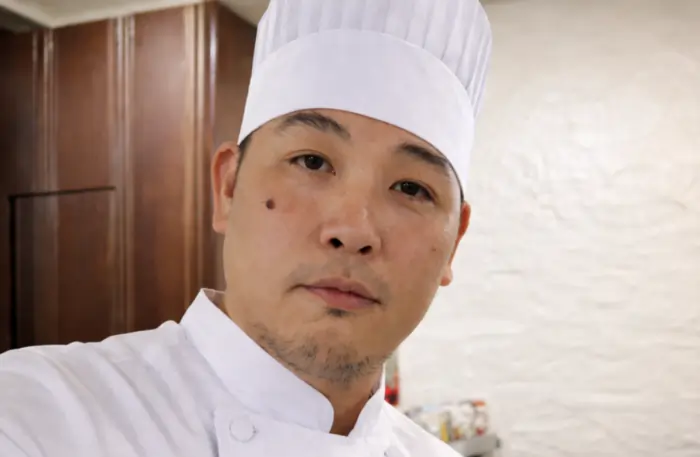
Chef Juan Gadi brings the heart of Filipino hospitality to Ubud, Bali. As an Executive Chef and consultant, he specializes in creating intimate, curated dining experiences that tell a story through every dish. Whether leading the kitchen at Kilig Filipino Warung or hosting a private villa dinner, Chef Juan’s approach is defined by warmth, modern technique, and a commitment to culinary excellence.