Dining Concepts That Elevate Special Occasions Key Takeaways
Curating the right dining concepts that elevate special occasions transforms a simple meal into an unforgettable celebration.
- Dining concepts that elevate special occasions range from multi-course tasting menus to family-style feasts, each offering a unique way to connect guests with the story behind the food.
- Personalization — whether through dietary accommodations, cultural heritage dishes, or live cooking stations — is the secret ingredient that turns catering into an experience.
- Ambiance, presentation, and service design are just as critical as flavor; the finest gourmet experience falls flat without thoughtful staging.
Why Thoughtful Dining Concepts That Elevate Special Occasions Matter
When guests walk into a celebration — a wedding, a milestone birthday, a corporate retreat — the first thing they notice is the atmosphere. The second is the food. But the most memorable events marry both into a seamless narrative. As Chef Juan Gadi explains, “Food is the centerpiece of human connection. In Filipino culture, every gathering revolves around the table. The dishes, the way they are served, and the story behind each flavor create a sense of belonging.” For a related guide, see How Culinary Experiences Enhance Destination Weddings.
Modern event planning has shifted from simply feeding people to designing food experiences that engage all senses. Hospitality trends in 2025 point toward hyper-personalized, immersive dining. Whether you are planning a destination wedding in Bali or a corporate gala in New York, understanding these 12 concepts will help you choose the right culinary direction.
1. Fine Dining Multi-Course Menus for Elegant Events
For formal celebrations — anniversary dinners, award ceremonies, or intimate weddings — a fine dining experience with multiple courses sets a tone of sophistication. Each course is a deliberate progression: amuse-bouche, appetizer, palate cleanser, main, pre-dessert, and petit fours. Chef Juan recommends keeping the number of courses between five and seven to maintain pacing without overwhelming guests.
Benefits
Multi-course menus allow the chef to showcase technical skill and seasonal ingredients. Guests feel valued because the meal is curated, not rushed. This format also works beautifully with wine pairing dinner options, where each glass is chosen to complement a specific dish.
Application
Use this concept for seated dinners of 30 guests or fewer. It fits best in venues with a dedicated kitchen and waitstaff trained in fine service. For larger groups, consider a plated lunch with three courses to keep logistics manageable.
2. Family-Style Dining That Encourages Connection
Family style dining is the opposite of the formal plated meal: large platters of food are placed on the table, and guests serve themselves. This concept is rooted in the Filipino tradition of boodle fight — banana leaves spread with rice, grilled meats, and vegetables, eaten with hands and shared laughter.
Why It Works for Celebrations
Sharing food breaks down barriers. At a wedding reception or a reunion, family style dining encourages conversation across tables. It also allows for variety — guests can taste multiple dishes without committing to a single entrée.
Application
Best for rustic or semi-formal events with 20–80 guests. Use long communal tables or round tables with lazy Susans. Chef Juan suggests offering three or four shared dishes per course: a salad, a protein, a vegetable, and a starch.
3. Chef’s Table Experiences Offering Exclusive Culinary Interaction
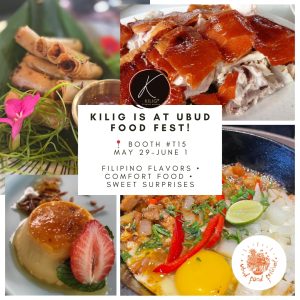
The chef’s table is the ultimate insider experience. Usually located inside or adjacent to the kitchen, a small group of guests watches the culinary team work while enjoying a custom menu. Chef Juan often hosts chef’s table dinners at Kilig Filipino Warung in Ubud, where diners see every flame and plating tweak up close.
What Makes It Special
Guests interact directly with the chef, asking questions about techniques, sourcing, and inspiration. This format turns dinner into an educational and entertaining performance. It is also highly flexible — the chef can adjust dishes on the fly based on guest reactions.
Application
Ideal for groups of 4 to 12 people. Perfect for milestone birthdays, engagement parties, or VIP corporate thank-you dinners. Requires a venue with an open kitchen or a temporary setup near the dining area.
4. Tasting Menus Designed Around Storytelling and Seasonal Ingredients
A tasting menu is a curated sequence of small plates, often tied to a theme or narrative. Unlike a standard multi-course meal, a tasting menu is designed to surprise and educate. Chef Juan creates tasting menus that follow the journey of a single ingredient — for example, a “Coconut: From Tree to Table” menu that spans appetizer, soup, main, and dessert using different parts of the coconut.
Why Tasting Menus Are Popular for Celebrations
They feel exclusive and artistic. Each dish is a chapter in a story, making the meal itself the entertainment. Guests leave with a deeper appreciation for the cuisine and the chef’s craft.
Application
Best for intimate parties of 6 to 20 people. Works well with wine pairing dinner add-ons. When designing a tasting menu, Chef Juan advises keeping it to no more than eight courses — beyond that, guests become fatigued.
5. Interactive Food Stations That Engage Guests Throughout the Event
Interactive food stations turn dining into a social activity. Instead of a buffet line, stations are themed — a ceviche bar, a pasta-making table, a taco assembly station — where guests watch or participate in the final preparation.
How Interactive Food Stations Enhance Guest Experiences
They break the ice. Strangers at a wedding or corporate event begin conversations while sprinkling toppings on their own nachos. Stations also allow guests with dietary restrictions to customize their plates without feeling singled out.
Application
Excellent for cocktail receptions, garden parties, and destination weddings. Arrange 4 to 6 stations around the venue to avoid crowding. Chef Juan recommends including one “wow” station, such as a liquid-nitrogen dessert bar or a live sushi rolling table.
6. Farm-to-Table Dining Emphasizing Freshness and Local Sourcing
Farm to table is more than a trend — it is a philosophy that prioritizes local, seasonal, and often organic ingredients. In Bali, Chef Juan works directly with smallholder farmers to source vegetables, herbs, and free-range proteins. This approach reduces the carbon footprint and ensures peak flavor.
Why Farm-to-Table Is Trending at Events
Guests today care about where their food comes from. Highlighting local farms and producers adds authenticity to the event story. For destination weddings or retreats, farm-to-table menus also reflect the region’s terroir, giving attendees a genuine taste of the place they traveled to.
Application
Works at any scale, from a private villa dinner for 10 to a festival for 300. The key is transparency — feature the farm names on the menu cards, and consider a brief speech from the chef or farmer during the meal.
7. Private Villa Dining Experiences for Intimate Gatherings
Private dining in a villa or rented home offers total control over ambiance, timing, and guest list. It is the concept Chef Juan most frequently customizes for clients in Ubud. “When you cook in someone’s home,” he says, “you become part of their celebration. The food feels personal.”
What Makes Private Dining More Memorable
Privacy and exclusivity. There are no other diners, no closing time. The chef can design a menu that reflects the host’s heritage or favorite flavors. Service can be as formal or casual as desired.
Application
Ideal for groups of 6 to 30 people. Perfect for honeymoon dinners, family reunions, or small corporate retreats. Ensure the villa has a functional kitchen or arrange for a mobile cooking setup.
8. Cultural and Heritage-Inspired Menus That Celebrate Local Traditions
Food is a gateway to culture. A heritage-inspired menu might feature Filipino adobo and sinigang, Mexican mole, or Moroccan tagine — dishes that carry centuries of tradition. Chef Juan’s Filipino heritage heavily influences his cooking; his Kilig menu includes family recipes passed down through generations.
Why Cultural Cuisine Resonates
It tells a story of place and people. For destination weddings, a cultural menu helps guests understand the locale. Even at home, celebrating your own heritage through food creates a sense of pride and warmth.
Application
Can be presented as a multi-course menu, a family-style spread, or interactive stations themed by region. Always explain the significance of each dish — a printed menu card or a brief introduction from the chef adds context.
9. Luxury Grazing Tables with Premium Artisanal Selections
A luxury dining grazing table is an artful display of cheeses, cured meats, fresh fruits, nuts, honey, crackers, and edible flowers. It is designed to be visually stunning and self-serve, encouraging guests to nibble and mingle.
Benefits
No plating delay. Guests eat at their own pace. The abundance of options accommodates varied dietary preferences — vegetarian, gluten-free, keto — all in one surface.
Application
Best as a pre-dinner appetizer or a standalone offering at cocktail-style events. For a luxurious touch, include artisan touches like truffle honey, aged balsamic, and hand-sliced prosciutto. Chef Juan suggests allocating about half a pound of food per person across the table.
10. Seafood-Focused Feasts Ideal for Coastal Destinations
Nothing says celebration by the sea like a seafood feast — grilled fish, prawns, lobster, clams, and squid, often prepared simply with olive oil, citrus, and herbs. In Bali, Chef Juan sources snapper and tuna from local fishermen for his seafood nights.
Why It Works
Fresh seafood is inherently festive. It pairs beautifully with crisp white wines or tropical cocktails. A whole grilled fish or a paella pan full of shellfish creates a dramatic centerpiece.
Application
Perfect for beach weddings, coastal resort events, or summer parties. Serve buffet-style or as a family-style main course. Always have a vegetarian alternative available for non-seafood eaters.
11. Wine and Cocktail Pairing Dinners That Enhance Culinary Experiences
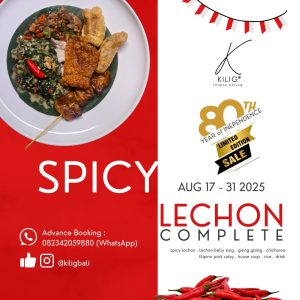
A wine pairing dinner is a structured meal where each course is matched with a specific beverage — wine, cocktail, or even a non-alcoholic pairing. The goal is to elevate both the food and the drink. Chef Juan sometimes hosts pairing dinners where a Balinese arak cocktail accompanies a spicy pork belly course.
How Wine Pairing Dinners Improve Celebrations
They educate and delight. Guests discover flavor harmonies they would not experience otherwise. The structure also adds a natural rhythm to the evening, with each course and pour building toward a climax.
Application
Best for groups of 10 to 40 people. Work with a sommelier or a mixologist to design the pairings. For a more casual vibe, offer one signature cocktail per course instead of wine.
12. Sunset Dining Concepts Combining Scenery and Gastronomy
Sunset dining is about timing and placement. The meal is scheduled so guests are seated as the sky changes color. Whether on a cliff, a beach, or a rooftop terrace, the view becomes part of the menu.
Why Sunset Dining Is Unforgettable
Natural beauty amplifies the dining experience. The gradual transition from daylight to dusk creates a romantic, tranquil mood. It is also highly photogenic, encouraging guests to share the moment on social media.
Application
Ideal for destination weddings, honeymoon dinners, and milestone anniversaries. Keep the menu light — three or four courses — so guests do not feel rushed. Start the first course at least 30 minutes before sunset to allow for lingering.
Live Cooking Demonstrations: Adding Entertainment and Personalization
Live cooking stations go beyond simple interaction. When a chef flambés a dessert or tosses pasta tableside, the performance becomes part of the evening. Chef Juan often sets up a mobile wok station for guests who want their noodles stir-fried to order.
Why It Works
It adds a layer of theater. Guests are engaged, entertained, and fed. The chef can also answer questions, making the dining experience educational.
Application
Use at cocktail hours, outdoor barbecues, or as an intermezzo between courses. Budget for an extra chef or line cook per station to keep the flow smooth.
Wellness-Focused Dining with Health-Conscious Menu Options
As more event attendees prioritize health, wellness-focused menus have become essential. These menus feature nutrient-dense ingredients, plant-forward dishes, and options that cater to gluten-free, dairy-free, or low-carb diets — without sacrificing flavor.
Why It Matters
Guests appreciate feeling cared for. A wellness menu can also align with the event’s theme — a yoga retreat, a spa weekend, or a corporate wellness summit. Chef Juan balances indulgence with nutrition by using whole grains, fresh vegetables, and lean proteins while still incorporating rich flavors through herbs and spices.
Application
Offer a wellness station alongside traditional options. Clearly label dishes with allergens and dietary tags. A “Nourish Bowl” bar where guests choose grains, greens, proteins, and dressings is both interactive and health-conscious.
Fusion Cuisine Blending International and Regional Flavors
Fusion cuisine merges techniques and ingredients from different culinary traditions. Chef Juan’s Filipino-inspired dishes often incorporate Balinese spices — a natural fusion born from his location. The result is exciting, surprising, and deeply personal.
Why Fusion Works for Celebrations
It offers novelty. Guests who love both sushi and tacos will delight in a sushi taco. Fusion also allows the chef to express creativity while still respecting the roots of each cuisine.
Application
Use as a tasting menu theme or as a single “fusion” station. For example, a Korean BBQ taco bar or an Italian-Japanese pasta with miso carbonara. Always explain the inspiration so guests understand the blend.
Themed Dining Experiences Tailored to the Event’s Identity
A themed dining experience aligns every aspect of the meal — decor, music, plating, uniform, and menu — with the event’s purpose. A Gatsby-themed gala might feature champagne towers and roasted oysters. A tropical luau would have poke bowls and tiki cocktails.
Why Themed Dining Works
It creates a cohesive world. Guests are transported. The food becomes part of the storytelling, not just sustenance. Themed dining also makes for incredible photo opportunities, boosting the event’s social media presence.
Application
Plan the theme at least three months in advance. Coordinate with the venue, decorator, and chef to ensure consistency. The menu should include at least three dishes that directly reference the theme.
Brunch Celebrations Offering a Relaxed and Social Atmosphere
Brunch has become a popular format for celebrations because it is less formal than dinner yet still feels special. A Champagne brunch with an omelet station, fresh pastries, and a seafood bar can accommodate a wide age range.
Why Brunch Works
Daytime events feel more relaxed. Guests can mingle, eat at their own pace, and leave early enough to enjoy the rest of their day. Brunch also works well for baby showers, bridal showers, and post-wedding farewells.
Application
Offer a mix of hot and cold stations. Include one or two interactive elements, such as a mimosa bar or a make-your-own yogurt bowl. Chef Juan suggests serving brunch from 10:00 a.m. to 1:00 p.m. to capture both late risers and early lunchers.
Personalized Menus Reflecting Guest Preferences and Dietary Needs
Personalization is the cornerstone of modern event catering. Before the event, send a questionnaire to guests asking about allergies, religious restrictions, and favorite ingredients. Chef Juan then crafts a menu that makes everyone feel considered.
Why It Matters
Guests with dietary restrictions often feel excluded at group meals. A personalized menu turns a potential problem into a gesture of care. It also allows the chef to highlight ingredients that the host knows guests love.
Application
For seated dinners, print individual menu cards with each guest’s selected option. For buffets, clearly label dishes with tags like “gluten-free,” “vegan,” or “nut-free.” Offer at least two choices per course.
Useful Resources
For deeper insight into seasonal ingredient sourcing and menu design, explore these reputable sources:
- Chef’s Table Documentary Series on Netflix — A visual exploration of chef-driven cuisine that inspires many of the storytelling concepts described here.
- World Food Travel Association — Research and case studies on how food and beverage experiences drive destination travel and event planning.
Frequently Asked Questions About Dining Concepts That Elevate Special Occasions
What dining concepts are best for special occasions?
The best concepts depend on the event’s formality and size. For intimate celebrations, a chef’s table or tasting menu works beautifully. For larger groups, family-style dining or interactive food stations encourage connection.
How does a chef’s table experience work?
A chef’s table places guests directly in or adjacent to the kitchen. The chef personally presents each course, explains techniques, and often tailors dishes to the group’s preferences. It typically accommodates 4 to 12 guests.
Why are tasting menus popular for celebrations?
Tasting menus offer a curated journey of flavors in small portions. They feel exclusive and artistic, making the meal itself the centerpiece of the evening. They are particularly popular for milestone birthdays, anniversaries, and private dinner parties.
What is family-style dining for events?
Family-style dining involves serving large platters of food on the table for guests to share. It is communal, encourages conversation, and allows everyone to taste multiple dishes. It works well for weddings, reunions, and corporate retreats.
How do interactive food stations enhance guest experiences?
Food stations let guests customize their plates and watch the cooking process. They break the ice, accommodate dietary needs naturally, and add a layer of entertainment that static buffets lack.
What makes private dining more memorable?
Private dining offers total control over the environment, timing, and menu. There are no other diners, no closing time. The chef can personalize every detail, creating a meal that feels bespoke and intimate.
Why is farm-to-table dining trending at events?
Guests increasingly value transparency and sustainability. Farm-to-table menus highlight local producers, reduce food miles, and deliver peak flavor. This approach also ties the event to the destination’s terroir.
How do wine pairing dinners improve celebrations?
Wine pairing dinners enhance both food and drink by matching each course with a complementary beverage. They add structure, educate guests, and elevate the overall sensory experience.
What dining experiences are popular for destination weddings?
Popular options include sunset dining on the beach, farm-to-table feasts using local ingredients, and cultural heritage menus that reflect the destination’s cuisine. Interactive stations and family-style meals also work well for larger groups.
How can food concepts make an event more memorable?
Food concepts that tell a story, involve the guests, or highlight local culture create emotional connections. Unique presentation, live cooking, and personalized menus turn a meal into a highlight that guests will talk about for years.
Is a multi-course fine dining menu suitable for a large wedding?
It depends on the venue and service staff. Plated multi-course dinners work best for 100 guests or fewer. For larger weddings, consider a three-course plated meal or a family-style service to keep logistics smooth.
How many courses should a tasting menu have?
Most chefs recommend 5 to 8 courses. More than 8 can overwhelm guests, while fewer than 5 may feel incomplete. Each course should be small enough to allow progression without overfilling.
Can I combine different dining concepts at one event?
Absolutely. Many successful events blend concepts — for example, a cocktail hour with grazing tables and interactive stations, followed by a seated family-style dinner, and then a dessert station with live crepe making.
What is the cost difference between family-style and plated meals?
Family-style meals often cost 10–20% less than plated options because they require fewer servers and less plating labor. However, they may use more total food volume since guests tend to take larger portions from shared platters.
How far in advance should I book a private chef for a villa dinner?
Ideally, book 4 to 6 weeks in advance. This gives the chef time to source specialty ingredients, design a custom menu, and conduct a site visit. Last-minute bookings are possible but limit personalization.
What should I include in a luxury grazing table?
A luxury grazing table includes a mix of aged cheeses, cured meats, fresh and dried fruits, nuts, olives, artisan crackers, dips (hummus, tapenade), honey, and edible flowers. Aim for 4–6 ounces of cheese and 2–3 ounces of meat per person.
How do I incorporate dietary restrictions into a tasting menu ?
Communicate all restrictions to the chef at least two weeks before the event. Most chefs can adapt a course by swapping an ingredient without disrupting the flow. For severe allergies, a completely separate course may be needed.
What is the best time of day for a sunset dining event?
Start the first course 45 minutes before sunset. This allows guests to enjoy the changing light during appetizers, with the main course arriving just as the sun sets. Dessert can be served under stars or ambient lighting.
Can a wellness-focused menu still feel indulgent?
Yes. Wellness menus can include dishes like grilled salmon with herb butter, dark chocolate mousse with avocado, or roasted vegetables with truffle oil. The key is using whole, nutrient-dense ingredients rather than heavy processed items.
How do I choose the right dining concept for my event?
Start by defining the event’s tone, guest count, and venue capabilities. Formal events often call for plated multi-course dinners. Casual or social gatherings benefit from family-style or stations. Destination events shine with cultural or farm-to-table menus. When in doubt, consult an experienced chef or event planner. For a related guide, see 10 Proven Menu Styles Perfect for Destination Gatherings and Events.
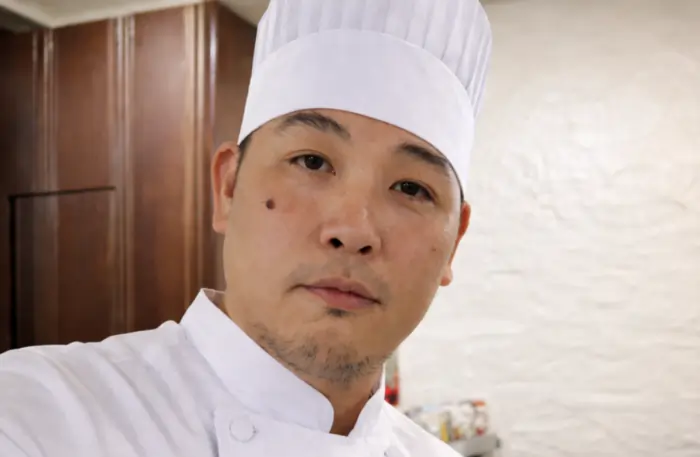
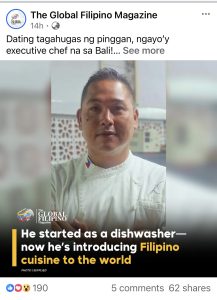
Chef Juan Gadi brings the heart of Filipino hospitality to Ubud, Bali. As an Executive Chef and consultant, he specializes in creating intimate, curated dining experiences that tell a story through every dish. Whether leading the kitchen at Kilig Filipino Warung or hosting a private villa dinner, Chef Juan’s approach is defined by warmth, modern technique, and a commitment to culinary excellence.