

Cultural Experiences That Define a Bali Journey Key Takeaways
The Cultural Experiences That Define a Bali Journey go far beyond snapping photos at sunset temples.
- Cultural Experiences That Define a Bali Journey include temple visits, village homestays, and attending local festivals.
- Meaningful engagement with Balinese culture and traditions deepens your appreciation and builds mutual respect.
- Authentic connection—through food, art, or ritual—transforms a vacation into a true cultural immersion in Bali .

Why Seek Authentic Bali Experiences Beyond the Tourist Trail?
As an Executive Chef who brings the heart of Filipino hospitality to Ubud, I have learned one universal truth: the most profound travel moments happen when we slow down and listen. Bali cultural experiences are uniquely accessible because the Balinese people weave their spirituality into daily life. Every offering placed on the sidewalk, every greeting of “Om Swastiastu,” and every temple anniversary is an invitation into their world.
For first-time visitors, the sheer richness of Balinese culture and traditions can feel overwhelming. Where do you start? You begin not with a checklist, but with an open heart. The authentic Bali experiences that stay with you are often unplanned—a local inviting you to a family ceremony, a chance encounter with a local artisan carving wood, or sharing a meal in a village home. These moments define the cultural travel in Bali that transforms tourists into storytellers.
Bali heritage attractions like Uluwatu Temple or Tirta Empul draw crowds for good reason. Yet the true magic of exploring Balinese traditions lies in what happens between those landmarks. It is the cultural immersion in Bali that teaches you the philosophy of Tri Hita Karana—harmony with God, nature, and fellow humans. That harmony is the thread running through every Bali travel experience of value.
The Gateways to Balinese Culture and Traditions
The island of a thousand temples offers many doorways into its soul. Each gateway opens onto a different facet of traditional Bali customs, from the grandeur of a temple ceremony to the quiet rhythms of village life.
Temple Ceremonies: The Heartbeat of Daily Life
No Bali cultural journey is complete without witnessing a temple ceremony. Temples are not museums; they are living community centers. The temple ceremonies (odalan) celebrate the anniversary of a temple’s founding and involve processions, music, dance, and elaborate offerings. During these events, the air thickens with incense and the sound of gamelan. Women carry towering fruit sculptures on their heads, men chant in deep tones, and children dart through the crowd with flower petals.
I once stood in the outer courtyard of Pura Taman Ayun, my chef’s eye mesmerized by the geometry of banana-leaf offerings. A local priest noticed my curiosity and gestured for me to sit. For an hour, I observed the ritual without understanding a single word, yet I felt the devotion in every gesture. That is the power of cultural exploration—it speaks to something beyond language.
Local Villages: Windows into the Balinese Way of Life
Venturing into local villages around Ubud, Tegalalang, or Sideman offers a glimpse into the Balinese way of life that remains unchanged for generations. Here, you find family compounds with split gates, rice terraces tended by hand, and local artisans weaving textiles or carving stone. Many villages welcome travelers to join daily activities—learning to make offerings from palm leaves, planting rice seedlings, or cooking alongside a family. For a related guide, see Exploring Bali Through Its Morning Rituals and Daily Life.
Homestays are the most rewarding form of accommodation for cultural immersion in Bali. Waking up to the sound of roosters, sharing black rice pudding with your host family, and watching the grandmother prepare banten (offerings) creates bonds that no hotel can replicate. These experiences embody the meaningful travel in Bali that enriches both visitor and host.
Traditional Markets: The Flavor of Community Life
The heart of any Balinese town is its traditional markets. Ubud Market, Pasar Badung in Denpasar, and the nightly Gianyar Market are festivals of color, aroma, and bustle. Early mornings are best—before the tourist rush, when local women buy fresh turmeric, lemongrass, and tiny red chilies for their daily cooking. Local cuisine begins at these stalls: sate lilit (minced fish satay with coconut), lawar (spiced vegetable and meat salad), and babi guling (suckling pig).
For a chef like me, the market is a classroom. I learned to choose young coconuts by their weight, to smell the freshness of shrimp paste, and to bargain with a smile—a skill in Balinese customs that shows respect. The market teaches you about seasonality, sustainability, and the generosity of vendors who insist you taste their mangoes before buying.
Traditional Dances and Performing Arts: Stories in Motion
Traditional dances are not mere entertainment; they are devotional storytelling. The Legong dance, with its intricate finger movements and flashing eyes, narrates tales from the Ramayana. The Barong dance pits the lion-like protector against the witch Rangda. And the Kecak fire dance, performed by dozens of men chanting “chak-a-chak,” creates a hypnotic trance under moonlight.
Watching a performance at Ubud Palace or in a village temple courtyard connects you to centuries of cultural heritage. After one Kecak performance, I was invited backstage by the lead dancer. He showed me the painted mask of Barong, the heavy gold headdress, and the stories his family had passed down for seven generations. “Tourists think it is a show,” he said. “But for us, it is still prayer.” That distinction defines the cultural highlights of Bali—art never divorced from ritual.
Local Artisans: Masters of Traditional Crafts
Bali’s artistic soul finds expression in traditional crafts. The island is dotted with artisan villages: Batubulan for stone carving, Celuk for silver and gold, Mas for wood carving, and Tenganan for double-ikat weaving called geringsing. Visiting these workshops allows you to see local artisans at work—hands chiseling stone into a smiling Ganesha, fingers patiently looping thread on a backstrap loom.
These Bali local experiences offer a rare intimacy. I spent an afternoon in Mas watching a carver transform a log into a panel of village life. He worked without sketches, guided by muscle memory. “The wood tells me what it wants to become,” he said. That philosophy—yielding to the material—is a lesson in Balinese traditions that applies to cooking, carving, and living.
Spiritual Practices and the Journey Inward
Spiritual practices in Bali are woven into the fabric of everyday life. The concept of sekala (the visible world) and niskala (the invisible world) means that every action has a spiritual dimension. Travelers can experience this through yoga and meditation retreats in Ubud, but more authentically by participating in a temple blessing or joining a purification ritual at Tirta Empul.
The water temple at Tirta Empul is one of the most profound Bali heritage attractions. Visitors wearing sarongs step into a series of fountains, each representing a different blessing. You bow your head under the cool water, palms together, and feel—regardless of your personal beliefs—a sense of cleansing. Cultural immersion in Bali invites you to experience these rituals with reverence, not as a tourist but as a humble guest.
Religious Festivals: Community Celebrations of Faith
Religious festivals punctuate the Balinese calendar. Galungan, when the spirits of ancestors visit the earth; Kuningan, the day of blessings; Nyepi, the silent day of meditation. During Galungan, every village erects penjor—bamboo poles curved and decorated with coconut leaves, fruit, and rice stalks. The streets become living galleries of devotion and creativity.
Attending a community celebration like an odalan gives travelers a front-row seat to Balinese culture and traditions. You are often welcomed to sit in the temple courtyard, offered sweet tea and rice cakes. Children smile shyly, elders nod in blessing. In these moments, the line between observer and participant blurs. That blurring is the essence of authentic travel in Bali.
Balinese Hospitality: The Art of Welcoming a Stranger
If there is one quality that defines Balinese hospitality, it is the absence of transaction. When a Balinese family invites you into their home, they are not selling an experience; they are sharing their world. This hospitality is rooted in the belief that guests carry blessings. I have experienced this firsthand—whether being served kopi tubruk (spiced coffee) in a village kitchen or receiving a basket of mangoes from a homestay host “because the tree gave too many.”
For travelers seeking Bali travel experiences grounded in connection, choose homestays over resorts. Eat at warungs where the grandmother cooks. Accept invitations to temple anniversaries. These Bali local experiences require leaving your comfort zone, but the reward is extraordinary: the sense that you are not just a visitor but a temporary member of the community.
Local Cuisine: The Flavors of Balinese Customs
The most direct path into Balinese customs is through food. Local cuisine reflects the island’s geography, spirituality, and history. A typical feast includes lawar (minced meat with coconut and spices), sate lilit (spiced mince on lemongrass skewers), bebek betutu (slow-cooked duck in banana leaves), and jaja klepon (rice flour balls with palm sugar).
Cooking classes are among the best cultural exploration activities. You start at the market, learning to choose ingredients; then return to the chef’s garden to pick fresh turmeric and kaffir lime leaves. In my own kitchen at Kilig Filipino Warung, I often fuse Filipino and Balinese flavors—a reflection of how heritage tourism can inspire creative dialogue between cultures. Food becomes a bridge, and every meal tells a story of traditional Bali customs. For a related guide, see Food Connects Filipinos to Cultural Roots: 1 Chef’s Story in Bali.
Practical Ways to Participate Respectfully in Cultural Activities
Meaningful travel in Bali requires awareness. Dress modestly when visiting temples—sarong and sash are non-negotiable. Never point your feet toward a shrine or touch someone’s head. Speak softly in sacred spaces. Ask permission before taking photographs of ceremonies or people. A simple smile and nod of thanks (terima kasih) goes far.
Join a community celebration only when invited. Many temples welcome respectful visitors, but always arrive early and follow the lead of locals. If you are offered canang sari (offerings) to place at a shrine, accept the honor with both hands. These small gestures of respect unlock deeper cultural immersion in Bali and build goodwill.
| Cultural Activity | Best Location | Tips for Respectful Participation |
|---|---|---|
| Temple ceremony (odalan) | Any village temple | Wear sarong and sash; sit at the back of the courtyard; do not interrupt rituals. |
| Traditional dance performance | Ubud Palace, Batubulan | Arrive early; clap at the end; photograph without flash. |
| Purification ritual (melukat) | Tirta Empul | Use a sarong; follow the order of fountains; bow before each immersion. |
| Cooking class with local family | Ubud, Sideman | Ask about dietary restrictions; wash hands before handling food; offer to help clean up. |
| Village homestay | Tegalalang, Penglipuran | Bring a small gift (fruit or sweets); take off shoes before entering the compound; join morning offerings. |
Why Cultural Experiences Are Often the Highlight of a Bali Trip
Ask any seasoned traveler what they remember most about Bali, and they will likely mention a person—not a hotel pool or a beach club. The cultural highlights of Bali are human moments: a farmer sharing his lunch of nasi campur, a dancer teaching you a hand gesture, a priest blessing your forehead with holy water. These moments create lasting memories for travelers because they touch something deeper than sightseeing.
Bali cultural experiences resonate because they are participatory. You do not just watch a temple ceremony; you feel the heat of the incense, taste the sweet offerings, and hear the gamelan vibrate through your chest. You do not just eat local cuisine; you learn the story behind each spice. This is authentic Bali experiences in action—connection over consumption.
For me, walking through the rice terraces of Jatiluwih with a farmer taught me more about sustainability than any textbook. Watching him repair a canal with bamboo and a machete reminded me that Balinese culture and traditions hold wisdom for modern challenges. That farmer shared his knowledge freely, expecting nothing but respect. That is Balinese hospitality at its finest—generosity without expectation.
Useful Resources
To deepen your understanding of Balinese culture and traditions before or during your trip, explore these reputable sources. They offer practical guidance on temple etiquette, festival calendars, and community-based tourism.
- Bali Tourism Board – Official travel and cultural resource
- Lonely Planet Bali – Comprehensive travel guide with cultural insights
Frequently Asked Questions About Cultural Experiences That Define a Bali Journey
What cultural experiences define a Bali journey?
The Cultural Experiences That Define a Bali Journey include attending temple ceremonies, visiting local villages, watching traditional dances, exploring artisan workshops, tasting local cuisine, and joining community festivals. Each activity offers a window into the Balinese way of life.
Why is Balinese culture an important part of visiting Bali?
Balinese culture and traditions are the soul of the island. Without engaging with them, a visit to Bali remains superficial. Understanding local customs enriches your travel and shows respect for the community.
What traditional customs can travelers experience in Bali?
Travelers can witness daily offerings (canang sari), temple purification rituals (melukat), tooth-filing ceremonies, and the community celebrations of Galungan and Nyepi. Each custom carries deep spiritual meaning.
How do temple ceremonies enrich the Bali travel experience?
Temple ceremonies are vivid displays of devotion, art, and social unity. They allow visitors to see living heritage in action—music, dance, and community bonding around shared faith.
What cultural attractions should visitors not miss in Bali?
Bali heritage attractions like Uluwatu Temple, Tirta Empul, the Tegallalang Rice Terraces, and the Kecak Fire Dance are essential. Also visit artisan villages such as Batubulan and Celuk for traditional crafts.
How can travelers immerse themselves in local Balinese traditions?
Stay in a village homestay, take a cooking class, learn to make offerings, attend a temple odalan, and join a local guide for rice terrace walks. This cultural immersion in Bali transforms your perspective.
What role do festivals play in Bali’s cultural identity?
Religious festivals affirm community ties and spiritual beliefs. They are moments when Balinese culture and traditions are publicly celebrated through elaborate offerings, processions, and art performances.
How do local villages showcase authentic Balinese life?
Local villages maintain traditional architecture, farming practices, and customs. In places like Penglipuran and Tenganan, visitors see daily rituals, village life, and local artisans at work.
What traditional arts and performances can visitors enjoy in Bali?
Traditional dances such as Legong, Barong, and Kecak are performed regularly. You can also watch gamelan rehearsals, shadow puppet shows (wayang kulit), and traditional crafts demonstrations.
Why are cultural experiences often the highlight of a Bali trip?
Because they create personal connections. Meeting a farmer, sharing a meal, or receiving a blessing lingers longer than any souvenir. Cultural Experiences That Define a Bali Journey become stories you carry home.
How does Balinese hospitality shape the visitor experience?
Balinese hospitality makes visitors feel welcomed as family. From a host offering coffee to a stranger inviting you to a ceremony, this warmth transforms travel into genuine human exchange.
What spiritual traditions can travelers learn about in Bali?
You can learn about Tri Hita Karana (three causes of well-being), melukat (purification), meditation at ashrams, and the philosophy behind daily offerings. These spiritual practices offer inner peace and perspective.
How can tourists respectfully participate in cultural activities?
Dress modestly, ask permission before photographing, follow local seating arrangements, use both hands when giving or receiving, and never touch sacred objects. Respectful cultural travel ensures positive exchange.
What makes Bali’s cultural heritage unique compared to other destinations?
Bali’s Hindu-Buddhist heritage, blended with animist traditions, creates a distinct cultural heritage that is both vibrant and resilient. Unlike many places, tradition here is not preserved in museums—it is lived daily.
Why do cultural experiences create lasting memories for travelers in Bali?
Because they engage all senses—smell of incense, taste of lemongrass, touch of temple water. These embodied memories become stories that define Bali travel experiences for a lifetime.
What is the best time to attend a temple ceremony in Bali?
Temple ceremonies occur according to the Balinese calendar, often every 210 days. Check local calendars or ask your homestay host. Early morning is the best time for a quieter experience.
Can solo travelers participate in Balinese cultural activities easily?
Absolutely. Solo travelers are welcomed warmly. Joining a group cooking class, a guided temple tour, or a village homestay provides built-in community and safety while allowing personal space for reflection.
Are there any cultural taboos I should be aware of in Bali?
Yes. Do not touch anyone’s head (it is considered sacred). Avoid pointing with your index finger; use your thumb. Do not step over offerings. Never raise your voice in a temple. These Balinese customs reflect deep respect.
How can I support local communities while experiencing Balinese culture?
Choose locally owned homestays, hire community guides, buy traditional crafts directly from artisans, eat at warungs, and donate to temple maintenance funds. Heritage tourism done right benefits everyone.
What is the significance of offerings (canang sari) in Balinese daily life?
Canang sari are daily offerings to thank the gods for balance and protection. They contain symbolic elements—flowers for deities, rice for prosperity, and money for gratitude. Exploring Balinese traditions reveals their layered meaning.
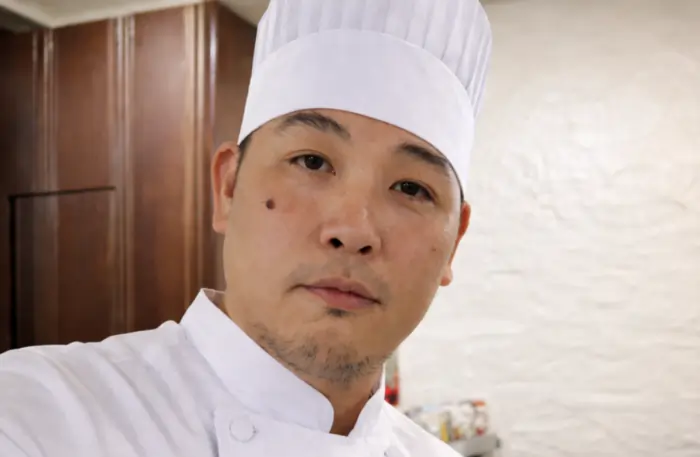
Chef Juan Gadi brings the heart of Filipino hospitality to Ubud, Bali. As an Executive Chef and consultant, he specializes in creating intimate, curated dining experiences that tell a story through every dish. Whether leading the kitchen at Kilig Filipino Warung or hosting a private villa dinner, Chef Juan’s approach is defined by warmth, modern technique, and a commitment to culinary excellence.