
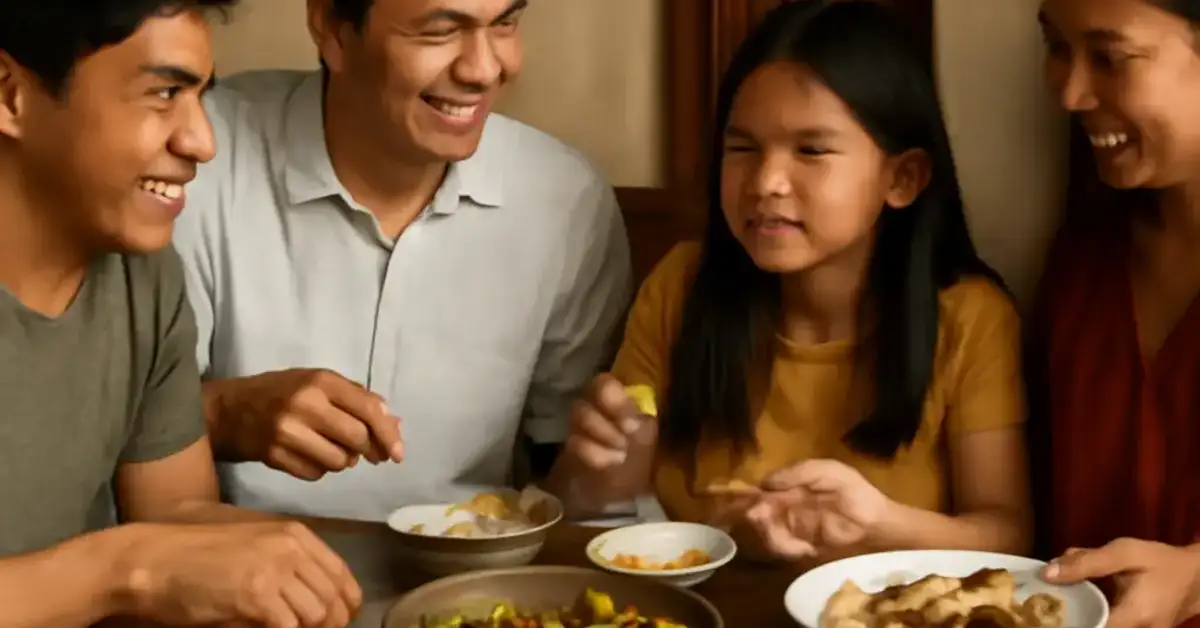
Filipino Dining Customs Every Bali Traveler Should Know Key Takeaways
Filipino dining customs are rooted in warmth, respect, and community — values that resonate deeply with Bali’s own spirit of togetherness.
- Filipino Dining Customs Every Bali Traveler Should Know include sharing food , using hands (kamayan), and waiting for elders to begin eating.
- Embracing communal meals and traditional Filipino recipes helps travelers connect with local culture and the overseas Filipino community.
- Proper table etiquette , such as respect for elders and offering food to others, is essential for enjoying authentic Filipino cuisine respectfully.
Why Filipino Dining Customs Every Bali Traveler Should Know Matter in Bali’s Food Scene
Bali has become a vibrant hub for Southeast Asian cuisine, and Filipino restaurants Bali are increasingly part of the island’s diverse culinary landscape. Whether you are a food tourist hunting for authentic Filipino dining or a culture enthusiast eager to understand Filipino food culture, knowing local dining habits ensures a richer, more respectful experience. These customs are not just rules — they are an invitation into the Filipino way of life. For a related guide, see 10 Filipino Food Traditions You Can Experience in Bali.
For international visitors and expatriates in Bali, the Filipino dining traditions offer a window into centuries of heritage cooking and cultural exchange. The warm island hospitality of the Philippines mirrors Bali’s own welcoming spirit, making every shared meal a bridge between cultures. Let’s explore each custom, so you can dine with confidence and joy.
1. Family Style Dining: The Heart of Every Meal
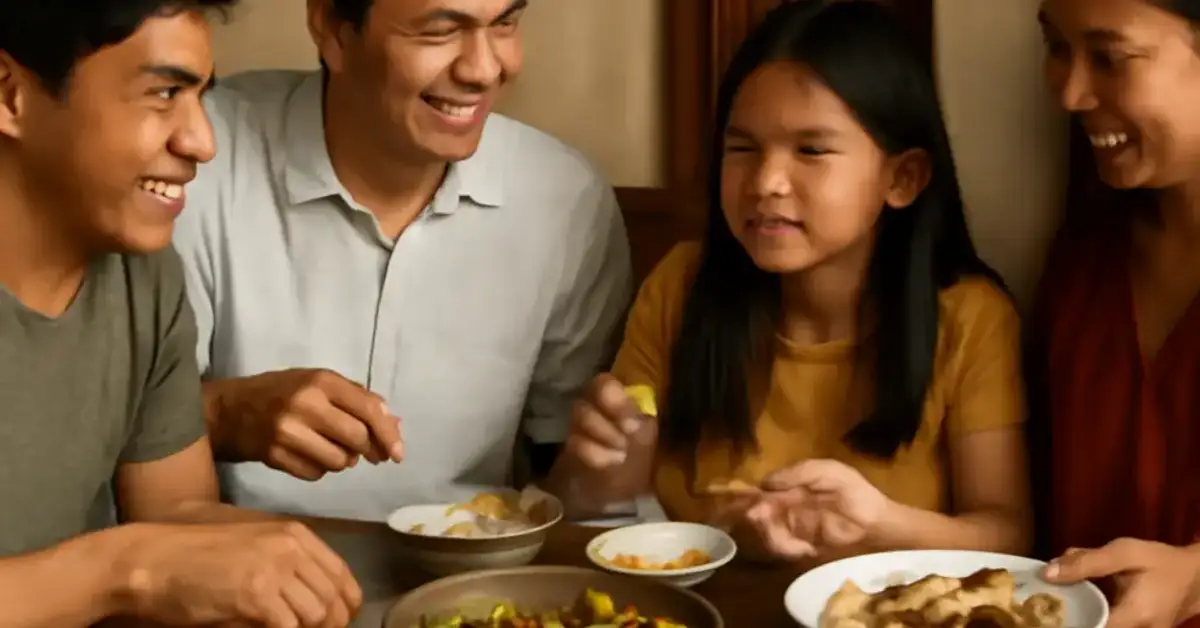
One of the most defining Filipino dining customs is family style dining. Dishes are placed at the center of the table, and everyone serves themselves or shares directly from the same plates. This practice embodies the communal meals spirit of the Philippines, where food is meant to be enjoyed together.
How It Differs From Other Cuisines
Unlike Western courses served individually, Filipino meals are a shared experience. Sharing food is not just polite — it is expected. In Filipino restaurants Bali, you will notice that even solo diners may be offered a spoon to taste a companion’s dish. This generosity is a hallmark of Filipino food culture.
What to Expect as a Visitor
When you visit authentic Filipino dining spots in Bali, look for menus designed for two or more. Common dishes like adobo, sinigang, and lechon kawali are served in large portions. Do not be shy about reaching across the table — just remember to use serving spoons, not your personal utensils.
2. Filipino Hospitality Means You Never Eat Alone
Filipino hospitality is legendary, and it shines most brightly at the dining table. If a Filipino restaurant Bali staff member invites you to try a dish or offers extra rice, accept it graciously. Refusing food outright can be seen as rejecting the host’s goodwill.
The Culture of Overfeeding Guests
In Filipino dining traditions, hosts ensure no guest leaves hungry. You might be served more than you can eat. It is acceptable to leave a small amount on your plate, but finishing everything is a sincere compliment to the cook. This custom is deeply tied to Filipino culinary traditions and food culture.
3. Respect for Elders at Every Stage of the Meal
Respect for elders is a cornerstone of Filipino dining customs. Before anyone begins eating, the youngest person at the table typically says, “Eat na po” (Please eat) or waits for an elder to start. This gesture of table etiquette shows deference and gratitude.
Practical Tips for Travelers
When dining with an overseas Filipino community in Bali or at a local spot, wait for the oldest person to take the first bite. Offer them the best portion of a dish. These small acts of respect for elders will be warmly appreciated and reflect your understanding of authentic Filipino cuisine culture.
4. The Kamayan Tradition: Eating with Your Hands
Kamayan, which means “by hand” in Tagalog, is a cherished Filipino dining tradition. In many authentic Filipino dining settings, especially during festive Filipino celebrations, food is served on banana leaves, and diners eat with their hands. This practice heightens the sensory experience of traditional Filipino recipes.
How to Do It Right
Use only your right hand. Form a small ball of rice and viand with your fingertips, then push it into your mouth using your thumb. It is clean, deliberate, and deeply connected to food traditions. Many Filipino restaurants Bali offer a kamayan set — ask your server if you want to try it.
5. Sharing Food Is More Than a Habit — It’s a Value
Sharing food is central to Filipino food culture. When dining out, friends and family often order multiple dishes and share everything. This is not just practical — it symbolizes trust, generosity, and the communal spirit of Southeast Asian food culture.
Etiquette for Sharing
Always use serving spoons. Never dip your personal spoon into a shared bowl. If you want to offer food to a companion, place it on their plate rather than handing it directly. These restaurant etiquette tips help maintain hygiene and respect.
6. Table Etiquette: Utensils, Posture, and Pace
Table etiquette in Filipino dining is relaxed but thoughtful. Fork and spoon are the standard utensils (the fork is used to push food onto the spoon). Knives are rare because meat is usually served tender or pre-cut. Keep your hands visible above the table, and avoid resting your elbows while eating.
Pacing the Meal
Meals are leisurely. Rushing through a Filipino meal is considered impolite. Enjoy conversation between bites, and accept seconds if offered. This aligns with cultural dining experiences where the meal is about connection, not just sustenance.
7. Filipino Celebrations and Feast Traditions
Filipino celebrations like fiestas, birthdays, and holidays feature elaborate spreads. If you are lucky enough to attend one in Bali — perhaps hosted by the overseas Filipino community — expect a buffet of traditional Filipino recipes like lechon, pancit, and lumpia. These gatherings are joyous, loud, and full of island hospitality.
What to Bring as a Guest
If invited to a Filipino celebration, bring a dish to share or a small gift like dessert. Arrive on time, but understand that the meal may start late as hosts prepare. Participate in the cultural exchange by trying every dish offered — it is a sign of appreciation.
8. Bali Food Guide: Navigating Filipino Restaurants and Menus
As part of your Bali food guide, know that Filipino restaurants Bali often combine Filipino culinary traditions with local ingredients. You might find dishes like adobo made with Balinese palm vinegar or sinigang with local tamarind. These fusion touches create cultural dining experiences that celebrate both cuisines.
Common Menu Terms and Ordering Tips
Words like ulam (main dish), kanin (rice), and sabaw (soup) appear on menus. Ask your server for recommendations, especially for authentic Filipino cuisine. Do not be afraid to specify your spice tolerance — Filipino food can be mild or spicy depending on the dish. This local dining customs knowledge will make ordering effortless.
Useful Resources
Explore more about Filipino food culture and food tourism through these reliable sources:
- Bali Best Food – Filipino Cuisine Guide – A practical resource for finding authentic Filipino dining spots across Bali.
- Tourism Philippines – Filipino Dining Traditions – Official guide to Filipino dining traditions and food culture.
By embracing these Filipino Dining Customs Every Bali Traveler Should Know, you will not only enjoy memorable meals but also build genuine connections with the people and culture. Whether you are a food enthusiast, a cultural traveler, or a travel blogger, let every shared dish deepen your appreciation for Filipino cuisine in Bali and the rich tapestry of Southeast Asian food culture.
Frequently Asked Questions About Filipino Dining Customs Every Bali Traveler Should Know
What Filipino dining customs should Bali travelers know?
Travelers should know about family style dining, sharing food, using hands (kamayan), waiting for elders to start eating, and never refusing food offered. These customs reflect Filipino hospitality and food culture.
Why is sharing food important in Filipino culture?
Sharing food symbolizes trust, generosity, and community. It is a core value in Filipino dining traditions and strengthens bonds among family and friends.
How does Filipino family style dining differ from other cuisines?
Unlike Western individual plating, Filipino meals are served in communal dishes placed at the center. Everyone shares, which encourages conversation and togetherness — a hallmark of Southeast Asian food culture.
What dining etiquette is commonly practiced in Filipino restaurants?
Common restaurant etiquette includes using serving spoons, waiting for elders to start, keeping hands visible, and not rushing the meal. These practices show respect and appreciation for authentic Filipino cuisine.
Why is hospitality central to Filipino meals ?
Filipino hospitality ensures guests feel welcomed and well-fed. Offering extra food and refusing to let guests eat alone are ways to express care and generosity.
How do Filipino dining traditions reflect the country’s culture and values?
Customs like family style dining, respect for elders, and sharing food mirror Filipino values of community, deference, and warmth. These food traditions are expressions of Filipino culinary traditions and social bonds.
What should first time visitors expect when dining at a Filipino restaurant in Bali?
Expect generous portions, shared plates, a leisurely pace, and a warm welcome. Many Filipino restaurants Bali also offer kamayan setups and traditional Filipino recipes adapted with local ingredients.
How do overseas Filipino communities preserve dining customs abroad?
The overseas Filipino community maintains customs through family gatherings, celebrations, and opening Filipino restaurants Bali. They pass down heritage cooking and local dining customs to younger generations and share them with international friends. For a related guide, see How Family Recipes Shape Filipino Dining Experiences in Bali.
Which Filipino table manners are considered respectful?
Using serving utensils, not reaching over others, waiting for elders, and saying “salamat” (thank you) are key table etiquette practices. These reflect Filipino food culture and respect for elders.
How do celebrations influence Filipino dining traditions ?
Filipino celebrations feature abundant food, family style dining, and special traditional Filipino recipes. These events are central to cultural dining experiences and reinforce community ties.
What role do elders play during traditional Filipino meals ?
Elders are served first, and younger diners wait for them to start eating. This respect for elders is a fundamental Filipino dining custom that honors experience and authority.
How does Filipino cuisine create meaningful cultural experiences for travelers?
Through authentic Filipino dining, travelers engage with Filipino hospitality, communal meals, and heritage cooking. These cultural dining experiences foster understanding and connection beyond the plate.
Why do international visitors enjoy authentic Filipino dining ?
International visitors appreciate the bold flavors, generous portions, and the warm, inclusive atmosphere. Authentic Filipino cuisine offers a unique blend of Southeast Asian food culture and island hospitality.
What mistakes should tourists avoid when experiencing Filipino food culture ?
Avoid refusing food, eating before elders, using a knife unnecessarily, or rushing through the meal. These actions can be seen as impolite in Filipino dining customs.
How do Filipino dining customs strengthen cultural connections in Bali’s multicultural food scene?
By embracing Filipino dining traditions, travelers and locals engage in cultural exchange. Shared meals at Filipino restaurants Bali build bridges between communities and enrich Bali food guide experiences.
Is it okay to use my left hand during kamayan?
No, the right hand is traditionally used for eating in Filipino dining traditions. The left hand is considered for personal hygiene. This custom aligns with many Southeast Asian food culture practices.
Can I request a fork and spoon instead of eating with my hands?
Absolutely. Most Filipino restaurants Bali provide utensils for guests who are not comfortable with kamayan. Simply ask your server politely.
Are Filipino dishes in Bali very spicy?
Filipino food is generally milder than Thai or Indonesian cuisine, but some dishes like Bicol Express or sinigang can have heat. Always ask your server about spice levels.
What is the most important rule for dining with Filipinos?
The most important rule is to eat together. Never eat alone while others are waiting, and always offer food to those around you. This embodies the spirit of Filipino hospitality.
How can I find authentic Filipino restaurants in Bali?
Search for Filipino restaurants Bali on Google Maps, read reviews from the overseas Filipino community, and check food tourism blogs. Popular areas include Seminyak, Canggu, and Ubud.

Chef Juan Gadi brings the heart of Filipino hospitality to Ubud, Bali. As an Executive Chef and consultant, he specializes in creating intimate, curated dining experiences that tell a story through every dish. Whether leading the kitchen at Kilig Filipino Warung or hosting a private villa dinner, Chef Juan’s approach is defined by warmth, modern technique, and a commitment to culinary excellence.




