Regional Filipino Food Traditions That Inspire Bali Menus Key Takeaways
The vibrant culinary landscape of Bali has warmly embraced the deep, diverse flavors of the Philippines.
- Regional Filipino food traditions that inspire Bali menus showcase the distinct culinary identities of Luzon, Visayas, and Mindanao, each bringing unique flavor profiles and cooking techniques.
- Filipino restaurants in Bali are skillfully balancing authenticity with local tastes by adapting traditional recipes with Indonesian ingredients like coconut, lemongrass, and local seafood.
- Travelers can experience authentic Filipino cuisine in Bali through dishes like chicken inasal, kinilaw, and sinigang, all prepared with a respect for traditional cooking methods.
Why Regional Filipino Food Traditions That Inspire Bali Menus Matter for Travelers
Bali has long been a melting pot of cultures, where international visitors and expats create a dynamic food scene. Over the past few years, a growing number of Filipino chefs and entrepreneurs have brought their homeland’s rich Filipino culinary heritage to the island. What makes this trend particularly exciting is the focus on regional Filipino dishes rather than a homogenized national menu. Travelers in Bali now have a rare opportunity to taste the distinct differences between Luzon cuisine, Visayas cuisine, and Mindanao cuisine, all while sitting under a Balinese palm tree. This culinary movement is not just about food; it is about food storytelling and cultural exchange, connecting Filipino hospitality with Bali’s multicultural dining scene.
1. Luzon: The Heartland of Regional Filipino Food Traditions
The northern island of Luzon is home to the capital Manila and a vast array of regional specialties. Its cuisine is heavily influenced by Spanish and Chinese colonial history, resulting in rich stews, savory rice dishes, and inventive street food.
The Art of Kare-Kare in Bali
Kare-kare is a thick, peanut-based oxtail stew traditionally served with bagoong (fermented shrimp paste). In Bali, Filipino chefs have adapted this Luzon cuisine staple by using locally sourced peanuts from Java and substituting oxtail with beef short ribs, which are abundant on the island. The result is a dish that remains deeply authentic Filipino cuisine while feeling at home in Bali’s tropical setting. Travelers seeking authentic flavors should look for kare-kare at Filipino restaurants Bali like Pino Seminyak, where the bagoong is made from Balinese shrimp paste (terasi) for a local twist.
Adobo: The National Dish Goes Regional
Adobo from Luzon is typically made with vinegar, soy sauce, garlic, and bay leaves. In Bali, the regional Filipino food traditions that inspire Bali menus see adobo take on a new life. Local chefs often add a touch of Balinese palm sugar (gula aren) and a hint of chili to cater to the Indonesian palate. This adaptation showcases how Filipino chefs honor traditional recipes while embracing local ingredients, creating a dish that tells a story of cultural exchange. For a related guide, see How Family Recipes Shape Filipino Dining Experiences in Bali.
Bicol Express Meets Balinese Coconut
Although Bicol region is in southern Luzon, its fiery coconut-based dish has become a favorite in Bali. Bicol Express uses coconut milk (gata) and loads of chili peppers. In Bali, the dish is enhanced with fresh local lemongrass and galangal, ingredients central to Southeast Asian cuisine. This fusion highlights how regional Filipino food traditions can seamlessly integrate into Bali’s island cuisine.
2. Visayas: The Soul of Filipino Cuisine in Bali
The Visayas region, with its central location, is known for its seafood, grilling techniques, and sour flavors. Visayas cuisine is perhaps the most recognizable regional Filipino food traditions that inspire Bali menus
Chicken Inasal: A Balinese Grill Sensation
Chicken inasal is a marinated and grilled chicken dish from Bacolod City. The marinade—made from calamansi, lemongrass, ginger, and annatto oil—mirrors many flavors found in Balinese lawar and babi guling. Filipino restaurants Bali have made inasal a crowd-pleaser, often serving it with a side of sinamak (spiced vinegar) made with local chili. This dish is a direct example of regional Filipino specialties finding a natural home in Bali’s love for grilled fare.
Kinilaw: The Filipino Ceviche
Kinilaw is the Visayan version of ceviche, where fresh fish is cured in vinegar, calamansi, ginger, and onions. In Bali, the abundance of tuna, snapper, and mahi-mahi makes kinilaw a perfect fit. Chefs often replace calamansi with lime and add local bird’s eye chili for heat. This dish celebrates indigenous ingredients and showcases the cultural dining synergy between two archipelagic nations. Travelers looking for authentic Filipino cuisine should order kinilaw as a refreshing appetizer before a heavier meal.
Lechon: The Centerpiece of Celebrations
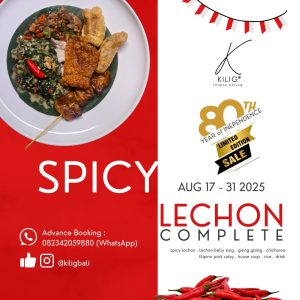
Lechon, particularly the Cebu-style version with its crispy skin and savory meat, has become a star in Bali. Several Filipino restaurants Bali offer lechon by the kilo for special events and weekend feasts. While the pigs in Bali are smaller than their Philippine counterparts, the slow-roasting technique remains identical, preserving the heritage cooking method that makes lechon legendary. This dish embodies Filipino hospitality and is a must-try for food tourists in Bali.
3. Mindanao: Exotic Flavors of the South
Mindanao cuisine is the least known internationally but is gaining traction in Bali thanks to adventurous chefs. The Muslim-influenced dishes of the southern Philippines feature coconut, turmeric, and grilled meats wrapped in banana leaves.
Piyanggang Manok: A Smoky Coconut Chicken
Piyanggang manok, a Tausug dish from Mindanao, involves chicken simmered in burnt coconut and spices. In Bali, this Mindanao cuisine specialty is prepared using local coconut cream and turmeric, creating a dark, smoky stew. It is often served with turmeric rice, another nod to Southeast Asian cuisine. This dish is a prime example of regional Filipino food traditions that inspire Bali menus by bringing lesser-known but deeply flavorful recipes to an international audience.
Satti: Mindanao’s Breakfast Skewers
Satti is a spicy beef or chicken skewer served with a rich peanut sauce and rice. It bears resemblance to Balinese sate lilit, making it a natural crossover. Chefs in Bali have begun offering satti as a weekend breakfast special, introducing travelers to the vibrant food culture of Mindanao. The use of star anise and fennel in the sauce adds a layer of complexity that appeals to food enthusiasts.
4. Indigenous Ingredients: The Bridge Between Two Islands
A key reason regional Filipino food traditions that inspire Bali menus work so well is the overlap in indigenous ingredients. Both cuisines rely on coconut, banana leaves, tamarind, ginger, lemongrass, and local fish. Filipino chefs in Bali are experts at sourcing local ingredients that mirror those from their home provinces. For example, the souring agent in sinigang (tamarind) is readily available in Bali, while the bitter melon (ampalaya) and eggplant used in pinakbet grow abundantly on the island.
5. Traditional Cooking Techniques Preserve Authenticity
Beyond ingredients, the traditional Filipino recipes rely on time-honored techniques that Filipino chefs faithfully reproduce in Bali. Slow-simmering, charcoal grilling, and clay pot cooking are all methods that preserve the heritage cooking of the Philippines. Restaurants like Pino Seminyak and Kusina Bali use palm-leaf mats for serving and banana leaves for wrapping, adding an authentic touch that transports diners to a cultural dining setting. These techniques also help maintain authentic flavors despite being thousands of kilometers from the original source. For a related guide, see How Filipino Chefs Preserve Tradition While Innovating in Bali.
Useful Resources
Learn more about Filipino food culture and its global influence:
- Food and Wine: The Philippines’ Best Regional Dishes – A guide to Luzon, Visayas, and Mindanao specialties.
- The New York Times: Filipino Food Finds a Home in Bali – An in-depth look at the fusion of Filipino cuisine in Bali.
Frequently Asked Questions About Regional Filipino Food Traditions That Inspire Bali Menus
What regional Filipino food traditions inspire Bali menus?
Regional Filipino food traditions that inspire Bali menus include Luzon’s kare-kare and adobo, Visayas’ chicken inasal and kinilaw, and Mindanao’s piyanggang manok and satti. These dishes are adapted using local Balinese ingredients while preserving traditional cooking techniques.
How do Luzon, Visayas, and Mindanao cuisines differ?
Luzon cuisine features Spanish- and Chinese-influenced stews and soy-based dishes. Visayas cuisine celebrates grilling, sour flavors, and fresh seafood. Mindanao cuisine uses coconut, turmeric, and spices influenced by Muslim and Malay traditions, resulting in more aromatic and earthy flavors.
Why are regional Filipino dishes popular in Bali?
Regional Filipino dishes are popular in Bali because they share many ingredients with Balinese cuisine—coconut, lemongrass, chili, and fresh seafood. The flavors feel familiar yet exotic, offering food tourism opportunities for travelers seeking Southeast Asian cuisine variety.
How do Filipino chefs adapt traditional recipes for Bali diners?
Filipino chefs adapt recipes by substituting local proteins like Balinese pork and seafood, adjusting spice levels to suit international palates, and incorporating Indonesian ingredients like palm sugar and bird’s eye chili while keeping the core technique and flavors of the original dish.
What local ingredients are commonly used in Filipino cuisine in Bali ?
Common local ingredients include Balinese lime, young coconut, turmeric, galangal, lemongrass, terasi (shrimp paste), and local fish like tuna, snapper, and mahi-mahi. These ingredients naturally complement authentic Filipino cuisine.
How does Filipino culinary heritage influence restaurant menus abroad?
Filipino culinary heritage influences menus abroad by emphasizing family recipes, food storytelling, and the use of indigenous ingredients. Chefs highlight the diversity of regional flavors, creating a narrative that educates diners about the Philippines’ rich history.
Which regional Filipino dishes should travelers try in Bali?
Travelers should try chicken inasal (Visayas), kare-kare (Luzon), piyanggang manok (Mindanao), kinilaw (Visayas), and lechon (Cebu). These regional Filipino dishes are consistently offered at Filipino restaurants Bali and showcase the breadth of flavors.
How do traditional cooking techniques preserve authentic Filipino flavors?
Techniques like charcoal grilling, slow-simmering in clay pots, and wrapping food in banana leaves infuse dishes with smoky, earthy notes and preserve moisture. These heritage cooking methods ensure that even when ingredients vary, the authentic flavors of the Philippines are maintained.
Why is regional diversity important in Filipino cuisine?
Regional diversity reflects the country’s varied geography, history, and cultural influences—Spanish, Chinese, Malay, and indigenous. This diversity makes regional Filipino food traditions that inspire Bali menus so rich, offering a wide spectrum of flavors from sour to spicy to savory.
How does food connect Filipino culture with international visitors?
Food serves as a gateway to cultural dining and cultural exchange. Through shared meals, visitors learn about Filipino hospitality, family values, and the stories behind each dish, creating a meaningful connection between the Philippines and the world.
What role does culinary storytelling play in Filipino dining experiences?
Culinary storytelling is central to the Filipino dining experience. Chefs and servers explain the origins of regional Filipino specialties, the significance of ingredients, and the traditions behind cooking techniques, enriching the meal with context and emotion.
How do Filipino restaurants balance authenticity with local tastes?
Filipino restaurants Bali achieve this balance by offering both traditional preparations and lightly adapted versions. A dish like adobo may be served with a sweeter sauce or reduced salt to suit local preferences, while the core vinegar-soy base remains unchanged.
Why do travelers enjoy exploring regional Filipino specialties?
Travelers enjoy exploring regional Filipino dishes because they offer variety, surprise, and a deep dive into a culture that is often underrepresented internationally. Each region tells a different story through its food, making every meal an adventure.
What makes Filipino regional cuisine unique among Southeast Asian food traditions?
Filipino regional cuisine is unique due to its strong Spanish and Chinese influences combined with indigenous fermented ingredients like bagoong and patis. The use of souring agents like tamarind and calamansi, plus the prominent role of grilled meats, sets it apart from Thai, Vietnamese, or Indonesian cuisines.
How do regional Filipino food traditions strengthen Bali’s multicultural dining scene?
By introducing regional Filipino food traditions that inspire Bali menus, Filipino restaurants contribute to Bali’s reputation as a multicultural cuisine destination. They offer an alternative to the dominant Western and Japanese food scenes, enriching the island’s culinary diversity.
Are there any Filipino restaurants in Bali run by native chefs?
Yes, restaurants like Pino Seminyak and Kusina Bali are run by Filipino chefs and expats who bring authentic family recipes and regional specialties to the island. Many collaborate with Balinese cooks to source the best local products.
What is the best time of year to enjoy Filipino food in Bali?
Any time of year is great, but during the dry season (April–October) many Filipino restaurants Bali host weekend lechon roasts and special feasts. Travelers can also enjoy outdoor dining with grilled dishes like inasal during cooler evenings.
Do Balinese locals enjoy Filipino food?
Yes, Balinese locals have warmly received Filipino food, particularly grilled dishes and kinilaw, which share similarities with their own cuisine. The cultural exchange has led to a growing appreciation for Filipino food culture among locals and expats alike.
Can I find Filipino desserts in Bali?
Yes, desserts like halo-halo (shaved ice with toppings), bibingka (rice cake), and leche flan are available at Filipino restaurants Bali. These desserts are often made with local ingredients like young coconut and fresh mangoes.
How can I learn to cook Filipino food while in Bali?
Several Filipino restaurants Bali offer cooking classes where you can learn to make dishes like adobo, sinigang, and kinilaw. These classes emphasize traditional Filipino recipes and heritage cooking techniques, providing a hands-on food tourism experience.
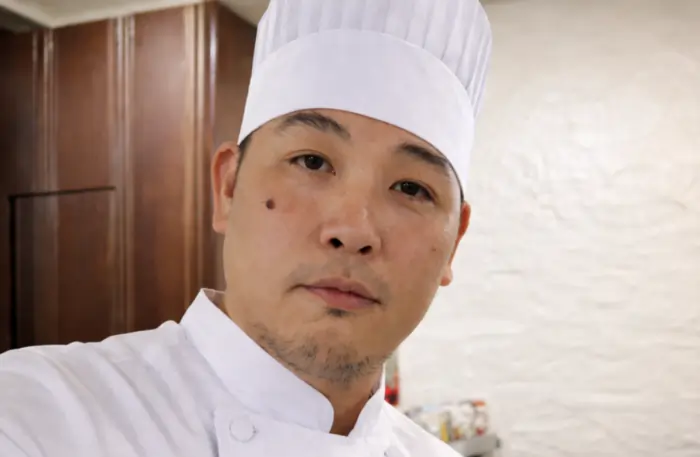
Chef Juan Gadi brings the heart of Filipino hospitality to Ubud, Bali. As an Executive Chef and consultant, he specializes in creating intimate, curated dining experiences that tell a story through every dish. Whether leading the kitchen at Kilig Filipino Warung or hosting a private villa dinner, Chef Juan’s approach is defined by warmth, modern technique, and a commitment to culinary excellence.