
Exploring Bali’s Culinary Neighborhoods Beyond the Tourist Trail Key Takeaways
Bali is famous for its beach clubs, rice terraces, and temple ceremonies, but the island’s true soul lives in its kitchens.
- Exploring Bali’s Culinary Neighborhoods Beyond the Tourist Trail reveals hidden food spots in Bali where tradition and innovation meet.
- Neighborhoods like Sanur, Canggu, and Jimbaran offer distinct dining experiences—from family-run warungs to seafood markets—that reward adventurous eaters.
- Travelers who seek out local warungs, night markets, and community dining find deeper value, richer flavors, and more meaningful connections with Balinese culture.
What Makes Bali’s Culinary Neighborhoods Worth Exploring Beyond the Tourist Trail
Most visitors to Bali stick to Kuta, Legian, and Seminyak dining strips where international menus dominate. But the island’s culinary tourism Bali scene thrives in neighborhoods where families have cooked the same recipes for generations. Here, you find warung food served with genuine warmth, traditional Balinese dishes made with tropical ingredients harvested that morning, and a pace of life that invites you to sit longer, taste slower, and ask questions.
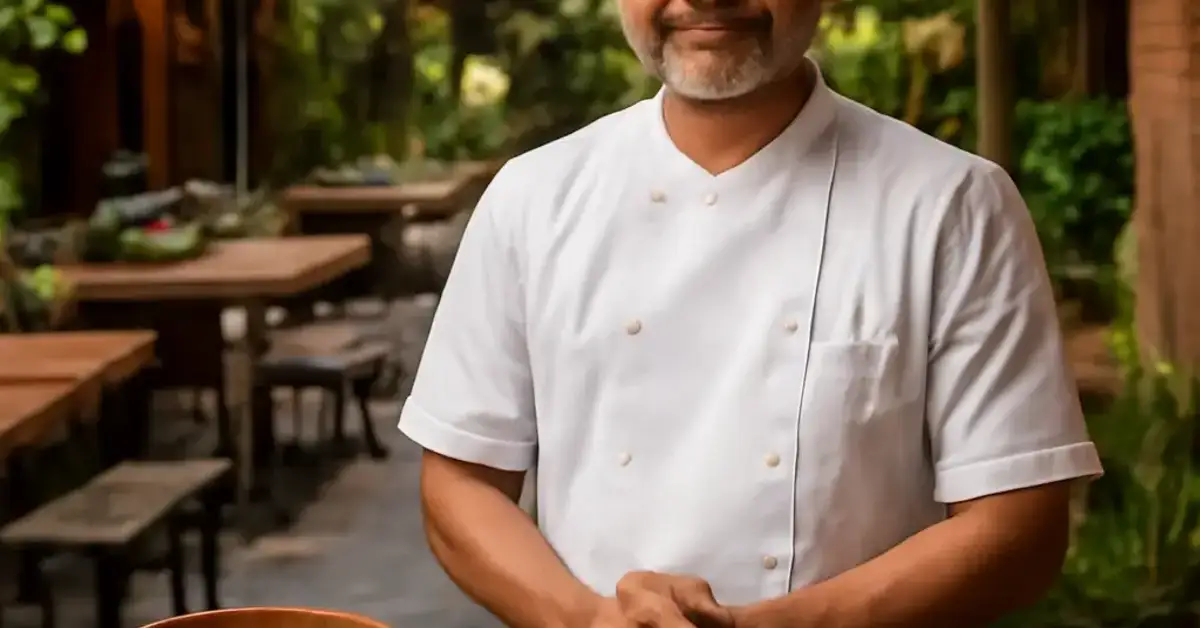
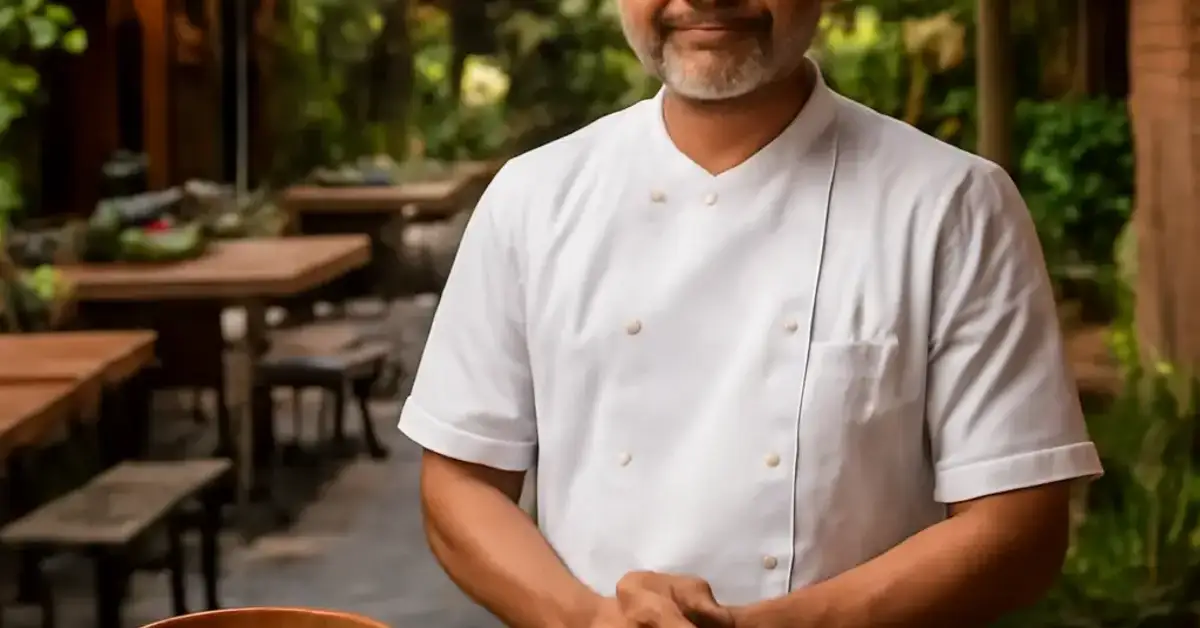
Chef Juan Gadi, who blends Filipino hospitality with Balinese ingredients at his Ubud warung, believes that neighborhood dining is the truest form of cultural exchange. “When you eat in a local community, you’re not just feeding yourself—you’re participating in a daily ritual that has shaped the island’s identity for centuries,” he says. This perspective transforms a simple meal into a meaningful encounter.
Ubud Restaurants: The Heart of Farm-to-Table Dining and Traditional Flavors
Ubud has long been Bali’s spiritual and cultural center, and its Ubud restaurants reflect that depth. Beyond the yoga studios and art markets, a thriving network of farm to table dining spots and family-run warungs offers some of the island’s most thoughtful food.
Where to Find Authentic Eateries in Ubud
Head north of the Monkey Forest toward the villages of Sayan and Penestanan. Here, hidden restaurants occupy bamboo pavilions overlooking ravines. Warung Sari, for example, serves a nasi campur (mixed rice) with seven side dishes for less than a dollar. Just down the road, Locavore To Go uses tropical ingredients from nearby farms to create playful takes on Balinese cuisine. For a deeper experience, book a table at Kilig Filipino Warung, where Chef Juan shares his heritage through dishes like kinilaw (Filipino ceviche) made with local yellowfin tuna—a perfect example of how local chefs adapt their traditions to the island’s bounty.
The Night Market Experience in Ubud
Every evening, the Ubud Night Market on Jalan Gootama comes alive. Stalls sell sate lilit (minced seafood skewers), babi guling (suckling pig), and jaja (traditional sweets). This is Bali street food at its most genuine—no English menus, no inflated prices, just families feeding families.
Seminyak Dining: Where Global Influences Meet Local Ingredients
Seminyak dining is often associated with upscale resorts and celebrity chef restaurants, but step one street back and you’ll find neighborhood cafes and independent kitchens that represent a more grounded version of Bali dining.
Hidden Restaurants and Warungs in Seminyak’s Back Lanes
On Jalan Mertanadi, a small cluster of local restaurants in Bali serves dishes that rarely appear on tourist menus. Warung Sopa offers vegan Indonesian food with a Balinese twist—try the jackfruit rendang. For carnivores, Warung Pak Bambang serves babi guling that draws a daily queue of Indonesian workers and expat chefs alike. These spots are part of a growing Bali food culture that values authentic eateries over branded experiences.
Coffee Shops and Creative Spaces
Seminyak’s coffee shops double as community hubs. At Seniman Coffee Studio, baristas source beans from smallholder farmers across the archipelago. Grab a kopi tubruk (traditional boiled coffee) and watch the neighborhood wake up. It’s a quiet way to understand how culinary experiences in Bali extend beyond meals into daily rituals. For a related guide, see Exploring Bali Through Its Morning Rituals and Daily Life.
Canggu Cafes: A Hub for Health-Conscious and Adventurous Eaters
Canggu cafes have earned a reputation for smoothie bowls and avocado toast, but the area’s culinary identity runs much deeper. The neighborhood buzzes with digital nomads, surfers, and local families who all seek out good food at reasonable prices.
Local Specialties in a Surfer’s Paradise
Walk north past Batu Bolong Beach into the rice fields of Pererenan. Here, Warung Bu Mi serves a mie ayam (chicken noodles) that has been perfected over three decades. At Pasar Senggol, a rotating roster of vendors offers Bali local food like lawar (minced meat with coconut and spices) and bebek betutu (slow-cooked duck wrapped in banana leaves). For a more polished experience, Shady Shack and the Shady Family hospitality group demonstrate how farm to table dining can work in a fast-growing neighborhood without losing its soul.
Where Locals Eat in Canggu
Follow the lunchtime crowd to the Canggu night market at Berawa. Stalls here change daily, but you can always find es campur (shaved ice dessert) and pisang goreng (fried bananas). The market is one of the best hidden food spots in Bali for travelers seeking spontaneous, affordable meals.
Sanur Restaurants: Seaside Dining with a Local Pulse
Sanur restaurants often get overlooked by travelers rushing south, but this eastern coastal strip offers a relaxed pace and a surprising depth of island dining. Because Sanur attracts fewer party-goers, its food scene has evolved around local restaurants in Bali that prioritize quality over hype. For a related guide, see Why Bali Remains a Favorite Destination for Food Lovers.
Warung Food Along the Beach Path
The beachfront path that runs from Mertasari to Sindhu is lined with tiny warungs where fishermen sell their morning catch directly to cooks. At Warung Blanjong, a family-run spot that has operated since the 1970s, you can eat ikan bakar (grilled fish) with sambal matah and a side of steamed rice for less than five dollars. The owners speak limited English but compensate with enormous smiles and generous portions—a hallmark of neighborhood cafes in Bali.
Sanur’s Night Market and Culinary Experiences
The Sanur Night Market on Jalan Danau Tamblingan is smaller than Ubud’s but equally rewarding. Look for the stall selling nasi jinggo (mini banana-leaf rice parcels) and the one offering fresh young coconut straight from a frozen cart. These are authentic Bali cuisine moments that no resort restaurant can replicate.
Jimbaran Seafood: From Fishing Village to Food Destination
Jimbaran seafood is famous for its beachfront barbecue dinners, but the real treasure lies in the fishing village itself. Before sunset, head to the fish market (Pasar Ikan Kedonganan) where the day’s catch is auctioned. This is Bali culinary experiences at its rawest and most educational.
Where to Skip the Tourist Traps
Instead of the tourist barbecue row, walk to Warung Menoe at the south end of the bay. Here, the family serves grilled squid and snapper with house-made sambals that change daily depending on what’s fresh. Seafood restaurants in this part of Jimbaran cater to locals who have eaten here for decades. The flavors are bolder, the prices lower, and the atmosphere intimate.
Learning from Local Chefs
Many local chefs in Jimbaran offer informal cooking sessions. Join one and learn to make sambal matah (raw shallot and chili relish) from a grandmother who has been making it since childhood. These encounters are at the heart of culinary tourism Bali—they turn a meal into a story.
Beyond the Popular Spots: Hidden Food Spots in Bali Worth the Journey
Some of the best hidden food spots in Bali require a scooter or a short drive off the main roads. These are the places that food tourism professionals seek out, and they reward visitors with an experience that feels undiscovered.
Lombok-Inspired Warungs in Sidemen
In the eastern regency of Karangasem, the village of Sidemen offers a raw, unpolished version of Bali local food. Warung Astiti serves a nasi campur that includes urutan (Balinese sausage) and sate lilit made from freshwater fish. The setting—a bamboo platform overlooking rice terraces—feels like a secret.
The Coffee Highlands of Kintamani
Kintamani’s volcanic soil produces some of Indonesia’s best arabica beans. Visit a family-run plantation like Bali Pulina, where you can taste kopi kintamani straight from the roastery. Pair it with pisang goreng (fried bananas) and a view of Mount Batur. This is coffee shops in their most elemental form: no Wi-Fi, no air conditioning, just excellent coffee and a view that stretches for miles.
How Travelers Can Discover Authentic Local Food in Bali
Finding authentic Bali cuisine is less about a specific address and more about a mindset. Here are practical strategies for any traveler who wants to eat like a local.
Follow the Lunch Rush
Between 12:00 and 13:00, Indonesian workers take their lunch break. If you see a warung packed with motorbikes and delivery drivers, stop. The food is fresh, the portions are generous, and the prices are local.
Learn a Few Words of Bahasa Indonesia
“Makan di sini” (eat here) and “satu porsi” (one portion) go a long way. Shopkeepers and cooks who speak little English appreciate the effort, and they often respond by giving you an extra spoonful of sambal or a free refill on tea.
Join a Bali Food Tour
If you prefer structured exploration, a guided Bali food tour can introduce you to backstreet warungs, traditional markets, and family kitchens that you might not find on your own. Look for tours that emphasize cultural dining and employ local guides who are passionate about their heritage.
Why Neighborhood Food Spots Are Better Than Tourist Restaurants
Tourist-focused restaurants in Bali often prioritize volume over quality. Buffet spreads and à la carte menus cater to international palates, which dilutes Balinese cuisine. In contrast, neighborhood cafes and local restaurants in Bali operate on smaller margins and rely on repeat customers from the community. Every dish must be good enough to bring someone back the next day.
Chef Juan Gadi summarizes it simply: “A warung owner who cooks for their neighbors treats every ingredient with respect. A chef in a hotel kitchen cooks for a menu. The difference is in the intention.” That intention translates into fresher produce, bolder spices, and a connection to tropical ingredients that feels honest.
Useful Resources
For readers who want to dive deeper into Bali’s culinary scene beyond this guide, the following resources offer authoritative information on traditional markets, food history, and dining etiquette.
- Bali Gastronomy – An online archive dedicated to Balinese food traditions, ingredient guides, and profiles of local chefs and warung owners.
- Wonderful Indonesia: Bali Culinary Trail – The official Indonesia Tourism website features curated routes, market recommendations, and cultural notes for travelers seeking culinary tourism Bali experiences.
Frequently Asked Questions About Exploring Bali s Culinary Neighborhoods Beyond the Tourist Trail
What are Bali’s best culinary neighborhoods beyond the tourist trail?
The most rewarding neighborhoods include Ubud’s farm-to-table corridor, Canggu’s back lanes near Pererenan, Sanur’s beachfront warung path, Jimbaran’s fishing village, and the highland villages of Sidemen and Kintamani.
Where can travelers find authentic local food in Bali?
Authentic local food is most accessible in family-run warungs, night markets, and roadside stalls. Key locations include Warung Sari in Ubud, Warung Bu Mi in Canggu, and Pasar Ikan Kedonganan in Jimbaran.
Which neighborhoods offer the best dining experiences?
Each neighborhood has a distinct strength: Ubud for farm-to-table creativity, Seminyak for hidden warungs with international twists, Canggu for surf-culture cafes, Sanur for relaxed seaside warung food, and Jimbaran for seafood direct from the catch.
What traditional Balinese dishes should visitors try?
Visitors should seek out babi guling (suckling pig), bebek betutu (slow-cooked duck), lawar (spiced minced meat with coconut), sate lilit (minced seafood satay), and nasi campur (mixed rice with multiple sides).
How can travelers discover hidden restaurants and local warungs?
Ask local drivers, scooter rental staff, or workers at convenience stores. Follow lunchtime crowds to packed warungs, and explore one or two streets away from main tourist roads. A guided food tour also helps uncover spots not listed on Google Maps.
Why are neighborhood food spots better than tourist restaurants?
Neighborhood spots rely on repeat local customers, which forces higher quality and fresher ingredients. They also preserve traditional cooking techniques and offer a genuine cultural exchange that tourist-oriented venues rarely provide.
What food markets are worth visiting in Bali?
The Ubud Night Market, Sanur Night Market, Pasar Ikan Kedonganan (fish market), and Pasar Senggol in Canggu are all excellent. Each offers a variety of local dishes, fresh produce, and a lively atmosphere at low prices.
How do local chefs preserve authentic Balinese flavors?
Local chefs prioritize fresh, locally sourced ingredients, maintain family recipes passed down through generations, and often cook without written menus. They also use traditional tools like stone mortars for sambal and banana leaves for steaming.
What are the best areas for food lovers to explore?
Food lovers should base themselves in Ubud for culinary diversity, Sanur for relaxed market dining, Canggu for modern-casual experimentation, and Jimbaran for seafood. The highland villages around Kintamani offer unique coffee and produce experiences.
How can visitors enjoy a more authentic culinary experience in Bali?
Learn basic Indonesian phrases, eat at warungs that are busy with locals, try dishes you can’t pronounce, and ask about ingredients. Avoid restaurants with multilingual menus and touts outside. Small, family-run spots almost always offer a more authentic meal.
Is street food safe to eat in Bali?
Yes, when you choose stalls with high turnover and visible cooking. Look for vendors who handle food with utensils, keep ingredients covered, and have a steady stream of local customers. Avoid anything that has been sitting out for hours.
What is the best time of day to explore night markets?
Early evening, around 17:30 to 18:30, is ideal because food is freshly cooked and the crowd is manageable. Later in the night, some stalls run out of popular dishes and menus become limited.
Are there vegetarian options in local Bali cuisine?
Yes. Dishes like gado-gado (vegetable salad with peanut sauce), tempeh and tofu preparations, sayur urap (steamed vegetables with grated coconut), and many sambals are naturally vegetarian. Balinese cuisine also uses jackfruit and young papaya as meat substitutes.
How much does a meal cost at a local warung?
A complete meal at a local warung typically costs between 15,000 and 35,000 IDR (approximately one to two USD). This includes rice, a protein, vegetables, and a small sambal. Drinks like es teh (iced tea) are usually 5,000 IDR.
Do local warungs accept credit cards?
Most small warungs only accept cash. Larger restaurants in neighborhoods like Seminyak and Canggu may take cards, but it is always wise to carry small denominations of Indonesian rupiah when exploring off the tourist trail.
Can tourists participate in cooking classes in these neighborhoods?
Yes. Many family-run warungs and local chefs offer informal cooking lessons. In Ubud, the Casa Luna Cooking School runs classes that include market tours. In Jimbaran, you can arrange a hands-on session with a fishing family to learn sambal-making and grilling.
What should I know before eating at a night market?
Bring cash, arrive early for the best selection, and observe hygiene: choose stalls where the cook handles money separately from food. Be adventurous but listen to your stomach—avoid raw dishes if you have a sensitive digestive system.
Are there any local food festivals or events?
The Ubud Food Festival (typically held in April or May) is the largest, but smaller neighborhood events occur throughout the year. Check local event listings for temple festivals where food stalls sell traditional snacks and sweets.
How can I support local food communities in Bali?
Eat at warungs that source from nearby farms, pay fair prices without bargaining for street food, share your discoveries on social media with location tags, and consider booking private dining experiences with chefs who work directly with local producers.
Is it safe to drink tap water in Bali?
No. Always drink bottled or filtered water. Most warungs and restaurants serve water from large refillable gallons that are safe. Avoid ice from unknown sources, though established eateries use factory-produced ice that is clean.
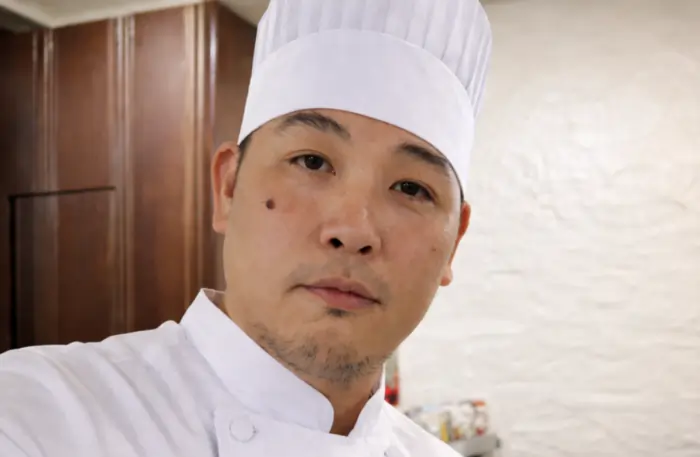
Chef Juan Gadi brings the heart of Filipino hospitality to Ubud, Bali. As an Executive Chef and consultant, he specializes in creating intimate, curated dining experiences that tell a story through every dish. Whether leading the kitchen at Kilig Filipino Warung or hosting a private villa dinner, Chef Juan’s approach is defined by warmth, modern technique, and a commitment to culinary excellence.