
Cultural Experiences That Make Ubud Worth Visiting Key Takeaways
Ubud is Bali’s spiritual and artistic heart, a place where ancient traditions thrive alongside modern wellness retreats.
- The Cultural Experiences That Make Ubud Worth Visiting include attending a Balinese dance performance and exploring the Sacred Monkey Forest .
- First-time visitors should prioritize the Ubud Art Market and Tegallalang Rice Terraces for a true taste of local life.
- Beyond the main sights, connecting with local artisans in traditional villages offers the most authentic insight into Bali’s soul.
What Makes Ubud the Cultural Heart of Bali?
When people ask me why I chose Ubud as the home for my Filipino-inspired kitchen, Kilig Filipino Warung, I always say the same thing: Ubud breathes culture. It is not just a destination on a Bali travel map; it is a living museum where every morning begins with offerings of woven palm fronds and incense, and every evening may end with the hypnotic rhythm of a gamelan orchestra. For culture seekers and first time visitors alike, Ubud cultural experiences are not staged for tourists—they are the fabric of daily life. For a related guide, see Why Personalized Experiences Are Shaping Modern Travel.
The town sits among lush river valleys and tropical landscapes, once a hub for local artisans and royal courts. That legacy remains intact. Whether you are a solo traveler seeking solitude or a family looking for meaningful connection, Ubud delivers authentic Balinese culture without the noise of Bali’s beach clubs. As an Executive Chef who has spent countless hours sourcing ingredients from local farms and learning from community traditions, I can tell you that the real magic of Ubud lies in its refusal to hurry. For a related guide, see What Makes Ubud Different From Other Bali Destinations.
1. Explore the Ubud Palace and Its Evening Performances
The Ubud Palace, or Puri Saren Agung, sits right at the center of town, steps away from the Ubud Art Market. Built on a site that has been home to Ubud’s royal family for generations, the palace is an architectural treasure of intricate stone carvings, moss-covered courtyards, and gilded doors. But what truly makes it a cornerstone of Ubud sightseeing is the nightly Balinese dance performances held in its main courtyard.
Arrive about 30 minutes early to find a seat on the stone benches. The performance usually features the Legong or Kecak dance—stories drawn from the Ramayana epic, told through precise finger movements, arched backs, and expressive eyes. The dancers, often girls trained from childhood, wear elaborate gold costumes that shimmer under the open-air lights. It is one of those Ubud attractions that feels both tourist-friendly and profoundly authentic.
For first time visitors, this is the easiest introduction to Balinese culture. Tickets are inexpensive, and the experience sets the stage for deeper exploration of Bali cultural destination highlights.
Why the Palace Matters for Culture Lovers
Beyond the performance, the palace grounds themselves are worth a slow wander. You will see traditional temples within the complex, each with its own Balinese ceremonies schedule. The architecture is a lesson in heritage sites: every gate, every statue has spiritual meaning. If you are lucky, you might witness a Balinese ceremony being prepared—a reminder that the palace is not a museum, but a living royal residence.
2. Stroll Through the Ubud Art Market for Local Craftsmanship
Just opposite the palace, the Ubud Art Market (Pasar Seni Ubud) is a sensory overload in the best possible way. Open every morning until late afternoon, it is the place to see and buy the work of local artisans. Stalls overflow with handwoven batik workshops scarves, wood carving statues, silver jewelry, and paintings that range from naive village scenes to abstract interpretations of Balinese mythology.
I advise my guests to start at the back of the market, where the less polished items are sold. That is where you find the authentic Ubud pieces—the ones made in the traditional villages of Gianyar and Mas. Haggling is expected, but do it with a smile; remember, these are cultural tourism transactions that support entire families. The market is a key stop on any Ubud itinerary, especially for art enthusiasts who want to bring home a piece of island culture.
What to Buy and Where
Look for handmade coconut-shell bowls, recycled-glass jewelry, and hand-painted canvas bags. Avoid the mass-produced sarongs and stick to pieces that feel personal. Many local artisans will show you their carving techniques if you ask politely—this is what things to do in Ubud should be about: connecting with the maker.
3. Walk the Campuhan Ridge Walk at Dawn
The Campuhan Ridge Walk is a short, paved trail that runs along a grassy ridge between two river valleys. In the early morning, as the mist lifts from the jungle, it becomes a meditative path that reveals why Ubud is considered a wellness retreats haven. The walk takes about 40 minutes one way, and the views of rice terraces and palm trees are unobstructed.
For nature lovers and wellness travelers, this is a non-negotiable part of any Ubud travel guide. I often walk the ridge before returning to the kitchen, and I have seen everything from sunrise yoga sessions to impromptu painting classes. It is free, accessible, and deeply calming—a perfect antidote to the busy market.
The trail ends near the village of Kumbuh, where you can explore small art galleries and local museums housed in family compounds. This is authentic Ubud, far from the tourist crowds.
4. Visit the Sacred Monkey Forest and Learn Its Spiritual Role
The Sacred Monkey Forest (Mandala Suci Wenara Wana) is often misunderstood as just a tourist photo op. In reality, it is a traditional temples complex and a protected sanctuary where long-tailed macaques live in harmony with the forest. The three temples inside the forest date back to the 14th century and are still used for Balinese ceremonies.
As a Bali cultural destination, the Monkey Forest teaches visitors about the Balinese philosophy of Tri Hita Karana—harmony between humans, nature, and the gods. The monkeys are considered guardians. Walking the shaded paths, past mossy statues and over ancient bridges, you feel the spiritual experiences that define this island.
Pro tip: Secure your valuables and do not bring plastic bags. The monkeys are clever and bold. For families and solo travelers, this is one of the most memorable Ubud attractions.
5. Experience the Tegallalang Rice Terraces and Subak Irrigation
The Tegallalang Rice Terraces are the most photographed rice terraces in Bali, but they are also a functioning agricultural system based on the ancient Subak irrigation method, a UNESCO-recognized heritage sites practice. The terraces cascade down a steep valley, creating a green staircase that changes color with the rice growth cycle.
For photographers and history enthusiasts, the best time to visit is early morning, when the light is soft and the farmers are at work. You can walk down into the paddies, but wear sturdy shoes and be prepared for narrow, muddy paths. This is a place that rewards patience—sit at a café on the edge of the terraces, sip a coconut, and watch the water flow from terrace to terrace.
The Subak system is a reflection of community traditions and democratic water management, a concept that has sustained Balinese agriculture for centuries. It is one of the defining cultural experiences that make Ubud worth visiting because it connects you directly to the land.
6. Join a Batik Workshop or Wood-Carving Class in a Traditional Village
Beyond the town center, in villages like Mas, Batuan, and Celuk, local artisans have been perfecting their crafts for generations. A batik workshops session teaches you the wax-resist dyeing technique used to create intricate patterns on fabric. In Celuk, silver jewelry makers welcome visitors to try their hand at hammering and soldering silver pieces.
For digital nomads and travel bloggers looking for a meaningful activity, these workshops offer a hands-on way to engage with Ubud culture. I have taken groups from my kitchen to Mas village for wood carving lessons with a fourth-generation carver. The experience is humbling—it takes years to master what these local artisans do effortlessly.
These workshops are often held in family compounds, so you also get a glimpse of daily life in traditional villages. It is authentic Ubud, messy and beautiful, and it deepens your appreciation for the art galleries and local museums you will visit later.
7. Attend a Traditional Balinese Ceremony or Cultural Festival
The crown jewel of Ubud cultural experiences is attending a real Balinese ceremony. Temples across Ubud host festivals (odalan) every 210 days, according to the Balinese Pawukon calendar. During these events, the temple is decorated with fruit offerings, bamboo poles (penjor), and the entire community participates in prayer, dance, and feasting. For a related guide, see The Cultural Experiences That Define a Bali Journey.
As someone who has been invited to countless ceremonies through my Bali travel connections, I can tell you that there is no script. You might see a trance dance, a gamelan procession, or a purification ritual at the river. If you are respectful—dressed in a sarong and sash, not blocking doorways—you will be welcomed.
For cultural explorers, cultural festivals like the Ubud Writers and Readers Festival or the Bali Arts Festival are easier to schedule. But the unplanned village ceremony is the one you will remember forever. It is the ultimate spiritual experiences that make Ubud a unique Bali travel destination.
Useful Resources
For further reading on Balinese culture and practical travel planning, these resources are invaluable:
- Bali Go Colonial: A Guide to Ubud’s Heritage and Temples – In-depth history of Ubud’s most important cultural sites.
- Lonely Planet: Ubud Experiences – Curated list of authentic activities and walks recommended by travel experts.
As Chef Juan Gadi, I have had the privilege of introducing countless guests to the cultural experiences that make Ubud worth visiting. Whether you join me for a private dinner at a villa overlooking the rice terraces or simply follow this guide on your own, I hope you leave Ubud with the same feeling I carry every day: grateful to be part of this island’s living story.
Frequently Asked Questions About Cultural Experiences That Make Ubud Worth Visiting
What are the 7 cultural experiences that make Ubud worth visiting ?
The seven essential experiences include exploring the Ubud Palace and watching a Balinese dance performance, shopping at the Ubud Art Market, walking the Campuhan Ridge Walk, visiting the Sacred Monkey Forest, hiking the Tegallalang Rice Terraces, taking a craft workshop in a traditional village, and attending a Balinese ceremony or cultural festival.
Why is Ubud considered the cultural heart of Bali?
Ubud is the cultural heart because it preserves the traditional arts, temple rituals, and Subak irrigation system. It is home to the Balinese royal family, countless traditional temples, and a strong community of local artisans who keep authentic Balinese culture alive.
Which cultural attractions should first time visitors explore?
First time visitors should start with the Ubud Palace, the Ubud Art Market, and the Sacred Monkey Forest. These sites are centrally located and offer a quick but deep introduction to Ubud culture and Bali cultural destination highlights.
Where can travelers experience authentic Balinese traditions in Ubud?
The most authentic experiences happen in traditional villages like Mas (wood carving), Celuk (silver jewelry), and Batuan (painting). Attending a village temple ceremony or joining a batik workshops session gives you direct access to community traditions.
What local art and craft experiences are worth trying?
You can try wood carving in Mas village, silver jewelry making in Celuk, and batik workshops in Batuan or Ubud center. Many art galleries also offer short painting classes inspired by Balinese themes.
How do temples and traditional performances showcase Balinese culture?
Traditional temples are the spiritual and social heart of each banjar (neighborhood). The Balinese dance performances at these temples recount ancient epics through dance, music, and costume, preserving stories that define Bali culture.
What is the best way to experience Ubud beyond the tourist attractions?
Rent a scooter or hire a driver to explore traditional villages and rice terraces without a guide. Stop at small family-run art galleries, join a yoga retreats class in a bamboo studio, or simply sit in a warung (local eatery) and watch daily life unfold.
How many days should visitors spend exploring Ubud?
A minimum of 3 to 4 days is recommended for a relaxed pace that covers the main Ubud attractions and allows time for a workshop and a temple visit. Returning visitors often stay a full week to dive deeper into wellness retreats and community traditions.
What makes Ubud different from other destinations in Bali?
Unlike Kuta or Seminyak, Ubud emphasizes spiritual experiences, local artisans, and heritage sites over nightlife and beaches. Its tropical landscapes of rice terraces and virgin forests create a serene atmosphere focused on authentic Balinese culture.
Why do travelers return to Ubud for its cultural experiences?
Visitors return because Ubud offers depth. There is always a new cultural festival to attend, a different Balinese ceremony to witness, or a traditional temples to explore. The community welcomes returning visitors like old friends, making each trip feel familiar yet fresh.
Is the Ubud Palace free to enter?
Yes, the Ubud Palace grounds are free to explore during the day. The evening Balinese dance performances require a small entrance fee, usually around 80,000 to 100,000 IDR per person.
Can I take photos during a Balinese dance performance?
Photography is allowed, but avoid using flash as it distracts the dancers. Video recording is also permitted at most venues. Just be mindful of the people around you.
What should I wear to a temple ceremony in Ubud?
You must wear a sarong and a sash (selendang) wrapped around the waist. Most temples provide rentals for a small donation. Cover your shoulders and avoid wearing leather—Balinese ceremonies are sacred and require modest attire.
Are the Tegallalang Rice Terraces crowded?
They can be busy between 10 a.m. and 2 p.m. Visit early (before 8 a.m.) for fewer crowds and softer light. The terraces are still a peaceful Ubud travel guide highlight despite the popularity.
How long does the Campuhan Ridge Walk take?
The walk from the entrance to the far end and back takes about 1 to 1.5 hours at a leisurely pace. It is an easy, flat path suitable for all fitness levels.
Is the Sacred Monkey Forest safe for children?
Yes, but children should be supervised at all times. Keep food and shiny objects hidden, and do not make direct eye contact with the monkeys. The sanctuary is a family-friendly Ubud attraction.
Do I need a guide to visit traditional villages around Ubud?
No, you can visit independently, but a local guide can arrange workshop visits and explain the cultural context. Many traditional villages have information centers that offer free maps.
What is the Subak irrigation system?
Subak is a cooperative water management system used by Balinese rice farmers. It is recognized by UNESCO as a heritage sites tradition. The system distributes water from rivers and springs through intricate canals to rice terraces like Tegallalang.
Are there yoga retreats in Ubud for beginners?
Yes, Ubud is home to numerous yoga retreats and studios that welcome all levels. Studios like Yoga Barn and Radiantly Alive offer drop-in classes, workshops, and multi-day retreats focused on wellness retreats.
Can I visit Ubud as a solo female traveler?
Absolutely. Ubud is considered very safe for solo travelers, including women. Many guesthouses and yoga retreats cater specifically to solo guests. Use common sense at night, but overall the community is welcoming.
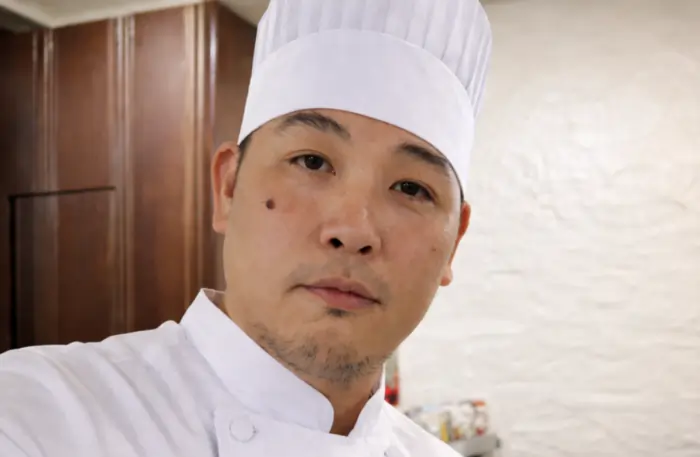
Chef Juan Gadi brings the heart of Filipino hospitality to Ubud, Bali. As an Executive Chef and consultant, he specializes in creating intimate, curated dining experiences that tell a story through every dish. Whether leading the kitchen at Kilig Filipino Warung or hosting a private villa dinner, Chef Juan’s approach is defined by warmth, modern technique, and a commitment to culinary excellence.