
Ways Live Cooking Creates an Interactive Dining Experience Key Takeaways
Imagine sitting at a candlelit table where the aroma of sizzling garlic and fresh herbs fills the air.
- Ways Live Cooking Creates an Interactive Dining Experience: What Makes a Live Cooking Experience Different from a Standard Meal
- Ways Live Cooking Creates an Interactive Dining Experience: 1. Chef Interaction Builds Personal Connection
- Ways Live Cooking Creates an Interactive Dining Experience: Why Guests Value Chef Storytelling
Imagine sitting at a candlelit table where the aroma of sizzling garlic and fresh herbs fills the air. A chef steps up to a station beside you, explaining the origins of each ingredient while flames dance beneath a copper pan. That is the essence of live cooking — a growing movement that transforms a meal into a multisensory performance. Today, travelers and food lovers seek more than just sustenance; they crave connection, storytelling, and a dining experience that lingers long after the last bite. In this article, Chef Juan Gadi — an Executive Chef based in Ubud, Bali, known for blending modern technique with Filipino warmth — reveals 8 ways live cooking creates an interactive dining experience that captivates guests, from intimate private dining to grand event dining. Whether you are planning a romantic getaway, a corporate gathering, or simply want to explore Bali dining at its finest, these insights will change how you think about food. For a related guide, see 11 Ways Food Creates Emotional Travel Memories.

What Makes a Live Cooking Experience Different from a Standard Meal
A typical restaurant visit follows a familiar script: order, wait, eat, pay. Live cooking shatters that routine by placing the chef cooking live as the centerpiece of the evening. Instead of a closed kitchen, the action unfolds before your eyes — chef demonstrations reveal knife skills, sauce reductions, and plating artistry in real time. This shift from passive consumption to active participation is at the heart of experiential dining. Guests become witnesses, learners, and even collaborators. The open kitchen design, common in many modern fine dining venues across Bali, blurs the line between diner and creator. You do not just eat a dish; you watch it being born.
1. Chef Interaction Builds Personal Connection
The most immediate way that live cooking creates an interactive dining experience is through direct chef interaction. When a chef prepares made to order dishes a few feet from your table, conversation flows naturally. Guests ask about spice levels, request tweaks, or simply enjoy the banter. For luxury hospitality settings — such as a private villa dinner in Ubud — this interaction elevates the meal into a shared memory. Chef Juan Gadi often greets guests by name, learns their dietary preferences, and weaves their personal stories into the menu. This human touch is something a traditional kitchen cannot replicate. For a related guide, see Why Chef Led Dining Creates More Personal Celebrations.
Why Guests Value Chef Storytelling
During tableside service, chefs explain why they chose a particular fresh ingredient or how a family recipe influenced the dish. These narratives add depth to the food presentation. For culinary travelers visiting Bali, hearing about locally sourced sea salt or heirloom rice from a Javanese farm turns dinner into a cultural lesson. The live cooking experience becomes a bridge between the plate and the place.
2. Customization and Personalized Meals
One of the most satisfying aspects of interactive dining is the ability to tailor every course. Personalized meals are not just about allergies or dislikes; they are about surprise and delight. When a chef asks, “Do you prefer a citrusy finish or something smoky?” the guest feels seen. At a chef’s table event in Bali, Chef Juan Gadi often designs a tasting menu on the fly, adjusting based on the group’s energy and feedback. This flexibility is impossible in a restaurant experience where meals are pre-plated in a distant kitchen.
Examples of Customization in Action
Imagine a seafood cooking station where you choose the catch of the day — snapper, prawns, or local squid — and the chef grills it with your preferred marinade. Or a pasta preparation cart where you pick the shape and sauce just before the noodles hit the water. These moments make group dining feel exclusive, whether you are hosting a family celebration or a corporate retreat. The live cooking format ensures every plate reflects individual taste.
3. Culinary Theater Engages All Senses
Culinary entertainment is more than eating — it is a performance. The sizzle of a grilling stations, the flare of flaming desserts, the rhythmic slap of dough during sushi making — these sensory triggers heighten anticipation. Culinary theater turns the kitchen into a stage, and diners become an engaged audience. For luxury dining venues in Bali, this spectacle is a key differentiator. The visual drama of a flambé or the precise movements of a carving stations creates photo-worthy moments that guests remember and share.
Why Sensory Engagement Matters
Research shows that when guests see, hear, and smell their food being prepared, they rate the meal as more flavorful. Experiential dining activates multiple senses simultaneously, making the live cooking experience feel richer. For event planners organizing corporate events or wedding planners curating a reception, integrating chef demonstrations into the program keeps energy high and breaks the monotony of buffet lines.
4. Fresh Ingredients Guarantee Peak Flavor
Fresh ingredients are the backbone of any great meal, but live cooking takes freshness to another level. When a chef prepares made to order dishes right in front of you, there is zero holding time. Vegetables stay crisp, proteins remain juicy, and sauces retain their emulsion. This commitment to quality is especially evident in Bali dining, where local markets supply vibrant herbs, tropical fruits, and just-caught fish. At a private dining event hosted by Chef Juan Gadi, guests often see the raw ingredients before they are cooked — a visual promise of quality that builds trust.
How Live Cooking Elevates Food Quality
Because the chef prepares each course on the spot, there is no reheating or extended warming. Seafood cooking stations ensure fish is seared to order, while pasta preparation happens only when the diner is ready. This approach reduces waste and maximizes flavor. For restaurant owners and hospitality professionals, investing in live cooking stations can dramatically improve guest satisfaction scores.
5. Social Interaction Strengthens Group Bonding
Interactive dining is inherently social. Shared grilling stations, communal carving stations, and sushi making tables encourage conversation among strangers and intimacy among friends. For group dining events like family celebrations or corporate team building, the shared act of watching and commenting on the chef’s work creates natural icebreakers. Group dining becomes less about sitting in rows and more about gathering around a performance.
Perfect for Special Occasions
Event dining planners often choose live cooking for milestone events because it adds a layer of entertainment and participation. A private chef who engages with the group can read the room, adjusting pacing and humor. Chef Juan Gadi recalls hosting a 50th birthday in a Seminyak villa where the birthday girl helped roll her own sushi — a moment that became the highlight of the evening. Restaurant innovation like this keeps guests talking long after they leave.
6. Educational Value Deepens Appreciation
Chef demonstrations are not just for show — they teach. Guests learn about food presentation techniques, the importance of fresh ingredients, and the science behind a perfect emulsion. For food tourists and dining enthusiasts, this educational component transforms a meal into a skill-building experience. A live cooking experience at a Balinese chef’s table might include a lesson in grinding spices for a traditional sambal or deboning a whole fish. These takeaways enrich the dining experience and give guests stories to share back home. For a related guide, see 9 Dining Experiences Perfect for Milestone Celebrations.
Empowering Guests Through Knowledge
When guests understand the effort behind a dish, they appreciate it more. Experiential dining that includes chef interaction and education creates loyal customers who become ambassadors for the venue. For food bloggers and vacation planners, recommending a restaurant that offers such depth is easy — it delivers both taste and insight.
7. Flexibility for Event Dining and Special Menus
Live cooking shines in event dining scenarios because it adapts to any crowd. A wedding reception might feature a tableside service for appetizers, a pasta preparation station during the main course, and a flaming desserts cart at the end. Corporate events can rotate grilling stations with different themes — Asian, Mediterranean, or Balinese. This modular approach allows event planners to offer variety without overwhelming the kitchen. For luxury travelers booking private dining in Bali, Chef Juan Gadi designs custom menus that reflect the occasion, from a romantic anniversary to a product launch.
Why Event Planners Love Live Cooking
Because made to order dishes eliminate the need for large buffets, live cooking reduces food waste and ensures every plate is hot and fresh. Restaurant innovation in this area has made live cooking a staple at luxury dining events worldwide. For wedding planners and celebration organizers, the ability to offer personalized meals for each guest — even in large groups — is a powerful selling point.
8. Memorable Meals That Guests Talk About for Years
Ultimately, live cooking creates an interactive dining experience because it produces memorable meals. The combination of culinary entertainment, chef interaction, and food presentation artistry leaves an indelible impression. Guests do not just remember what they ate; they remember the flames, the laughter, the story behind the spice blend. For Bali dining establishments and luxury hospitality brands, this kind of word-of-mouth is invaluable. Experiential dining is the future of gourmet dining, and live cooking sits at its vibrant center.
The Ripple Effect on Tourism
Food tourism has skyrocketed as travelers seek authentic, hands-on encounters. A live cooking experience in Ubud or Seminyak often becomes the highlight of a Bali itinerary. Restaurant owners and hoteliers who invest in live cooking stations differentiate themselves in a crowded market. Chef Juan Gadi’s approach — rooted in Filipino hospitality and modern technique — proves that private dining can be both intimate and spectacular, whether you are a couple on honeymoon or a corporate event organizer seeking team bonding.
Useful Resources
For more on the rise of interactive dining and culinary theater, explore the World Chef Association’s perspective on global culinary trends and chef demonstrations. To dive deeper into experiential dining trends in Southeast Asia, visit Fine Dining Lovers for expert articles on live cooking and restaurant innovation.
Frequently Asked Questions About Ways Live Cooking Creates an Interactive Dining Experience
What is live cooking ?
Live cooking refers to food prepared in front of guests by a chef, often at a dedicated station or tableside. It transforms meal preparation into a performance, blending culinary entertainment with chef interaction to create an interactive dining experience.
How does live cooking create an interactive dining experience?
Live cooking creates an interactive dining experience by involving guests directly in the cooking process. Through chef demonstrations, tableside service, and personalized meals, diners engage their senses, ask questions, and influence the final dish, turning a meal into a shared event.
Why do restaurants offer live cooking stations?
Restaurants offer live cooking stations to differentiate their dining experience, boost guest engagement, and emphasize fresh ingredients. It is a form of restaurant innovation that caters to modern experiential dining preferences, especially in luxury dining and event dining settings.
What are the benefits of chef demonstrations for guests?
Chef demonstrations educate guests about techniques, food presentation, and ingredient sourcing. They add culinary entertainment value, build trust through transparency, and allow for personalized meals that cater to individual taste — all of which enhance the overall dining experience.
How does live cooking improve food quality and freshness?
Since dishes are made to order in front of the guest, there is no holding or reheating. Fresh ingredients are cooked at the peak of their quality, ensuring optimal flavor, texture, and aroma. Live cooking inherently prioritizes food quality over speed.
What events are best suited for live cooking experiences?
Live cooking works beautifully for private dining, corporate events, family celebrations, weddings, and group retreats. It is also ideal for food tourism events and luxury hospitality settings where experiential dining adds value.
What should guests expect from a live cooking restaurant?
Guests should expect an open kitchen or tableside service, direct chef interaction, and the opportunity to customize dishes. The atmosphere is usually lively, with sights, sounds, and aromas that make the live cooking experience immersive and memorable.
How do chefs personalize meals during live cooking sessions?
Chefs ask guests about preferences, dietary restrictions, and desired flavors. They adjust seasoning, ingredients, and cooking methods in real time, crafting personalized meals that feel exclusive. This level of chef interaction is a hallmark of high-end private dining.
Why is live cooking becoming popular in luxury dining ?
Luxury dining guests seek unique, experiential dining moments. Live cooking offers exclusivity, culinary theater, and a personal connection with the chef that aligns with the expectations of luxury hospitality and fine dining clientele.
How does interactive dining create memorable food experiences?
Interactive dining engages multiple senses and emotions. Watching a chef cook live, smelling sizzling ingredients, and participating in chef demonstrations makes the meal feel like an event. These factors combine to create memorable meals that guests recall vividly.
Is live cooking suitable for large groups?
Yes. Grilling stations, carving stations, and pasta preparation setups can serve large parties while maintaining interaction. For group dining, multiple stations keep the experience flowing and guests engaged.
What types of cuisine work best for live cooking ?
Almost any cuisine can be adapted, but seafood cooking, sushi making, pasta preparation, and flaming desserts are particularly popular because they are visually dramatic and allow for chef demonstrations of skill.
Can live cooking be done in a private villa?
Absolutely. A private chef can set up a portable station in a villa garden or terrace. This is a growing trend in Bali dining, where private dining under the stars with live cooking is a favorite among luxury travelers.
How do I book a live cooking experience in Bali?
Many fine dining restaurants and luxury hospitality providers in Bali offer live cooking packages. You can also hire a private chef through private dining concierge services. Chef Juan Gadi, for example, curates bespoke chef’s table and villa experiences in Ubud.
What is the difference between a chef’s table and live cooking ?
A chef’s table is a specific dining experience where guests sit near the kitchen and often interact with the chef. Live cooking is the broader concept of preparing food in front of guests, which can include chef’s table, tableside service, or open kitchen setups.
Are live cooking experiences expensive?
They can range from moderate to premium depending on the setting and ingredients. However, many live cooking options exist for different budgets, especially in casual fine dining and group dining formats.
How do chefs maintain hygiene during live cooking ?
Professional chefs follow strict hygiene protocols — gloves, sanitized surfaces, and proper temperature control. Open kitchen environments in reputable venues comply with health regulations while maintaining transparency.
Can children enjoy live cooking experiences?
Yes, children are often fascinated by live cooking. Chef demonstrations can be tailored to be family-friendly, and many chefs enjoy engaging younger guests with simple tasks like mixing dough or flipping a pancake.
What should I wear to a live cooking dinner?
Attire depends on the venue. For fine dining or luxury dining settings, smart casual or formal wear is appropriate. For casual grilling stations or private dining in a villa, relaxed elegant attire works well.
Does live cooking work for dietary restrictions?
Yes, live cooking is ideal for dietary restrictions because chefs can adjust each plate individually. Personalized meals are a core feature of interactive dining, making it easy to accommodate allergies, vegan preferences, or religious requirements.
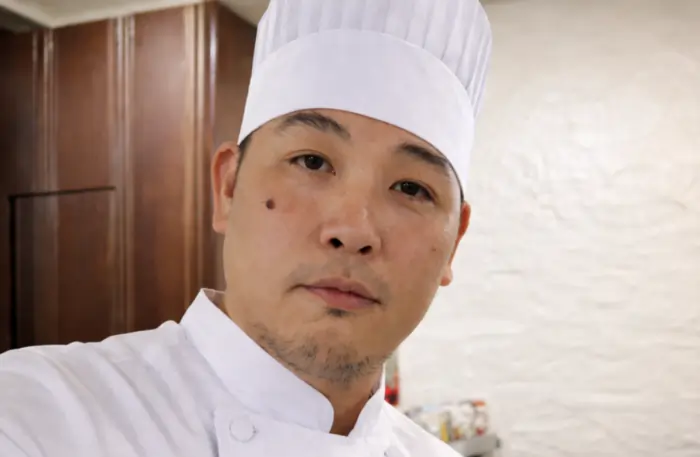
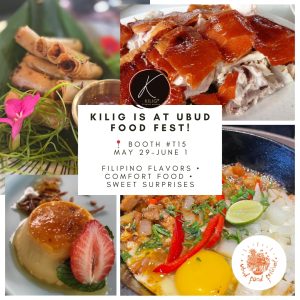
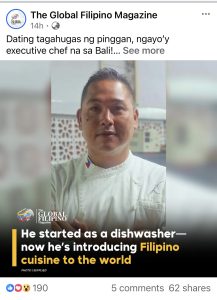
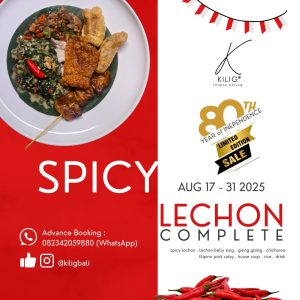
Chef Juan Gadi brings the heart of Filipino hospitality to Ubud, Bali. As an Executive Chef and consultant, he specializes in creating intimate, curated dining experiences that tell a story through every dish. Whether leading the kitchen at Kilig Filipino Warung or hosting a private villa dinner, Chef Juan’s approach is defined by warmth, modern technique, and a commitment to culinary excellence.