Filipino Festivals Where Food Takes Center Stage Key Takeaways
When you talk about Filipino food festivals , you are really talking about the essence of Filipino food culture .
- Filipino Festivals Where Food Takes Center Stage showcase everything from whole roasted pig to sticky rice sweets, and each region brings its own unique flavors.
- Travelers can experience authentic festival cuisine at events like the Pahiyas Festival, Kadayawan Festival, and MassKara Festival, all of which are famous for their food offerings.
- Local markets, street food stalls, and community feasts make these celebrations perfect for food lovers and culinary travelers seeking an immersive cultural experience.
What Makes Filipino Festivals a Feast for the Senses?
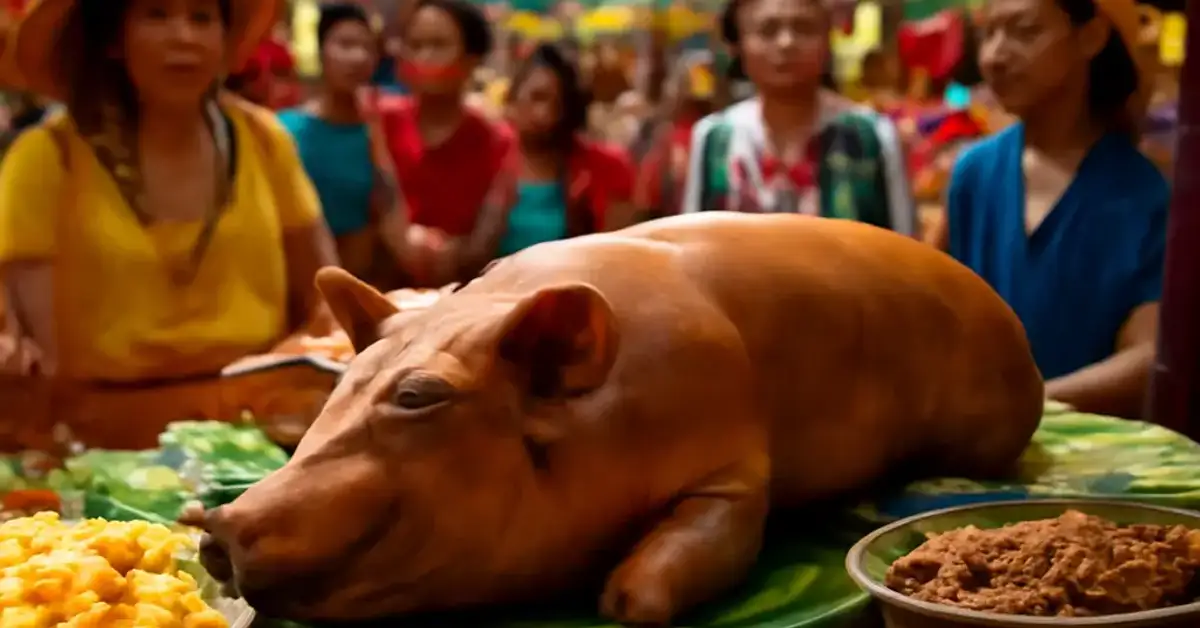
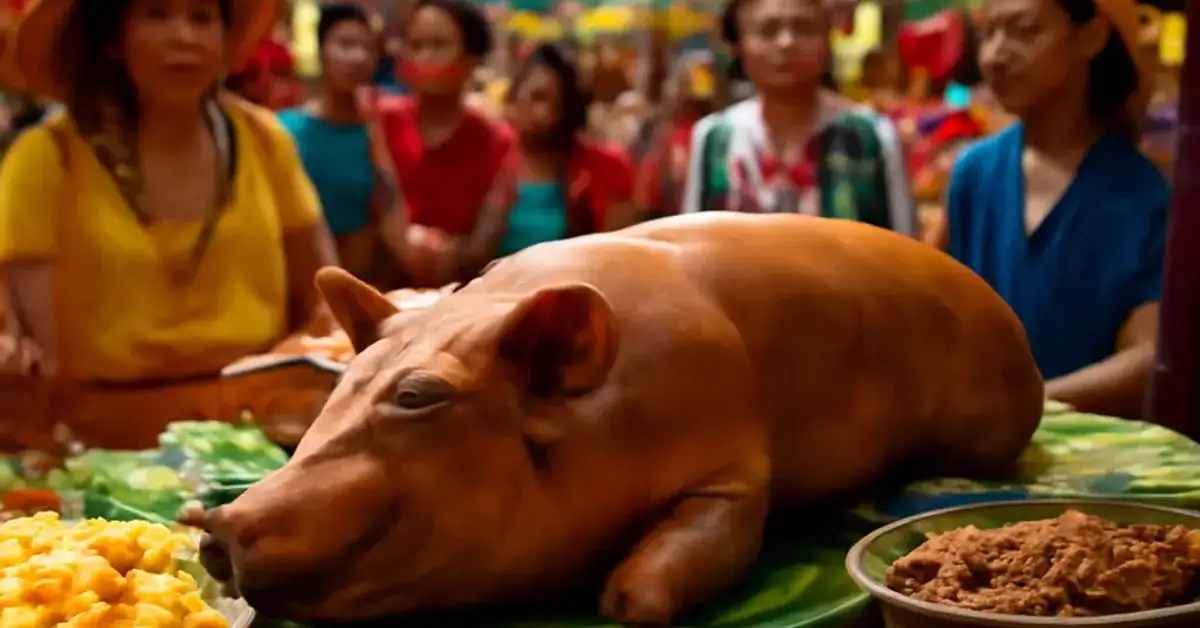
When you talk about Filipino food festivals, you are really talking about the essence of Filipino food culture. Food is not just fuel in the Philippines—it is the language of love, generosity, and community. During festivals, families open their homes to strangers, tables groan under the weight of lechon, pancit, and platters of kakanin, and laughter mixes with the sizzle of grills on every street corner.
These Philippine festivals are deeply rooted in gratitude—gratitude for a bountiful harvest, for protection from calamity, or for the patron saint of the town. And the best way to express gratitude, as any Filipino will tell you, is through food. For anyone interested in food tourism Philippines, attending one of these festivals is an essential experience.
8 Filipino Festivals Where Food Takes Center Stage
Below are the eight most celebrated festivals where food is not just a side attraction but the main event. Each one offers a unique taste of Filipino cuisine and a deeper understanding of Philippine culinary heritage. For a related guide, see 10 Regional Filipino Food Traditions That Inspire Bali Menus.
1. Pahiyas Festival (Lucban, Quezon)
Pahiyas Festival is arguably the most famous food-centric festival in the country. Held every May 15 in honor of San Isidro Labrador, the patron saint of farmers, this festival transforms the town of Lucban into a colorful display of agricultural abundance. Houses are decorated with kiping (dyed rice wafers), vegetables, and fruits. But the real draw is the food: Lucban is known for its local delicacies like pancit habhab (noodles served on a banana leaf), lechon with a secret stuffing of herbs called lucban longganisa, and kakanin made from glutinous rice. The town’s street food scene explodes during this time, and visitors are encouraged to sample dishes from house to house.
2. Kadayawan Festival (Davao City)
The Kadayawan Festival, held every third week of August, is Davao City’s grand thanksgiving for nature’s bounty. The word “kadayawan” comes from the Mandaya phrase “madayaw,” meaning good or valuable. During the festival, the city showcases its fresh produce, including the famous Davao pomelo, mangosteen, and durian. Food fairs line the streets, offering grilled tuna panga, lechon belly rolls, and an array of regional specialties. The Indak-Indak sa Kadalanan street dancing competition is accompanied by food stalls serving local coffee, chocolate, and fruit shakes. It’s a paradise for anyone interested in agricultural festivals and organic food.
3. MassKara Festival (Bacolod City)
MassKara Festival, held every October in Bacolod City, is known as the “Festival of Smiles.” Despite its cheerful masks and street parties, the festival has a poignant origin—it was conceived as a way to lift spirits after a sugar industry crisis and a tragic ship collision. Today, it is one of the biggest cultural festivals in the country. Food plays a central role, with Bacolod’s famous chicken inasal (grilled chicken marinated in lemongrass and annatto) taking center stage. Local markets overflow with cansi (a sour beef soup), piaya (sweet flatbread filled with muscovado sugar), and lechon that rivals the best in the country. The festival is a true celebration of Visayan culinary heritage.
4. Panagbenga Festival (Baguio City)
Panagbenga Festival, which means “season of blooming” in the Kankanaey language, is held every February in Baguio City. While flower floats are the highlight, the festival is also a showcase for Cordilleran cuisine. Traditional Filipino food like pinikpikan (chicken stew), etag (smoked pork), and kakanin wrapped in banana leaves are available at roadside stalls. The Session Road in Bloom event turns the city’s main street into a food market where visitors can try strawberry taho, strawberry jams, and fresh vegetables from the surrounding highlands. It’s a cool escape for culinary travelers who love high-altitude produce and indigenous cuisine.
5. Dinagyang Festival (Iloilo City)
Dinagyang Festival is held every fourth weekend of January in Iloilo City, honoring the Santo Niño (Child Jesus). This religious festival is famous for its energetic dance troupes, but food lovers know that the real highlight is the street food and local delicacies. Iloilo’s culinary tradition is rich: try the batchoy (noodle soup with pork offal and bone marrow), pancit molo (dumpling soup), and kansi from nearby Bacolod. The local markets near the festival venues offer fresh seafood, grilled pork skewers, and halo halo from family-run stalls. The Dinagyang food experience is loud, colorful, and incredibly satisfying.
6. Sinulog Festival (Cebu City)
Sinulog Festival, held every third Sunday of January, is the grandest and most well-known festival in the Philippines. While it is a religious event celebrating the Santo Niño, the food that accompanies the celebration is legendary. Cebu’s signature dish, lechon (often called the best in the country), is served everywhere—from roadside vendors to five-star hotels. Street food options include danggit (dried fish), chicharon (pork cracklings), and puso (hanging rice wrapped in coconut leaves). The fiesta celebrations that happen in neighborhoods during Sinulog are open to visitors, offering a genuine taste of Filipino hospitality. For a related guide, see 9 Filipino Dishes With Fascinating Cultural Stories.
7. Higantes Festival (Angono, Rizal)
Higantes Festival is held every November 22–23 in Angono, Rizal, a town known as the “Art Capital of the Philippines.” The festival is named after the giant paper-mache figures that parade through the streets, but the food scene is equally gigantic in scale. Angono is famous for its regional specialties like sinigang na hipon (shrimp in sour soup), adobong manok, and kakanin made with local ingredients. The town’s street food culture is vibrant, with vendors selling grilled seafood, lumpiang ubod (spring rolls with heart of palm), and fresh fruit juice. The local markets are packed with festival foods that reflect the town’s artistic and culinary heritage.
8. Lanzones Festival (Camiguin)
Lanzones Festival is celebrated every third week of October on the island of Camiguin, in honor of the lanzones fruit harvest. This small-but-mighty festival showcases the sweet, tangy lanzones fruit in every imaginable form: fresh, dried, candied, and made into juice or wine. Beyond lanzones, the festival offers local delicacies like pastel (a type of bread filled with meat), bibingka (rice cake), and freshly caught seafood grilled on the beach. The food fairs that line the streets are a treasure trove for culinary travelers looking for authentic festival cuisine. Camiguin’s laid-back vibe and warm Filipino hospitality make this an unforgettable food destination.
Why Food Is the Heart of Filipino Celebrations
Food sharing is the cornerstone of Filipino traditions. In every festival, you will see tables set up in the middle of the street, neighbors feeding neighbors, and strangers being welcomed to partake. This practice, deeply rooted in the concept of bayanihan (community spirit), is what makes Filipino food festivals so special. It’s not just about tasting new dishes—it’s about experiencing a culture that values hospitality and togetherness above all else.
Local Markets and Street Food: The Soul of Festival Food
No festival experience is complete without exploring the local markets and street food stalls that pop up during celebrations. These markets are where you will find the most authentic festival foods—dishes prepared using heritage recipes passed down through generations. From fried fish balls on a stick to halo halo served in a plastic cup, street food is the soul of a festival. It’s accessible, affordable, and full of flavor. For culinary travelers, these markets offer a crash course in regional specialties and local ingredients.
When Is the Best Time to Visit the Philippines for Food Festivals?
The Philippines has a festival practically every month. But if you want to align your trip with the best time to visit Philippines food festivals, consider these windows:
| Month | Festival | Location | Key Foods |
|---|---|---|---|
| January | Sinulog, Dinagyang | Cebu, Iloilo | Lechon, batchoy, pancit molo |
| February | Panagbenga | Baguio | Strawberry taho, etag, kakanin |
| May | Pahiyas | Lucban, Quezon | Pancit habhab, lechon, kakanin |
| August | Kadayawan | Davao City | Durian, pomelo, grilled tuna |
| October | MassKara, Lanzones | Bacolod, Camiguin | Chicken inasal, piaya, lanzones |
| November | Higantes | Angono, Rizal | Sinigang, lumpia, kakanin |
How Filipino Festivals Showcase the Country’s Culinary Heritage
Each of the eight festivals mentioned above is a living museum of Philippine culinary heritage. The ingredients are sourced from local farms, the cooking methods are traditional (wood-fire roasting, clay pot brewing, coconut milk simmering), and the recipes are often tied to the town’s history. By attending these festivals, travelers not only satisfy their taste buds but also gain a deeper appreciation for Filipino food culture and the resilience of its people.
Useful Resources
For authoritative information on Philippine festivals and food, visit the official tourism website: Philippine Department of Tourism. For detailed guides on local delicacies and regional cuisine, check out Pepper.ph, a trusted source for Filipino recipes and food stories.
Frequently Asked Questions About Filipino Festivals Where Food Takes Center Stage
What are the 8 Filipino festivals where food takes center stage ?
The eight festivals are Pahiyas Festival (Lucban), Kadayawan Festival (Davao), MassKara Festival (Bacolod), Panagbenga Festival (Baguio), Dinagyang Festival (Iloilo), Sinulog Festival (Cebu), Higantes Festival (Angono), and Lanzones Festival (Camiguin).
Which Philippine festivals are best for food lovers?
Pahiyas Festival and Kadayawan Festival are top picks for food lovers, offering a wide variety of local delicacies, fresh produce, and street food.
What traditional foods are served during Filipino festivals?
Lechon, pancit, kakanin, bibingka, puto bumbong, halo halo, and various regional specialties are commonly served during festivals.
Why is food an important part of Filipino celebrations?
Food represents gratitude, hospitality, and community spirit. Sharing meals is a core Filipino tradition that strengthens social bonds.
What regional delicacies should travelers try during local festivals?
Travelers should try chicken inasal in Bacolod, pancit habhab in Lucban, durian in Davao, and lanzones in Camiguin.
How do Filipino festivals showcase the country’s culinary heritage?
Festivals use local ingredients, heritage recipes, and traditional cooking methods, preserving and promoting regional culinary identity.
When is the best time to visit the Philippines for food festivals?
The best months are January (Sinulog, Dinagyang), May (Pahiyas), August (Kadayawan), and October (MassKara, Lanzones).
Where can travelers experience authentic festival cuisine?
Local markets, street food stalls, and community feasts inside festival grounds offer the most authentic dishes.
How do local markets and street food contribute to festival celebrations?
They provide accessible, affordable food that reflects local flavors, making the festival more inclusive and enjoyable for everyone.
Why are Filipino food festivals popular among international travelers?
They offer a unique cultural experience, warm hospitality, and a chance to taste authentic, diverse Filipino cuisine in one place.
What is the Pahiyas Festival best known for?
Pahiyas Festival is famous for its colorful rice-wafer decorations and its delicious Lucban longganisa, pancit habhab, and lechon.
What makes Kadayawan Festival unique for foodies?
Kadayawan focuses on fresh produce, including durian, mangosteen, and pomelo, plus community food fairs featuring Mindanaoan dishes.
When is MassKara Festival celebrated?
MassKara Festival is held every October in Bacolod City, featuring masks, street dancing, and Bacolod’s famous chicken inasal.
Can tourists join the food sharing during festivals?
Yes, Filipino hospitality is legendary. Visitors are often invited to join community meals during fiesta celebrations.
What is the Lanzones Festival all about?
It’s a harvest festival on Camiguin Island that celebrates the lanzones fruit with street parades, food fairs, and cooking competitions.
Is Sinulog Festival only for religious pilgrims?
No, it attracts millions of tourists for its street parties, historical significance, and incredible lechon and street food.
What are typical street foods at Panagbenga?
Strawberry taho, corn on the cob, grilled meat skewers, and fresh vegetable salads are common Panagbenga street foods.
What is a must-try dish at the Higantes Festival?
Sinigang na hipon (shrimp in sour soup) and lumpiang ubod are local favorites during the Higantes Festival in Angono.
How can I plan a food festival tour of the Philippines?
Check the official Philippine tourism calendar, book accommodations early, and plan your itinerary around the festival dates listed above.
Are vegetarian options available at Filipino food festivals ?
Yes, many festivals offer vegetable dishes, fresh fruits, rice cakes (kakanin), and salads made from local produce.
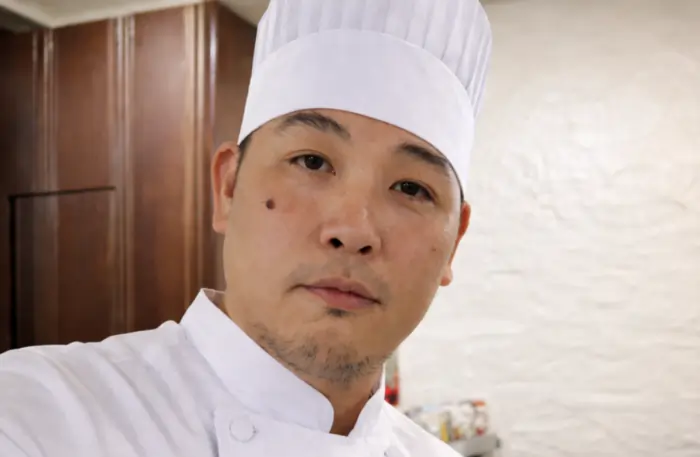
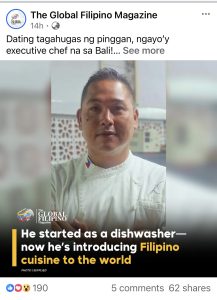
Chef Juan Gadi brings the heart of Filipino hospitality to Ubud, Bali. As an Executive Chef and consultant, he specializes in creating intimate, curated dining experiences that tell a story through every dish. Whether leading the kitchen at Kilig Filipino Warung or hosting a private villa dinner, Chef Juan’s approach is defined by warmth, modern technique, and a commitment to culinary excellence.