Ways Filipino Cuisine Connects People Across Cultures Key Takeaways
Filipino food is a bridge between cultures: it blends indigenous, Chinese, Spanish, and American influences and turns every meal into a celebration of togetherness.
- Ways Filipino cuisine connects people across cultures include kamayan feasts, communal dishes like adobo and sinigang, and the art of sharing food without hesitation.
- Filipino food traditions thrive abroad through community markets, fiestas, and family recipes passed down through generations.
- From lumpia to ube halaya, Filipino flavors are now trending globally in restaurants, food trucks, and home kitchens.
Why Filipino Food Has a Unique Power to Unite
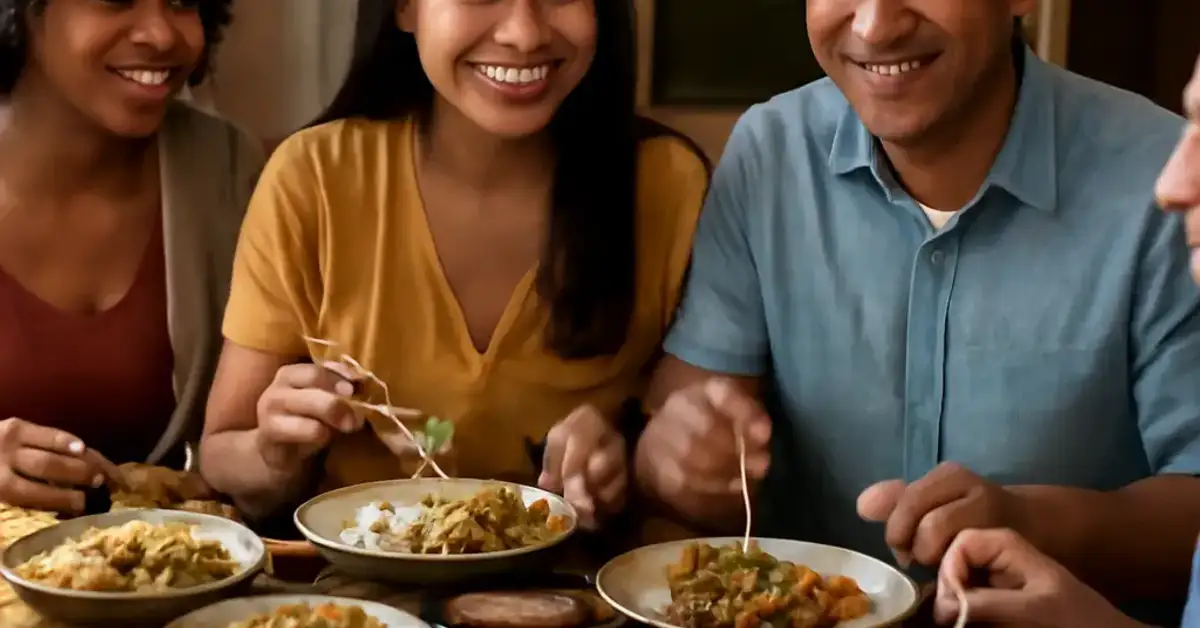
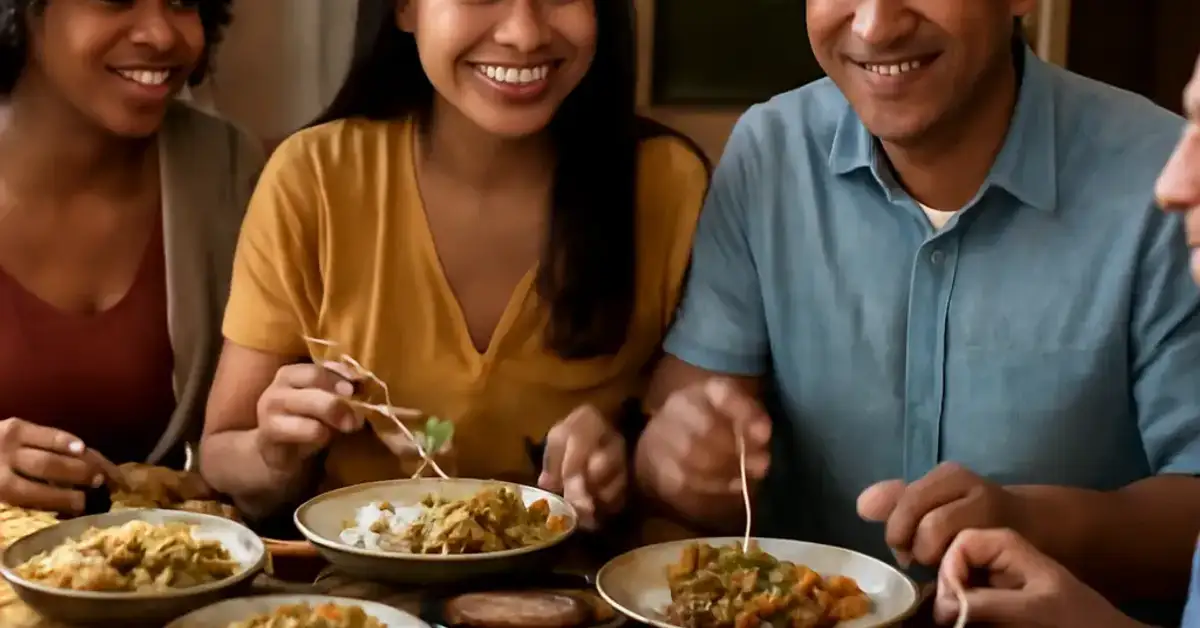
There is a reason why every gathering in the Philippines revolves around food. Whether it is a birthday, a fiesta, or a simple Sunday lunch, the table groans under the weight of platters and bowls meant to be shared. This generosity of spirit is one of the core ways Filipino cuisine connects people across cultures. When you invite someone to eat, you are not just feeding them — you are welcoming them into your life.
For food lovers and travelers, this openness makes Filipino cuisine one of the most accessible entry points into Southeast Asian flavors. Unlike some cuisines that can feel intimidating, Filipino food is friendly. It does not demand sophisticated knowledge. It simply asks you to take a spoonful and enjoy.
1. The Kamayan Tradition Builds Instant Community
Kamayan — which means “by hand” in Tagalog — is the traditional way of eating where diners gather around a long table covered with banana leaves. Rice, grilled meats, fresh seafood, and vegetables are arranged in colorful piles, and everyone eats using their hands. This practice strips away formality and encourages connection.
When you sit down to a kamayan meal, you are physically present with the food and with each other. There are no individual plates, no separate courses — just one shared experience. For travelers, a kamayan feast is often the moment they feel most welcome. The sensory act of touching food, feeling its warmth, and sharing it with strangers quickly turns them into friends.
2. Adobo as a Conversation Starter Across Borders
Ask any Filipino what their national dish is, and most will say adobo. This simple yet deeply satisfying dish — meat braised in vinegar, soy sauce, garlic, and peppercorns — travels beautifully. Every family has their own version, and every version tells a story.
Adobo has become a powerful ambassador for Filipino cuisine worldwide. In cities like New York, London, and Sydney, adobo appears on menus from food trucks to fine dining restaurants. For home cooks in multicultural families, making adobo is a way to share heritage with in-laws and neighbors. The smell of vinegar and garlic simmering on the stove is a universal invitation: Come sit, eat, and ask about my culture.
Filipino food brings people together precisely because dishes like adobo are flexible, affordable, and deeply personal. You can adjust it to suit local ingredients or dietary preferences without losing its soul.
3. Fiestas and Celebrations Open Doors to All
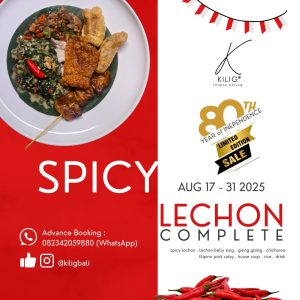
Filipino fiestas are legendary for their abundance. On any given weekend in a province, you might stumble upon a town festival where long tables line the streets, laden with lechon (roasted pig), pancit, and sticky rice desserts. No one asks if you are invited. You simply belong.
This tradition of open-table hospitality is one of the most effective ways Filipino cuisine connects people across cultures. For foreign visitors, attending a local fiesta can be the highlight of a trip. It offers an unfiltered taste of community life and a chance to bond over food without any language barrier.
Chefs and culinary travelers often remark that the fiesta spirit is impossible to replicate in a restaurant. It lives in the chaotic joy of shared platters, spontaneous karaoke, and the constant pressing of more food onto your plate.
4. The Filipino Palate Naturally Embraces Global Flavors
Centuries of trade and colonization have made Filipino cuisine inherently fusion. Indigenous ingredients like coconut, calamansi, and banana blossom meet Chinese noodles and soy sauce, Spanish chorizo and olives, and American canned goods evolved into dishes like menudo and spaghetti with banana ketchup.
This hybrid nature means that Filipino cuisine global appeal comes from its familiarity combined with surprising twists. A traveler from Mexico will recognize the tamale-like suman, while someone from Japan will feel at home with the vinegar-heavy dipping sauces. Food becomes a common language, and the ways Filipino cuisine connects people across cultures become obvious with every bite.
5. Sharing Plates Encourages Cross-Cultural Conversations
Filipino dining almost always involves sharing. Large bowls of sinigang (sour tamarind soup), kare-kare (oxtail stew with peanut sauce), and crispy pata (deep-fried pork leg) are placed in the center of the table. Everyone reaches in, often simultaneously.
This style of eating naturally breaks down barriers. When you share food, you share stories. A spoonful of dinuguan might lead to a discussion about how other cultures also use blood in cooking. A bite of lumpia might inspire a comparison to spring rolls from Vietnam or China. These exchanges turn a meal into a lesson in geography and history.
For hospitality professionals and restaurant owners, embracing this sharing culture can differentiate a dining experience. Offering family-style Filipino meals encourages guests to connect not only with each other but also with the culture behind each dish.
6. Hospitality (Pagmamano and the Warm Welcome)
In the Philippines, hospitality in Filipino dining is not just about service — it is a core value. The word pagmamano refers to the gesture of taking an elder’s hand to one’s forehead as a sign of respect, and this same respect extends to guests. When you enter a Filipino home, you are treated like royalty.
Food is the primary vehicle for this hospitality. Guests are always offered the best portions, the freshest fruit, and the most labor-intensive dishes. This generosity leaves a lasting impression on visitors and makes them return, not just for the food, but for the warmth.
For travelers to the Philippines, experiencing this hospitality first-hand often changes their understanding of what hospitality means. It is not transactional. It is genuine, and it deepens the connection between host and guest, making the meal more than just a meal — it becomes a memory.
7. Filipino Food Trends Are Influencing Global Menus
In recent years, Filipino cuisine global trend has moved from the margins to the mainstream. Ube (purple yam) has become a darling of the pastry world, appearing in donuts, ice cream, and lattes. Adobo wings and lechon belly have found homes in gastropubs. Even dessert halo-halo — a shaved ice creation layered with beans, jellies, fruit, and ice cream — is gaining fans far beyond the Philippines.
Chefs like Jordy Navarra at Toyo Eatery in Manila and Wylie Dufresne’s collaborations with Filipino concepts have raised the profile of the cuisine on the international stage. This recognition is more than a trend; it signals a lasting shift in how the world views Southeast Asian food.
For food bloggers, travel writers, and content creators, covering this wave offers an opportunity to introduce audiences to something new yet accessible. Filipino food tells a story of resilience, creativity, and openness — and that story resonates across cultures.
8. Filipino Communities Keep Culinary Traditions Alive Abroad
Diaspora communities are the heart of Filipino food traditions abroad. In countries with significant Filipino populations — like the United States, Canada, Japan, and the Middle East — small grocery stores, weekend markets, and community fiestas keep food traditions alive. These spaces are not just places to buy ingredients; they are cultural hubs where recipes are exchanged and language is preserved.
Second- and third-generation Filipino-Americans often rediscover their heritage through food. Cooking adobo with a grandmother’s instructions or learning to wrap lumpia from a relative becomes an act of cultural preservation. At the same time, non-Filipino neighbors are invited to taste and learn, creating a two-way cultural exchange.
Traditional Filipino dishes encourage cultural exchange in these settings because they are often the first point of contact between communities. A plate of pancit offered at a potluck or a box of ube cookies shared at work can spark curiosity and friendship.
9. Filipino Food Tells a Story Every Culture Can Relate To
Ultimately, the deepest ways Filipino cuisine connects people across cultures is through its story. This is a cuisine born from centuries of adaptation, scarcity, and celebration. It is the food of people who have learned to make the most of what they have — and to share it generously.
Every dish carries echoes of trade routes, colonial history, and family traditions. But unlike some cuisines that require extensive explanation, Filipino food lets its flavors do the talking. The sourness of sinigang, the saltiness of bagoong, the sweetness of leche flan — these are tastes that everyone can enjoy without a guidebook.
For educators, students, and cultural enthusiasts, studying Filipino cuisine offers a lens into the Philippines’ complex identity. For chefs and home cooks, cooking Filipino food is an invitation to experiment and share. And for travelers, eating Filipino food is the most direct path to understanding the pagtanggap — the acceptance and generosity that defines the Filipino spirit.
Traditional Dishes That Best Represent Filipino Culinary Heritage
To truly appreciate the ways Filipino cuisine connects people across cultures, it helps to know a few of the dishes that carry the heaviest cultural weight.
| Dish | Key Flavor Profile | Cultural Significance |
|---|---|---|
| Adobo | Salty, sour, savory | National dish; every family has a recipe |
| Sinigang | Sour (tamarind-based) | Comfort food representative of Filipino resourcefulness |
| Lechon | Savory, crispy, rich | Centerpiece of fiestas and celebrations |
| Kare-Kare | Savory, nutty (peanut sauce) | Showcases Filipino love for complex stews |
| Lumpia | Fresh or fried, savory | Filipino version of spring rolls; party staple |
| Halo-Halo | Sweet, cold, layered | Symbol of summer and communal sharing |
Practical Tips for Experiencing Filipino Food as a Traveler
If you are a culinary traveler or food lover planning to explore Filipino cuisine, here are a few ways to make the most of your journey:
- Seek out rowdy eateries. Some of the best Filipino food is found in carinderia (small eateries) where dishes are displayed behind glass. Point at what looks good and trust the crowd.
- Join a community fiesta. If you are visiting a rural area, ask locals about scheduled fiestas. You will likely be invited to eat with strangers.
- Take a cooking class. Many local chefs in Manila and Cebu offer half-day classes where you learn to make adobo, lumpia, and ube desserts.
- Visit a Filipino grocery store abroad. Even outside the Philippines, these stores are cultural touchpoints. Introduce yourself to the owners and ask what they recommend.
How Filipino Cuisine Is Shaping the Future of Global Food
As the world becomes more interconnected, the ways Filipino cuisine connects people across cultures will only grow more important. Filipino food is no longer a hidden gem. It is a rising star in the global culinary scene, earning coverage in major food publications and appearing on menus from New York to London to Dubai.
For restaurant owners and hospitality professionals, incorporating Filipino dishes offers a way to stand out while honoring a tradition of inclusivity. For home cooks and multicultural families, Filipino recipes provide a delicious entry point into a rich culture. And for travelers and students, eating Filipino food is one of the easiest, most joyful ways to broaden your cultural horizons.
So grab a spoon — or use your hands — and find your seat at the table. The Filipino food brings people together in ways that transcend language, geography, and background. All you need is an appetite and an open heart.
Useful Resources
To deepen your understanding of Filipino cuisine and its global impact, explore these excellent resources:
- Nolisoli.ph – Filipino food culture, travel, and community stories
- Pepper.ph – Filipino recipes, cooking tips, and cultural food guides
Frequently Asked Questions About Ways Filipino Cuisine Connects People Across Cultures
What are the 9 ways Filipino cuisine connects people across cultures ?
The nine ways include the kamayan tradition, adobo as a conversation starter, fiesta hospitality, the natural fusion palate, shared plates, warm hospitality, global food trends, diaspora communities, and storytelling through food.
How does Filipino food bring people together?
Filipino food brings people together through communal dining, generous sharing, and open invitations to eat without formalities. The culture of “come, eat” removes barriers and builds connections. For a related guide, see 8 Filipino Dining Customs Every Bali Traveler Should Know.
Why is Filipino cuisine popular around the world?
Filipino cuisine is popular because it is familiar yet distinct, blending Asian and Western influences. Its flavors are comforting, its dishes are shareable, and the culture behind it values generosity.
What makes Filipino cuisine appealing to different cultures?
The cuisine’s fusion identity makes it easy for people from various backgrounds to find something familiar. Sweet, sour, salty, and savory profiles appeal to almost every palate.
How do traditional Filipino dishes encourage cultural exchange?
Traditional dishes like adobo, lumpia, and sinigang spark conversations about ingredients, history, and regional variations. Sharing these dishes invites questions and storytelling.
What role does hospitality play in Filipino dining?
Hospitality in Filipino dining is central. Guests are treated as royalty, offered the best food, and made to feel at home. This generosity creates deep emotional connections during meals.
How has Filipino cuisine influenced international food trends?
Filipino cuisine has influenced global trends with ingredients like ube, coconut, and calamansi, and dishes like adobo wings, lechon, and halo-halo appearing in trendy restaurants worldwide.
What dishes best represent Filipino culinary heritage?
Dishes such as adobo, sinigang, lechon, kare-kare, lumpia, and halo-halo best represent Filipino culinary heritage. Each dish reflects the country’s history, resources, and communal values. For a related guide, see 9 Filipino Dishes With Fascinating Cultural Stories.
How do Filipino communities preserve food traditions abroad?
Filipino communities abroad preserve traditions through weekend markets, family cooking sessions, fiestas, and grocery stores that import key ingredients. Recipes are passed down through generations.
Why is Filipino cuisine becoming a global culinary favorite?
It is becoming a global favorite because of its bold yet approachable flavors, the growing Filipino diaspora, and increased representation in media and fine dining.
Is Filipino cuisine spicy?
Generally, Filipino cuisine is not very spicy. It relies more on sourness (tamarind, calamansi), saltiness (patis, bagoong), and sweetness. Some dishes incorporate chili for heat, but it is mild compared to Thai or Indonesian food.
What is a kamayan meal?
Kamayan is a Filipino style of eating where food is spread on banana leaves and eaten by hand. It is a social, sensory experience that removes barriers between diners.
Can I find Filipino food outside the Philippines?
Yes. Filipino restaurants, food trucks, and grocery stores exist in many countries, especially the United States, Canada, Japan, the United Kingdom, Australia, and the Middle East.
What is the most important ingredient in Filipino cooking?
Rice is the most important staple, followed by vinegar, soy sauce, garlic, and coconut milk. Calamansi (a small citrus fruit) is also used widely for its sour flavor.
How do I start cooking Filipino food at home?
Start with simple dishes like adobo or lumpia. These require few special ingredients and are forgiving for beginners. Many recipes are available online from Filipino home cooks and chefs.
What is the best Filipino dish for a potluck?
Lumpia and pancit are excellent for potlucks because they travel well, are easy to serve, and appeal to a wide range of tastes. Adobo is also a great option.
Is Filipino food healthy?
It can be, depending on the dish. There are many vegetable and seafood-based dishes like sinigang, pinakbet, and kinilaw that are light and nutritious. Fried dishes and those rich in coconut milk are more indulgent.
What is halo-halo?
Halo-halo is a popular Filipino dessert made of shaved ice, evaporated milk, and a mix of ingredients such as sweet beans, jellies, fruits, ube ice cream, and leche flan. It is layered and eaten by mixing everything together.
How do Filipinos cook without written recipes?
Many Filipino home cooks rely on memory, taste, and family tradition rather than exact measurements. This “to taste” approach is passed down orally and through hands-on experience.
What is the significance of banana leaves in Filipino dining?
Banana leaves are used as eco-friendly plates in kamayan feasts. They release a subtle aroma when hot food is placed on them, enhancing the sensory experience and connecting diners to nature.
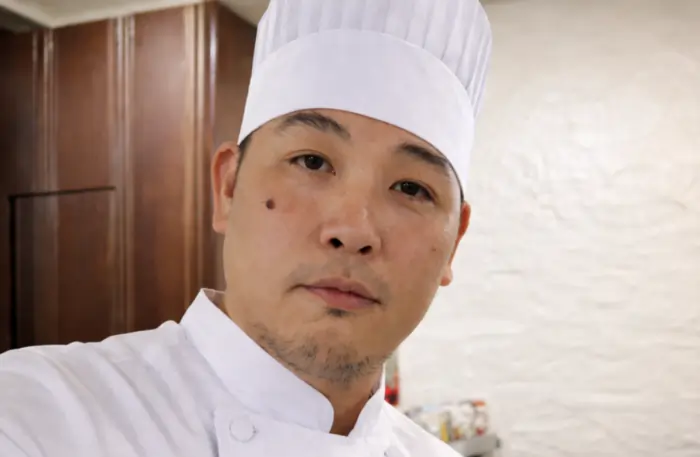
Chef Juan Gadi brings the heart of Filipino hospitality to Ubud, Bali. As an Executive Chef and consultant, he specializes in creating intimate, curated dining experiences that tell a story through every dish. Whether leading the kitchen at Kilig Filipino Warung or hosting a private villa dinner, Chef Juan’s approach is defined by warmth, modern technique, and a commitment to culinary excellence.