Food Tours Reveal the Hidden Side of Bali Key Takeaways
Food tours reveal the hidden side of Bali by guiding travelers beyond tourist hotspots into local warungs, night markets, and village kitchens where the island’s true culinary soul lives.
- Food tours reveal the hidden side of Bali through access to off-the-menu dishes, family-run warungs, and conversations with local cooks.
- Travelers discover Bali street food , local markets , and regional specialties that rarely appear in standard restaurant guides.
- These tours support sustainable tourism by directing spending to small vendors, farmers, and community-based cultural experiences .
Why Food Tours Reveal the Hidden Side of Bali Like Nothing Else
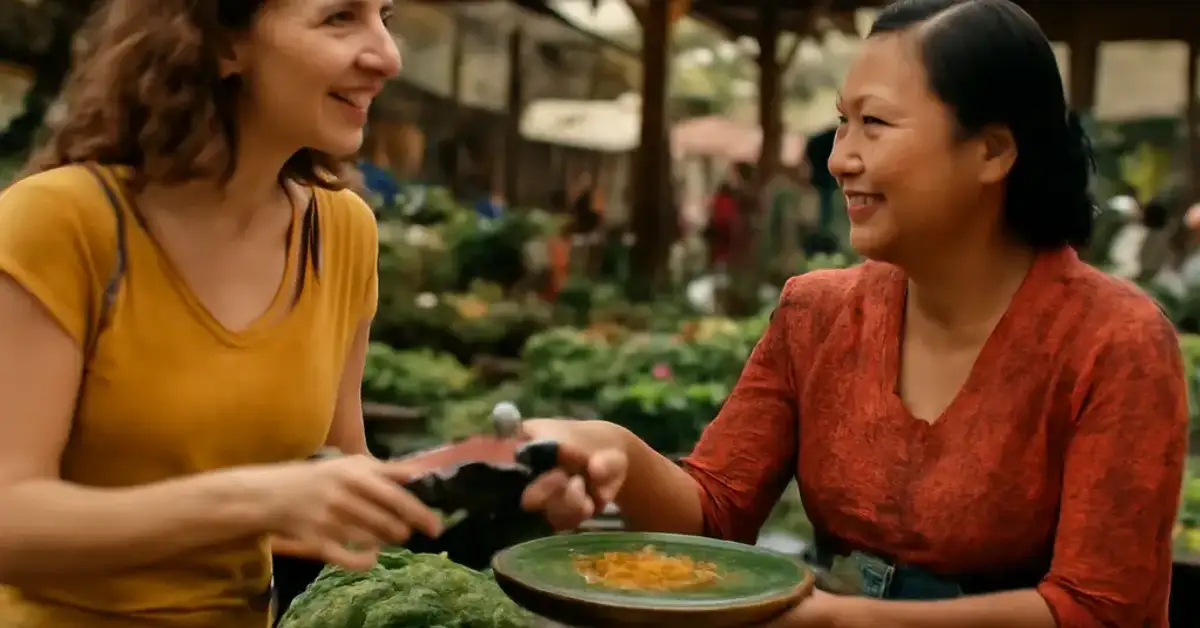
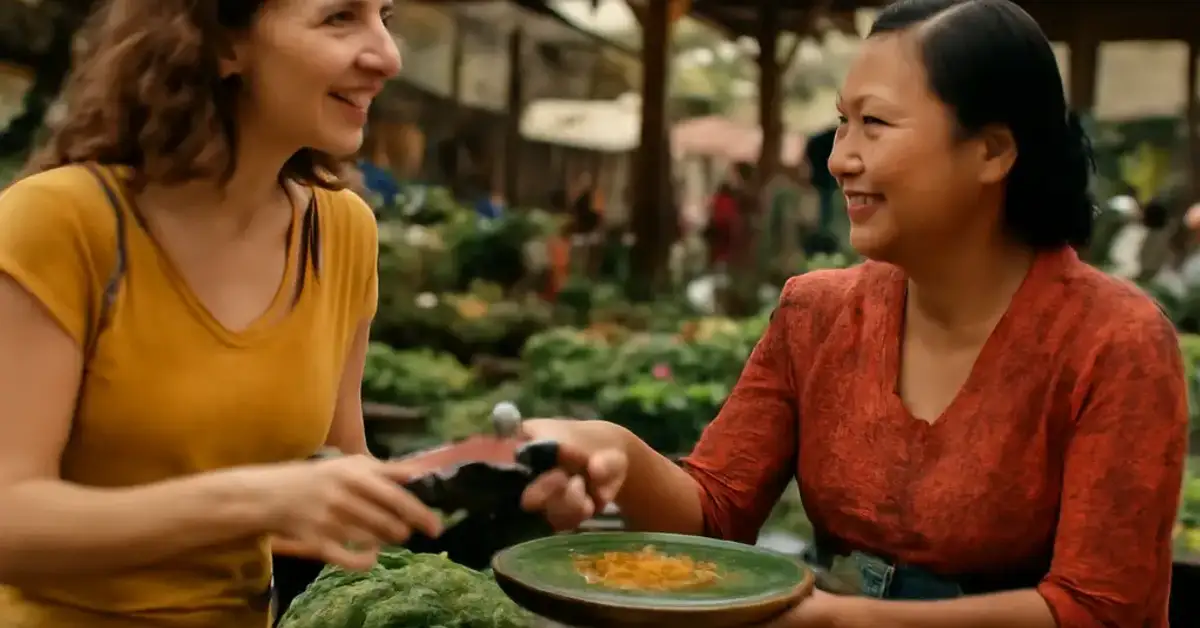
I still remember my first morning in Ubud years ago, long before I ever set foot in a professional kitchen. A local guide led me down a narrow gang—an alley barely wide enough for two scooters—and stopped in front of a small warung with a single plastic table. The owner, a grandmother named Ibu Wayan, handed me a banana leaf piled with traditional Balinese dishes: lawar, sate lilit, and a spoonful of fiery sambal matah. That meal changed how I understood the island. It was my first true lesson in how food tours reveal the hidden side of Bali. For a related guide, see Why Travelers Crave Authentic Human Connections Abroad.
Now, as an Executive Chef in Bali, I see the same transformation happen with every guest I take on a curated food journey. The island is famous for its temples, rice terraces, and beaches, but its most profound stories are told in local markets, family warungs, and the kitchens of village food tours. Bali food tours do more than feed you—they open doors to a culture that thrives on community, ritual, and flavor. For a related guide, see How Experiential Travel Is Changing Bali Tourism.
What Are Bali Food Tours and How Do They Work?
Bali food tours are guided culinary journeys designed to immerse travelers in the island’s edible landscape. They range from walking tours through night markets in Denpasar to bicycle rides past rice paddies that stop at hidden restaurants and family-run warungs. Most tours last between three and six hours and are led by local chefs or food experts who share the stories behind each dish.
These tours are not about eating at tourist-friendly Bali restaurants. Instead, they focus on authentic Balinese food prepared with local ingredients and traditional recipes passed down through generations. A typical Bali culinary tours itinerary includes a stop at a bustling local market, a tasting session of Bali street food, and a sit-down meal at a warung that has served the same dishes for decades.
What Can Visitors Expect During a Balinese Food Tour?
Expect your senses to be fully engaged. You will smell lemongrass and galangal before you see the vendor. You will watch spice blends being ground by hand with a mortar and pestle. You will taste tropical fruits like snake fruit and mangosteen that never make it to hotel buffets. And you will hear stories—of harvest rituals, family feasts, and the culinary heritage that binds neighborhoods together.
Food travel Bali through a guided tour also means you skip the guesswork. Instead of wandering into random cafes and hoping for the best, you are escorted to places that locals actually eat at. You learn the names of dishes, the proper way to eat them with your hands, and the etiquette that shows respect to your host.
How Food Tours Reveal the Hidden Side of Bali Through Local Markets and Warungs
The most transformative moments on any food tour happen away from the main roads. Local markets like Pasar Badung in Denpasar or Pasar Ubud in the early morning are where the island’s true flavor profile emerges. Vendors sell local ingredients you have never seen before—bright turmeric roots, wrinkled tropical fruits, and woven baskets of rice in shades of black, red, and white.
Warungs, the small family-run eateries that dot every village, are the heart of local food Bali. Many have no English menus, no Instagram presence, and no reason to cater to tourists. That is exactly why they matter. A food tour Bali that visits these spots gives you access to authentic dining experiences that you cannot book online. You eat what the family eats, prepared that morning from ingredients bought at the same market you just visited.
Where Can Travelers Find Authentic Local Food in Bali?
Authentic Balinese food lives in warungs, night markets, and the homes of local hosts. In Ubud, head to the warung district near Jalan Hanoman. In Seminyak, look for the small sate stands that appear after sunset. In the Gianyar regency, village food tours take you directly into family compounds where you can help prepare traditional Balinese dishes. The best source is always a local guide who knows the island beyond the tourist map.
Traditional Balinese Dishes and Ingredients Every Food Tour Should Include
No Bali food experiences would be complete without tasting the island’s iconic plates. Balinese cuisine is distinct from other Indonesian cuisine—it uses a base of “base genep,” a complex spice blend that includes turmeric, ginger, galangal, candlenut, and cloves. The result is food that is bold, aromatic, and layered with heat and fragrance.
Here are the dishes I always recommend to visitors on my tours:
- Babi Guling – Suckling pig stuffed with a fragrant spice paste, slow-roasted until the skin crackles. It is the centerpiece of Balinese celebrations.
- Sate Lilit – Minced seafood or chicken mixed with coconut and spices, wrapped around a lemongrass stick, and grilled over charcoal.
- Lawar – A salad of grated coconut, minced meat, herbs, and spices. Every village has its own version.
- Nasi Campur – A mixed rice platter with small portions of everything: vegetables, meat, eggs, and sambal.
- Pepes Ikan – Fish wrapped in banana leaf with herbs and spices, then steamed or grilled.
- Jaja Laklak – Green rice flour cakes topped with grated coconut and palm sugar syrup—a classic sweet treat from Balinese street food stalls.
What Traditional Balinese Dishes Should Visitors Try?
Visitors should prioritize Babi Guling for its cultural importance, Sate Lilit for its unique cooking technique, and Lawar for its complexity. Also try seafood dishes from the Jimbaran area, where grills are lit every evening along the beach. For something truly local, ask for “Tum”—minced meat steamed in banana leaves with herbs—a dish rarely seen in Bali restaurants aimed at tourists.
Cultural Dining and Culinary Immersion Beyond the Plate
Food adventures in Bali are never just about the food. Every meal is surrounded by ritual. Before eating, many Balinese families offer a small portion of rice to the spirits as a form of gratitude. Cooking classes are one of the best ways to experience this cultural layer. You do not just learn recipes—you learn the philosophy of balance between the elements, the importance of local ingredients, and the role of food in ceremonies.
Village food tours often include a visit to a family compound where you help prepare a meal. You might grind spice blends on a stone slab, pick herbs from the garden, and fold banana-leaf parcels. This cultural immersion creates a connection that lasts long after the tour ends.
How Do Food Tours Support Local Communities and Businesses?
Food tours are a powerful vehicle for sustainable tourism. When you pay for a tour that visits small vendors, local chefs, and family-run warungs, your money goes directly into the community. It funds a grandmother’s ability to buy fresh ingredients from the market. It enables a street food vendor to keep a family recipe alive. It supports local cuisine as a living tradition rather than a museum piece. Many tour operators also partner with local chefs and farmers, reinforcing the farm-to-table connection that is central to Balinese cuisine.
Choosing the Right Bali Food Tours for Your Travel Style
Different travelers want different things from their culinary tourism experience. Some crave the energy of Bali street food and night markets. Others prefer a seated meal at a warung with a glass of arak and a tasting of regional specialties. Here is a comparison to help you decide.
| Tour Type | Best For | Duration | Price Range (USD) |
|---|---|---|---|
| Street Food Tour | Adventure seekers, budget travelers | 3–4 hours | $40–$70 |
| Warung and Market Tour | Foodies, families, cultural travelers | 4–5 hours | $60–$90 |
| Cooking Class + Market Visit | Hands-on learners, couples, groups | 5–6 hours | $70–$120 |
| Private Vineyard or Villa Dinner | Luxury travelers, honeymooners | 3–4 hours | $150–$300+ |
What Are the Differences Between Street Food Tours and Restaurant Tours in Bali?
Street food tours focus on stalls, carts, and temporary setups that appear in night markets or along busy roads. They are fast-paced, casual, and often involve standing while you eat. Restaurant tours take you to established Bali restaurants and warungs where you sit down and enjoy a full meal with multiple courses. Both have value, but street food tours give you a closer look at the rhythm of daily Balinese life, while restaurant tours allow you to appreciate the nuance of a single dish prepared by a specialist.
How Can Travelers Choose the Best Culinary Experience in Bali?
Start by identifying what excites you most: the energy of a market, the intimacy of a home kitchen, or the artistry of a chef’s tasting menu. Read reviews that mention local chefs and authentic Balinese food. Look for tours that limit group sizes—smaller groups mean deeper interaction. Ask whether the tour includes a local market visit, as that is often the most educational part. Finally, choose a guide who speaks English well and who clearly values the food culture they are sharing.
Are Bali Food Tours Worth Booking?
Absolutely. For a first-time visitor or a returning traveler looking to go deeper, Bali food tours are one of the best investments you can make. They save you time, introduce you to dishes you would never find alone, and create memories that outlast any souvenir. More importantly, they show you a side of the island that the standard Bali travel guide cannot capture: the side where food is not just fuel, but identity.
Why Food Travel Bali Is the Best Way to Understand Its Culture
Exploring Bali through food is a direct line into the island’s soul. Every spice tells a story of trade routes, every rice harvest connects to temple offerings, and every family recipe carries the memory of ancestors. Bali gastronomy is not just about flavor—it is about philosophy, community, and the belief that eating together strengthens the bonds between people and gods.
As a chef who has cooked in many places around the world, I have never found a cuisine that is as generous in spirit as Balinese cuisine. The people of this island welcome you into their kitchens, their homes, and their lives through the act of feeding you. That is the hidden side of Bali that no temple tour can show you—and that is exactly what food tours reveal the hidden side of Bali accomplish with every plate they serve.
Useful Resources
To plan your own culinary adventure in Bali, check out these trusted sources:
- Lonely Planet Bali Travel Guide – Comprehensive information on local eateries, markets, and cultural etiquette for travelers.
- World Food Tours – Bali Culinary Experiences – A curated directory of vetted food tours across Bali, including street food, market, and cooking class options.
Frequently Asked Questions About food tours reveal the hidden side of Bali
What are the best food tours in Bali?
The best food tours in Bali include Ubud Market and Warung Walk, Denpasar Night Market Tour, Gianyar Village Food Tour, and private culinary experiences led by local chefs like those offered through World Food Tours or specialized boutiques. Each focuses on authentic Balinese food and hidden restaurants.
How do food tours reveal the hidden side of Bali ?
By taking travelers away from tourist-heavy areas and into local neighborhoods, food tours reveal the hidden side of Bali through access to warungs, night markets, and home kitchens where families prepare traditional Balinese dishes.
What traditional Balinese dishes should visitors try?
Visitors should try Babi Guling, Sate Lilit, Lawar, Nasi Campur, Pepes Ikan, and Jaja Laklak. These dishes showcase the diversity of Balinese cuisine and the spice blends that define it.
Where can travelers find authentic local food in Bali?
Authentic local food Bali is found in local markets, family-run warungs, and night markets. Gianyar, Ubud, and Denpasar are excellent areas to search, especially with a guide who knows the food culture.
Are Bali food tours worth booking?
Yes, Bali food tours are worth booking because they provide curated access to hidden restaurants, cooking classes, and cultural dining experiences that are nearly impossible to arrange independently.
What can visitors expect during a Balinese food tour?
Visitors can expect to visit local markets, taste Bali street food, watch spice blends being made, eat at warungs, and hear stories about traditional recipes and culinary heritage.
How do food tours support local communities and businesses?
Food tours direct spending to small vendors, local chefs, and family-run enterprises, fostering sustainable tourism and helping preserve local cuisine and traditional Balinese dishes.
What are the differences between street food tours and restaurant tours in Bali?
Street food tours focus on stalls and night markets with casual, quick tastings, while restaurant tours take you to sit-down Bali restaurants and warungs for multi-course meals and deeper dives into regional specialties.
How can travelers choose the best culinary experience in Bali?
Identify your preferred style—street food versus sit-down—and look for tours with small groups, local chefs, and visits to local markets. Read reviews that mention authentic Balinese food and cultural immersion.
Why is exploring Bali through food one of the best ways to understand its culture?
Food connects directly to religion, community, and history. Through food travel Bali, you learn about rituals, family traditions, and the Bali gastronomy that defines everyday life.
What are the most popular Balinese street food items?
Popular Balinese street food includes sate lilit, pisang goreng (fried banana), bakso (meatball soup), and jaja laklak. These are commonly found at night markets and roadside stalls.
Are cooking classes included in most Bali food tours ?
Many Bali culinary tours include a cooking class component, often paired with a local market visit. These classes teach traditional recipes and spice blends.
Can food tours accommodate dietary restrictions?
Most Bali food tours can accommodate vegetarian, vegan, and gluten-free needs. It is important to communicate restrictions when booking to ensure the tour local food Bali options meet your requirements.
What is the best time of day for a food tour in Bali?
Morning tours (7–11 AM) are best for local markets and cooking classes, while evening tours (4–9 PM) capture the energy of night markets and Bali street food.
How much do Bali food tours cost on average?
Group tours range from $40 to $120 per person, while private tours or cultural dining experiences can cost $150 to $300 or more, depending on the inclusions.
Do food tours include transportation?
Many food tours Bali include hotel pickup and drop-off, especially those that cover multiple neighborhoods or village food tours. Confirm with the operator when booking.
What should I bring on a Bali food tour?
Bring a small appetite, comfortable walking shoes, a reusable water bottle, sunscreen, and a camera for food photography. Cash is also useful for additional purchases.
Are food tours safe for solo travelers?
Yes, Bali food tours are very safe for solo travelers. Group tours offer social opportunities, and private tours provide personalized attention. Guides are knowledgeable about safety and local food Bali customs.
Can I book a food tour that focuses on seafood dishes?
Yes, there are specialized tours focusing on seafood dishes, particularly in Jimbaran, Sanur, and north Bali. These tours often include visits to fish markets and beachfront grills.
What is the difference between a generic food tour and one led by a local chef?
A tour led by local chefs like Chef Juan Gadi offers deeper insights into traditional recipes, spice blends, and the culinary heritage of Bali. Chef-led tours often include hands-on elements and personal stories that standard tours lack.
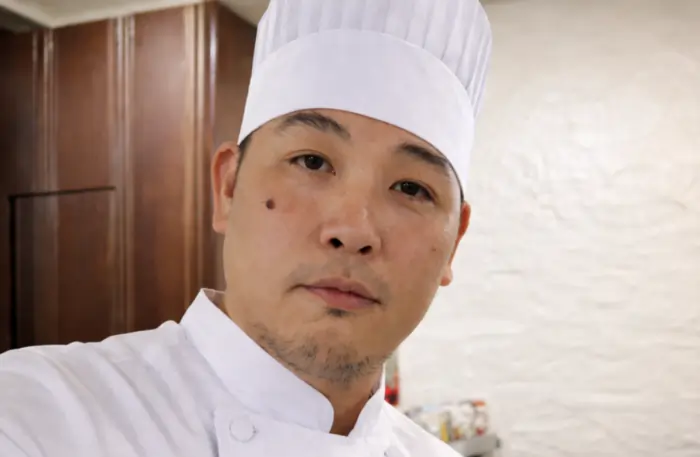
Chef Juan Gadi brings the heart of Filipino hospitality to Ubud, Bali. As an Executive Chef and consultant, he specializes in creating intimate, curated dining experiences that tell a story through every dish. Whether leading the kitchen at Kilig Filipino Warung or hosting a private villa dinner, Chef Juan’s approach is defined by warmth, modern technique, and a commitment to culinary excellence.