

Authentic Hospitality Creates a Sense of Trust While Traveling Key Takeaways
When local hosts open their homes, kitchens, and communities with warmth and sincerity, travelers feel safe, respected, and deeply connected.
- Authentic Hospitality Creates a Sense of Trust While Traveling by replacing transactional service with genuine human care, especially in local warungs and family-owned restaurants.
- Bali’s unique combination of friendly locals , shared meals, and community-based tourism gives travelers confidence to explore off the beaten path.
- Engaging with local customs and cultural traditions through food and hospitality builds lasting trust and unforgettable travel memories .

What Travelers Need to Understand About Authentic Hospitality Creates a Sense of Trust While Traveling
Every traveler knows the feeling: arriving in a new place, unsure of the language, the customs, or even where to eat safely. In those first moments, trust is fragile. What dissolves that uncertainty faster than any guidebook? The warmth of a genuine welcome. Authentic Hospitality Creates a Sense of Trust While Traveling because it is not about polished service scripts—it is about real human connection. In Bali, this truth is woven into daily life. From the moment a guest steps into a family compound, they are treated not as a customer but as an honored visitor. This cultural norm, deeply embedded in Balinese Hinduism and community values, is the foundation of Bali hospitality that millions of visitors return for year after year. For a related guide, see How Human Connection Shapes the Bali Experience.
When trust is established early, the entire travel experience shifts. Instead of worrying about safety or scams, travelers can relax, explore, and open themselves to meaningful travel. They begin to say yes to invitations, taste unfamiliar dishes, and listen to stories that no brochure can capture. This article explores how authentic hospitality builds that trust through specific local practices, especially in Bali’s food scene, and how you can seek out these experiences on your own journey. For a related guide, see Why Filipino Culinary Heritage Resonates: 7 Authentic Flavors That Captivate Visitors.
How Authentic Hospitality Creates a Sense of Trust While Traveling Through Friendly Locals
The cornerstone of any trust-filled travel experience is the people you meet. In Bali, friendly locals are not a stereotype—they are a cultural reality. The Balinese concept of Tri Hita Karana (harmony between people, nature, and the divine) encourages an open, warm demeanor toward strangers. When a local shopkeeper asks where you are from with genuine curiosity, or a rice farmer stops to wave from the paddy, that small interaction plants a seed of safety and belonging. For a related guide, see The Sense of Belonging Travelers Discover in Bali.
The Role of Personalized Service in Building Travel Confidence
Personalized service in Bali goes far beyond remembering your name. It means a homestay host packing you a small breakfast when you have an early tour, or a driver adjusting the itinerary because he noticed you love photography. These thoughtful gestures communicate one powerful message: “We see you, and we care.” Over time, these accumulated moments of care create travel confidence. You stop second-guessing directions, trust the local recommendations, and feel empowered to explore deeper.
International studies on tourism psychology confirm that perceived warmth and competence in hosts directly correlates with traveler trust. Bali’s Southeast Asian hospitality tradition scores exceptionally high on both dimensions. Visitors consistently report feeling “at home” within days of arrival, a phenomenon rarely achieved in more commercialized destinations.
Why Local Warungs and Family-Owned Restaurants Build Trust Through Food
Perhaps nowhere is Authentic Hospitality Creates a Sense of Trust While Traveling more visible than in the humble local warungs—small, family-run eateries that dot Bali’s streets. These are not restaurants with laminated menus and air-conditioning. They are often a few tables under a tin roof, where a grandmother has been cooking the same recipes for forty years. At a warung, you are not ordering from a server; you are being invited into someone’s kitchen.
Shared Meals as a Universal Trust Language
There is a reason why business deals and peace treaties are often made over dinner. Shared meals break down barriers. When you sit down with a Balinese family to eat traditional Balinese dishes like babi guling (suckling pig) or lawar (spiced minced meat with vegetables), you are participating in a ritual of trust. The host watches your face as you take the first bite, eager for your reaction. That vulnerability—the willingness to be judged on food that represents family pride—is a profound act of hospitality.
Family-owned restaurants like Ibu Oka in Ubud or Men Weti in Sanur have cultivated loyal followings precisely because of this personal touch. They remember returning customers, ask about their children, and share cooking secrets. This relational consistency creates a safe, predictable environment where travelers feel comfortable trying new foods and asking questions about local customs and ingredients.
Connecting Through Cultural Immersion and Community Tourism
Trust deepens when travelers move from observation to participation. Cultural immersion programs and community tourism initiatives in Bali offer structured yet organic ways to connect. Whether it is joining a morning offering-making ceremony in a village temple or helping to harvest rice in a village life experience, these activities turn tourists into temporary neighbors.
How Friendly Locals Help Visitors Feel Safe and Welcome
Welcoming communities in Bali understand that safety is the prerequisite for trust. Village banjars (neighborhood associations) often coordinate to look out for visitors, offering directions, emergency contacts, and even accompanying solo travelers to remote temples. This collective responsibility reassures visitors that they are not alone. Travel safety in Bali is less about locks and alarms and more about human watchfulness.
For solo travelers and women travelers especially, this communal safety net is invaluable. Stories abound of Balinese hosts walking a solo diner back to their accommodation late at night, or a warung owner calling a trusted driver when a guest mentions they need a ride. These acts create a bond that no hotel concierge can replicate.
The Role of Culinary Tourism and Cooking Classes in Building Relationships
Culinary tourism has exploded globally, but in Bali it takes on a deeply relational character. Cooking classes are not just about learning to make sate lilit or nasi campur—they are about spending four hours in a family home, chopping chilies alongside a Balinese mother, and hearing stories about her children, her garden, and the temple festival next week.
Local Markets as Trust-Building Spaces
A guided visit to a local market with a host is one of the most trust-intensive experiences a traveler can have. The host introduces you to vendors by name, explains which turmeric is freshest, and negotiates a fair price—not to get you a “tourist discount,” but to teach you the art of respectful haggling. This transparency is the bedrock of meaningful interactions. You learn that trust is built on honest exchange, not exploitation.
Food tours led by local guides who grew up in the neighborhoods they walk through offer another layer of connection. They know whose pisang goreng (fried banana) is the crispiest and which kopi tubruk (traditional Balinese coffee) has the strongest kick. These guides become cultural translators, helping visitors navigate not just the food scene but the social rules of hospitality.
How Authentic Hospitality Creates a Sense of Trust While Traveling to Improve Travel Memories
Neurologically, emotions anchor memory. Experiences that make us feel safe, valued, and delighted are encoded more vividly than neutral ones. Authentic Hospitality Creates a Sense of Trust While Traveling by triggering positive emotional responses—relief, gratitude, joy—that cement the moment in a traveler’s mind. Years later, a traveler might not remember the exact price of a meal, but they will remember the way a warung owner smiled when they asked for seconds.
Travel Storytelling That Sticks
Travel storytelling among friends and on social media is driven by these emotionally charged memories. The story of a homestay family who invited a solo traveler to a temple ceremony gets more engagement than a photo of a generic pool. The narrative of being welcomed into a stranger’s home and fed with generosity becomes a story that travels far beyond Bali. These stories reinforce responsible tourism because they inspire others to seek out authentic, community-based experiences rather than mass-market tours.
Practical Tips for Building Genuine Connections with Local Communities
Trust is a two-way street. Travelers who approach local communities with cultural respect, humility, and an open heart will receive the best of what Balinese hospitality unique offers. Here are actionable ways to foster that connection:
- Learn a few words of Bahasa Indonesia or Balinese. A simple “terima kasih” (thank you) or “suksma” (thank you in Balinese) shows effort and respect.
- Dress modestly when visiting temples or villages. Wearing a sarong and sash signals that you honor local customs.
- Ask permission before taking photos of people. A smile and a nod can turn a brief snapshot into a moment of connection.
- Eat at places frequented by locals. If a warung is full of workers during lunch, the food is trusted and the price is fair.
- Participate in community tourism projects. Many villages offer homestays where all meals are shared and income goes directly to the family.
- Bring small gifts. A token from your home country—postcards, snacks, or a small souvenir—is a beautiful gesture of reciprocity.
By following these practices, travelers become part of a cycle of trust: they receive warmth, they respond with respect, and the relationship deepens naturally.
How to Discover Hidden Food Gems and Destination Dining Experiences
Some of the most trust-rich dining experiences in Bali happen off the tourist trail. Hidden food gems are often unmarked, known only through word-of-mouth. To find them, travelers must rely on the recommendations of locals—an act of trust in itself. Ask your homestay host where they eat on weekends. Strike up a conversation with a street vendor selling sate lilit. These spontaneous discoveries reward trust with unforgettable flavors.
Destination Dining at Its Most Personal
Destination dining in Bali does not always mean a clifftop restaurant with a prix fixe menu. It can mean a bamboo table set up in a family’s garden, with a view of Mount Agung at sunset, where dinner is cooked over a wood fire. These experiences are curated not by a marketing team but by a family who wants to share their home. Trust is implicit in the invitation.
Useful Resources
To deepen your understanding of Bali’s hospitality culture and community-based tourism, explore these resources:
- Bali Tourism Board – Official information on sustainable travel initiatives, cultural events, and community homestay programs across Bali.
- Responsible Travel – Bali Guide – Practical advice on traveling ethically in Bali, including tips on supporting local warungs and engaging with village communities.
Frequently Asked Questions About Authentic Hospitality Creates a Sense of Trust While Traveling
How does authentic hospitality create trust while traveling?
Authentic hospitality replaces transactional service with genuine care, making travelers feel seen and valued. When hosts offer personalized attention, share personal stories, and treat guests as family, trust develops naturally.
Why is trust important during a travel experience?
Trust is the foundation of meaningful exploration. It allows travelers to relax, try new things, accept local invitations, and navigate unfamiliar environments without constant anxiety or suspicion.
What makes Balinese hospitality unique ?
Balinese hospitality is rooted in spiritual principles like Tri Hita Karana, which emphasize harmony with others. This cultural foundation creates a warmth that is unconditional, not dependent on commercial expectation.
How do friendly locals help visitors feel safe and welcome?
Friendly locals offer immediate orientation, genuine smiles, and practical help such as directions or recommendations. This human connection reduces the vulnerability that travelers often feel in unfamiliar places.
Why do family-owned restaurants and local warungs create more meaningful travel experiences ?
These establishments serve food cooked with generational knowledge and personal care. The absence of corporate standardization means each meal is unique, and the interaction with the family adds emotional depth.
How can travelers build genuine connections with local communities?
Travelers can build connections by staying in family-run homestays, taking cooking classes, visiting local markets with a guide, learning basic language phrases, and showing respect for local customs.
What role do shared meals play in developing trust across cultures?
Shared meals create a neutral, intimate space where conversation flows naturally. Eating together signals a willingness to be vulnerable and open, which accelerates trust-building across cultural barriers.
How do authentic hospitality experiences improve travel memories?
Emotionally rich experiences are encoded more deeply in memory. The feelings of safety, belonging, and joy that come from authentic hospitality make those moments vivid and lasting.
What are the benefits of choosing community-based and locally owned experiences?
These experiences channel income directly to local families, preserve cultural traditions, reduce environmental impact, and offer travelers a more intimate, authentic understanding of the destination.
How can travelers respectfully engage with local culture while building lasting relationships?
Respectful engagement involves observing local etiquette, asking before photographing, participating in community activities, and expressing gratitude. Over time, these small acts build mutual respect and genuine friendship.
What is a local warung and why should travelers visit one?
A warung is a small, family-owned eatery serving affordable local food. Visiting one offers an unfiltered taste of daily Balinese life and a chance to connect directly with the people who cook the food.
Are Balinese people genuinely friendly or is it a performance for tourists?
While tourism has commercialized some interactions, the Balinese value of welcoming strangers is deeply authentic. The friendliness is rooted in cultural and spiritual tradition, not just economic necessity.
How can solo travelers find safe, trustworthy dining options in Bali?
Solo travelers should look for busy warungs with local customers, ask their accommodation host for recommendations, and read reviews that mention the owner’s name and personal stories.
What are some traditional Balinese dishes that build connection?
Dishes like babi guling, lawar, sate lilit, and nasi campur are often served in family contexts. Sharing these dishes with a host creates a powerful shared experience.
How does community tourism work in Bali?
Community tourism involves villages banding together to offer homestays, guided tours, and cultural activities. Revenue is shared among members, and travelers experience authentic village life.
Can luxury travelers still experience authentic hospitality in Bali?
Yes. Many high-end resorts partner with local communities to offer exclusive cultural experiences. Trust is built through careful curation and genuine respect for local traditions.
What should I do if I feel uncomfortable with a local invitation?
Always trust your instincts. A polite but firm “no, thank you” is perfectly acceptable. Genuine hosts will respect your boundaries without pressure.
How do cooking classes in Bali help build trust?
Cooking classes take place in someone’s home or garden. The act of cooking and eating together forces a collaborative, vulnerable dynamic that naturally builds trust between host and guest.
What is the best way to thank a host in Bali?
A heartfelt “terima kasih” is always appreciated. A small gift from your home country, a thoughtful review online, or recommending their business to other travelers are also meaningful gestures.
How can I ensure my travel supports local hospitality rather than mass tourism?
Choose family-owned accommodations, eat at warungs, hire local guides directly, and participate in community-based tours. Avoid all-inclusive packages that keep money within international corporations.
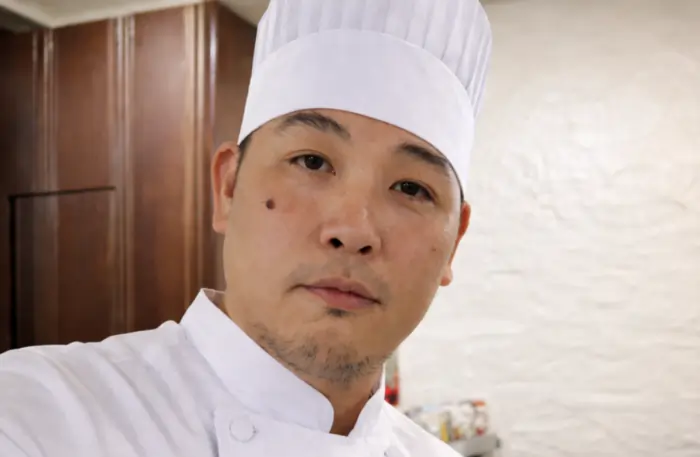
Chef Juan Gadi brings the heart of Filipino hospitality to Ubud, Bali. As an Executive Chef and consultant, he specializes in creating intimate, curated dining experiences that tell a story through every dish. Whether leading the kitchen at Kilig Filipino Warung or hosting a private villa dinner, Chef Juan’s approach is defined by warmth, modern technique, and a commitment to culinary excellence.