

Order a Balanced Filipino Feast Key Takeaways
The secret to an authentic, worry-free Filipino dining experience is learning to Order a Balanced Filipino Feast that weaves together tart, savory, smoky, and sweet elements without overwhelming the palate.
- Every successful selection pairs a rich centerpiece like adobo or lechon with a sour soup like sinigang and a crisp vegetable dish.
- Family-style dining means you never eat alone; ordering for the table lets you sample multiple regional specialties in a single meal.
- Desserts and fresh tropical fruits are not an afterthought—they provide the cool, sweet finish that balances the savory depth of the feast.
I still remember my first gig as a private chef in Ubud, when a table of twelve first-time visitors asked me to build a complete Filipino dinner from scratch. Their only request? “Just make it balanced.” That evening, I walked them through a careful progression of kinilaw, inihaw seafood, slow-braised kare-kare, and a towering platter of fresh tropical fruits drizzled with calamansi honey. By the time we reached the halo-halo, they understood why an intentional approach to order a balanced Filipino feast transforms a meal into a narrative of heritage food.
Too many travelers arrive at a Filipino restaurant guide armed only with a list of bestsellers and leave with plates of repetitive fried pork and sweet sauces. The real art lies in structuring a meal as a culinary arc. In this guide, I will share the frameworks I use at Kilig Filipino Warung and beyond—infused with stories from my own kitchen—so that you can confidently order a balanced Filipino feast wherever you are, from a bustling fiesta in Cebu to a tucked-away eatery in Bali.
Why You Must Rethink How You Order a Balanced Filipino Feast
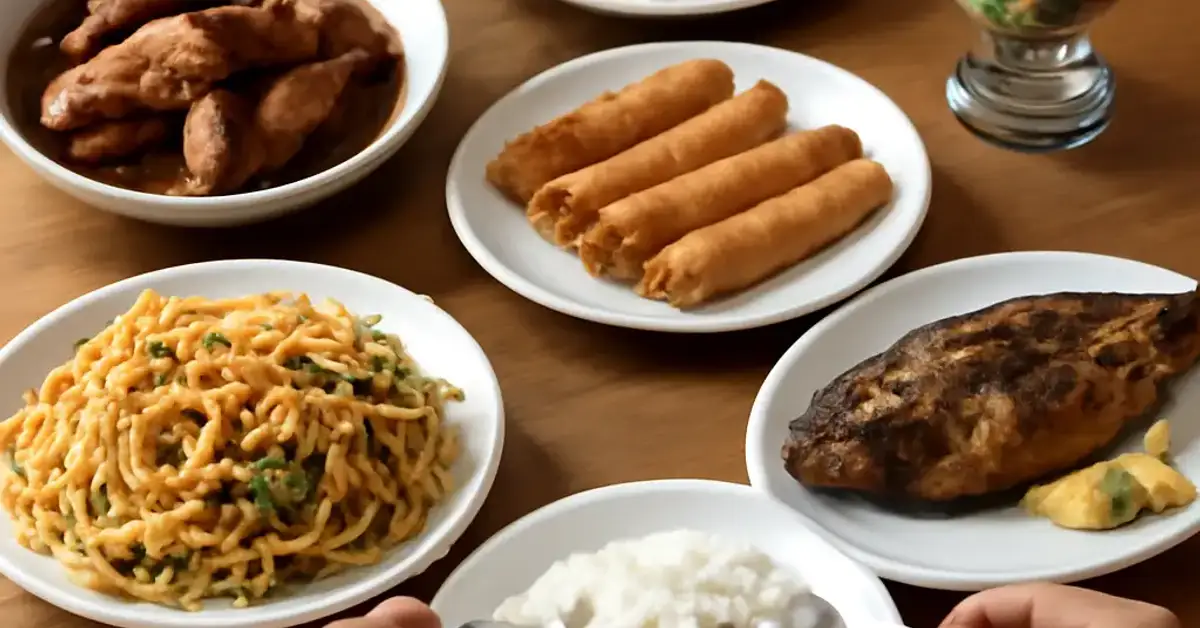
Filipino cuisine evolved as a patchwork of indigenous, Chinese, Spanish, and American influences, yet its soul remains the communal table. The concept of shared platters is non-negotiable; you rarely order à la carte for one person. Instead, you build a spread that the whole group attacks with spoon and fork. That’s why learning to order a balanced Filipino feast is less about personal preference and more about creating harmony for a collective palate.
Many first-timers think balance means equal amounts of meat and vegetables, but the principle is deeper. A well-structured meal counters richness with acidity (the sinigang principle), salt with sweetness (the role of steamed rice and kakanin), and heat with coolness (halo-halo or buko salad). When I consult for villa dinners, I always explain that true Filipino dining traditions treat the meal as a single canvas; every component is a brushstroke.
The Danger of Ordering Without a Framework
I once watched a table of food bloggers order three differently sauced pork dishes and nothing else. By the second ulam, palate fatigue had set in, and they judged the entire Filipino feast as one-note. The lesson? Without a framework, you risk missing the point of family-style dining. You need a sour broth to cut through fat, a bright ensaladang talong to introduce smokiness, and a sawsawan of spiced vinegar to lift each bite.
Beyond flavor, Filipino food guide balance also matters for digestion. The generous use of coconut milk in dishes like laing or ginataang gulay can feel heavy unless paired with something light and sharp. That’s why every traditional Filipino food meal I design includes a citrus-based element. So when you order a balanced Filipino feast, you are literally engineering an enjoyable experience that lasts from the first bite to the last spoonful of halo-halo. For a related guide, see A Guide to Ordering Filipino Food With Confidence.
Myth-Busting the 9 Risky Myths That Sabotage Your Meal
The title promised nine dangerous myths, and after years of guiding international travelers and culinary enthusiasts, I’ve catalogued the worst offenders. Let’s retire them so your next Filipino feast feels like a celebration, not a chore.
Myth 1: All Pork Dishes Are Interchangeable
Guests will sometimes order lechon, sisig, and crispy pata in one go, assuming a pig is a pig. In reality, lechon brings crackling skin and succulent flesh, sisig delivers tangy sizzle, and crispy pata offers deep-fried indulgence. Stacking them creates a mono-dimensional cholesterol bomb. A single majestic pork dish paired with a tangy soup and a vegetable makes a far more memorable Filipino meal.
Myth 2: Soup Is Just a Starter
In the Philippines, soup is often a main character. Sinigang—a tamarind-kissed broth loaded with pork, prawns, or fish—functions as a palate resetter. It should arrive alongside the heavier ulam so you can alternate bites. When I craft a feast planning menu, I always make sure the sour soup and the grilled items land on the table at the same time.
Myth 3: You Can Skip the Dipping Sauces
Sawsawan is not optional. It’s the bridge between dishes. A good table will feature at least two: spiced vinegar with chili for lechon and lumpia, and a soy-calamansi blend for inihaw meats. I’ve seen tourists ignore the little saucers and wonder why the food tastes flat. The magic of authentic Filipino food lives in those condiments.
Myth 4: Rice Is Just a Filler
Steamed rice is the neutral canvas that catches sauces and tempers salt. Ordering a Filipino feast without sufficient rice is like a symphony without strings. And if you encounter garlic rice or bagoong rice, treat them as bonus flavor layers, not substitutes.
Myth 5: Vegetables Are an Afterthought
A balanced Filipino feast demands vegetables with personality. Pinakbet delivers fermented shrimp paste depth, laing offers coconut-tinged taro leaves, and ensaladang talong brings charred aubergine brightness. These are not timid sides; they’re equal partners to the protein.
Myth 6: Seafood Must Be Grilled or Nothing
Grilled seafood like inihaw na bangus is glorious, but raw preparations like kinilaw (Filipino ceviche) deserve a spot. The vinegar cure provides the same acidity you get from sinigang, but in a cooler, more refreshing package. I love alternating kinilaw and inihaw to show two sides of the ocean.
Myth 7: You Can Ignore Regional Specialties
The food travel Philippines scene is dazzlingly diverse. Bicol express from Luzon, chicken inasal from Bacolod, and tuna kinilaw from General Santos all tell different stories. When you order a balanced Filipino feast, try to include at least one regional specialty—it’s like traveling without a plane ticket.
Myth 8: A Sweet Ending Is Unimportant
Dessert in the Philippines does more than satisfy a sugar craving. Halo-halo with its shaved ice, leche flan, and ube jam cools the body after a heavy meal. Kakanin like sapin-sapin or bibingka offers chewiness and nostalgia. Without a thoughtful finish, the feast feels truncated.
Myth 9: Drinks Are Just for Thirst
Calamansi juice, buko water, and tamarind cooler act as palate cleansers and digestive aids. A proper Filipino feast pairs beverages as carefully as wine. I always recommend a tart cooler midway through the meal to refresh the tongue.
A Step-by-Step Framework to Build Your Dream Spread
Now that we’ve cleared the myths, let’s structure the order. This framework works whether you’re hosting a family gathering, exploring a fiesta, or sitting down at a Filipino specialty restaurant. I use it every day at Kilig.
Step 1: Choose One Majestic Centerpiece
Start with a showstopper: lechon if you’re a crowd, adobo for homey depth, or a whole grilled seafood platter if you’re near the coast. This anchor dish sets the tone. When I consult for Filipino restaurant guide menus, I insist that the centerpiece be shareable and visually impressive—because eating with the eyes is part of Filipino hospitality.
Step 2: Add a Sour Broth or Raw Acidic Dish
Counterbalance fat with sinigang (tamarind soup) or kinilaw (vinegar-cured fish). A group of six might get a medium-sized bowl of sinigang na hipon plus a small plate of kinilaw na tanigue. This duo keeps every bite lively.
Step 3: Introduce a Vegetable Dish with Attitude
Rotation matters. Pick from pinakbet, laing, or ensaladang talong. I’ve seen skeptical travelers fall in love with pinakbet once they taste the bagoong meld. These filipino side dishes aren’t afterthoughts; they’re conversation starters.
Step 4: Include a Noodle Dish for Long Life (and Joy)
Pancit—whether canton or bihon—symbolizes longevity, but practically it stretches the meal and adds a different carb texture. Pancit also soaks up sauces next to steamed rice. At family gatherings, a mountain of pancit always appears.
Step 5: Fried Partners—Lumpia or Something Crispy
Crunch is crucial. Lumpia shanghai provides golden, dippable bites that please children and adults alike. If lumpia isn’t available, crispy pata or fried chicken can fill the crunch gap, but I’d lean toward the spring rolls to keep variety high.
Step 6: Rice, Rice, and Maybe Garlic Rice
Order at least one cup of steamed rice per person, then a little extra. I often suggest plain rice as the base, with a small side of garlic rice for those who want extra aroma. This ensures the neutral canvas stays available.
Step 7: Desserts and Fruits That Refresh
Climax with halo-halo or a sampler of kakanin. Add a platter of fresh tropical fruits—pineapple, mango, watermelon—sprinkled with salt. The cool sweetness cleanses the palate and signals a gentle end. This is where Filipino desserts truly shine.
Real-Life Plate: A Balanced Feast in Action
To make this tangible, here is a sample six-person order I recently designed for a group of Australian food bloggers at a local cuisine event in Ubud. The table looked chaotic but tasted like home.
| Course | Dish | Role in Balance |
|---|---|---|
| Centerpiece | Lechon belly roll | Rich, crispy, celebratory anchor |
| Sour / Acid | Sinigang na sugpo | Bright tamarind broth cuts fat |
| Vegetable | Pinakbet with bagoong | Deep umami and fiber |
| Noodle | Pancit canton | Savory, citrus-spiked carb layer |
| Crunch | Lumpia shanghai | Golden dippable joy |
| Dessert | Halo-halo and mangoes | Icy, creamy, fruity finale |
Notice how each piece plays off the others. The lechon never feels heavy because the sinigang and ensaladang talong (optional but recommended) are present. The pancit adds length to the meal, and the lumpia keeps hands busy. Finally, halo-halo erases any lingering richness.
Pairing Drinks and Tropical Fruits for a Complete Experience
When we talk Filipino food guide, beverages rarely get enough credit. A tall glass of calamansi juice or young coconut water acts as a gentle palate cleanser between ulam. If you’re exploring food travel Philippines in a beach town, fresh buko served right in the shell is the most honest drink you’ll ever have. For those who enjoy a tipple, a light San Miguel beer or lambanog cocktail pairs beautifully with inihaw and sisig.
Tropical fruits should arrive both during and after the meal. Green mango with bagoong offers a salty-sour jab, while ripe carabao mango slices provide silky sweetness. I’ve seen desserts like leche flan gain an extra dimension when eaten alongside a slice of pineapple. So when you order a balanced Filipino feast, don’t forget to include drink and fruit courses in your mental checklist. For a related guide, see How to Pair Filipino Food With Tropical Fruits.
Useful Resources
To deepen your understanding of Philippine cuisine and discover more traditional recipes, explore the official tourism database and respected food archives.
- Philippines Department of Tourism – Eat and Drink – A curated overview of Filipino specialties and regional food experiences.
- TasteAtlas: Traditional Food of the Philippines – An encyclopedia of heritage food, ingredients, and regional dishes.
Frequently Asked Questions About Order a Balanced Filipino Feast
What is a balanced Filipino feast ?
A balanced Filipino feast is a family-style meal that intentionally combines a rich centerpiece (like adobo or lechon), a sour soup or acidic dish (sinigang or kinilaw), a vegetable component (pinakbet or laing), a noodle or carb variation (pancit), a crispy element (lumpia), and a refreshing dessert and fruit course. This structure ensures no single flavor dominates and honors the true rhythm of Filipino dining traditions.
How do you order a balanced Filipino feast ?
Begin with a showstopping main, then add a tamarind-based soup, a bagoong-kissed vegetable dish, a noodle plate, and a fried appetizer. Multiply steamed rice by the number of guests plus one cup, and always request at least two sawsawan options. Finish with halo-halo or a platter of fresh tropical fruits. A seven-step framework, detailed above, helps you order a balanced Filipino feast without stress.
What dishes should be included in a traditional Filipino meal?
A complete traditional Filipino food spread typically features adobo, sinigang, steamed rice, a vegetable dish like pinakbet, a fried item such as lumpia, and a sweet finale like kakanin or halo-halo. Depending on the region, you might find kinilaw, inihaw seafood, or kare-kare taking center stage.
How many main dishes should be ordered for a group?
For a group of four, plan on two to three substantial ulam plus soup and a noodle dish. For six to eight people, add one more protein and an extra vegetable. Always order a little extra steamed rice and at least one shared dessert. The goal is variety, not waste, and shared platters make sampling easy.
How can travelers balance meat, seafood, vegetables, and desserts in one meal?
Use the 1-1-1-1 rule taught at Kilig: one meat-centric dish, one seafood or raw item, one vegetable, and one dessert-fruit combo. Add sawsawan and rice to bridge everything. This ensures when you order a balanced Filipino feast, every diner experiences the full spectrum of Filipino cuisine without feeling overwhelmed.
What are the best Filipino side dishes to complement popular entrées?
Ensaladang talong pairs beautifully with grilled pork, while laing complements fried fish. Pinakbet with bagoong stands up to lechon, and pickled papaya (atchara) brightens sisig. These Filipino side dishes actively balance the salt, fat, and acid in the main ulam.
What drinks and tropical fruits pair well with a Filipino feast ?
Calamansi juice, buko water, and tamarind cooler excel as palate cleansers. For fruits, green mango with bagoong, ripe carabao mango, and pineapple slices work wonders. I always serve a chilled fresh coconut alongside halo-halo to extend the cooling sensation. These pairings embody the soul of Filipino hospitality.
How can first-time visitors order confidently at a Filipino restaurant?
Walk in with a mental checklist: one soup, one shared protein, one vegetable, one noodle, one crispy item, and dessert. Start by asking your server, “What is your best sinigang today?” and “May I have sawsawan on the side?” The request instantly signals you understand Filipino dining traditions and helps you order a balanced Filipino feast like a local.
What are the most popular dishes for family-style dining in the Philippines?
Lechon, kare-kare, pancit, and lumpia reign supreme during family gatherings and fiestas. Adobo is the daily comfort hero, while sinigang appears at almost every home table. These dishes are designed for shared platters, reinforcing the core of Filipino food culture. For a related guide, see 11 Filipino Comfort Foods Every Traveler Should Discover.
How can a balanced Filipino feast provide an authentic taste of Filipino culture, hospitality, and regional flavors?
Because a balanced spread mirrors the Filipino way of life—generosity, contrast, and inclusivity. By including regional specialties like Bicol express or chicken inasal alongside national classics, you experience how geography shapes taste. Filipino hospitality shines when the table overflows with variety, ensuring no guest leaves hungry.
Why is sawsawan so important in Filipino dining?
Sawsawan allows each diner to customize every bite, adding acid, salt, or spice on demand. It transforms a simple grilled fish into a personalized experience and ties together disparate ulam. Without it, the meal loses a layer of interactivity that defines Filipino dining traditions.
Can vegetarian travelers enjoy a balanced Filipino feast ?
Absolutely. Focus on pinakbet, laing, ensaladang talong, garlic rice, and kakanin. Many dishes can be adapted, and the sour soup can be made with vegetables. A vegetable-heavy traditional Filipino food experience still carries the spirit of balance if you include the same sour, savory, sweet progression.
What is kinilaw, and how does it fit into the feast?
Kinilaw is raw fish cured in vinegar and citrus, spiked with ginger and chili. It serves as the acidic counterpart to richer grilled or fried dishes, refreshing the palate much like ceviche. Including kinilaw is a masterstroke when you order a balanced Filipino feast.
Why is lechon often the centerpiece of celebrations?
Beyond its crackling skin and tender meat, lechon symbolizes abundance and Filipino hospitality. Its presence at fiestas and major family gatherings signals that the occasion is special. Pair it with spiced vinegar sawsawan and you have a dish worthy of its pedestal.
How do regional specialties enhance the feast?
Each region of the Philippines adds distinct flavor signatures—coconut-rich Bicol dishes, sour Ilocano vegetables, or smoky Bacolod chicken inasal. Including a regional specialty introduces storytelling to the table and lets travelers taste the heritage food of a specific place without leaving their seat.
Is halo-halo the only Filipino dessert I should try?
While halo-halo is iconic, kakanin like bibingka, puto, and sapin-sapin offer chewy, coconutty contrasts. Leche flan provides caramelized silkiness. A well-rounded Filipino desserts selection might include a few small bites alongside shaved ice to showcase the diversity of Filipino cuisine.
What role does steamed rice play in achieving balance?
Steamed rice is the neutralizer that absorbs strong sauces and tempers saltiness. It allows you to move from a spicy Bicol express to a sweet and savory adobo without flavor clash. Never underestimate its role when you order a balanced Filipino feast.
How do I avoid over-ordering while still enjoying variety?
Start with small or medium portions of each category, and rely on shared platters to distribute flavors. Order one less ulam than you think you need and fill the gaps with a robust vegetable side and a noodle dish. You can always add a plate of lumpia if the group is still hungry.
Can a balanced feast be enjoyed at a street food level?
Certainly. Even at a hawker setup, grab a skewer of inihaw pork, a cup of sinigang, and a ensaladang talong from a neighboring stall, then finish with a scoop of halo-halo. The same principles apply—sour, savory, vegetable, sweet—even if you’re eating off banana leaves.
What single tip would Chef Juan Gadi give a first-timer?
Always, always ask for the sawsawan tray. It’s the quickest way to lift every dish and instantly feel at home. Once you taste lechon dipped in spiced sukang Iloko, you’ll understand why Filipino food culture never separates flavor from the art of sharing.

Chef Juan Gadi brings the heart of Filipino hospitality to Ubud, Bali. As an Executive Chef and consultant, he specializes in creating intimate, curated dining experiences that tell a story through every dish. Whether leading the kitchen at Kilig Filipino Warung or hosting a private villa dinner, Chef Juan’s approach is defined by warmth, modern technique, and a commitment to culinary excellence.




