Why Every Filipino Meal Includes Multiple Flavor Contrasts Key Takeaways
Filipino cuisine is a masterclass in layering tastes, and understanding why every Filipino meal includes multiple flavor contrasts is the first step to truly appreciating this vibrant food culture.
- Why every Filipino meal includes multiple flavor contrasts stems from the archipelago’s history of trade, indigenous ingredients, and a cultural preference for balanced yet bold taste sensations.
- Key ingredients like vinegar , fish sauce , tamarind , and bagoong create the foundation of iconic dishes such as adobo and sinigang .
- Sawsawan dipping sauces and ulam pairings empower diners to personalize each bite, reinforcing the communal, interactive nature of Filipino dining .
The Cultural and Culinary Basis of Flavor Contrasts in Filipino Meals
The signature of Filipino cuisine lies in its refusal to serve a one-note plate. Walk into any home, carinderia, or fine dining restaurant in the Philippines, and you’ll find a table where sour soup sits next to salty fried fish, sweet cured meat, and a tiny saucer of spicy vinegar. This isn’t accidental—it’s a philosophy that answers exactly why every Filipino meal includes multiple flavor contrasts. Influenced by Malay, Chinese, Spanish, and American cuisines, Filipino cooking evolved to embrace contrasts as a form of generosity. As Chef Juan Gadi, Executive Chef of Kilig Filipino Warung in Ubud, Bali, often tells his guests: “A Filipino meal must wake up every part of your tongue. We cook with the belief that eating is a conversation between flavors.” For a related guide, see 7 Signature Ingredients Behind Filipino Cuisine in Bali.
What Makes Filipino Meals Unique Compared to Other Southeast Asian Cuisines
While neighboring countries spotlight a dominant flavor profile—say, the heat in Thai food or the fermented depths of Korean cuisine—Filipino food culture refuses to be pigeonholed. A single dish can carry sweet, sour, and salty notes simultaneously, and when you combine that dish with rice and a dipping sauce, the complexity multiplies. This layered approach turns every meal into a custom experience, perfectly matching the Filipino value of family-style dining where sharing and mixing is encouraged. For a related guide, see 9 Ways Filipino Cuisine Connects People Across Cultures – Essential Insights.
The Signature Ingredients That Build Layers of Taste
To truly grasp the artistry behind Filipino cooking, you must first understand the pantry essentials that deliver these unmistakable contrasts. Each ingredient is a tool in the flavor-balancing toolkit.
| Ingredient | Flavor Profile | Dish Examples |
|---|---|---|
| Calamansi | Bright, citrusy sour | Pancit, grilled meats, sawsawan |
| Vinegar (suka) | Sharp, fermented sour | Adobo, paksiw, kinilaw |
| Soy sauce (toyo) | Deep savory (umami), salty | Adobo, sisig, stir-fries |
| Fish sauce (patis) | Pungent salty, umami | Soups, dipping sauces, sinigang |
| Tamarind (sampalok) | Tangy sour | Sinigang, candies, broths |
| Coconut milk (gata) | Rich, sweet, creamy | Kare-kare, Bicol Express, ginataang dishes |
| Bagoong | Intensely salty, funky | Kare-kare, green mango, fried fish |
| Chili (sili) | Spicy heat | Spiced vinegar, Bicol Express, sisig |
| Bitter melon (ampalaya) | Clean, bitter | Pinakbet, ensaladang ampalaya |
| Tropical fruits | Sweet, sometimes sour | Fresh desserts, sweet and sour sauces, ensalada |
How Do Sweet, Sour, Salty, Bitter, and Umami Work Together in Filipino Cuisine?
The magic happens because Filipino chefs treat these tastes as complementary forces rather than competing ones. Take sinigang, a sour tamarind broth: its lip-puckering quality is tempered by the natural sweetness of pork or shrimp and the deep saltiness of fish sauce. When you add bitter melon leaves or green mango, the bitter edge elevates the soup from simply “sour” to refreshingly complex. Every spoonful delivers a cycle of sensations that keeps you coming back. This interplay is a direct answer to why Filipino meals are so memorably layered.
Why Dipping Sauces and Condiments Are Non-Negotiable
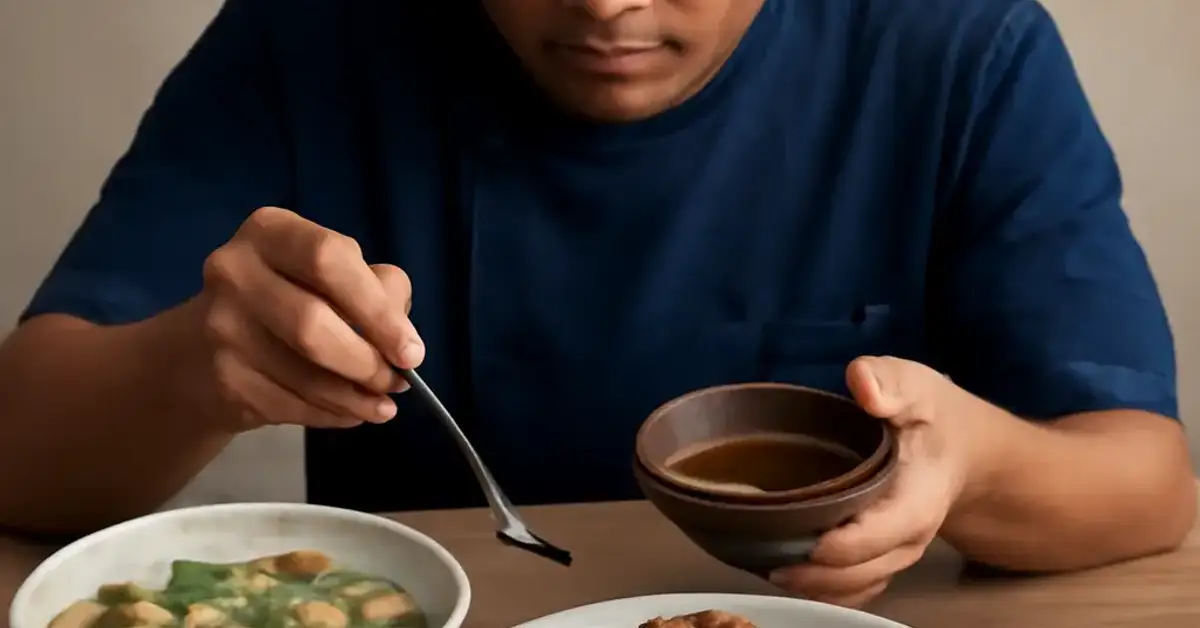
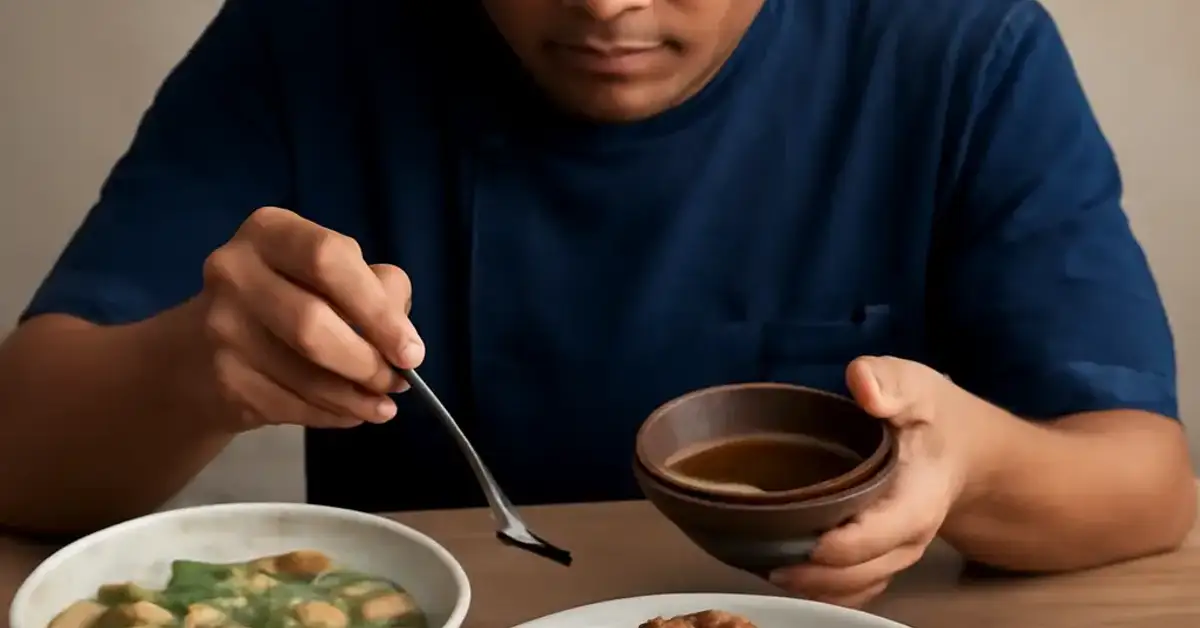
No Filipino table is complete without at least one sawsawan—a side dipping sauce that lets each diner fine-tune the balance. A simple grilled fish can be transformed by a mix of calamansi, soy sauce, and chili, while lechon finds its soulmate in a liver-based sauce or spiced vinegar. This DIY element is central to Filipino hospitality: the meal is prepared with care, but the final flavor decision belongs to the eater.
Why Are Dipping Sauces Important in Filipino Dining?
Sawsawan isn’t just a condiment—it’s a cultural bridge. When a host offers multiple sauces, they invite guests to participate actively, creating a more personal connection to the food. This practice also highlights why every Filipino meal includes multiple flavor contrasts; the sauces add extra layers that can turn a simple ulam into a highly customized taste experience.
Traditional Dishes That Perfectly Showcase Flavor Contrasts
Some recipes have become global ambassadors of Filipino flavor layering. Understanding these classics helps you appreciate the complexity that defines authentic Filipino cuisine.
Adobo: The Sweet-Salty-Sour Trinity
Adobo, often considered the national dish, is built on vinegar, soy sauce, garlic, and black pepper. Simmered until the meat absorbs all the tangy, savory, slightly sweet sauce, it demonstrates how three basic tastes can create boundless depth. Each family and region adds its own twist—some use coconut milk for a creamier finish, others increase the vinegar for extra sharpness.
Sinigang: A Sour Masterwork
When discussing Filipino comfort food, sinigang always tops the list. The tamarind broth forms a sour base that is then enriched by vegetables like water spinach, radish, and okra, plus a protein source. The result is a bright, restorative soup that invites you to adjust sourness with extra fish sauce and balance it with steamed rice.
Kare-Kare and Bagoong: Salty Meets Peanut Creaminess
Kare-kare is an oxtail stew thickened with ground peanuts and toasted rice, creating a mild, nutty profile. The dish comes alive when paired with bagoong—fermented shrimp paste—which injects a bold, salty punch. This contrast is so integral that serving kare-kare without bagoong is almost unthinkable.
Lechon: Crispy, Fatty, and Often Paired with Sour/Sweet Dips
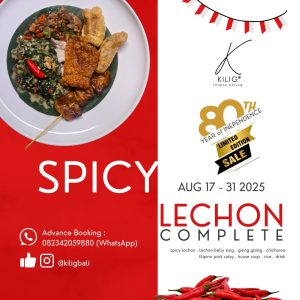
Lechon, the iconic roasted pig, relies heavily on dipping sauces or a classic sweet and sour sauce to cut through the richness. The crackling skin and juicy meat find perfect counterpoints in spiced vinegar or Mang Tomas liver sauce.
How Regional Influences Shape Flavor Combinations Across the Philippines
The archipelago’s 7,600-plus islands have spawned regional specialties that add further nuance to the flavor contrasts. In Bicol, coconut milk and chili dominate, producing fiery, creamy dishes like Bicol Express. In Pampanga, the culinary capital, richer, more elaborate recipes like sisig—a sizzling plate of chopped pig face, onions, and calamansi—showcase a salty-tangy-spicy trio. The Ilocos region highlights bitter and salty with pinakbet, a vegetable medley featuring bitter melon and bagoong. These variations prove that local ingredients and culinary traditions directly influence how each province balances taste.
What Can First-Time Visitors Expect from Authentic Filipino Meals?
For travelers, a Filipino table can be an overwhelming yet delightful sensory explosion. Expect multiple dishes arriving at once—soups, fried items, grilled items, and always rice. The aroma of garlic, vinegar, and tropical fruits fills the air. Servers will likely offer you a selection of dipping sauces, and your host will encourage you to try a little of everything. Be prepared for the unexpected: that clear soup might be intensely sour, the savory stew might have a subtle sweetness, and the simple piece of fish might be dunked in funky bagoong. It’s a journey into heritage food that rewards adventurous palates.
How Flavor Contrasts Reflect Filipino Culture and Culinary Heritage
Food never exists in a vacuum. The integrated contrasts in Philippine food traditions mirror a society that embraces complexity—historical influences from traders, colonizers, and neighboring countries are all welcomed and synthesized. The playful, generous nature of Filipino dining underscores a culture that values harmony, community, and resourcefulness. By balancing tastes so meticulously, Filipino cooks demonstrate the same adaptability and resilience that define the nation itself. Chef Juan Gadi notes, “When I serve a dish that balances sour, salty, and sweet, I’m telling a story of our ancestors who learned to maximize every available ingredient.”
7 Expert Secrets for Creating Perfect Filipino Flavor Contrasts
Drawing from Chef Juan Gadi’s kitchen philosophy, these actionable tips will help you master the art of Filipino balance at home.
1. Build a Sour Backbone First
Start your dish with vinegar, tamarind, or calamansi as a foundation. Sourness brightens all the other flavors and prevents richness from becoming cloying.
2. Embrace Fermented Salinity
Incorporate fish sauce, bagoong, or soy sauce early to develop umami depth. These ingredients are not just salt—they are complex flavor layers.
3. Sweetness Is a Bridge, Not a Goal
Filipino cooks use sugar, sweet fruits, or coconut milk to round off harsh edges, not to dominate. Aim for gentle balance rather than overt sweetness.
4. Don’t Fear Bitterness
Add small amounts of bitter melon, radish leaves, or charred elements. A hint of bitter keeps the dish interesting and prevents palate fatigue.
5. Let Diners Customize with Sawsawan
Always offer at least two dipping sauces—spiced vinegar plus a soy sauce–calamansi–chili mix. This puts the final flavor control in the eater’s hands.
6. Master the Adobo Ratio
Experiment with the classic 1:1:1 ratio of vinegar, soy sauce, and water as a base, then adjust with garlic, pepper, and a touch of sugar. This is the gateway to understanding Filipino savory-sour-sweet harmony.
7. Pair Dishes as a Complete Meal
Plan your menu so contrasting dishes appear together: a sour soup (sinigang) beside a salty, crispy fried fish, with a sweet and sour dipping sauce. This table-level layering is the essence of traditional Filipino dishes.
Useful Resources
For deeper exploration of Filipino culinary heritage and flavor science, consult these trusted sources:
- BBC Travel’s exploration of Filipino flavor bombs – an insightful look at why Filipino dishes are described as the ultimate taste explosion.
- TasteAtlas guide to Philippine cuisine – a comprehensive directory of traditional recipes, ingredients, and regional specialties.
Frequently Asked Questions About Why Every Filipino Meal Includes Multiple Flavor Contrasts
What makes Filipino meals unique?
Filipino meals stand out because they intentionally combine multiple tastes—sweet, sour, salty, bitter, and umami—in a single course, creating a dynamic, layered experience that reflects the country’s diverse cultural influences and communal eating traditions.
Why do Filipino meals include multiple flavor contrasts?
The practice stems from the availability of local ingredients like calamansi, vinegar, and tamarind, centuries of trade that introduced soy sauce and spices, and a cultural philosophy that values balance, generosity, and the idea that every bite should be exciting.
How do sweet, sour, salty, bitter, and umami flavors work together in Filipino cuisine ?
These tastes are used as complementary building blocks. For example, the sourness of sinigang is offset by meaty umami and a touch of sweetness from vegetables, while bitterness from bitter melon cuts through oily richness, creating a refreshing cycle of sensations.
What ingredients create the signature taste of Filipino dishes?
Foundational ingredients include calamansi, fish sauce, vinegar, soy sauce, coconut milk, tamarind, bagoong, and chili. Together they build the distinctive savory, sour, and occasionally spicy notes that define authentic Filipino cuisine.
Why are dipping sauces important in Filipino dining?
Sawsawan dipping sauces give diners control over the final taste of their food. They enhance the interactive, communal nature of family-style dining and allow each person to adjust the level of sour, salty, or spicy notes to their liking.
Which traditional Filipino dishes best showcase contrasting flavors?
Iconic examples include adobo (sour-salty-sweet), sinigang (sour and umami), kare-kare with bagoong (creamy vs. salty), sisig (tangy, salty, spicy), and lechon paired with sour dipping sauces.
How do regional cooking styles influence flavor combinations across the Philippines?
Each region highlights different ingredients: Bicol uses coconut milk and chili for creamy heat, Ilocos features bitter melon and bagoong for bold, savory bitterness, while Pampanga is known for rich, multi-layered creations like sisig.
What can first-time visitors expect from authentic Filipino meals?
Visitors will encounter multiple dishes served together, with rice at the center. Expect bold sour soups, savory stews, crispy fried items, and a variety of dipping sauces. The experience is communal, generous, and intensely flavorful.
How do flavor contrasts reflect Filipino culture and culinary heritage?
The balance of tastes mirrors the Philippines’ history of adapting foreign influences and its value of harmony within diversity. The practice of offering contrasting flavors also echoes the Filipino spirit of warmth and shared joy in eating.
Why is balancing different tastes considered one of the defining characteristics of Filipino cuisine ?
Because it transforms everyday meals into multi-sensory events. A perfectly balanced dish shows the cook’s skill and understanding of ingredients, and it ensures that no single taste overpowers the others—a hallmark of refined Filipino cooking.
What is sawsawan and why is it essential?
Sawsawan refers to any dipping sauce or condiment served alongside Filipino meals. It’s essential because it allows diners to personalize the flavor balance, adding sourness, saltiness, or spiciness to suit individual preferences.
What is adobo and how does its flavor profile work?
Adobo is a stew of meat braised in vinegar, soy sauce, garlic, and pepper. Its magic comes from the interplay of sharp sourness, deep saltiness, and a hint of sweetness that caramelizes during cooking, making it richly satisfying.
What makes sinigang so sour and why is it beloved?
Sinigang gets its signature tang from tamarind (sometimes green mango or calamansi). Filipinos love it because the bracing sourness is incredibly comforting, especially when balanced with savory broth and fluffy rice.
How does bagoong contribute to flavor contrasts?
Bagoong, a fermented shrimp or fish paste, packs an intense salty-umami punch. It is used to counter mild, creamy dishes like kare-kare, turning a simple stew into a bold flavor experience.
How does calamansi differ from other citrus fruits?
Calamansi is small, round, and boasts a unique tartness that is less acidic than lemon but more fragrant. It adds a clean, bright sour note that doesn’t overwhelm, making it a perfect balancer for savory, salty, and sweet dishes.
Why is coconut milk used in Filipino savory dishes?
Coconut milk adds natural sweetness and creamy richness that soothes spicy or sour components. It’s a staple in dishes like kare-kare and Bicol Express, helping to round out aggressive flavors and create a more cohesive mouthfeel.
What is the concept of ulam and how does it relate to flavor balance?
Ulam is the main dish meant to be eaten with rice. A well-composed Filipino meal pairs an ulam that is salty-sour, like adobo, with plain rice; the rice neutralizes and unifies the bold flavors, making each mouthful harmoniously balanced. For a related guide, see Filipino Cuisine Winning Hearts of Bali Travelers: 7 Dishes You Must Try.
How do tropical fruits complement savory Filipino food?
Fruits like green mango provide sour-crunch, while ripe mango or pineapple add a sweet and sour element to salads or as a side. They act as a refreshing counterpoint to rich, fried, or salty dishes, enhancing the overall tasting experience.
How does family-style dining enhance the experience of flavor contrasts?
Serving multiple dishes together on a table allows diners to mix and match, creating custom mouthfuls that play with different contrasts. This communal approach turns eating into an interactive exploration of the cook’s flavor layering.
What are some common Filipino comfort foods that rely on flavor contrasts?
Classic comfort foods include sisig (tangy-salty-spicy), champorado with tuyo (sweet chocolate porridge with salty dried fish), and sinigang (sour soup). All thrive on pushing opposites to create deeply satisfying bites.
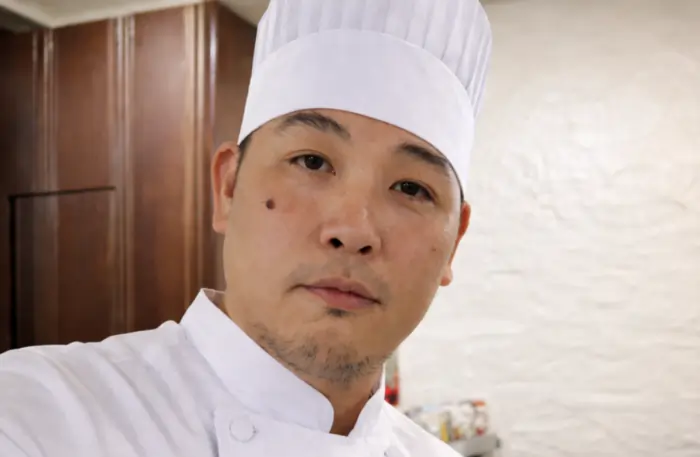
Chef Juan Gadi brings the heart of Filipino hospitality to Ubud, Bali. As an Executive Chef and consultant, he specializes in creating intimate, curated dining experiences that tell a story through every dish. Whether leading the kitchen at Kilig Filipino Warung or hosting a private villa dinner, Chef Juan’s approach is defined by warmth, modern technique, and a commitment to culinary excellence.