Filipino Desserts Every Sweet Tooth Should Experience Key Takeaways
The Philippines boasts one of Southeast Asia’s most vibrant dessert traditions, blending tropical ingredients, Spanish colonial influences, and indigenous rice-based creations.
- Filipino Desserts Every Sweet Tooth Should Experience includes halo-halo , leche flan , ube halaya, bibingka , puto , cassava cake , buko pandan, and turon.
- Many best Filipino sweets are naturally gluten-free, using rice flour and coconut milk.
- Traditional Filipino desserts are deeply tied to celebrations, family gatherings, and local market culture.
What Makes Filipino Desserts Every Sweet Tooth Should Experience So Special
Walk through any Philippine market at dawn, and the air carries the scent of burnt coconut, steamed rice, and ripening mangoes. As an Executive Chef who brings Filipino hospitality to Ubud, Bali, I have watched travelers fall in love with these sweets time and again. Filipino desserts are not just afterthoughts—they are celebrations of resourcefulness, family tradition, and the tropical bounty of the islands. For a related guide, see How Seasonal Ingredients Shape Filipino Menus in Bali.
What sets authentic Filipino desserts apart is the interplay of textures: creamy, chewy, crunchy, and icy all in one bite. Many Filipino delicacies rely on coconut desserts and sticky rice cakes, while others showcase the vibrant purple hue of ube. For anyone searching for the best Filipino sweets, these eight are the essential starting point. For a related guide, see Understanding the Role of Texture in Filipino Cuisine.
1. Halo-Halo: The King of Filipino Desserts
Halo-halo is the undisputed champion of Filipino desserts. Its name means “mix-mix” in Tagalog, and that is exactly what you do—spoon through layers of shaved ice, sweetened beans, coconut strips, jelly, and leche flan, all drizzled with evaporated milk and topped with a scoop of ube ice cream.
This shaved ice dessert is famously refreshing under the tropical sun. Every spoonful offers a different combination, making it endlessly exciting. For a first-time diner, halo-halo is the answer to “What dessert should I try first if I’m new to Filipino cuisine?” because it captures the playful spirit of Pinoy desserts.
Chef Juan’s Tip for the Perfect Halo-Halo
At Kilig Filipino Warung, we layer ingredients in a specific order: beans and chewy tapioca at the bottom, then shaved ice, then the creamy toppings. This ensures every bite has both texture and sweetness. Use high-quality ube halaya for the ice cream base—it makes all the difference.
2. Leche Flan: A Silky Filipino Dessert Staple
Leche flan is arguably the most beloved Filipino dessert for its simplicity and elegance. A rich, steamed custard made with egg yolks, condensed milk, and evaporated milk, it is crowned with a caramel syrup that pools around the plate when inverted.
Many ask, “Is leche flan similar to crème caramel?” Yes, but the Filipino version is denser and sweeter, using more egg yolks for that signature velvety texture. It appears at every birthday, fiesta, and Christmas table. For home bakers, leche flan is one of the easiest Filipino desserts to make at home—requiring only five ingredients and a steamer.
How to Achieve Silky Leche Flan
Strain the custard mixture through a fine sieve before steaming. This removes any cooked egg bits and ensures a mirror-smooth surface. Steam on low heat, covered with a cloth, to prevent water droplets from scarring the top.
3. Ube Halaya and Ube Cake: The Purple Obsession
Ube halaya—a thick, sweet purple yam jam—is the heart of many ube desserts. It is made by mashing boiled purple yam with butter, condensed milk, and coconut milk, then cooking until glossy. Spread it on toast, swirl it into ice cream, or layer it in a cake.
Ube cake, with its striking violet crumb, has become a global sensation. Yet the most authentic Filipino desserts start with real ube, not artificial coloring. The earthy, vanilla-like flavor is unmistakable. These ube desserts are also naturally gluten-free, making them ideal for special diets.
4. Bibingka: A Festival of Filipino Kakanin
Bibingka is a soft, spongy rice cake traditionally cooked in clay pots lined with banana leaves. It is brushed with butter, sprinkled with sugar and grated coconut, and often topped with salted egg and cheese for a sweet-savory contrast.
This traditional Filipino dessert is especially popular during the Christmas season, when families gather after dawn mass to enjoy it with hot chocolate or salabat (ginger tea). The banana leaf imparts a subtle, smoky aroma that no modern oven can fully replicate. For anyone exploring Filipino kakanin, bibingka is a must-try.
5. Puto: The Versatile Pinoy Desserts Staple
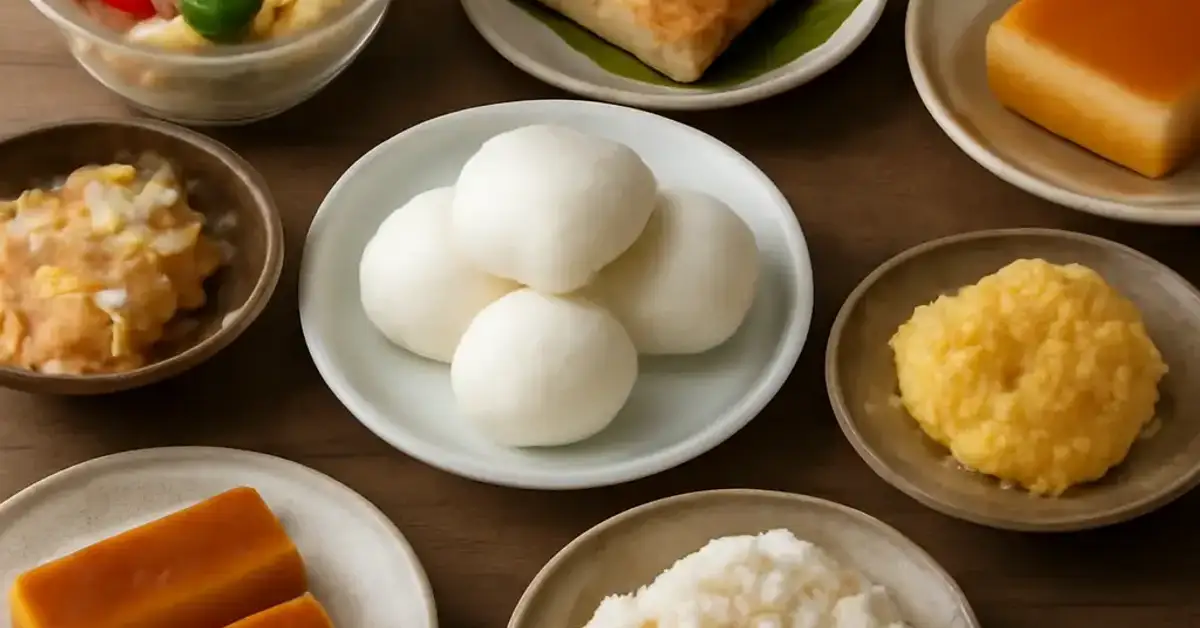
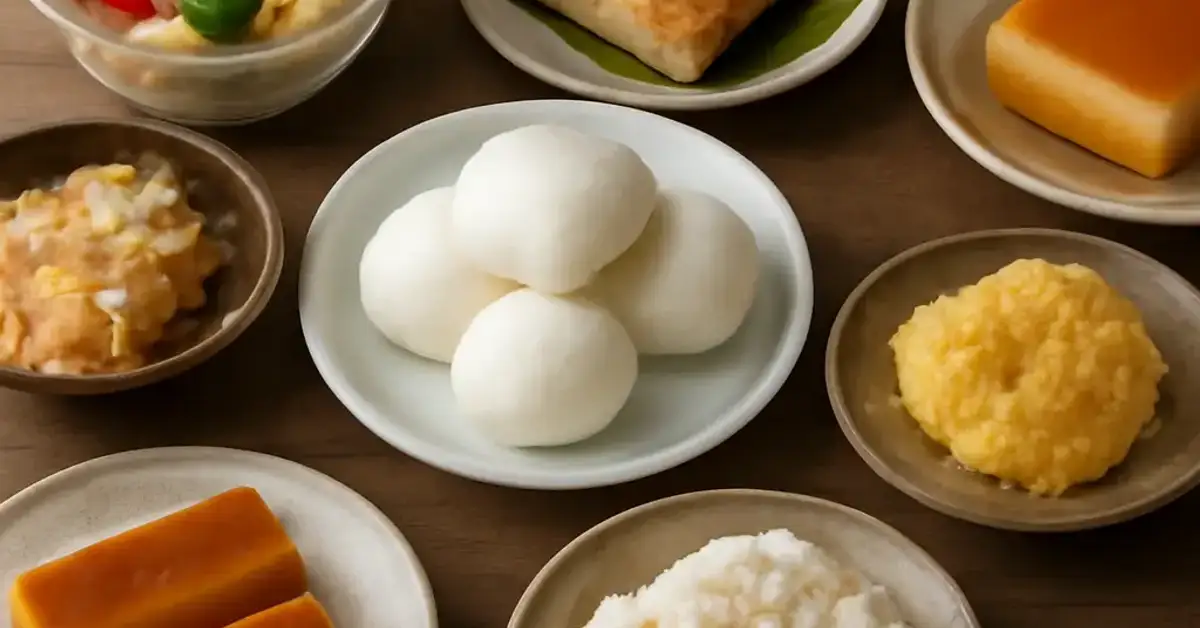
Puto refers to steamed rice cakes that range from bite-sized pillows to larger, fluffy rounds. They are made from fermented rice batter or rice flour, sweetened lightly, and often topped with cheese or salted egg. Some versions incorporate ube, pandan, or even chocolate.
These rice cakes are the unsung heroes of Filipino snacks—they pair beautifully with savory dishes like dinuguan (pork blood stew) or adobo. For vegetarian and gluten-free eaters, puto is a safe and satisfying choice. It also freezes well, making it one of the more practical authentic Filipino desserts to keep on hand.
6. Cassava Cake: A Rich Filipino Delicacy
Cassava cake is made from grated cassava (yuca) mixed with coconut milk, condensed milk, and eggs, then baked until golden and slightly chewy on top. The beauty of this Filipino delicacy lies in its simplicity: cassava grows abundantly in the Philippines, and the recipe transforms a humble root into a decadent treat.
The top is often brushed with a coconut cream mixture and broiled to create a caramelized crust. Cassava cake is a favorite at afternoon merienda (snack time) and travels well, making it a popular pasalubong (souvenir). For those wondering about Filipino desserts that are gluten-free, cassava cake is a perfect answer.
7. Buko Pandan: A Cool, Creamy Filipino Dessert
Buko pandan is a no-bake dessert that combines young coconut strips, pandan-flavored jelly, and a creamy dressing made from condensed milk and all-purpose cream. It is served chilled, often in tall glasses or on a platter for fiestas.
The pandan leaf gives the dessert a fragrant, grassy-sweet aroma that is unmistakably Southeast Asian. This coconut dessert is light, refreshing, and very easy to assemble—no oven required. It is one of those best Filipino sweets that appeals to all ages and is always a hit at potlucks.
8. Turon and Banana Cue: The Quintessential Filipino Snacks
Turon—deep-fried spring rolls filled with ripe saba bananas and jackfruit, then coated in caramelized brown sugar—is the ultimate street food dessert. Banana cue, skewered saba bananas deep-fried in caramelized sugar, is its simpler cousin, sold by vendors on every corner.
Both are examples of traditional recipes that transform everyday ingredients into crave-worthy sweets. The sugar caramelizes into a crunchy shell that cracks when you bite into it. They are best enjoyed hot, and they encapsulate the resourcefulness of Filipino food culture—making something extraordinary from what is at hand.
How These Traditional Filipino Desserts Pair with Filipino Meals
Filipino cuisine is known for its bold savory flavors—salty, sour, and umami. Dessert serves as both a palate cleanser and a sweet finish. A light buko pandan or maja blanca (coconut pudding) balances the richness of adobo or lechon. Meanwhile, a dense sapin-sapin or kutsinta works as a standalone merienda.
When curating dining experiences at private villa dinners in Ubud, I often suggest a dessert tasting platter instead of a single sweet. This allows guests to discover the range of Filipino desserts—from the creamy leche flan to the chewy sapin-sapin—in one sitting.
Where to Find Authentic Filipino Desserts in Ubud
At Kilig Filipino Warung in Ubud, Bali, we craft authentic Filipino desserts using traditional methods and imported ingredients. Whether it is halo-halo served in a chilled bowl or bibingka fresh from the clay pot, every dish reflects the warmth of Filipino hospitality. For visitors who want to experience the best Filipino sweets without traveling to Manila, my team and I welcome you to taste the islands in every spoonful.
Useful Resources
For further reading on Filipino dessert guide and culture, check out these trusted sources:
- Pepper.ph – Comprehensive Guide to Filipino Desserts
- Kawaling Pinoy – Traditional Filipino Dessert Recipes
From the first spoonful of halo-halo to the last bite of turon, the 8 Filipino Desserts Every Sweet Tooth Should Experience offer a journey through the islands’ sweetest traditions. Whether you are a curious traveler, a home baker, or a seasoned dessert lover, these Filipino delicacies invite you to taste the warmth of Filipino hospitality. I invite you to visit Kilig Filipino Warung in Ubud, Bali, or try making one of these traditional recipes at home. Either way, your sweet tooth will thank you.
Frequently Asked Questions About Filipino Desserts Every Sweet Tooth Should Experience
What are the best Filipino desserts to try?
The best Filipino desserts include halo-halo, leche flan, ube halaya, bibingka, puto, cassava cake, buko pandan, and turon. These eight represent the diversity of Filipino desserts from icy treats to steamed rice cakes.
Which Filipino dessert is the most popular?
Halo-halo is widely considered the most popular Filipino dessert. Its colorful layers and refreshing taste make it a national icon, especially during the hot summer months.
What is halo-halo and why is it famous?
Halo-halo is a Filipino shaved ice dessert layered with sweetened beans, coconut, jellies, fruits, leche flan, and topped with ube ice cream. It is famous for its variety of textures and flavors in one cup.
Is leche flan similar to crème caramel?
Leche flan is similar to crème caramel but uses more egg yolks, giving it a denser, creamier texture. It is also sweeter, reflecting the Filipino preference for rich, indulgent sweets.
What are traditional Filipino rice cake desserts?
Traditional Filipino rice cake desserts include bibingka, puto, sapin-sapin, and kutsinta. These Filipino kakanin are made from rice flour and coconut milk, often steamed in banana leaves.
Which Filipino desserts are made with ube?
Popular ube desserts include ube halaya (purple yam jam), ube cake, ube ice cream, and ube-filled puto. Ube’s natural color and nutty flavor make it a favorite in Filipino delicacies.
What desserts are perfect for first-time diners?
For first-time diners, halo-halo and leche flan are the most approachable. Their familiar textures and sweet profiles ease newcomers into the world of authentic Filipino desserts.
Are Filipino desserts very sweet?
Yes, best Filipino sweets tend to be sweeter compared to Western desserts. Filipinos use condensed milk and brown sugar generously, which enhances the rich flavor of coconut and tropical fruits.
What are the easiest Filipino desserts to make at home?
The easiest are leche flan, buko pandan, and banana cue. They require few ingredients and simple techniques like steaming or frying, making them perfect for home bakers exploring Filipino desserts.
Which desserts are commonly served during Filipino celebrations?
During fiestas, birthdays, and Christmas, you will find leche flan, bibingka, puto, and ube halaya. These traditional Filipino desserts are passed around as symbols of abundance and hospitality.
What desserts pair well with Filipino meals?
Light desserts like buko pandan or maja blanca balance savory dishes such as adobo or sinigang. For heavier meals, halo-halo acts as a refreshing palate cleanser rich in coconut desserts and fruit.
Are there gluten-free or vegetarian Filipino desserts ?
Many Filipino desserts are naturally gluten-free, including puto, cassava cake, ube halaya, and sapin-sapin. Most are also vegetarian, made with rice flour, coconut milk, and fruits.
Where can I find authentic Filipino desserts ?
Authentic versions are found in Philippine restaurants and bakeries worldwide. In Ubud, Bali, Kilig Filipino Warung serves authentic Filipino desserts including halo-halo and bibingka made with traditional techniques.
What makes Filipino desserts unique?
Filipino desserts are unique due to their use of tropical ingredients like coconut, ube, and pandan, combined with Spanish-influenced custards. The emphasis on contrasting textures—chewy, crunchy, creamy—sets them apart from other Southeast Asian sweets.
Which Filipino desserts should every sweet tooth experience?
Every sweet tooth should try halo-halo, leche flan, bibingka, puto, cassava cake, buko pandan, turon, and ube halaya. These eight represent the heart of Pinoy desserts.
What dessert should I try first if I’m new to Filipino cuisine?
Start with halo-halo. It is the most famous Filipino dessert, offering a bit of everything—creamy, crunchy, icy, and sweet. It is the perfect gateway to the world of best Filipino sweets.
What is kutsinta?
Kutsinta is a chewy, steamed rice cake made from rice flour and brown sugar, typically topped with grated coconut. It is a classic Filipino kakanin known for its sticky, jelly-like texture.
What is sapin-sapin?
Sapin-sapin is a layered glutinous rice cake made with coconut milk, sugar, and ube. Each colorful layer represents a different flavor, making it a festive traditional Filipino dessert often served at celebrations.
What is maja blanca?
Maja blanca is a creamy coconut pudding thickened with cornstarch, often topped with toasted coconut or corn kernels. It is a simple, comforting coconut dessert enjoyed for merienda.
Are there Western-style desserts adapted in Filipino cuisine?
Yes, desserts like leche flan and fruit salad (creamed canned fruits) show Spanish and American influences. Filipino bakers also create ube cakes and pandan chiffon cakes that blend local flavors with Western techniques.
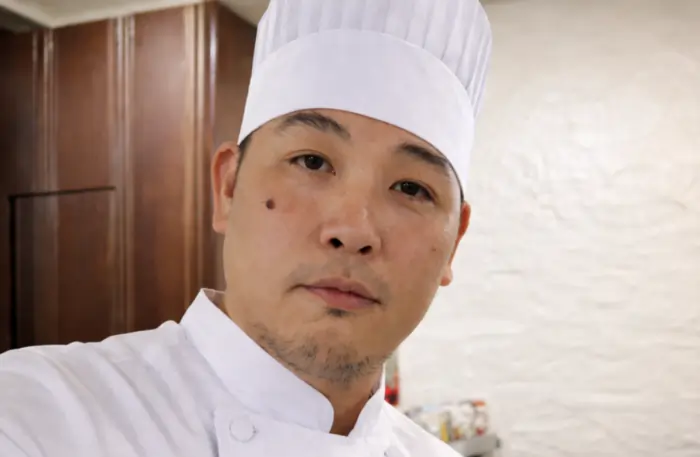
Chef Juan Gadi brings the heart of Filipino hospitality to Ubud, Bali. As an Executive Chef and consultant, he specializes in creating intimate, curated dining experiences that tell a story through every dish. Whether leading the kitchen at Kilig Filipino Warung or hosting a private villa dinner, Chef Juan’s approach is defined by warmth, modern technique, and a commitment to culinary excellence.