Classic Filipino Soups Worth Ordering on Your Next Visit Key Takeaways
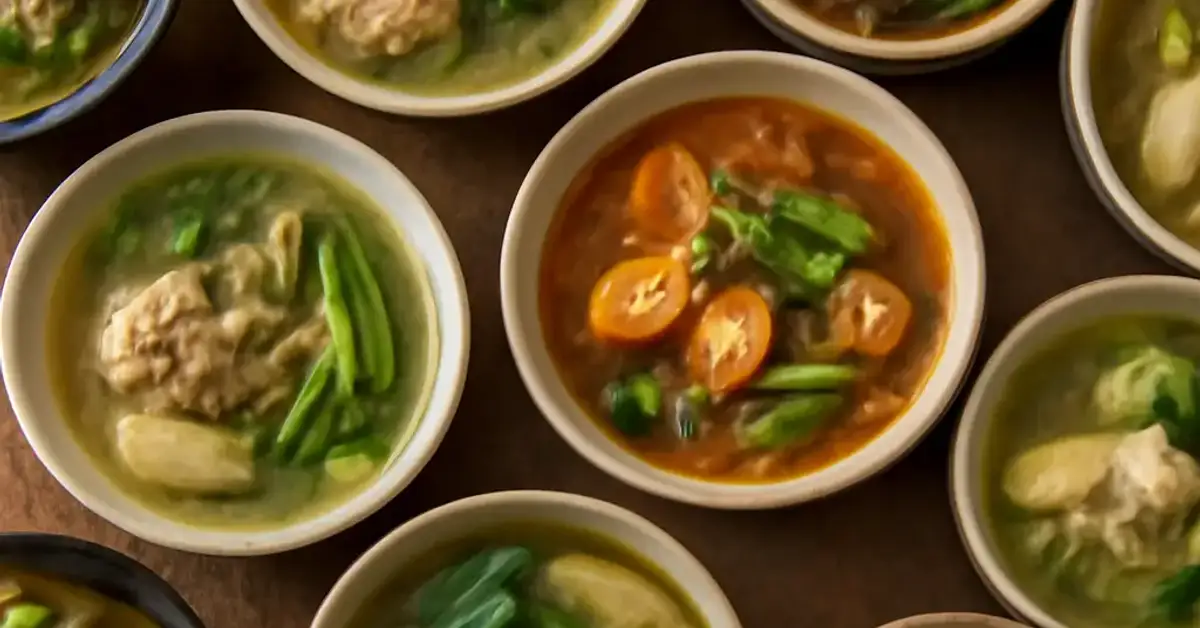
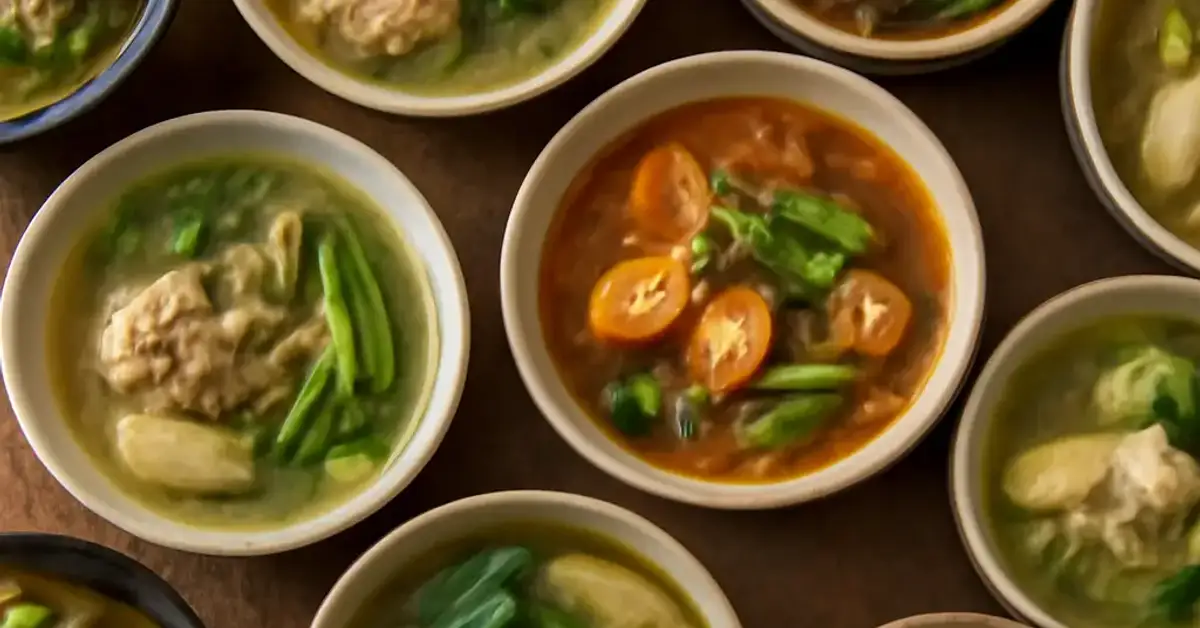
Filipino soups are a vibrant expression of the archipelago’s culinary soul, blending indigenous ingredients with centuries of trade and tradition.
- Classic Filipino Soups Worth Ordering on Your Next Visit include sinigang, bulalo, tinola, nilaga, pochero, batchoy, arroz caldo, mami, kansi, and seafood soup.
- These soups showcase the diversity of Filipino cooking, with options for beef, chicken, pork, seafood, and vegetable lovers.
- Understanding the differences between them helps you order with confidence at Filipino restaurants or cook them at home.
Why Classic Filipino Soups Belong on Every Food Lover’s List
I remember my first bowl of sinigang in a small, family-run eatery in Manila. The broth was so intensely sour and savory that it awakened every taste bud at once. That moment is what I chase as a chef—flavors that tell a story. In my kitchen at Kilig Filipino Warung in Ubud, Bali, I recreate that same soulful warmth for guests every day. These Filipino soups are not just food; they are edible memories, deeply tied to family gatherings, rainy afternoons, and the Filipino value of sharing a meal. For anyone exploring authentic Filipino cuisine, soups are the perfect starting point. For a related guide, see 10 Filipino Dishes Perfect for First Time Diners in Bali.
The 10 Classic Filipino Soups Worth Ordering on Your Next Visit
Below, I’ve curated a list of the best Filipino soup dishes that every food lover should try. Each one represents a different region, cooking method, or flavor profile, making them essential to any Filipino restaurant guide.
1. Sinigang – The Quintessential Filipino Sour Soup
Sinigang is arguably the most iconic of all soup dishes Philippines has to offer. This tamarind-based broth is loaded with vegetables like kangkong, radish, and okra, plus your choice of protein—pork, shrimp, fish, or beef. The sourness cuts through the richness, making it incredibly refreshing. What are the best Filipino soups to try? Sinigang is always the first answer. Pair it with steamed rice and patis (fish sauce) on the side.
Chef’s Note: At my private dinners, I often serve a modern sinigang with a slow-poached salmon belly and a drizzle of calamansi oil. The key is balance—never let the sour overpower the natural sweetness of the vegetables and protein.
2. Bulalo – Beef Marrow Soup from the Highlands
Hailing from the cool mountain province of Batangas, bulalo is a deeply savory beef soup made by simmering beef shanks and marrow bones for hours. The result is a gelatinous, rich broth that warms you to the bone. Is bulalo worth ordering? Absolutely. It’s the ultimate Filipino comfort food, especially on a chilly evening. The beef is so tender it falls apart, and the marrow is a delicacy you scoop out and spread on rice.
Chef’s Note: I source grass-fed beef from local Indonesian farms for my version. The secret to a clear, flavorful bulalo is to blanch the bones first to remove impurities, then simmer low and slow.
3. Tinola – Ginger Chicken Soup for the Soul
Tinola is a light yet aromatic chicken soup flavored with ginger, garlic, and fish sauce. Green papaya or chayote adds a subtle sweetness, while chili leaves (dahon ng sili) provide a peppery finish. What makes tinola a Filipino comfort food? Its simplicity. It’s the soup your grandmother makes when you’re feeling under the weather. The ginger is both soothing and restorative.
Chef’s Note: I recommend using free-range chicken for a deeper flavor. Don’t skip the chili leaves—they are not easily substituted.
Nilaga is a straightforward beef soup that relies on the quality of its ingredients. Beef brisket or shanks are boiled with potatoes, cabbage, corn on the cob, and saba bananas. The broth is clear and clean, seasoned simply with salt, pepper, and fish sauce. What is the difference between sinigang and nilaga? The main difference is the souring agent: sinigang uses tamarind (or other sour fruits), while nilaga is savory and unadulterated. Both are central to traditional Filipino soups.
Chef’s Note: Nilaga is best served with a dipping sauce of patis with calamansi and siling labuyo (bird’s eye chili).
Pochero is a pork soup with Spanish roots, featuring a tomato-based broth, chickpeas, chorizo, plantains, and cabbage. It’s a hearty, festive dish often served during special occasions. The layers of flavor—from the sweet plantains to the smoky chorizo—make it a standout classic Filipino recipe.
Chef’s Note: Use authentic Spanish chorizo de Bilbao if you can find it. If not, a good quality smoked sausage works.
Batchoy (or La Paz Batchoy) is a rich noodle soup from Iloilo. The broth is made from beef and pork stock, then poured over fresh miki noodles, topped with pork cracklings (chicharon), leeks, and a raw egg. It’s a breakfast staple and a beloved Filipino specialty.
Chef’s Note: The most important element is the crispy chicharon—it provides texture and saltiness that complete the dish.
Arroz caldo is a thick rice porridge cooked with chicken, ginger, and garlic, then garnished with toasted garlic, scallions, and a squeeze of calamansi. It’s the ultimate Filipino comfort food, especially for breakfast or a late-night snack. Which Filipino soups pair well with rice? Arroz caldo is rice itself, but it’s often eaten with fried tokwa (tofu) or lumpia on the side.
Chef’s Note: Add a dollop of patis and a pinch of pepper right before serving to wake up the flavors.
Mami is the Filipino version of Chinese noodle soup. It features egg noodles (fresh or dried) in a savory chicken or beef broth, topped with shredded chicken, beef slices, or wontons. It’s a fixture in Filipino restaurants and street-side noodle houses.
Chef’s Note: Look for mami with a deeply flavored bone broth—that’s the mark of an authentic bowl.
Kansi is a lesser-known but brilliant traditional Filipino soup from Iloilo. It’s similar to sinigang but uses batuan fruit as the souring agent and includes roasted garlic, lemongrass, and annatto for color. The beef is slow-cooked until fork-tender. Which Filipino soup is the most popular? While sinigang takes the crown, kansi is a must-try for adventurous foodies.
Chef’s Note: Batuan fruit can be hard to find outside the Philippines. Green mango or tamarind can be used as a substitute, but the flavor will change.
Filipino seafood soup (often called sinigang na isda or seafood sinigang) is a lighter, brinier version of the classic sinigang. It uses fish, shrimp, mussels, or a combination, with the same sour broth. Are Filipino soups healthy? Yes, especially this one—packed with lean protein, vegetables, and a warming broth that’s low in calories. It’s a favorite along the coasts.
Chef’s Note: For the freshest versions, eat near the ocean. I often source snapper directly from local fishermen in Bali for my sinigang.
How Filipino Soups Compare to Other Southeast Asian Cuisines
What makes Filipino soups unique compared to other Southeast Asian cuisines? While Thai and Vietnamese soups rely heavily on coconut milk, lemongrass, and fish sauce in layered combinations, Filipino soups are more straightforward—often built around a single dominant flavor (sour, salty, or savory). They also incorporate ingredients like saba bananas, green papaya, and chayote, which are less common in neighboring cuisines. Which Filipino soups are made with beef, chicken or seafood? You have all three: bulalo and nilaga for beef, tinola and arroz caldo for chicken, and sinigang for seafood. The variety is unmatched. For a related guide, see Filipino Cuisine Winning Hearts of Bali Travelers: 7 Dishes You Must Try.
Tips for First-Time Diners
What soup should first-time diners try? I always recommend sinigang because it represents the core of Filipino flavor philosophy. Which Filipino soups pair well with rice? Nearly all of them—rice is the neutral canvas that balances the bold broths. What soups are commonly served in Filipino restaurants? Sinigang, bulalo, tinola, and mami are staples you’ll find in almost any Filipino restaurant guide. Are there spicy Filipino soups? Most are not inherently spicy, but you can add siling labuyo (bird’s eye chili) to kick up the heat. Which soups are best during rainy weather? Bulalo, arroz caldo, and batchoy are perfect for cold, wet days.
Where to Find Authentic Filipino Soups
Where can I find authentic Filipino soups? The best place is in the Philippines itself—local eateries (carinderias), specialty restaurants, and family homes. Outside the country, look for Filipino communities in cities like Los Angeles, Dubai, or here in Bali. Which Filipino soup should I order on my next visit? It depends on your mood: crave sour? Sinigang. Need comfort? Arroz caldo. Feeling festive? Pochero. What are the must-try traditional Filipino soup dishes? All ten on this list are essential, but sinigang, bulalo, and tinola are the non-negotiable starters.
Useful Resources
For more on the history of Filipino soups and regional variations, check out Rappler’s guide to Filipino soup recipes. To dive deeper into the culinary traditions of the Philippines, visit Pepper.ph’s collection of authentic soup dishes.
As a chef who has spent years perfecting these broths and sharing them with guests from around the world, I can tell you that the must-try Filipino soups on this list are more than just dishes—they are an invitation to understand the heart of Filipino food culture. Whether you are in Manila, Cebu, or right here in Ubud, find a bowl of these classic Filipino soups worth ordering on your next visit and taste the warmth of the Philippines.
Frequently Asked Questions About Classic Filipino Soups Worth Ordering on Your Next Visit
What are the best Filipino soups to try?
The best Filipino soups to try are sinigang, bulalo, tinola, nilaga, pochero, batchoy, arroz caldo, mami, kansi, and seafood soup. These represent the full range of Filipino flavor profiles.
Which Filipino soup is the most popular?
Sinigang is widely considered the most popular Filipino soup due to its distinctive sour broth and versatility with different proteins and vegetables.
What is the difference between sinigang and nilaga?
Sinigang is sour because of tamarind or other sour fruits, while nilaga is a savory, clear broth seasoned simply with salt, pepper, and fish sauce. Nilaga also uses corn and saba banana.
Is bulalo worth ordering?
Absolutely. Bulalo is a rich, gelatinous beef marrow soup from Batangas and is one of the most satisfying bowls you will ever have, especially on a cold day.
What makes tinola a Filipino comfort food?
Tinola is considered comfort food because of its soothing ginger broth, tender chicken, and simple, nourishing ingredients. It’s often served to someone recovering from illness.
Which Filipino soups are made with beef, chicken or seafood?
Beef soups include bulalo, nilaga, and kansi. Chicken soups include tinola and arroz caldo. Seafood versions include sinigang na isda and seafood sinigang. Batchoy uses both beef and pork.
Are Filipino soups healthy?
Yes, many Filipino soups are nutrient-dense, especially those with lean protein, vegetables, and clear broths like tinola, nilaga, and seafood soup. They are generally low in added fats.
What soup should first-time diners try?
First-time diners should start with sinigang. It is the most recognizable Filipino soup and showcases the signature sour-salty balance of the cuisine.
Which Filipino soups pair well with rice?
Almost all Filipino soups pair well with steamed white rice. Sinigang, bulalo, nilaga, and pochero are classic rice companions.
What soups are commonly served in Filipino restaurants?
Sinigang, bulalo, tinola, mami, and arroz caldo are the most common soups you will find on Filipino restaurant menus, both in the Philippines and abroad.
Are there spicy Filipino soups?
Most Filipino soups are not inherently spicy, but you can add siling labuyo (bird’s eye chili) or chili oil to add heat. Some regional versions of sinigang include chili.
Which soups are best during rainy weather?
Bulalo, arroz caldo, and batchoy are excellent choices for rainy weather because they are hearty, warming, and deeply satisfying.
What are the must-try traditional Filipino soup dishes?
The must-try traditional Filipino soup dishes include sinigang, bulalo, tinola, nilaga, pochero, batchoy, arroz caldo, mami, kansi, and seafood soup.
Where can I find authentic Filipino soups?
Authentic Filipino soups are best found in the Philippines, especially in local carinderias and family-run restaurants. Outside the country, check Filipino neighborhoods in cities like Los Angeles, Dubai, or in Bali at places like Kilig Filipino Warung.
Which Filipino soup should I order on my next visit?
Order sinigang if you want something sour and refreshing, bulalo for richness, or tinola if you need comfort. For a unique experience, try kansi or batchoy.
What makes Filipino soups unique compared to other Southeast Asian cuisines?
Filipino soups are unique because they rely on a single dominant flavor (sour or savory) rather than the layered complexity of coconut milk and lemongrass found in Thai or Vietnamese soups. They also use ingredients like saba banana and chayote.
Can I make Filipino soups at home?
Yes, many classic Filipino soups are easy to make at home. Sinigang and nilaga are beginner-friendly. You can find tamarind mix, patis, and other ingredients at Asian grocery stores.
What is the best way to serve sinigang?
Sinigang is best served piping hot with steamed rice and a small bowl of patis with calamansi and chili on the side. The contrast of sour broth and salty dip is key.
How long does it take to cook bulalo?
Bulalo requires at least 3 to 4 hours of simmering to extract the collagen from the bones and make the beef tender. A pressure cooker can reduce the time to about 1 hour.
Are Filipino soups gluten-free?
Many Filipino soups are naturally gluten-free, including sinigang, bulalo, tinola, nilaga, and kansi. However, batchoy and mami use wheat-based noodles, so check ingredients if you have gluten sensitivity.
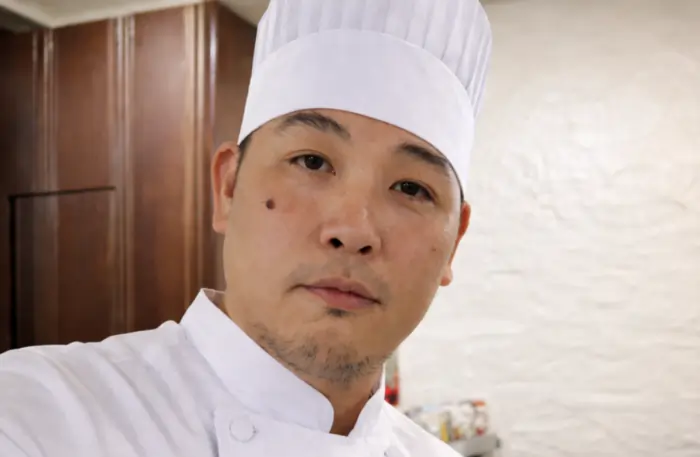
Chef Juan Gadi brings the heart of Filipino hospitality to Ubud, Bali. As an Executive Chef and consultant, he specializes in creating intimate, curated dining experiences that tell a story through every dish. Whether leading the kitchen at Kilig Filipino Warung or hosting a private villa dinner, Chef Juan’s approach is defined by warmth, modern technique, and a commitment to culinary excellence.