Understanding Filipino Side Dishes Beyond Rice Key Takeaways
Filipino dining is built around rice, but Understanding Filipino Side Dishes Beyond Rice unlocks the true depth of the cuisine.
- Understanding Filipino Side Dishes Beyond Rice is essential for anyone craving the full rhythm of family-style dining and cultural dining .
- Filipino sides aren’t afterthoughts; they are bold, bright, and often the most nutrition-packed part of the spread, full of leafy greens and tropical vegetables .
- First-time visitors should look for fermented, pickled, and fresh sawsawan (dipping sauces) to immediately grasp the harmony that defines authentic Filipino food .
What Understanding Filipino Side Dishes Beyond Rice Reveals About Filipino Identity
I often tell my guests at Kilig Filipino Warung that rice is the canvas, but the Filipino side dishes are the brushstrokes. Growing up in a household where the table groaned under platters of ginataang gulay and bowls of buro, I learned early that a meal was never complete without that interplay of sour, salty, and earthy. Understanding Filipino Side Dishes Beyond Rice means appreciating why bagoong (fermented shrimp paste) sits beside green mangoes, or why a simple ensaladang mangga can cool the fiercest grilled pork.
This philosophy springs from Filipino food culture itself: we eat family-style dining where every dish contributes a distinct note. A rich laing (taro leaves in coconut milk) might carry deep umami and spice, while a side of kinilaw (vinegar-cured fish) cuts through with its bright acidity. The side isn’t an accessory—it’s a conversation partner. That’s why travelers who only focus on the main protein miss half the story.
Iconic Filipino Accompaniments That Define the Table
To help you navigate Philippine cuisine, I’ve gathered five categories of Filipino side dishes that belong on every food lover’s checklist. Many are traditional recipes using local ingredients that have anchored generations of Filipino meals. For a related guide, see A Guide to Filipino Condiments That Elevate Every Meal.
Pickled and Fermented Side Dishes
No Filipino pantry is complete without an army of fermented side dishes. Atchara—grated green papaya pickled in vinegar, sugar, and ginger—is the crisp, sweet-tart relief that cuts through Filipino comfort food like fried bangus or lechon. Meanwhile, buro (fermented rice with shrimp or fish) from Central Luzon brings a funky, creamy depth that adventurous eaters adore. For first-time visitors, I always recommend starting with atchara; it’s approachable, refreshing, and an instant lesson in how traditional Filipino dishes play with contrast.
Fresh Ensaladas and Herbaceous Sides
When the tropical heat demands something light, Filipinos turn to ensaladang talong (grilled eggplant salad with tomatoes and onions) and ensaladang mangga (green mango salad with bagoong). These vegetable dishes showcase tropical vegetables at their rawest, most vibrant state. A properly charred ensaladang talong adds a subtle smokiness to any family-style dining spread, while ensaladang mangga delivers a sour punch that elevates simple grilled fish into something extraordinary. I often serve these at private dinners in Ubud because they instantly transport diners to a Philippine seaside.
Coconut-Braised and Sautéed Greens
Among the most beloved Filipino specialties are dishes that simmer leafy greens in coconut milk. Laing, made with dried taro leaves, is slow-cooked until it absorbs every drop of spiced coconut cream, resulting in a side that’s rich, almost meaty. Similarly, ginataang gulay combines squash, string beans, and moringa in a golden coconut broth—a healthy Filipino food staple that proves vegetable-forward eating is deeply rooted in the nation’s kitchens. And when I need something quick yet satisfying, I sauté adobong kangkong (water spinach) in garlic, vinegar, and a touch of bagoong; it’s a traditional recipe that turns humble greens into a star.
Grilled and Roasted Vegetable Classics
While rice fills the stomach, grilled vegetables and robust vegetable dishes like pinakbet give meals their soul. Originating from the Ilocos region, pinakbet stews bitter gourd, okra, and eggplant in bagoong until each piece is infused with umami. It’s a dish that keeps regional specialties alive. Pair it with grilled pork belly, and you understand why this Filipino comfort food is cherished. Another simple but essential side is boiled or sautéed talbos ng kamote (sweet potato leaves), which adds a mild, spinach-like flavor and a dose of healthy Filipino food wisdom.
Unexpected Bites and Dipping Sauces
No exploration of Filipino side dishes is complete without lumpia (crispy spring rolls) and tokwa (tofu) as well as the indispensable sawsawan culture. Lumpia, stuffed with vegetables and sometimes meat, acts as a crunchy side or appetizer at most Filipino dining tables. Tokwa, fried or marinated, provides a gentle protein that soaks up the tangy sawsawan of vinegar, garlic, and chili. These dipping sauces—whether for kinilaw or grilled fish—are the glue of cultural dining, allowing each guest to personalize every bite. For a related guide, see 7 Filipino Side Dishes That Complete Every Meal.
Regional Flavors: Traveling Through the Philippines One Side Dish at a Time
One of the joys of food travel Philippines is discovering how regional specialties shape the side dish repertoire. In the Bicol region, coconut reigns, making laing intensely spicy and creamy. In Pampanga, buro is a source of pride, often served with steamed vegetables or mustard leaves. Ilocos gives us bitter, salty pinakbet and a robust tradition of fermented side dishes. By seeking out these differences, travelers grasp that heritage cuisine isn’t just preserved—it evolves with the land and the people. Whether you’re on a food travel Philippines journey or dining at a Filipino communities abroad potluck, letting regional identity guide your choices deepens the experience.
How Travelers Can Order Authentic Filipino Side Dishes at Local Restaurants
When I consult for restaurant owners or host chefs and culinary enthusiasts, I emphasize that authentic Filipino food is best ordered like a local: ask what vegetables are fresh, look for ginataang gulay or ensaladang talong on the menu, and don’t shy away from the fermented offerings. A phrase like “May atchara ba kayo?” (Do you have pickled papaya?) signals you’re after the real Filipino food culture. Pay attention to the sawsawan station; a well-stocked tray of vinegar, calamansi, and chili tells you the kitchen cares about cultural dining. For first-time visitors to the Philippines, a gentle request for a side of talbos ng kamote or adobong kangkong turns an ordinary meal into a heartfelt connection with local cuisine.
Bringing the Tradition Home: Chef Juan’s Simple Ensaladang Talong
At my private villa dinners in Bali, I often prepare a minimalist ensaladang talong that captures the essence of heritage cuisine without overwhelming the cook. Grill whole Chinese eggplants over an open flame until the skin is charred and the flesh turns custard-soft. Peel off the skin, mash the flesh with hand-torn tomatoes, diced red onions, and a generous splash of cane vinegar. Season with salt, pepper, and if you have it, a pinch of bagoong. The result is a smoky, tangy side that embodies Filipino comfort food and pairs brilliantly with simply grilled fish. This is family-style dining at its most sincere—no rice bowl is ever lonely beside it.
Useful Resources
Deepen your journey into Philippine cuisine with these handpicked references. They offer more regional context and recipes that celebrate local ingredients.
Lonely Planet’s Guide to Filipino Foods – A traveler-friendly overview of must-try dishes and food travel Philippines spots.
TasteAtlas Filipino Side Dishes – An illustrated list of traditional Filipino dishes with ingredient details and regional notes.
Frequently Asked Questions About Understanding Filipino Side Dishes Beyond Rice
What are Filipino side dishes beyond rice?
Filipino side dishes beyond rice include a wide array of vegetable dishes, pickles, fermented side dishes, fresh salads like ensaladang mangga, and coconut-braised greens such as laing. They are central to Filipino food culture and add layers of flavor, texture, and nutritional balance to every meal.
What side dishes are commonly served with Filipino meals?
Common sides include atchara, ensaladang talong, pinakbet, adobong kangkong, lumpia, and dipping sauces or sawsawan. These Filipino side dishes vary from crunchy pickles to stewed greens and are designed to complement mains like grilled fish or adobo.
What vegetables are popular in Filipino cuisine?
Popular vegetables include bitter gourd, eggplant, okra, water spinach (kangkong), sweet potato leaves (talbos ng kamote), squash, and green papaya. They appear in traditional recipes like ginataang gulay and pinakbet and are often cooked with coconut milk or fermented shrimp paste.
How do Filipino side dishes complement main dishes?
They balance richness with acidity, salt, or bitterness. A sour ensaladang mangga contrasts with fatty pork, while laing adds creamy heat alongside grilled fish. This interplay is the heart of family-style dining in the Philippines.
What are the most popular traditional Filipino vegetable dishes?
Pinakbet, laing, ginataang gulay, adobong kangkong, and ensaladang talong are among the most popular. They showcase tropical vegetables and leafy greens cooked in time-honored ways that define Filipino comfort food.
What role do pickled, fermented, and fresh side dishes play in Filipino dining?
They act as palate cleansers, digestive aids, and flavor amplifiers. Atchara and buro bring sour or funky notes that cut through rich dishes, while fresh ensaladang talong adds lightness. They are integral to heritage cuisine and everyday cultural dining.
Which Filipino side dishes should first-time visitors try?
I always recommend atchara for its refreshing tang, lumpia for familiar crunch, ensaladang talong for smoky simplicity, laing if they enjoy coconut, and any sawsawan to understand Filipino dining customs.
How do regional side dishes differ across the Philippines?
Northern regions favor buro and bitter vegetables in pinakbet, Bicol is known for spicy laing and coconut-based sides, while the Visayas highlight fresh kinilaw and grilled vegetables. Each area’s regional specialties reflect local ingredients and history.
How can travelers order authentic Filipino side dishes at local restaurants?
Ask for daily vegetable specials like ginataang gulay, request atchara or ensaladang mangga as a side, and observe the sawsawan station. Using local names and showing curiosity about Filipino food culture often unlocks the best authentic dishes.
Why are Filipino side dishes an important part of the country’s culinary heritage?
They preserve ancestral cooking methods, champion local ingredients, and reinforce the family-style dining that defines Filipino identity. Without these sides, the narrative of Philippine cuisine would be incomplete, missing the harmony that makes it Filipino food culture.
What is atchara and when is it served?
Atchara is a sweet and tangy pickled green papaya side served with fried or grilled foods. It cleanses the palate and adds crunch to Filipino meals, especially alongside lechon or longganisa.
Can Filipino side dishes be healthy?
Absolutely. Dishes like talbos ng kamote, adobong kangkong, and ensaladang talong are nutrient-dense healthy Filipino food options that highlight leafy greens and tropical vegetables with minimal processed ingredients.
What is laing and how is it made?
Laing is a Bicolano side dish of dried taro leaves simmered in coconut milk, garlic, ginger, and chili. It becomes rich and slightly spicy, and it’s a staple of Filipino comfort food.
Is lumpia a side dish or an appetizer?
Lumpia can be both. In many Filipino dining settings, it functions as a crunchy side alongside rice dishes or as a starter. Vegetable lumpia is especially common in family-style dining.
What is pinakbet and which region is it from?
Pinakbet is an Ilocano vegetable stew made with bitter gourd, eggplant, okra, and bagoong. It’s a celebrated regional specialty that represents the robust, earthy side of Philippine cuisine.
How do you make a simple ensaladang talong?
Grill eggplants until charred, peel the skin, and mash the flesh with tomatoes, onions, vinegar, and a pinch of salt. This straightforward traditional recipe delivers a smoky, tangy companion to grilled meats or fish.
What is buro and how is it eaten?
Buro is fermented rice, often mixed with shrimp or fish, which serves as a savory condiment. It’s typically eaten with fresh or steamed vegetables, adding a funky, umami depth to Filipino side dishes.
Are Filipino side dishes generally vegetarian?
Many are vegetable-based but may contain bagoong or fish sauce. Dishes like ginataang gulay and talbos ng kamote can be prepared vegetarian by omitting shrimp paste, making them flexible for diverse cultural dining needs.
What is the purpose of sawsawan in Filipino meals?
Sawsawan are dipping sauces like vinegar with garlic, calamansi, or soy sauce that allow each diner to customize flavors. They are a hallmark of Filipino food culture and turn simple grilled or fried dishes into personalized creations.
Can you recommend a perfect Filipino meal combination using side dishes?
A classic plate: grilled fish with ensaladang mangga, a spoonful of atchara, steamed talbos ng kamote, and a small bowl of sawsawan. This captures the essence of Understanding Filipino Side Dishes Beyond Rice—every bite balances with the next.
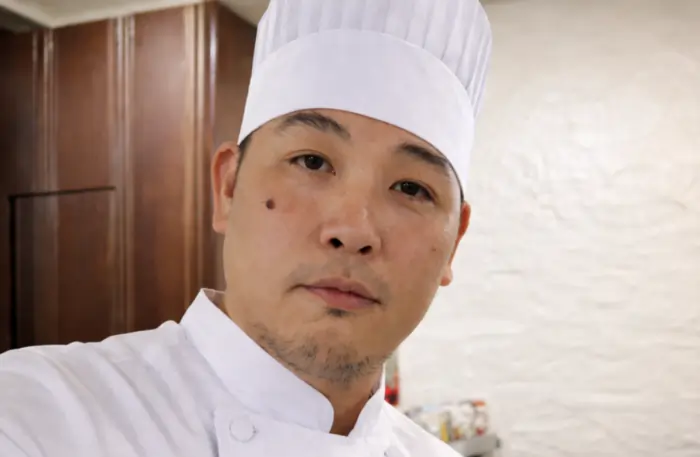
Chef Juan Gadi brings the heart of Filipino hospitality to Ubud, Bali. As an Executive Chef and consultant, he specializes in creating intimate, curated dining experiences that tell a story through every dish. Whether leading the kitchen at Kilig Filipino Warung or hosting a private villa dinner, Chef Juan’s approach is defined by warmth, modern technique, and a commitment to culinary excellence.