

Pair Filipino Food With Tropical Fruits Key Takeaways
Master the art of pairing iconic Filipino dishes like adobo, lechon, and sinigang with the country’s abundant tropical fruits—from sun-ripe mangoes to tangy calamansi.
- Learn which tropical fruits pair best with Filipino food , from green mango to pomelo , and why the interplay of sweet, sour, and savory defines the cuisine.
- Discover how mango , calamansi , pineapple , and coconut balance adobo , lechon , sinigang , and grilled seafood for refreshing, culturally authentic meals.
- Use seasonal fruit guides, regional traditions, and Chef Juan Gadi’s expert tips to recreate authentic Filipino food and fruit pairings at home.
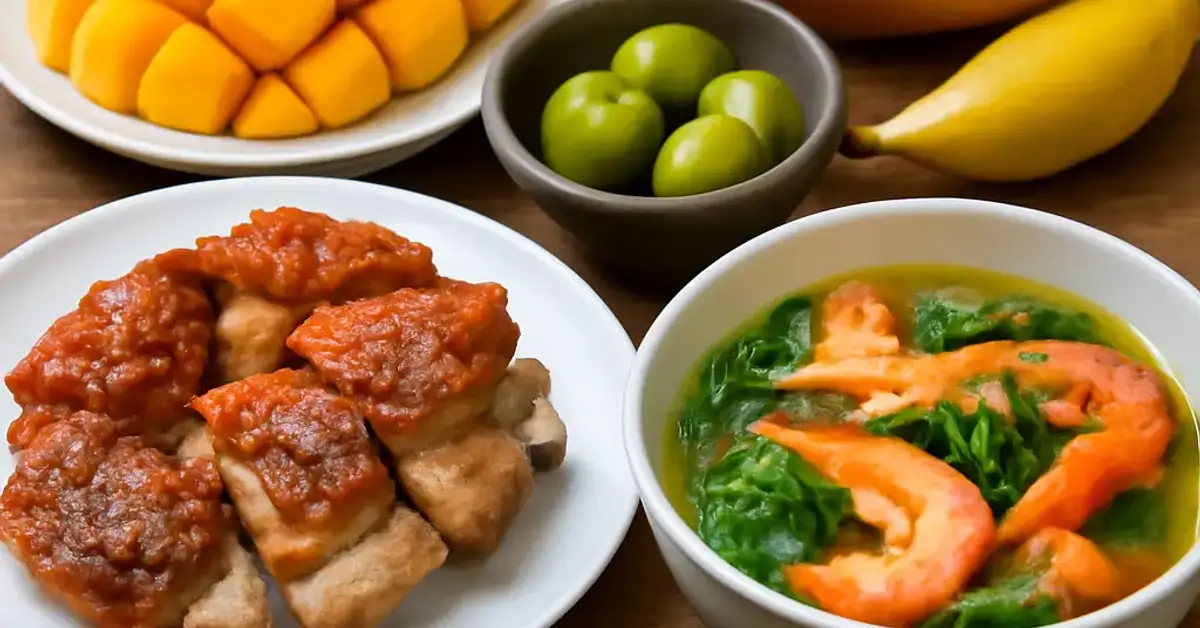
The Tropic’s Bounty: Why You Must Pair Filipino Food With Tropical Fruits
Few culinary traditions celebrate the vibrant interplay of sweet, sour, and savory as naturally as Filipino cuisine. To truly pair Filipino food with tropical fruits, you must understand the archipelago’s deep connection to its orchards and seas. In the Philippines, fruits are not just dessert—they are essential companions to breakfasts of garlic fried rice, tangy stews, and smoky grilled meats. For a related guide, see 11 Filipino Comfort Foods Every Traveler Should Discover.
Filipino food culture treats fruit as a living seasoning. Green mango with bagoong (fermented shrimp paste) is a street-food ritual; calamansi replaces lemon in almost every kitchen; and coconut milk enriches kakanin (rice cakes) and savory adobo alike. This 7,000-island nation grows over 300 edible tropical fruit varieties, making fruit pairing a daily act of creativity. For a related guide, see 10 Cultural Lessons Hidden in Traditional Filipino Meals.
Chef Juan Gadi, who brings Filipino hospitality to Ubud, Bali, explains that “every dish tells a story of a particular region, a particular fruit that grows in a neighbor’s backyard.” Whether you’re a traveler craving authentic Filipino food or a home cook exploring Philippine cuisine, learning to match fruit with savory plates unlocks a deeper layer of flavor and meaning. For a related guide, see How Seasonal Ingredients Shape Filipino Menus in Bali.
Meet the Stars: Essential Tropical Fruits That Pair Best With Filipino Food
Before you create your own fruit pairings, you need to know the cast of characters. Each fruit carries a distinct personality—sweet, tart, creamy, or floral—that either cuts through richness or amplifies smokiness. Below are the tropical heavyweights you’ll encounter in any tropical fruit guide across the Philippines.
Mango – The National Treasure
No fruit captures the Philippine sun like the mango. The country produces the world’s sweetest varieties, particularly the golden Carabao mango. Both ripe and green mango are indispensable. Ripe mango brings lush, honeyed sweetness that flatters lechon (roast pig) and creamy fruit desserts. Green mango, eaten with salt or bagoong, delivers a mouth-puckering crunch that refreshes the palate before a heavy meal.
Calamansi – The Tiny Citrus Giant
Smaller than a lime, calamansi is the backbone of Filipino cooking. Its juice is squeezed into dipping sauces (sawsawan) for grilled seafood, mixed with soy sauce for adobo marinades, and turned into refreshing juices. Calamansi provides the bright, fragrant acidity that makes sinigang (sour soup) sing.
Pineapple – The Sweet Fire Tamer
Juicy and enzyme-rich, pineapple pairs famously well with Filipino food pairing traditions. Its sugar caramelizes beautifully on the grill alongside pork belly, while its tenderizing properties make it a classic addition to barbecue marinades. Pineapple also appears in lechon stuffing, imparting a subtle fruity aroma.
Coconut – Milk, Water, and Flesh
No other fruit defines Filipino culinary traditions as holistically as the coconut. Its water cools grilled seafood plates; its rich milk forms the base of adobo (especially ginataang adobo) and dozens of kakanin; the young flesh (buko) stars in halo-halo and fruit desserts. Coconut bridges sweet and savory with effortless grace.
Papaya, Jackfruit, and Beyond
Papaya is often used green for refreshing salads and pickles (atchara), while ripe papaya adds a buttery note to breakfast plates. Jackfruit (langka) with its intense floral sweetness is a prized ingredient in kakanin and turon (banana spring rolls). Don’t overlook guyabano (soursop), whose creamy, tart flesh becomes luxurious ice creams and shakes that cut through the heat of a sinigang feast.
Savory Meets Sweet: Pairing Filipino Food With Tropical Fruits for Main Courses
Now let’s take these fruits to the dinner table. This is where the concept of fruit pairings transforms a simple meal into a cultural dining experience. Each iconic dish has a fruit soulmate that either balances, brightens, or deepens its character.
Adobo and Calamansi: A Tangy Affair
Adobo—the unofficial national dish—relies on a marinade of vinegar, soy sauce, garlic, and black pepper. But the best versions include a generous squeeze of calamansi just before serving. That hit of citrus lifts the braised meat and cuts through the soy’s saltiness. For an even fruitier twist, some regional recipes simmer adobo with pineapple chunks or young coconut milk, creating a creamy, tropical variation.
Lechon and Pineapple: A Sweet Counterpoint
Crispy-skinned lechon begs for a fruity companion. Pineapple’s acidity and sugar play against the rich pork fat, while its bromelain enzymes help tenderize the meat when used in a marinade. On festive tables, you’ll often see lechon served with spiced vinegar dip upgraded with mango or pineapple chutney. For a truly elevated pairing, try a side of ripe mango slices—the natural sweetness rivals any sauce.
Sinigang and Sour Fruits: Green Mango and Santol Shine
Sinigang is all about sourness, traditionally sourced from tamarind. But local cooks know that unripe green mango, santol, or even kamias (bilimbi) can be used as souring agents. Adding these fruits directly to the broth introduces a complex, fruity tartness that dried tamarind mix cannot replicate. The result is a more layered, refreshing soup—perfect for a hot day.
Grilled Seafood and Tropical Freshness
From charred squid to whole milkfish, grilled seafood shines when paired with fresh fruit salsas. A simple pomelo, mango, and onion salad (ensalada) delivers a burst of sweet-tangy-crunchy flavor that turns grilled fish into a fiesta. Watermelon and pineapple also work brilliantly, diced into a quick pico de gallo–style relish with chili and a squeeze of calamansi. For the adventurous, kinilaw—the Filipino ceviche—often marries raw tuna with coconut cream and calamansi, accented by tiny cubes of green mango.
| Fruit | Best Paired With | Why It Works |
|---|---|---|
| Green Mango | Grilled fish, bagoong, sinigang | Sour crunch cuts oiliness and brightens the palate |
| Ripe Mango | Lechon, halo-halo, sticky rice | Natural candy-like sweetness balances salt and umami |
| Calamansi | Adobo, kinilaw, dipping sauces | Intense citrus aroma and acidity lifts savory notes |
| Pineapple | Lechon stuffing, barbecue marinades | Tenderizing enzymes and caramelized sugars enrich grilled meat |
| Coconut | Adobo, kakanin, halo-halo | Creamy milk rounds out spicy and salty flavors |
Beyond the Main Course: Kakanin, Halo-Halo, and Fruit Desserts
No lesson on Filipino food culture is complete without its beloved fruit desserts and snacks. Here, tropical fruits take center stage in glorious technicolor. The tradition of kakanin (rice-based sweets) and halo-halo (mix-mix dessert) showcases how fruits transform simple local ingredients into celebratory treats.
Halo-Halo: A Masterclass in Tropical Fruit Medley
The ultimate Filipino dessert layers shaved ice, milk, sweetened beans, jackfruit, banana, coconut, macapuno (mutant coconut), ube halaya, and a scoop of ice cream. Each spoonful delivers a different fruit note. Halo-halo embodies the philosophy of pairing Filipino food with tropical fruits—it’s exuberant, personal, and perfectly refreshing. Regional versions may include avocado, mangosteen, or even durian, showing how regional fruit varieties shape this iconic snack.
Kakanin and Coconut: The Heart of Filipino Snacks
Steamed puto, sticky bibingka, and chewy suman all rely on coconut milk for their luscious texture. Banana leaves impart aroma, while ripe mango or jackfruit strips are often tucked inside. Even simpler, ginataang bilo-bilo (glutinous rice balls in coconut milk) gets its charm from chunks of banana and jackfruit. These fruit desserts illustrate that in the Philippines, fruit is not an afterthought—it’s the very soul of comfort food.
Seasonal Fruits and Regional Influences: A Traveler’s Guide to Authentic Pairings
To dine like a local, you must understand seasonal fruits and how geography dictates what appears on the plate. Traveling through the Philippines from March to May brings an avalanche of ripe mangoes; August to December offers up lanzones, rambutan, and mangosteen. Each region prides itself on a particular harvest that shapes heritage cuisine.
In Davao, the king is durian—its pungent flesh is celebrated in candies, shakes, and even paired with rice. Camiguin’s sweet lanzones festival highlights how a single fruit can define community identity. In Cebu, mango is so prized that dried varieties become pasalubong (homecoming gifts). These regional fruit varieties don’t just influence Filipino dining traditions—they invite you to experience the land’s distinct character through flavor.
What seasonal fruits should travelers try in the Philippines? Aim for marang (a creamy, jackfruit-like fruit) if you’re in Mindanao; sample rambutan and mangosteen in Luzon during the rainy season; and never leave without tasting a sun-ripened Guimaras mango. Each bite is a lesson in Filipino culinary traditions that you can recreate at home by sourcing frozen or imported versions.
Lessons from Kilig Filipino Warung: How to Pair Filipino Food With Tropical Fruits Like a Chef
Chef Juan Gadi brings the heart of Filipino hospitality to Ubud, Bali, where he leads Kilig Filipino Warung. His approach to food pairing ideas starts with a simple question: “What grows together, goes together.” In his kitchen, he may serve sinigang with a side of fresh pomelo salad, or adobo sa gata enriched with young coconut meat. The goal is always to tell a story—of a farmer’s harvest, a childhood memory, or a festival feast.
For visitors, Chef Juan recommends starting with the basics. “Buy the best seasonal fruit you can find. Taste it first—its sweetness, its acid, its texture. Then think about the dish. A fatty lechon wants something tangy and sweet like ripe pineapple. A sharp kinilaw begs for creamy avocado or coconut cream to mellow the citrus.” He emphasizes that at home, authentic Filipino food pairings are accessible: a tray of sliced mango and banana served with grilled seafood instantly transports a backyard barbecue to the islands.
Even in a landlocked kitchen abroad, frozen jackfruit, canned coconut milk, and bottled calamansi juice allow anyone to recreate the Filipino food pairing experience. The key is to treat fruit as an ingredient, not just a garnish—and to share it generously, in true local Filipino style.
Useful Resources
Expand your knowledge of Philippine cuisine and tropical fruits with these curated reads. They provide deeper dives into seasonal availability, traditional recipes, and cultural context that will make your own pairing experiments even more rewarding.
The 10 Most Popular Fruits in the Philippines – Culture Trip — A traveler-friendly introduction to the fruits you’ll encounter in markets and on plates.
The Eater Guide to Filipino Food – Eater — Context on iconic dishes, key ingredients, and the philosophy behind Filipino dining.
By embracing the lush, fruit-forward philosophy of Filipino cuisine, every meal becomes an expression of the islands’ generous spirit. Whether you are a first-time visitor or a devoted home cook, the art of pairing Filipino food with tropical fruits is an invitation to taste the Philippines in its most vibrant, authentic form.
Frequently Asked Questions About Pair Filipino Food With Tropical Fruits
What tropical fruits pair best with Filipino food ?
Mango, calamansi, pineapple, coconut, papaya, jackfruit, and pomelo pair most harmoniously. Their sweet, sour, and creamy profiles balance the saltiness of adobo, the richness of lechon, and the freshness of grilled seafood.
How do tropical fruits complement traditional Filipino dishes?
They act as natural acidic, sweet, or creamy counterpoints. Calamansi lifts braised dishes, green mango cuts through fat, and coconut milk smooths spicy sauces, creating a balanced, layered flavor profile central to Filipino cuisine.
Which fruits go well with adobo, lechon, sinigang, and grilled seafood?
Calamansi and pineapple elevate adobo; pineapple and ripe mango match lechon; sour green mango or santol brighten sinigang; and pomelo, mango, or watermelon add refreshing contrast to grilled seafood.
Why are tropical fruits an important part of Filipino cuisine?
They are woven into the country’s agriculture, geography, and heritage cuisine. Fruits serve as souring agents, dessert bases, and snack staples, reflecting the tropical climate and the resourcefulness of local ingredients. Without them, Filipino cooking would lose its soul.
How do sweet, sour, and tangy fruits balance savory Filipino flavors?
Sweetness from ripe mango or jackfruit softens saltiness; sourness from calamansi or green mango brightens umami; and tangy notes enliven grilled meats. This interplay is the foundation of coastal Filipino dining traditions.
What seasonal fruits should travelers try in the Philippines?
Summer (March–May): mango, watermelon. Rainy season (August–December): lanzones, rambutan, mangosteen, durian. Year-round: banana, papaya, coconut. Each region adds its own local fruits to the calendar.
How can visitors create authentic Filipino food and fruit pairings at home?
Source frozen jackfruit, canned coconut milk, and bottled calamansi juice. Serve fresh mango alongside lechon or grilled fish. Experiment with pineapple in adobo. Most importantly, approach fruit as a savory ingredient, not just a garnish.
What are the best fruit pairings for Filipino desserts and snacks?
Kakanin shines with coconut milk and jackfruit; halo-halo demands banana, macapuno, ube; and simple turon wraps banana and jackfruit in spring roll wrappers. Ripe mango with sticky rice is an effortless classic.
How do regional fruit varieties influence Filipino dining traditions?
They dictate local specialties and festival dishes. Davao’s durian appears in candies; Camiguin’s lanzones festival celebrates a single harvest; Cebu’s dried mangoes are iconic. Such regional fruit varieties turn every meal into a geography lesson.
Why do tropical fruits make Filipino meals more refreshing, flavorful, and culturally authentic?
They mirror the archipelago’s climate and lifestyle: bright, bold, and abundant. A squeeze of calamansi over grilled seafood or a side of green mango with bagoong instantly transports you to a Filipino table, making the experience genuine and cooling.
What is the best way to eat green mango with bagoong?
Simply slice unripe green mango into wedges and dip into bagoong (fermented shrimp or fish paste). The sour crunch and salty-umami kick is a classic Filipino street snack that stimulates the appetite before a meal.
How do you use calamansi in everyday Filipino cooking?
Calamansi is squeezed into dipping sauces for grilled seafood, mixed with soy sauce for adobo marinades, stirred into noodle soups (pancit), and turned into refreshing juice. Its fragrant juice is the vinegar-lemon hybrid that defines Filipino cooking.
Can you pair jackfruit with savory Filipino dishes?
Absolutely. Unripe jackfruit is cooked as a meat substitute in dishes like ginataang langka (young jackfruit in coconut milk). Ripe jackfruit’s floral sweetness makes it a fantastic addition to adobo or even sinigang for a nuanced sour-sweet profile.
What fruits are used in traditional Filipino kakanin?
Coconut is the star, appearing as milk, cream, or desiccated flesh. Banana (saba variety) is used in suman and cakes; jackfruit and ube (a purple yam) lend color and depth to kakanin like bibingka and puto.
How does guyabano complement Filipino desserts?
Guyabano (soursop) has a creamy, tart-sweet flesh that makes ultra-refreshing ice creams, milkshakes, and sorbets. It pairs beautifully with stewed fruits in halo-halo or simply served as a chilled, pureed mousse after a heavy meal.
What is the role of banana in Filipino snacks?
Banana (especially saba) is ubiquitous: boiled, fried as turon with jackfruit, or caramelized as banana-cue. Its natural sweetness and starchy texture make it a filling, affordable local ingredient in countless Filipino snacks.
How do you pair lanzones with Filipino meals?
Sweet, translucent lanzones are typically eaten fresh as a dessert or palate cleanser. They also appear in light fruit salads with coconut cream, providing a delicate, floral finish after a savory feast of grilled seafood or lechon.
What tropical fruits are used in kinilaw?
Kinilaw (Filipino ceviche) often features calamansi juice as the acid, plus cubes of green mango, coconut cream, and sometimes pomelo segments. These fruits soften the fish’s rawness and add a tropical, cooling effect.
How does watermelon pair with grilled Filipino seafood?
Diced watermelon mixed with calamansi and chili makes a vibrant salsa for charred squid or fish. The fruit’s watery crunch and mild sweetness tame the smokiness and heat, embodying the refreshing essence of coastal Filipino dining.
What is the traditional way to serve pomelo in Filipino cuisine?
Pomelo is often segmented into a simple ensalada with salt, vinegar, or calamansi. It’s also paired with roasted lechon or added to kinilaw. Its mild, zesty sweetness cleanses the palate and adds a festive touch to any Filipino specialties spread.
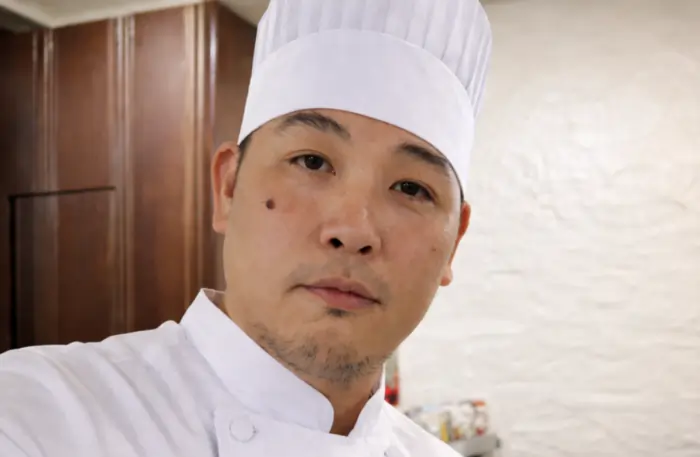
Chef Juan Gadi brings the heart of Filipino hospitality to Ubud, Bali. As an Executive Chef and consultant, he specializes in creating intimate, curated dining experiences that tell a story through every dish. Whether leading the kitchen at Kilig Filipino Warung or hosting a private villa dinner, Chef Juan’s approach is defined by warmth, modern technique, and a commitment to culinary excellence.