Why Filipino Meals Are Designed for Sharing Key Takeaways
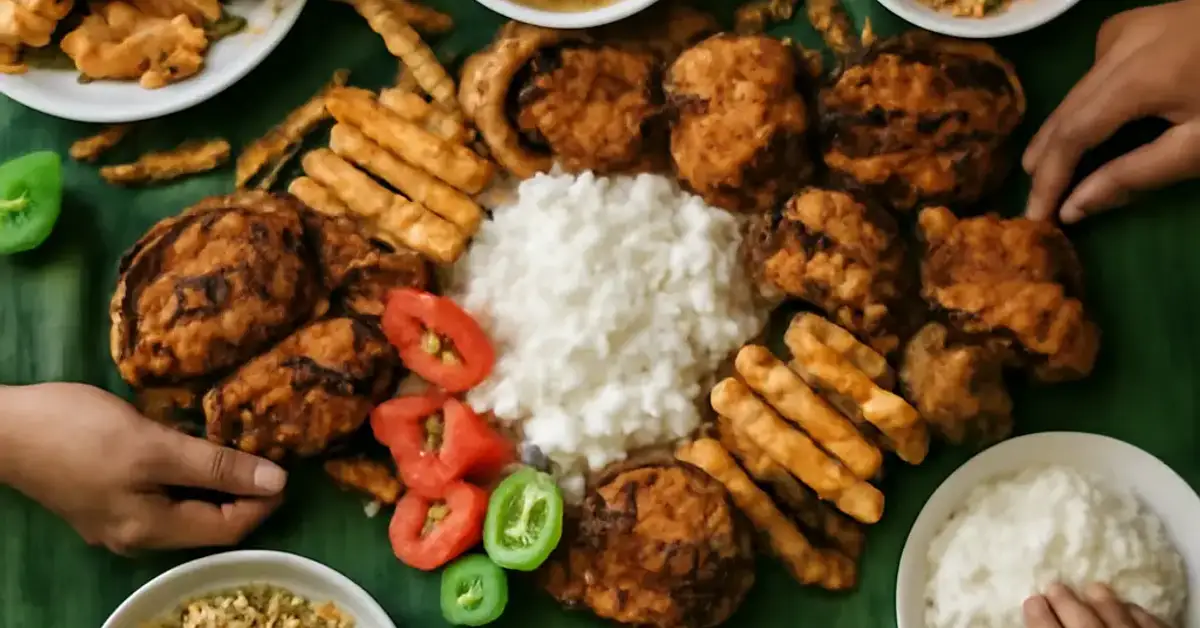
Filipino meals are designed for sharing because they reflect deep cultural values of community, hospitality, and bayanihan .
- Why Filipino meals are designed for sharing begins with the core concept of communal nourishment, where dishes like lechon , adobo , and pancit are placed at the center for all to enjoy.
- Every meal becomes a ritual of Filipino hospitality , turning strangers into family around communal tables with serving spoons and generous servings of rice and ulam .
- Understanding these traditions is the best way to experience the Philippines beyond the plate—through family gatherings , vibrant fiestas , and intimate home-cooked meals that define cultural dining .
Tradition 1: The Kamayan and Boodle Fight – Eating from Banana Leaves
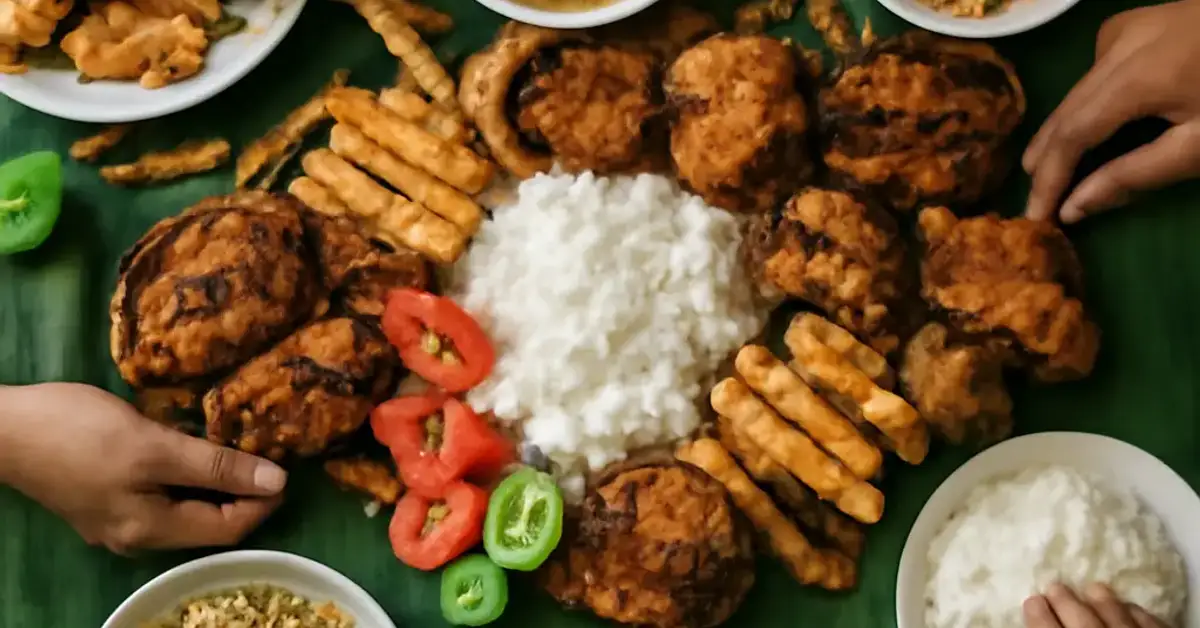
As a chef who has hosted countless private villa dinners in Ubud, I never tire of introducing guests to the raw beauty of kamayan. It’s eating with your hands, directly from banana leaves spread across a long communal tables. In the Philippines, this is both everyday practice and festive spectacle.
The boodle fight—a term borrowed from military mess hall dining—takes kamayan to the next level. Picture a table covered with steaming rice, grilled fish, crispy lechon, and all the ulam (viands) laid out in a bold, edible landscape. No plates, no cutlery, just hands and the shared joy of eating together. This style of dining strips away formality and amplifies connection—there’s something primal and deeply bonding about eating with your hands alongside family, friends, or complete strangers who soon become friends.
What is the Role of Kamayan and Boodle Fights in Communal Dining?
Kamayan and boodle fights turn a meal into a participatory event. The shared platters of food on banana leaves symbolize equality—everyone has equal access to the feast. At Kilig Filipino Warung, I often set up a boodle fight for groups; the sight of diners leaning in, laughing, and sharing morsels of pancit or lumpia with their hands is the purest expression of Filipino food culture.
How Does Eating with Hands and on Banana Leaves Encourage Sharing?
Because utensils disappear, so do the barriers. You’re forced to slow down, be mindful, and use your fingers to mix rice with adobo or sinigang broth. The tactile experience deepens appreciation for the food and naturally leads to passing morsels, comparing favorite bites, and engaging in lively conversation—an embodiment of food sharing at its most authentic.
Tradition 2: Family-Style Platters and Ulam with Rice
Walk into any Filipino home or restaurant and you’ll see a table anchored by a large platter of rice, surrounded by multiple bowls of ulam—the term for any dish meant to be eaten with rice. Adobo, sinigang, pancit, and lumpia are staples, but the lineup can stretch into the dozens. This family-style setup is the everyday expression of communal dining Philippines.
Serving spoons are always present, but the etiquette goes beyond hygiene—they’re instruments of care. The host or elder often serves others first, a gesture of Filipino hospitality that makes guests feel valued.
How Does Family-Style Dining Work in the Philippines?
Dishes are placed at the center; nobody has a personal portion until the meal begins. Each person takes a modest amount of ulam onto their plate of rice, then refills as needed. The rhythm encourages conversation, negotiation over the last piece of lechon, and a spirit of generosity. It’s a living example of Filipino values: what’s mine is yours, and no one leaves the table hungry.
What Traditional Dishes Are Commonly Served for Sharing?
Beyond the classics like adobo and sinigang, celebratory tables feature lechon (whole roasted pig) as the centerpiece. Pancit noodles symbolize long life, while lumpia spring rolls are perfect for passing around. Regional specialties appear too—crispy pata in Manila, kinilaw in the Visayas, or piassak in Mindanao—all reinforcing the idea that traditional Filipino meals are meant for collective enjoyment.
Tradition 3: Fiestas and Celebrations – Community Food Sharing
Family gatherings and town fiestas are where Filipino communal dining reaches its peak. During a fiesta, every household prepares an abundance of home-cooked meals, and doors literally stand open. Neighbors, relatives, and even strangers are welcomed in to partake. It’s common to visit several homes in one day, sampling lechon at one, pancit at another, and a unique regional specialties like Bicol express at the next.
How Do Filipino Celebrations and Fiestas Encourage Shared Meals?
By design, the celebration revolves around food. Tables spill onto streets, and neighborhood celebrations blur the lines between private and public. The sheer volume of dishes forces sharing; no single family could possibly consume everything they cook. This abundance is an act of Filipino hospitality and a direct expression of bayanihan—the spirit of communal unity and cooperation that defines Philippine culture. For a related guide, see 9 Ways Filipino Cuisine Connects People Across Cultures – Essential Insights.
I’ve been invited to fiestas in Cebu and Pampanga, and each time I’m struck by the effortless way the entire community contributes. Everyone brings a traditional recipes or a modern twist, and the meal becomes a tapestry of heritage food that binds generations.
Tradition 4: Filipino Hospitality and Bayanihan at the Table
Filipino hospitality is legendary, but it’s not just a surface-level friendliness—it’s woven into the very act of eating. The moment a guest arrives, the host offers a seat and insists on serving them the best portions. This isn’t just polite; it’s a cultural imperative rooted in Filipino values of hiya (propriety) and pakikisama (getting along).
Why Is Sharing Food Important in Filipino Culture?
Food is the primary medium through which Filipinos express love, respect, and community. Offering a meal is a way of saying “you belong.” Even in the simplest settings, a visitor will be offered rice and whatever ulam is available. In a country where bayanihan dictates that neighbors help neighbors, sharing food is the most intimate form of that support—feeding someone is caring for them.
What Values Are Reflected Through Filipino Food-Sharing Traditions?
At the table, you witness utang na loob (debt of gratitude), pagmamano (respect for elders), and the aforementioned bayanihan. When a family serves you a home-cooked meal, they’re sharing not just calories but their history and affection. These cultural traditions teach humility and reciprocity, ensuring that shared meals remain the cornerstone of Filipino customs. For a related guide, see A Guide to Filipino Table Etiquette for First-Time Visitors.
Tradition 5: Regional Specialties and Home-Cooked Meals – A Shared Heritage
Every region in the Philippines boasts regional specialties that are best experienced when shared. In Ilocos, bagnet and pinakbet arrive on platters for communal picking. In Bicol, laing and Bicol express demand a mound of rice to temper their heat. These traditional recipes are passed down through families and proudly presented during family gatherings.
As a traveler or first-time visitor, the most profound way to engage with Filipino cuisine is to say yes when invited to someone’s home or to join a shared meal at a local eatery where food is served family-style.
How Can Travelers Participate Respectfully in a Shared Filipino Meal?
First, wait for the host to invite you to start. Observe how others use the serving spoons and take only what you can finish. If it’s a kamayan meal, wash your hands thoroughly and use only your right hand for eating. Compliment the cook, and don’t refuse any offering—even a small taste shows respect. At my own private dinners in Bali, I guide guests through these nuances so they can feel fully part of the cultural dining experience.
What First-Time Visitors Should Know About Filipino Dining Customs?
Meals often start later than announced, and conversation flows throughout. Be prepared for multiple courses and standing ovations to the host’s generosity. Rice is the unifier; you’ll pair almost every ulam with it. Don’t be surprised if the host packs leftovers for you—a practice called “take-home” that extends the sharing beyond the table. It’s all part of the Filipino dining culture that leaves a lasting impression.
Why Shared Meals Remain the Strongest Expressions of Filipino Hospitality, Family, and Community Spirit
In an increasingly digital world, the Filipino table remains stubbornly analog and deeply human. Every shared plate of adobo, every boodle fight on banana leaves, and every fiesta spread reinforces that food is more than sustenance—it’s the medium through which love travels. As Chef Juan Gadi, I’ve built my culinary philosophy around this truth. Whether curating a intimate dinner for ten or a lively boodle fight at Kilig Filipino Warung, the goal is the same: to create a moment where strangers become community. That is the true answer to why Filipino meals are designed for sharing—because in the Philippines, nobody eats alone. For a related guide, see 11 Dining Experiences That Celebrate Filipino Hospitality: Best Cultural Eats.
Useful Resources
Delve deeper into the world of Filipino cuisine and communal dining with these trusted resources.
- The social ritual of eating Filipino-style – BBC Travel – A closer look at the customs that make Filipino meals an act of togetherness.
- An Introduction to Filipino Cuisine – Serious Eats – Recipes, traditions, and the importance of shared dining in Philippine culture.
Frequently Asked Questions About Why Filipino Meals Are Designed for Sharing
What exactly is a boodle fight?
A boodle fight is a traditional Filipino military-style communal feast where food is spread over banana leaves on a long table, and diners eat with their hands standing side by side. It symbolizes camaraderie and equality, with everyone sharing the same spread directly.
Why is rice always at the center of Filipino shared meals?
Rice is the staple that ties the meal together. It’s neutral and filling, allowing the various ulam dishes to shine while providing a common base. Sharing a large bowl of rice reinforces the idea that the meal is collective, not individual.
Is it rude to refuse food at a Filipino gathering?
Yes, it can be seen as a slight. Even if you’re full, accepting a small portion demonstrates appreciation for the host’s effort and respect for Filipino hospitality. A polite decline with thanks is acceptable, but refusing outright may offend.
What are the most common dishes in a family-style Filipino meal?
Typical dishes include adobo (meat braised in vinegar and soy), sinigang (sour tamarind soup), pancit (noodles), lumpia (spring rolls), and lechon (roast pig). These are all made to be shared and pair perfectly with rice.
Do Filipinos always eat with their hands?
Not always; spoons and forks are common in urban areas. However, kamayan—eating with hands—is a cherished tradition for certain meals and occasions, especially during boodle fights or casual home gatherings. It’s a practice that deepens the connection to food.
How do you properly use a serving spoon at a Filipino table?
Take a clean serving spoon, scoop a portion of the dish onto your plate, and return the spoon to the platter without touching your food. Avoid using your personal utensils to serve yourself; separate spoons keep the communal food clean and show respect for fellow diners.
What does bayanihan have to do with food sharing?
Bayanihan is the Filipino spirit of communal unity and cooperation. Food sharing extends this value to the table: neighbors contribute ingredients, families cook together, and meals become collaborations that strengthen community bonds—especially during fiestas and family gatherings.
Can I find kamayan-style dining in restaurants outside the Philippines?
Absolutely. Many Filipino restaurants globally, including Chef Juan Gadi’s Kilig Filipino Warung in Ubud, Bali, offer kamayan experiences on banana leaves. These curated shared platters bring a slice of Filipino dining culture to international audiences, perfect for groups and culinary adventurers.
How are fiestas different from regular family meals?
Fiestas are grand community events involving entire neighborhoods or towns. The table layout is massive, the variety of regional specialties enormous, and the sharing extends to strangers. Regular family-style dining is intimate, but both prioritize collective eating and Filipino hospitality.
What is the role of lechon in shared Filipino celebrations?
Lechon (whole roasted pig) is the ultimate celebratory dish. Its size demands a crowd, making it a symbol of abundance and joy. Serving it at a gathering is a statement of generosity, and the crisp skin is eagerly shared among guests as a highlight of the feast.
Are there any dietary restrictions that would make shared dining difficult?
Filipino cuisine is meat- and seafood-heavy, but home-cooked meals often include vegetable dishes like pinakbet or laing. Communicative hosts will accommodate vegetarians if given notice. The shared style still works because vegetable ulam and rice are central enough for a satisfying plate.
How do I show gratitude after a shared Filipino meal?
A sincere “salamat po” (thank you with respect) goes a long way. Offering to help clear the table, complimenting the cook on specific dishes, or bringing a small gift like fruit or dessert are all appreciated expressions that align with Filipino customs.
Is it appropriate to bring my own beer or drinks to a Filipino gathering?
It’s not expected but generally welcome. If you bring drinks, offer them to the host first as a gesture of sharing. In many family gatherings, the host will have already prepared beverages, but an extra contribution never hurts the communal spirit.
Why are pancakes (pancit) and noodles always present at celebrations?
Pancit symbolizes long life and prosperity. Its presence during birthdays, fiestas, and other significant events is a cultural belief that sharing noodles brings good fortune to everyone who partakes.
How does Filipino food sharing compare to other Southeast Asian cultures?
While many Southeast Asian cultures share meals, Filipino communal dining is distinct in its emphasis on kamayan and the use of banana leaves for massive spreads. The integration of bayanihan and the conversational, unhurried pace also set the Philippine table apart.
What is the best way for a solo traveler to experience a shared Filipino meal?
Join a food tour, attend a cooking class, or book a private dining experience with a chef like Juan Gadi. Many home-cooked meals and restaurant boodle fights welcome solo diners who are willing to sit at a communal tables and connect with others.
Can you share some tips for first-timers at a kamayan feast?
Arrive with clean hands (wash before and after), use only your right hand for eating, and don’t be shy about digging into the shared platters. Take a little of everything, mix it with rice, and enjoy the messy, joyful experience—it’s meant to be fun.
How do I recognize a truly authentic Filipino family-style meal?
Authentic meals feature a generous spread of home-cooked dishes, often in simple cookware, with the host encouraging second helpings. The atmosphere is relaxed, conversation flows effortlessly, and no one rushes—these are all hallmarks of cultural dining in the Philippines.
What should I avoid doing at a Filipino communal table?
Avoid pointing your feet at the food (considered disrespectful), double-dipping, or taking the last portion without offering it to others first. Also, don’t rush; Filipino meals are meant to be savored, and leaving early can be seen as impolite.
How can I incorporate Filipino sharing traditions into my own home cooking?
Start by preparing a few classic ulam recipes and serving them on platters with a large bowl of rice. Invite friends over, set a communal table, and encourage everyone to serve themselves and each other. Even without banana leaves, the spirit of food sharing will transform the meal into something special.
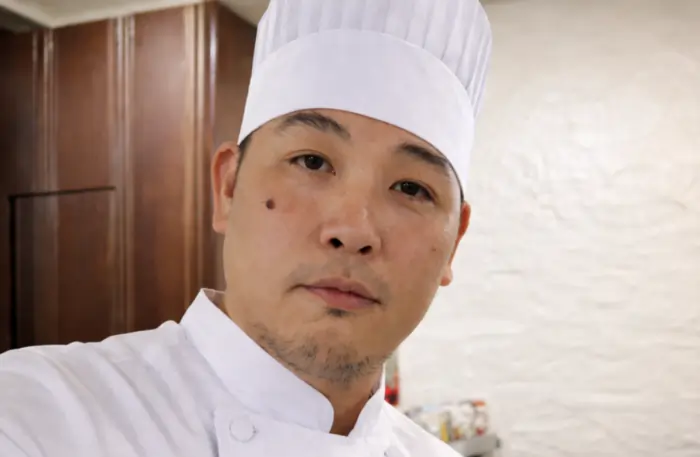
Chef Juan Gadi brings the heart of Filipino hospitality to Ubud, Bali. As an Executive Chef and consultant, he specializes in creating intimate, curated dining experiences that tell a story through every dish. Whether leading the kitchen at Kilig Filipino Warung or hosting a private villa dinner, Chef Juan’s approach is defined by warmth, modern technique, and a commitment to culinary excellence.