Guide to Filipino Dining Styles From Casual to Fine Dining Key Takeaways
Filipino dining styles form a vibrant spectrum from humble street-side eateries to world-class fine dining, each reflecting the country’s deep-rooted hospitality and diverse culinary heritage.
- This Guide to Filipino Dining Styles From Casual to Fine Dining unlocks authentic flavors, from street food to heritage restaurants .
- Learn how casual dining and fine dining reinterpret traditional recipes through shared platters , kamayan feasts, and tasting menus .
- Discover where to find local specialties , how to choose the right experience, and essential dining etiquette for culinary tourism in the Philippines.
A Complete Guide to Filipino Dining Styles From Casual to Fine Dining
Every meal in the Philippines tells a story. From the sizzle of skewered meat on a busy sidewalk to the refined plating of a contemporary Filipino cuisine tasting menu, the country’s dining landscape mirrors its geography, history, and the warmth of Filipino hospitality. Understanding this spectrum — a true Guide to Filipino Dining Styles From Casual to Fine Dining — is the key to unlocking a richer travel and culinary experience. For a related guide, see How to Read a Filipino Menu Like a Local.
The Filipino table is never just about food; it’s about community, celebration, and the joy of sharing. This guide maps out every major dining style, answers the most common traveler questions, and reveals how local dining traditions have shaped the modern restaurant scene.
| Dining Style | Atmosphere | Typical Cost (per person) | Best For |
|---|---|---|---|
| Carinderia / Turo-turo | No-frills, roadside or neighborhood | ₱50–150 | Quick everyday meals, local workers |
| Eateries / Food courts | Casual indoor spaces | ₱100–300 | Variety, family quick bites |
| Family-style restaurants | Comfortable, communal | ₱200–500 | Group celebrations, classic home-style dishes |
| Casual dining | Modern, air-conditioned | ₱300–800 | Date nights, business lunches |
| Buffet restaurants | All-you-can-eat, lively | ₱400–1,500 | Variety seekers, special events |
| Boodle fight / Kamayan | Rustic, hands-on (banana leaves) | ₱300–700 (often group rates) | Social feasts, cultural immersion |
| Fine dining / Tasting menus | Elegant, chef-driven | ₱1,500–5,000+ | Special occasions, modern Filipino cuisine |
The table above serves as your quick reference. In the sections that follow, we’ll dive into each style, explain its cultural significance, and show you how to find the most authentic experiences — whether you’re a backpacker, a luxury traveler, or a culinary professional seeking inspiration.
Street Food, Carinderia, and Turo-Turo: The Heart of Everyday Filipino Dining
No Guide to Filipino Dining Styles From Casual to Fine Dining is complete without the grassroots establishments that feed millions daily. These are the soul of Filipino food culture, where flavors are bold, prices are low, and the welcome is always warm.
Street Food and Food Markets
Philippine street food is a sensory adventure. From grilled isaw (chicken intestines) to fish balls, kwek-kwek (battered quail eggs), and the iconic balut, these bites capture the essence of local specialties. Night markets like Mercato Centrale in Manila or Larsian in Cebu are living classrooms of regional cuisine. Travelers should look for busy stalls with high turnover — a sure sign of freshness.
For an even deeper dive, many food markets such as Salcedo Saturday Market also feature artisanal versions of traditional favorites, bridging the gap between street hawker and boutique vendor. This is where culinary tourism truly begins.
What Is a Carinderia and Why Is It Popular?
A carinderia is a small, often family-run eatery serving home-cooked traditional recipes in simple surroundings. Dishes like adobo, sinigang, and pinakbet are displayed in glass counters, and diners point to what they want. This style, also called turo-turo (from the Filipino “to point”), is popular because it’s affordable, fast, and gives an honest taste of everyday Filipino life. Carinderias are the backbone of local dining and a must-try for anyone seeking authentic Filipino food.
What Is Turo-Turo Dining?
Turo-turo dining is exactly that — you point at the dishes you want. Found in eateries and food courts across the archipelago, this informal style lets you assemble a complete meal with rice and a few viands for a fraction of restaurant prices. It’s a visual, no-pressure way to explore local specialties and is a favorite among office workers and students. Don’t be afraid to ask questions; the staff’s Filipino hospitality will make you feel at home.
Family-Style Restaurants, Casual Dining, and Boodle Fight Experiences
Moving up the ladder, family-style restaurants and casual dining venues offer more comfort while preserving the communal spirit that defines Filipino meals. These are where groups gather for birthdays, reunions, and leisurely Sunday lunches.
What Should Travelers Expect at a Filipino Family-Style Restaurant?
Expect large shared platters brought to the table, with everyone helping themselves. Classics like kare-kare, crispy pata, and pancit are served alongside unlimited rice. The atmosphere is relaxed and convivial, often accompanied by karaoke or live acoustic music. These restaurants highlight heritage cuisine in its most comforting form and are ideal for tasting a wide range of dishes without committing to a single plate.
Casual dining chains like Max’s Restaurant, Kuya J, or Mesa elevate the experience with air-conditioned interiors, plated service, and creative twists on traditional recipes. They are perfect for business lunches or travelers who prefer a predictable yet authentic meal. Many also offer regional specialties, giving you a taste of local dining from provinces you may not have time to visit.
The Boodle Fight and Kamayan Tradition
No Guide to Filipino Dining Styles From Casual to Fine Dining would be authentic without the boodle fight. A true kamayan (eating with hands) experience, it spreads a mountain of grilled seafood, meats, and vegetables on banana leaves, and everyone eats together without utensils. This style blends Filipino hospitality with military tradition and has become a beloved practice in casual dining and even some buffet restaurants. It’s messy, joyful, and deeply symbolic of the Filipino value of sharing.
Buffet restaurants like Vikings or Spiral offer extensive local specialties and international fare, often including a carving station and a dessert room. While not exclusively Filipino, they are a popular way for large groups to sample regional cuisine and contemporary versions of traditional Filipino restaurants offerings.
Fine Dining, Tasting Menus, and Farm-to-Table in the Philippines
At the top of the spectrum, fine dining in the Philippines has undergone a remarkable transformation. Today’s upscale restaurants are rewriting what Filipino culinary experiences can be, earning international acclaim and redefining contemporary Filipino cuisine.
How Do Modern Fine Dining Restaurants Reinterpret Traditional Filipino Cuisine?
Leading Filipino chefs deconstruct and elevate heirloom recipes using modern techniques and premium ingredients. Degustation menus may feature adobo foie gras, sinigang consommé, or lechon prepared sous-vide. Farm-to-table concepts like Toyo Eatery and Gallery by Chele champion local produce, foraging, and fermentation to create dishes that honor heritage cuisine while telling a new story. These tasting menus are designed around tasting menus that highlight local specialties from specific regions, turning a meal into a cultural journey. For a related guide, see 12 Dining Concepts That Elevate Special Occasions.
One example is Chef Juan Gadi, who brings the heart of Filipino hospitality to Ubud, Bali, curating intimate dinners that marry modern technique with story-driven plates. His approach — warm, precise, and deeply personal — mirrors the global rise of Filipino chefs who are putting their homeland’s flavors on the world map. This wave of innovation makes fine dining in the Philippines an essential part of any culinary tourism itinerary.
Casual Dining vs. Fine Dining: Key Differences
While both can be authentic, the distinction lies in ambiance, service, and conceptual depth. Casual dining prioritizes comfort, value, and familiar flavors, often serving generous portions for sharing. Fine dining, on the other hand, focuses on artistry, plating, ingredient provenance, and a curated narrative. Price points are higher, and reservations are often required. However, even in the most elegant rooms, you’ll find a thread of Filipino hospitality — gracious, personal, and sincere.
How to Choose the Right Filipino Dining Experience for Your Trip
With so many options, matching a meal to your travel style, budget, and curiosity is key. Use this checklist to navigate the Guide to Filipino Dining Styles From Casual to Fine Dining in real time.
- Budget travelers: Embrace carinderia, turo-turo, and street food; you’ll eat well for under ₱200.
- Cultural explorers: Book a boodle fight or a kamayan dinner; ideally in a heritage restaurant or outdoor setting.
- Families and groups: Opt for family-style restaurants or buffet restaurants where everyone can taste different dishes.
- Luxury and fine-dining enthusiasts: Reserve a table at a chef-driven restaurant offering tasting menus or degustation menus, and allow at least two hours.
- Food bloggers and chefs: Mix street-level exploration with farm-to-table fine dining to capture the full creative spectrum.
What Dining Etiquette Should First-Time Visitors Know?
Filipino meals are relaxed but there are thoughtful cues. When eating kamayan, use only your right hand (the left is traditionally for hygiene). Don’t be shy about asking for additional sawsawan (dipping sauces). In fine dining, standard international etiquette applies, but it’s perfectly acceptable to show enthusiasm — Filipino hospitality thrives on genuine appreciation. If you’re invited to a home, a small gift is welcomed, and it’s polite to wait for the host to start eating. Tipping (10%) is customary in casual dining and upscale restaurants, though not required in carinderia.
Why Filipino Dining Styles Reflect Hospitality, Culinary Diversity, and Heritage
Every dining style in this Guide to Filipino Dining Styles From Casual to Fine Dining is a mirror of the nation’s soul. The abundance of shared platters and buffet restaurants echoes the Filipino value of bayanihan — communal unity. The endless variety of regional cuisine, from Ilocos’ bagnet to Mindanao’s piyanggang, illustrates over 7,000 islands’ worth of local specialties. And the seamless shift from humble turo-turo to world-class tasting menus shows a culture that honors its roots while embracing innovation.
Filipino hospitality — a genuine, heartfelt welcome — is the common thread. Whether you’re standing by a street food cart or seated under chandeliers, the goal is the same: to feed you well and make you feel like family. That’s why culinary tourism in the Philippines goes beyond flavors; it’s an immersion in one of the world’s most generous food cultures. Use this Guide to Filipino Dining Styles From Casual to Fine Dining as your compass, and every meal will become a story worth telling.
Useful Resources
For deeper exploration, consult these trusted sources when planning your Philippine food journey:
- Philippines Department of Tourism – Official Food Experiences – curated regional food trails, festival guides, and culinary tours.
- Spot.ph Eat and Drink – up-to-date reviews, lists of top Filipino restaurants, and features on modern Filipino chefs.
Frequently Asked Questions About Guide to Filipino Dining Styles From Casual to Fine Dining
What are the main Filipino dining styles ?
The primary styles include street food, carinderia / turo-turo, eateries and food courts, family-style restaurants, casual dining, buffet restaurants, boodle fight / kamayan, heritage restaurants, and fine dining / tasting menus. Each offers a different lens on Filipino food culture.
How does casual dining differ from fine dining in the Philippines?
Casual dining emphasizes comfort, generous shared platters, and moderate prices. Fine dining focuses on artistry, degustation menus, farm-to-table sourcing, and an elevated narrative around contemporary Filipino cuisine. Both reflect Filipino hospitality, but fine dining adds a storytelling dimension.
What is a carinderia and why is it so popular?
A carinderia is a small local eatery serving home-cooked traditional recipes at low cost. It’s popular because it’s fast, affordable, and provides a direct taste of everyday authentic Filipino food — often the same dishes families cook at home.
What does turo-turo mean?
Turo-turo literally translates to “point-point.” Diners simply point at pre-prepared dishes displayed in a counter, creating a personalized meal with rice and several viands. It’s a visual, no-menu ordering style common in eateries and carinderia.
What is a boodle fight and how is it related to kamayan?
A boodle fight is a communal feast where food is spread on banana leaves and eaten with the hands — a practice called kamayan. Originally a military eating tradition, it’s now a popular social dining experience symbolizing equality and sharing.
Are there fine dining restaurants that serve Filipino food?
Yes, many fine dining and upscale restaurants now specialize in contemporary Filipino cuisine. Chefs reinterpret classics like adobo and sinigang using modern techniques, often in tasting menus and degustation menus that emphasize local specialties and farm-to-table values.
What should I expect at a Filipino family-style restaurant?
Expect large shared platters, unlimited rice, and a lively, casual atmosphere. Dishes are meant for the table to share, encouraging conversation and bonding. Many heritage restaurants operate this way, showcasing regional cuisine in a welcoming setting.
Can I find authentic Filipino food in food courts?
Yes, many food courts in malls and transport hubs feature stalls offering local specialties, from silog breakfasts to regional barbecue. They are a convenient way to sample multiple traditional recipes in one stop.
What is Filipino hospitality in dining?
Filipino hospitality is the genuine, caring service extended to guests — making you feel like family. In dining, it can mean staff who smile, offer recommendations, and ensure you’re fully satisfied, whether in a humble carinderia or an elegant fine dining room.
What dining etiquette should I know before visiting the Philippines?
Use your right hand when eating kamayan. It’s polite to wait for the host or eldest to begin. In fine dining, follow international norms. Tipping around 10% is standard in casual dining and upscale restaurants, but not obligatory at carinderia.
Where can I experience regional cuisine in the Philippines?
Provincial heritage restaurants, local food markets, and specialized fine dining spots highlight regional cuisine. Destinations like Pampanga, Cebu, and Iloilo are famous for distinct local specialties that rarely appear in generic Metro Manila menus.
Is street food safe to eat in the Philippines?
Generally, yes — choose stalls with high customer turnover and food cooked fresh to order. Popular street food like fish balls, isaw, and kwek‑kwek are beloved staples. Drinking bottled water and watching for cleanliness are sensible precautions.
What is farm-to-table dining in the Philippine context?
Farm-to-table emphasizes sourcing ingredients directly from local growers and producers. Many modern Filipino chefs champion this philosophy, using organic vegetables, heritage rice, and artisan salts to craft dishes that celebrate the archipelago’s agricultural diversity.
How do Filipino chefs blend tradition and innovation?
Filipino chefs study ancestral traditional recipes and apply global techniques — from sous-vide to molecular gastronomy — to preserve core flavors while elevating presentation. This results in contemporary Filipino cuisine that respects heritage while speaking to modern palates.
What is a degustation menu?
A degustation menu is a multi-course tasting experience designed to showcase a chef’s creativity. In the Philippines, these menus often tell a story through local specialties, seasonal produce, and reimagined traditional recipes, paired with wine or local spirits.
Can I find vegetarian options in Filipino dining?
While meat and seafood dominate, many carinderia and casual dining restaurants offer vegetable dishes like laing, gising‑gising, and pinakbet. In fine dining, chefs are increasingly crafting plant‑based tasting menus that highlight native vegetables and fruits.
How do buffet restaurants fit into Filipino food culture?
Buffet restaurants are a favorite for celebrations, where groups can enjoy endless servings of local specialties and international dishes. They reflect the cultural love for variety and abundance, making them a go‑to for family gatherings and corporate events.
What are heritage restaurants?
Heritage restaurants are dining establishments housed in historically or culturally significant locations, often serving traditional recipes passed down through generations. They allow diners to taste history and are key stops for culinary tourism and heritage cuisine enthusiasts.
How can I experience culinary tourism in the Philippines?
Culinary tourism in the Philippines combines market explorations, cooking classes, food tours in neighborhoods like Binondo, and visits to iconic Filipino restaurants. It’s best planned regionally, focusing on regional cuisine that varies from island to island.
Why do Filipino dining styles emphasize sharing?
The prevalence of shared platters, buffet restaurants, and boodle fight traditions stems from the core Filipino values of kapwa (shared identity) and bayanihan. Food is seen as a bridge that strengthens relationships and expresses Filipino hospitality at its purest.
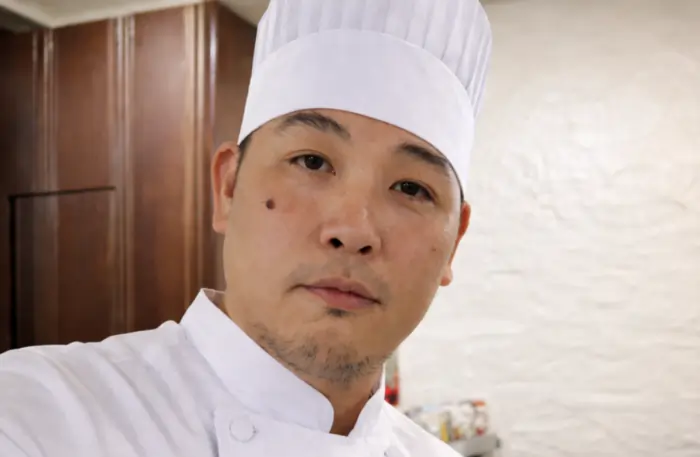
Chef Juan Gadi brings the heart of Filipino hospitality to Ubud, Bali. As an Executive Chef and consultant, he specializes in creating intimate, curated dining experiences that tell a story through every dish. Whether leading the kitchen at Kilig Filipino Warung or hosting a private villa dinner, Chef Juan’s approach is defined by warmth, modern technique, and a commitment to culinary excellence.