
Why Fresh Herbs Matter in Filipino Cooking Key Takeaways
Fresh herbs are the silent storytellers of Filipino cuisine , transforming simple ingredients into deeply aromatic dishes that speak of home, region, and tradition.
- Understanding why fresh herbs matter in Filipino cooking unlocks the secret behind the brightness in every spoonful of sinigang or tinola .
- From tanglad to malunggay , each herb carries a distinct purpose — whether it’s masking gamey notes or adding a cooling contrast to rich coconut milk .
- Travelers and home cooks alike can replicate authentic flavors only by embracing the vibrant, living quality of fresh-picked leaves over dried substitutes.
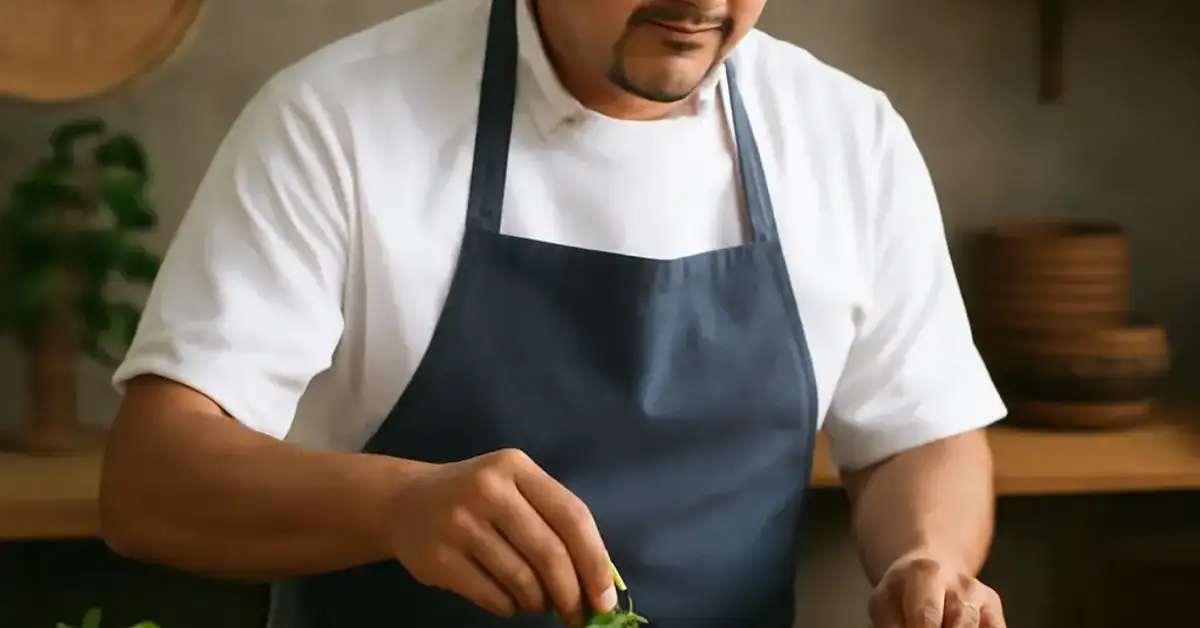
Beyond flavor, Filipino herbs have always been viewed as medicine. Malunggay is famously nutrient-dense, packed with vitamins A, C, and iron — which is why it’s added to broths for new mothers. Tanglad is brewed as a calming tea and believed to aid digestion. Pandan leaves are steeped to soothe headaches. Oregano is a folk remedy for cough. The very act of cooking with these local herbs infuses everyday meals with protective properties, another reason why fresh herbs matter in Filipino cooking — they nourish the body while delighting the senses.
When I design menus in Ubud, I often highlight these benefits for health-conscious guests, showing how a simple tinola becomes a powerhouse of wellness without any effort beyond grabbing a handful of backyard greens.
Where Travelers Can Taste Authentic Herb-Based Filipino Dishes
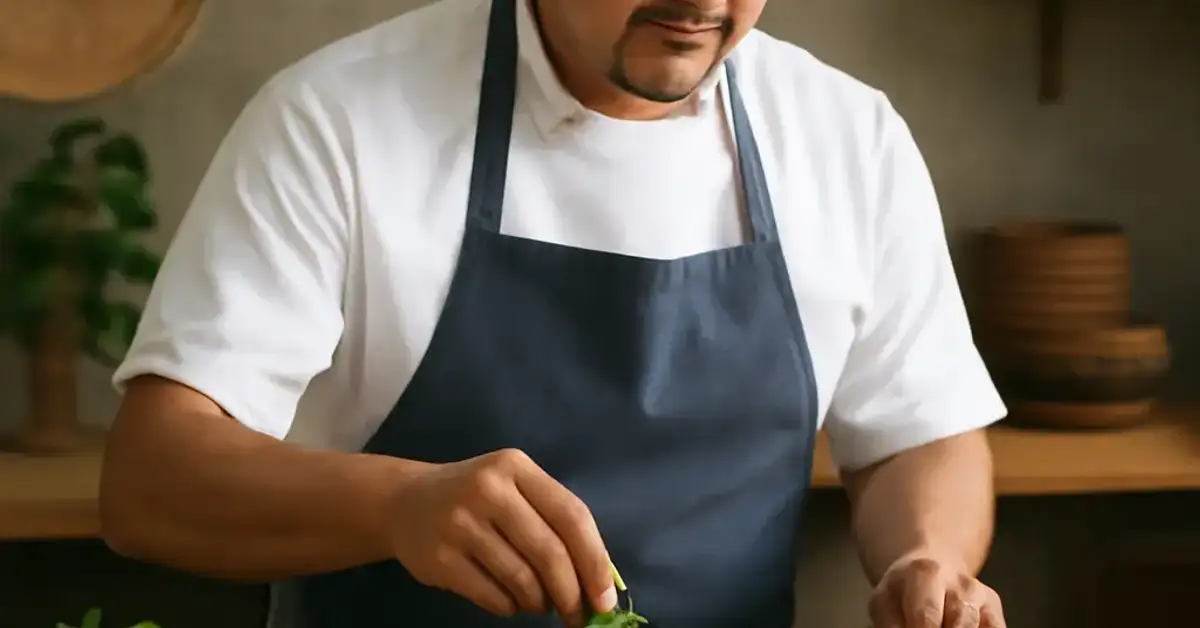
For food travel Philippines enthusiasts, the best way to experience regional specialties is to go directly to the source. In the Bicol region, dishes like laing and pinangat showcase coconut milk and local leaves wrapped in banana leaves. In Ilocos, the grilled seafood basted with a mix of calamansi leaves, spring onions, and bagoong is a revelation. And in any humble carinderia across the country, you’ll find clear broths studded with tanglad and malunggay. For a related guide, see 11 Filipino Comfort Foods Every Traveler Should Discover.
If your travels bring you to Bali, I welcome you to my table at Kilig Filipino Warung. Here, I source local Balinese fresh produce like lemongrass and garlic chives to recreate traditional recipes with a farm-to-table philosophy. It’s my way of proving that why fresh herbs matter in Filipino cooking transcends geography — wherever you are, the right leaf changes everything. For a related guide, see How Fresh Local Ingredients Elevate Filipino Cuisine in Bali.
Bringing Filipino Herb Magic to Your Home Kitchen
Recreating authentic Filipino food outside the Philippines does not require a plane ticket. Start with a small pot of tanglad on a sunny windowsill; it sprouts easily and gives you endless stalks. Grow malunggay in a large container — its leaves are generous. Keep a bundle of pandan in the freezer, wrapped tightly, to add to rice or coconut milk-based desserts. When making adobo, finish with torn basil or a sprinkle of spring onions. For sinigang, hunt down fresh calamansi leaves at Asian grocers or use tanglad as your base note. For a related guide, see 7 Signature Ingredients Behind Filipino Cuisine in Bali.
The secret is to treat herbs like a gift, not a garnish. Respect their volatility, add them late in cooking except for hearty stalks, and never be afraid to let their scent lead your spoon. This hands-on approach, the same I practice every day in my Ubud kitchen, is the ultimate lesson in why fresh herbs matter in Filipino cooking.
Useful Resources
To dive deeper into the world of Filipino herbs and traditional cooking, these reputable sources offer inspiration and practical knowledge:
- Panlasang Pinoy — A Comprehensive Guide to Lemongrass (Tanglad) and Its Uses — A detailed look at how to select, store, and cook with this essential herb in Filipino recipes.
- Choose Philippines — Herbs and Spices in Filipino Cuisine — A cultural journey through the aromatic flavors that define Philippine food culture.
Frequently Asked Questions About Why Fresh Herbs Matter in Filipino Cooking
What fresh herbs are commonly used in Filipino cooking?
Common fresh herbs include lemongrass (tanglad), pandan, calamansi leaves, spring onions, garlic chives, basil (balanoy), oregano, kinchay (Chinese celery), cilantro (wansoy), curry leaves, and malunggay. These are used in soups, stews, grilled seafood, and marinades throughout the country.
Why do fresh herbs matter in Filipino cuisine ?
Fresh herbs provide volatile oils, vibrant color, and layered aromatics that dried versions lack. They define the bright, balanced character of dishes like sinigang, tinola, and laing, making them essential for authentic Filipino food.
How do herbs enhance the flavor of traditional Filipino dishes?
Herbs complement core ingredients: tanglad adds citrus depth to broths, pandan perfumes coconut milk-based desserts, calamansi leaves brighten sour stews, and malunggay adds an earthy, nourishing note. Their release of essential oils upon heating or chopping creates immediate aroma.
Which Filipino recipes rely on fresh herbs the most?
Tinola (with malunggay and tanglad), sinigang (with calamansi leaves), laing (with basil), grilled seafood (wrapped in banana leaves with spring onions), and adobo finished with fresh herbs rely heavily on fresh leaves to achieve their signature taste.
What is the difference between fresh and dried herbs in Filipino cooking?
Fresh herbs deliver bright, immediate flavors and possess the moisture needed to infuse broths and sauces gently. Dried herbs lose most volatile oils and often turn bitter or musty, so they are rarely used in traditional Filipino recipes except for some dried oregano or curry leaves as a last resort.
How do herbs complement ingredients such as coconut milk, seafood, and meats?
Pandan adds a sweet contrast to rich coconut milk; calamansi leaves cut through the oiliness of fried or fatty meats; garlic chives and spring onions enhance the natural sweetness of seafood. The herbal layer balances richness, lifts freshness, and adds complexity to any protein or creamy base.
Where can travelers experience authentic herb-based Filipino dishes?
Seek out carinderias in Cuisine-rich regions like Bicol (laing), Ilocos (basi-basted grilled fish), and the Visayas (kinilaw with cilantro). For a curated experience, visit Kilig Filipino Warung in Ubud, Bali, where Chef Juan Gadi crafts herb-forward traditional recipes using local Balinese produce.
How can home cooks use fresh herbs to recreate Filipino recipes?
Grow tanglad and malunggay at home; keep pandan leaves frozen. Add lemongrass stalks to broths, basil to adobo at the end, and spring onions to finishing sauces. Mimic calamansi leaves with a blend of lime zest and kaffir lime leaves if needed. Always choose fresh over dried.
What health benefits do common Filipino herbs provide?
Malunggay is packed with iron and vitamins A and C; tanglad aids digestion; pandan can soothe headaches; and oregano is a natural cough remedy. These herbs make traditional Filipino meals both flavorful and nourishing.
Why are fresh herbs an essential part of Filipino culinary heritage, regional cooking, and everyday meals?
Fresh herbs reflect the archipelago’s biodiversity and the resourcefulness of home cooks who turned wild leaves into core ingredients. They differentiate regional cuisines — from Bicol’s coconut milk and leaves to the northern grilled seafood basted with local greens — and remain a daily link to the land and family traditions.
Are there regional differences in the use of herbs in the Philippines?
Absolutely. Bicol makes heavy use of basil and taro leaves with chili and coconut milk. The Visayas favor cilantro and spring onions for kinilaw. Northern Luzon relies on garlic chives and calamansi leaves for grilled dishes, while Moro cuisine incorporates curry leaves into rich stews.
How do you properly store fresh herbs like lemongrass and pandan?
Wrap tanglad in damp paper towels and refrigerate for up to two weeks, or freeze whole stalks in airtight bags. Pandan leaves should be kept in a sealed bag in the freezer to preserve their vanilla aroma. Soft herbs like basil and cilantro are best stored stems-down in water, covered loosely, in the fridge.
Can I grow Filipino herbs in my garden outside the Philippines?
Yes, many Filipino herbs thrive in tropical or warm climates. Tanglad, malunggay, and garlic chives are particularly forgiving. In temperate zones, grow them in pots and bring them indoors during colder months — a rewarding way to keep authentic flavors close.
What is the role of banana leaves beyond wrapping?
Banana leaves impart a subtle grassy fragrance, keep food moist, and can be used as a natural plate. When used for grilling fish or steaming coconut milk cakes, they protect the food while releasing delicate flavor compounds that enhance the entire dish.
How does malunggay contribute to nutrition in Filipino dishes?
Known as a superfood, malunggay provides high levels of calcium, potassium, and protein. Its rapid cook time at the end of tinola or monggo preserves these nutrients, making it a cornerstone of both flavor and wellness in Filipino cooking.
What is the best way to use calamansi leaves in cooking?
Lightly bruise or tear calamansi leaves to release oils before adding them to broths, marinades, or steaming baskets. They work beautifully in clear soups like sinigang or as a bed for grilled fish, infusing a pure, clean citrus note.
How do Filipino chefs balance herbs with bagoong or patis?
Strong fermented condiments like bagoong and patis need fresh, bright herbs to lift the palate. Chefs often finish a savory dish with a handful of spring onions or a scattering of kinchay to add freshness that counters the saltiness and complements the umami.
Why is kinchay often confused with cilantro?
Kinchay (Chinese celery) has flat, serrated leaves similar to flat-leaf parsley but with a milder, celery-like taste, while cilantro (wansoy) has a pungent, citrusy flavor. In markets, they are sometimes labeled similarly, but the taste difference is noticeable in dishes like pancit bihon versus fresh sawsawan.
What herbs are essential for a Filipino adobo?
Classic adobo often relies on dried bay leaves, but many regional versions finish with fresh basil, oregano, or even spring onions. Adding a few torn leaves right before serving introduces a green, peppery note that makes the dish sing.
How have modern Filipino restaurants reimagined herb usage?
Chefs like Juan Gadi blend tradition with innovation — using lemongrass foam, pandan-infused oils, and fresh herb garnishes that honor the past while creating lighter, more aromatic plates that appeal to global diners. This evolution shows that why fresh herbs matter in Filipino cooking is a living, breathing conversation.
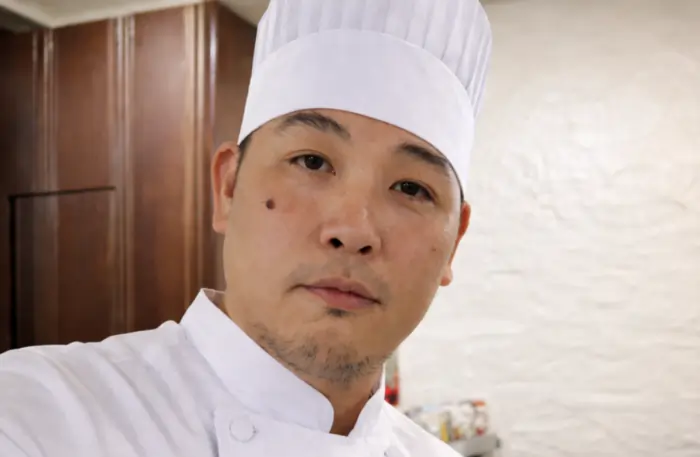
Chef Juan Gadi brings the heart of Filipino hospitality to Ubud, Bali. As an Executive Chef and consultant, he specializes in creating intimate, curated dining experiences that tell a story through every dish. Whether leading the kitchen at Kilig Filipino Warung or hosting a private villa dinner, Chef Juan’s approach is defined by warmth, modern technique, and a commitment to culinary excellence.