
Why Filipino Cuisine Is Perfect for Group Dining Key Takeaways
Filipino cuisine is built on the joy of sharing, with dishes and traditions that turn every meal into a communal celebration.
- Discover how Why Filipino Cuisine Is Perfect for Group Dining centers on shared platters and communal meals that bring people together.
- Learn why iconic dishes like lechon , adobo , and pancit are designed to feed a crowd and spark conversation.
- Explore how fiesta traditions and Filipino hospitality transform a simple lunch into an unforgettable group dining experience.

The Cultural Soul of Filipino Communal Dining
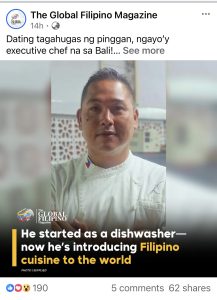
Walk into any Filipino home, and before you see the food, you’ll feel the warmth. It’s a warmth that comes from a table groaning under the weight of countless platters, the aroma of garlic and vinegar filling the air, and the unspoken understanding that no one eats alone. As Chef Juan Gadi, who now brings this spirit to Ubud’s Kilig Filipino Warung, often tells his guests, “Filipino food is never just about the food—it’s about the people you share it with.” This philosophy has deep roots in the archipelago’s history, where fiesta traditions and tight-knit communities turned eating into a collective affair. For a related guide, see Why Filipino Meals Are Designed Around Variety Instead of One Main Dish.
At its core, Filipino cuisine for group dining is a living expression of Filipino hospitality. Every dish is plated with the expectation that hands will reach across and conversations will flow. It’s a natural extension of the concept of “salu-salo”—a feast where everyone is invited.
Family-Style Dining: More Than Just a Service Style
The family-style dining format isn’t a restaurant trend in the Philippines; it’s the default setting. Plates of rice are heaped high in the middle, surrounded by multiple viands. Diners take a little from each shared platter, building a personalized yet connected plate. This encourages a dynamic rhythm of passing, serving, and tasting that makes the entire group participate in the meal’s flow. For a related guide, see Why Filipino Meals Are Designed Around Variety Instead of One Main Dish.
The Role of Rice and Dipping Sauces in Uniting the Table
No Filipino group meal is complete without rice—it’s the canvas for every flavor. Alongside it, an array of dipping sauces like calamansi-spiked patis or fermented bagoong invites each diner to customize their bites. These small bowls become conversational catalysts: “Try this with the grilled fish,” someone might say, pushing a saucer of chili vinegar across the table. That tiny gesture is what makes communal meals so electric.
Why Filipino Cuisine Is Perfect for Group Dining: 5 Essential Dishes for Sharing
Ask any Filipino what dishes define a great party, and they’ll rattle off a list that instantly paints a picture of abundance. These five classics are the backbone of group dining, each engineered to satisfy a crowd and spark storytelling.
Adobo: The Beloved National Stew That Gets Better with Company
Simmered in vinegar, soy sauce, garlic, and peppercorns, adobo is comfort in a pot. Its salty-tangy richness clings to rice perfectly, making it a centerpiece that never runs out too fast. Because it tastes even better the next day, many hosts prepare massive batches, ensuring latecomers always get a steaming ladleful.
Sinigang: A Sour Soup That Warms the Heart of the Group
The sour broth of sinigang, whether made with tamarind, guava, or calamansi, wakes up the palate between richer bites. This shared soup, teeming with vegetables and tender pork or shrimp, gets passed around in a large bowl, and everyone steals a spoonful straight from the tureen.
Lechon: The Centerpiece of Every Filipino Feast
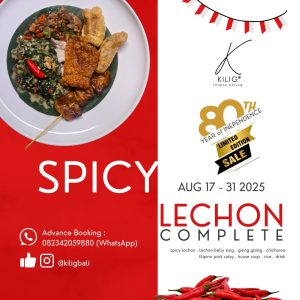
No celebration is complete without a whole roasted pig—lechon. Its crackling skin and juicy meat are carved right at the table, with guests jostling for the crunchiest parts. The very sight of a golden-brown lechon elevates any gathering into festive dining, embodying the celebration food spirit.
Pancit: Long Noodles for Long Life and Shared Joy
Pancit dishes—from bihon to canton—symbolize longevity and are always present at birthdays and fiestas. Because noodles slip and spill easily, serving them from one giant platter creates a playful, communal mess that breaks the ice and guarantees laughter.
Lumpia: Crispy Rolls That Disappear in Seconds
Fried to golden perfection, lumpia are the ultimate finger food for groups. Platters of these spring rolls, stuffed with pork and vegetables or sweet banana, are passed around endlessly, and the race to grab the last piece turns into a friendly competition that defines Filipino group dining.
Regional Specialties That Transform Group Dining into a Culinary Journey
Beyond the national favorites, the Philippines’ regional specialties turn a group meal into a food travel adventure. In coastal towns, grilled seafood like inihaw na bangus (grilled milkfish) or kinilaw (raw fish salad) lands on banana leaves for a shared platter experience called “boodle fight.” From the Pampanga region, rich kare-kare—an oxtail stew in peanut sauce—demands a communal spoon to drizzle bagoong over each serving. These island cuisine gems remind everyone that Filipino food is as diverse as its 7,000+ islands.
Hosting a Filipino Feast at Home: Tips from Chef Juan Gadi
If you’re inspired to recreate this atmosphere, Chef Juan Gadi suggests starting with a few non-negotiables. “Set the table with banana leaves, place all the food in the center, and let guests use their hands—kamayan style,” he advises. This home cooking approach instantly makes the gathering more intimate. Include tropical fruits like mangoes and pineapples for a sweet interlude, and end with halo-halo or colorful kakanin (rice cakes) that everyone can dig into. The key is abundance and a relaxed flow, just like a fiesta tradition brought into your own dining room.
Why Filipino Cuisine Is Perfect for Group Dining: A Celebration of Flavors and Connection
In the end, the magic isn’t only in the traditional recipes or the dipping sauces. It’s in the way a table of strangers becomes a family after passing lechon back and forth, and how a shared bowl of sinigang sparks memories of childhood. Why Filipino Cuisine Is Perfect for Group Dining can be summed up in one word: togetherness. Chef Juan Gadi’s curated dinners in Bali capture exactly this—a sense that every bite carries a story meant to be shared, proving that Filipino gastronomy is a heartfelt invitation to connect, celebrate, and keep the culinary heritage alive one shared meal at a time.
Useful Resources
Explore more about the communal essence of Filipino food through these curated sources:
- Philippine Department of Tourism – Food and Dining – Official insights into the country’s culinary traditions and festive dining culture.
- Pepper.ph – The Humble Beginning of the Filipino Fiesta – A deep dive into how fiesta traditions shaped modern Filipino group dining.
Frequently Asked Questions About Why Filipino Cuisine Is Perfect for Group Dining
Why is Filipino cuisine perfect for group dining?
Why is Filipino cuisine perfect for group dining is covered in the guide above with practical context, useful examples, and details readers can use to make a better decision.
What makes Filipino meals ideal for sharing?
What makes Filipino meals ideal for sharing is covered in the guide above with practical context, useful examples, and details readers can use to make a better decision.
How does family-style dining reflect Filipino culture and hospitality?
How does family-style dining reflect Filipino culture and hospitality is covered in the guide above with practical context, useful examples, and details readers can use to make a better decision.
Which Filipino dishes are best for groups and celebrations?
Which Filipino dishes are best for groups and celebrations is covered in the guide above with practical context, useful examples, and details readers can use to make a better decision.
Why is variety an important part of Filipino dining traditions?
Why is variety an important part of Filipino dining traditions is covered in the guide above with practical context, useful examples, and details readers can use to make a better decision.
How do shared meals strengthen family and social connections in the Philippines?
How do shared meals strengthen family and social connections in the Philippines is covered in the guide above with practical context, useful examples, and details readers can use to make a better decision.
What should first-time visitors expect when joining a Filipino group meal?
What should first-time visitors expect when joining a Filipino group meal is covered in the guide above with practical context, useful examples, and details readers can use to make a better decision.
How do fiestas and special occasions influence Filipino dining customs?
How do fiestas and special occasions influence Filipino dining customs is covered in the guide above with practical context, useful examples, and details readers can use to make a better decision.
What are the best combinations of dishes for a Filipino feast?
What are the best combinations of dishes for a Filipino feast is covered in the guide above with practical context, useful examples, and details readers can use to make a better decision.
Why does the communal nature of Filipino cuisine create a memorable dining experience for travelers?
Why does the communal nature of Filipino cuisine create a memorable dining experience for travelers is covered in the guide above with practical context, useful examples, and details readers can use to make a better decision.
What is kamayan and why is it a popular group dining experience?
What is kamayan and why is it a popular group dining experience is covered in the guide above with practical context, useful examples, and details readers can use to make a better decision.
How does Filipino hospitality enhance the group dining experience?
How does Filipino hospitality enhance the group dining experience is covered in the guide above with practical context, useful examples, and details readers can use to make a better decision.
What are the key components of a traditional Filipino boodle fight?
What are the key components of a traditional Filipino boodle fight is covered in the guide above with practical context, useful examples, and details readers can use to make a better decision.
Can you recreate Filipino group dining at home?
Can you recreate Filipino group dining at home is covered in the guide above with practical context, useful examples, and details readers can use to make a better decision.
What role does rice play in Filipino communal meals ?
What role does rice play in Filipino communal meals is covered in the guide above with practical context, useful examples, and details readers can use to make a better decision.
What are some popular dipping sauces that accompany shared dishes?
What are some popular dipping sauces that accompany shared dishes is covered in the guide above with practical context, useful examples, and details readers can use to make a better decision.
How do regional specialties differ in Philippine group meals?
How do regional specialties differ in Philippine group meals is covered in the guide above with practical context, useful examples, and details readers can use to make a better decision.
Why is lechon considered the centerpiece of Filipino celebrations?
Why is lechon considered the centerpiece of Filipino celebrations is covered in the guide above with practical context, useful examples, and details readers can use to make a better decision.
How does the Filipino fiesta tradition influence modern group dining?
How does the Filipino fiesta tradition influence modern group dining is covered in the guide above with practical context, useful examples, and details readers can use to make a better decision.
What are some vegetarian-friendly options for Filipino group dining?
What are some vegetarian-friendly options for Filipino group dining is covered in the guide above with practical context, useful examples, and details readers can use to make a better decision.
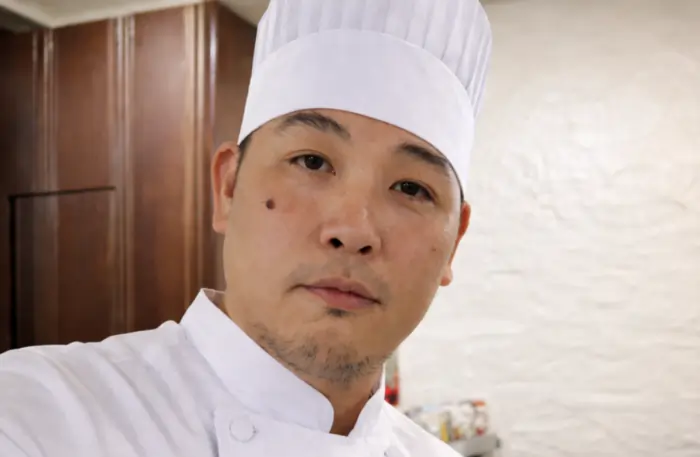
Chef Juan Gadi brings the heart of Filipino hospitality to Ubud, Bali. As an Executive Chef and consultant, he specializes in creating intimate, curated dining experiences that tell a story through every dish. Whether leading the kitchen at Kilig Filipino Warung or hosting a private villa dinner, Chef Juan’s approach is defined by warmth, modern technique, and a commitment to culinary excellence.