Filipino Cuisine Changes With the Time of Day Key Takeaways
From the crack of dawn to starlit evenings, Filipino meals tell a story of resilience, regional bounty, and profound hospitality.
- Filipino cuisine changes with the time of day by balancing sweet, savory, and sour flavors that mirror the country’s climate and communal eating habits.
- The famous silog breakfast , hearty lunchtime adobo, and the afternoon ritual of merienda are not just meals—they are cultural anchors.
- Every meal, from rice meals to late‑night street food , reflects deep‑rooted Filipino hospitality , regional pride, and family‑centered traditions.
I’ve spent my career as a chef crafting dishes that bridge tradition and modern technique at Kilig Filipino Warung here in Ubud, Bali. When international travelers ask me where to start their culinary journey, I always say, “Follow the day.” Every sunrise in the Philippines brings pandesal and silog breakfast; every twilight invites lechon and grilled seafood. Let me walk you through how Filipino Cuisine Changes With the Time of Day—a delicious clock that ticks with warmth and generosity.
The Morning Awakening: Silog Breakfast and the First Bite of Day
No meal captures the Filipino morning spirit more than a silog breakfast. Portmanteaus of sinangag (garlic fried rice) and itlog (egg), these rice meals anchor the day with protein and carbs. My favorite memory is waking up in a coastal village to the sizzle of grilled seafood—milkfish belly served as daing na bangus, a variant of the beloved tapsilog. Alongside it, a fluffy pandesal, its crust still crisp from the bakery oven, dipped into thick champorado or a mug of sweet local coffee. That’s the essence of Filipino coffee culture: strong, sweet kapeng barako brewed in a sock, often sipped while tearing apart warm bread.
In rural areas, breakfast might be a bowl of lugaw—rice porridge with ginger—or leftover adobo from the night before. Urbanites, on the other hand, grab a quick silog from a street corner or a sit‑down meal with calamansi juice and slices of tropical fruits like mango and papaya. Whatever the setting, breakfast is never lonely. It’s the first shared moment of family meals, setting the tone for the day’s rhythm.
Midday Indulgence: The Filipino Lunch and the Heart of Home Cooking
By noon, the aroma of adobo simmering in soy sauce, vinegar, and garlic becomes a national perfume. Lunchtime in the Philippines is the grandest meal, almost always built around steamed white rice. The iconic sinigang, a sour tamarind‑based soup loaded with pork or shrimp and crisp vegetables, cools the tropical heat even as it warms the soul. Another staple, pancit—stir‑fried noodles studded with vegetables and meat—symbolizes long life and appears on almost every communal table.
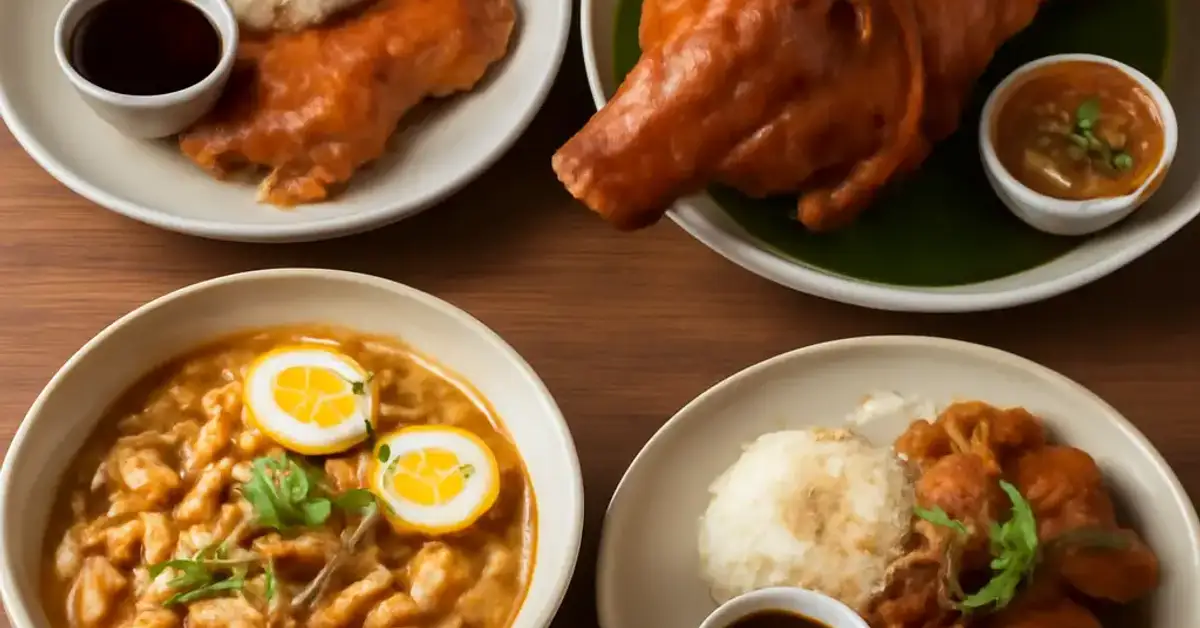
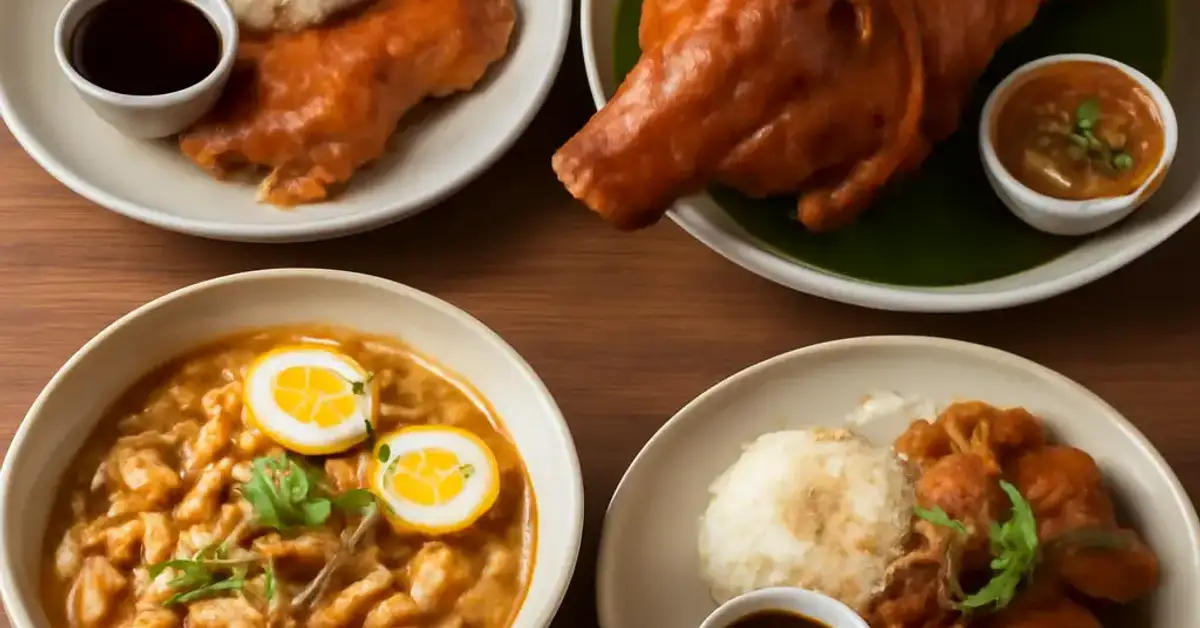
In my family, Sunday lunch meant a whole lechon ordered from the town’s specialist, its skin crackling like glass. This traditional Filipino food defines celebration, but even on ordinary days, lunch is a feast. A typical Filipino shared dining table might feature a crispy fried fish, a plate of grilled seafood like squid stuffed with tomatoes, and a simple dipping sauce of fish sauce and calamansi. Urban workers often rely on local snacks and carinderia meals, while rural families harvest vegetables from the backyard for something like pinakbet. The unifying thread? Every lunch is an act of Filipino hospitality—there’s always enough for an extra guest. For a related guide, see How Filipino Food Reflects the Spirit of Island Living.
Afternoon Sweetness: Merienda and the Joy of Kakanin
Between lunch and dinner lies one of the most delightful Filipino food traditions: merienda. This mid‑afternoon break isn’t just a snack—it’s a pause for connection. Streets hum with vendors selling kakanin, sticky rice cakes wrapped in banana leaves: puto, kutsinta, biko, and sapin‑sapin. At Kilig Filipino Warung, I often serve a tasting of these alongside cups of rich tsokolate, the traditional hot chocolate, to show guests how Filipino gastronomy balances sweet and earthy.
Street food takes center stage during merienda: fish balls, kwek‑kwek (breaded quail eggs), and banana‑cue (caramelized skewered bananas) are beloved by everyone from office workers to students. Halo‑halo, the iconic shaved ice dessert with evaporated milk, sweet beans, jellies, and ube ice cream, might appear earlier in the day, but its true magic happens when the afternoon sun is merciless. Paired with a plate of tropical fruits, merienda becomes an essential chapter in how Filipino Cuisine Changes With the Time of Day—a sweet, communal ritual that bridges hunger and sanity.
Evening Feasts: Dinner, Lechon, and the Art of Shared Dining
As the sun dips into the Sulu Sea, Filipino dinner transforms into an extension of lunch, often heartier and more festive. Rice meals remain the anchor, with adobo or sinigang reheated for the evening table, but the true star might be a lechon brought out for a special occasion, or a platter of grilled seafood freshly caught by a neighbor. Pancit again makes an appearance, reinforcing the noodle‑longevity belief.
Dinner is when family meals become theater. Plates are passed, stories exchanged, and Filipino hospitality shines at its brightest. In urban homes, you’ll find a mix of home cooking and takeout—maybe a bucket of fried chicken alongside a pot of kare‑kare. In rural areas, families might light a grill on the beach, wrapping fish in banana leaves. This meal, more than any, showcases the island’s culinary diversity, from regional specialties like Bicol’s spicy laing to Ilocos’ crispy bagnet. Drinks flow too: cold beer, calamansi juice, or perhaps a nightcap of lambanog.
Late‑Night Comfort: Street Food and the Pulse of Local Snacks
After dark, the city streets come alive with a different kind of feast. Street food culture peaks late at night, offering savory local snacks like isaw (grilled chicken intestines), betamax (coagulated blood), and deep‑fried tokneneng. This is where you’ll find sipping hot lugaw with a crowd of friends, a tradition that binds students and bar‑hoppers alike. Even in Bali, when I’m homesick, I’ll whip up a bowl of lugaw and think of Pampanga’s bustling night markets.
Coffee culture resurfaces too—night‑owl vendors brew instant coffee or kapeng barako on mobile carts, accompanied by a warm, slightly sweet pandesal. These simple moments encapsulate the Filipino ability to find comfort in food any hour, reinforcing that Filipino Cuisine Changes With the Time of Day but never loses its soul.
How Regional Specialties and Celebrations Shape the Daily Rhythm
One cannot fully grasp Filipino daily meals without zooming in on the regions. In the Visayas, grilled seafood and sour soup reign, while Mindanao’s halal rice meals like pianggang and beef rending dominate. The morning might start with champorado in Tagalog areas, but in Ilocos, a breakfast of garlic‑fried rice and longganisa takes pride. I’ve learned from cooking for hikers in Bukidnon that a trail lunch of adobo and tropical fruits tastes better than any fine‑dining plate.
Fiestas disrupt the routine too. A town celebrating its patron saint might fire up a dozen lechon at dawn, and afternoon merienda becomes a colorful parade of kakanin and halo‑halo. Even ordinary Sundays elevate mealtime into something more communal. These celebrations remind us that Filipino food culture isn’t static—it’s a living, breathing story of geography, faith, and family.
A First‑Timer’s Guide to Tasting Filipino Cuisine Across the Day
If you’re visiting the Philippines for the first time, I invite you to let the clock guide your palate. Here’s a simple roadmap, drawn from years of hosting international guests at my table in Ubud.
Morning Must‑Try: Silog and Pandesal Ritual
Start with a silog breakfast, choosing tapsilog (cured beef), tosilog (sweet pork), or longsilog (sausage). Dip your pandesal into a cup of sweetened coffee or tsokolate. At a local bakery, ask for freshly made pan de sal—crack it open while steaming. It’s pure joy.
Lunch Essentials: Adobo, Sinigang, and Pancit
For lunch, order a combo plate: one meat dish like pork adobo, a sinigang na baboy (pork in sour broth), and a heaping portion of rice. If you see pancit canton, grab it—the noodles symbolize long life and welcome. Don’t shy away from using your hands; shared dining is the Filipino way.
Afternoon Break: Merienda and Dessert Trails
Seek out an afternoon market for kakanin—I always tell travelers to try sapin‑sapin for its rainbow layers. Chase it with a bowl of halo‑halo or a stick of banana‑cue. It’s the perfect recharge before the evening feast.
Dinner and Beyond: Lechon and Street Food Adventures
Join a family dinner if invited—you’ll likely encounter lechon or a beautiful spread of grilled seafood. Later, wander a night market for isaw and kwek‑kwek. Pair everything with a squeeze of calamansi to understand why this tiny citrus holds the key to Filipino flavor.
Useful Resources
Explore more about Filipino cuisine and its regional depth through these trusted sources:
Frequently Asked Questions About Filipino Cuisine Changes With the Time of Day
How does Filipino cuisine change throughout the day?
Filipino cuisine evolves from light but energy‑packed breakfasts like silog breakfast and pandesal, to heavy, sour‑based lunches, a sweet merienda pause, and leisurely dinners often centered on lechon and grilled seafood. The underlying constant is rice at every meal.
What do Filipinos typically eat for breakfast?
A typical Filipino breakfast features garlic fried rice (sinangag), a fried egg (itlog), and a protein like tapa, tocino, or longganisa—collectively known as a silog breakfast. It’s complemented by pandesal, champorado, or lugaw, and often a cup of strong coffee.
What is merienda and why is it important in Filipino food culture?
Merienda is the mid‑afternoon snack that bridges lunch and dinner, deeply woven into daily life. It’s a social ritual where kakanin, street food, and sweet drinks like halo‑halo bring families and friends together, reflecting the communal heart of Filipino hospitality.
Why are rice dishes common at different times of the day?
Rice is the staple of Filipino cuisine across all meals, from morning rice meals to dinner. It balances the bold, salty, and sour flavors of dishes like adobo and sinigang, and provides sustained energy for a tropical, active lifestyle. For a related guide, see How to Pair Filipino Food With Tropical Fruits.
Which Filipino dishes are traditionally served in the morning?
Morning plates often include tapsilog (cured beef silog), champorado (chocolate rice porridge), pandesal, lugaw, and leftover viands like adobo. Fresh fruit and sweetened coffee complete the meal.
Which Filipino dishes are traditionally served in the afternoon?
Afternoon is merienda territory, dominated by kakanin (puto, kutsinta, biko), halo‑halo, banana‑cue, and street food like fish balls and kwek‑kwek. These snacks are light yet satisfying.
Which Filipino dishes are traditionally served in the evening?
Dinners feature lechon, grilled seafood, pancit, kare‑kare, and often a reheated adobo or sinigang. The meal is accompanied by plenty of rice and often concludes with tropical fruits or traditional desserts.
How do daily eating habits differ between urban and rural communities?
Urban dwellers may rely on take‑out silogs and carinderia lunches, while rural families cook home cooking from backyard produce and preserved meats. Merienda in rural areas often includes freshly prepared kakanin and local snacks, whereas cities embrace commercial street food.
What drinks and desserts are commonly enjoyed at different times of day?
Mornings call for hot coffee or tsokolate; lunch is washed down with calamansi juice or cold water. Merienda sees the rise of halo‑halo, sago’t gulaman, and fresh tropical fruits. At dinner, beer, coconut wine, or soft drinks complement the meal.
What should first‑time visitors try during each meal?
For breakfast, order a silog breakfast and fresh pandesal. Lunch should include adobo and sinigang. For merienda, sample assorted kakanin and a bowl of halo‑halo. At dinner, taste lechon and grilled seafood with a squeeze of calamansi.
How do celebrations influence daily Filipino dining patterns?
Fiestas and family gatherings turn everyday meals into feasts, often featuring whole lechon, multiple pancit varieties, and an extended merienda spread. These celebrations heighten the sense of shared dining and Filipino hospitality that permeates daily life.
How does Filipino cuisine evolve from breakfast to dinner while reflecting culture and hospitality?
The progression from simple morning silogs to grand evening feasts mirrors the Filipino value of community—breakfast fuels individual labor, lunch brings families together, merienda reconnects friends, and dinner becomes a generous act of welcome. Each meal is an invitation.
What role does coffee culture play in Filipino daily life?
Coffee culture is a morning staple and a late‑night comfort drink. From strong kapeng barako at dawn to sweet instant coffee sold on sidewalks at dusk, coffee accompanies pandesal and merienda, fostering moments of pause and conversation.
Which regional specialties define breakfast, lunch, and dinner?
In the Ilocos region, breakfast features longganisa and garlic rice; in the Visayas, lunch might center on lechon Cebu; and in Bicol, dinner often includes spicy laing and Bicol express. These regional specialties ensure that Filipino Cuisine Changes With the Time of Day differently across the archipelago.
What is silog breakfast and why is it iconic?
Silog breakfast combines garlic fried rice (sinangag) and a fried egg (itlog) with various proteins like tapa (beef), tocino (sweet pork), or bangus (milkfish). It’s iconic because it’s a quick, satisfying meal that’s deeply embedded in urban and rural Filipino routine.
What are common kakanin varieties and when are they eaten?
Kakanin such as puto, kutsinta, biko, and sapin‑sapin are primarily eaten during merienda but also appear at breakfast and as dessert. They are made from glutinous rice and coconut, offering a sweet, chewy contrast to savory meals.
Why is lechon so important in Filipino cuisine ?
Lechon, a whole roasted pig with crisp skin, is the centerpiece of Filipino celebrations. It symbolizes abundance and is often reserved for dinner or lunch on special occasions, yet its presence defines the communal, festive spirit of shared dining.
How does street food reflect Filipino daily life?
Street food from isaw to kwek‑kwek fuels merienda and late‑night gatherings, especially among students and workers. It’s affordable, flavorful, and represents the grassroots pulse of Filipino gastronomy, always shared and seasoned with camaraderie.
What tropical fruits are typically enjoyed at what times?
Mango, papaya, and banana are common at breakfast or as merienda sweets. Pineapple, watermelon, and coconut often accompany lunch, while tropical fruits like langka (jackfruit) and banana appear in halo‑halo for afternoon cooling.
How does Filipino hospitality shape mealtime traditions?
Filipino hospitality means offering food at any hour, often pushing guests to eat more. Meals become family meals even with strangers, and the constant presence of rice meals ensures that no one leaves the table hungry, a practice I preserve at my own kitchen.
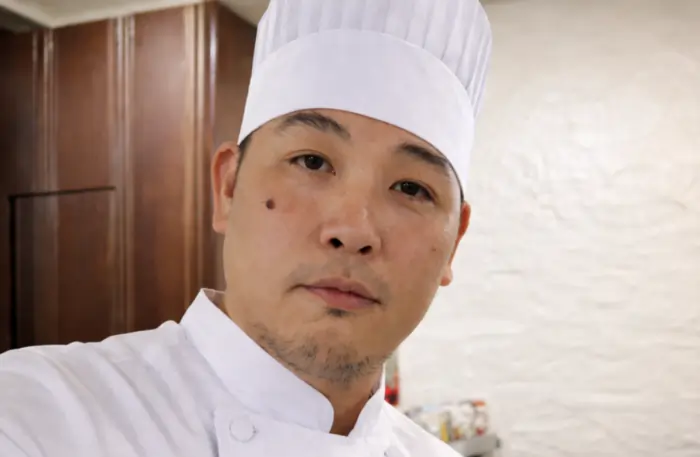
Chef Juan Gadi brings the heart of Filipino hospitality to Ubud, Bali. As an Executive Chef and consultant, he specializes in creating intimate, curated dining experiences that tell a story through every dish. Whether leading the kitchen at Kilig Filipino Warung or hosting a private villa dinner, Chef Juan’s approach is defined by warmth, modern technique, and a commitment to culinary excellence.