
Spice Sourness and Sweetness Work Together in Filipino Cooking Key Takeaways
In authentic Filipino cuisine, the interplay of chili heat, tangy sours, and natural sugars creates dishes that are never one‑dimensional.
- Spice Sourness and Sweetness Work Together in Filipino Cooking because vinegar, calamansi , and tamarind are paired with chili peppers and palm sugar in the same pot – not as separate courses.
- The result is a Filipino flavor profile that lifts simple ingredients into complex, layered experiences, unlike anything else in Southeast Asia.
- Understanding this balance is the key to appreciating regional specialties, from fiery Bicol Express to delicate kinilaw , and to recreating the warmth of Filipino hospitality at home.
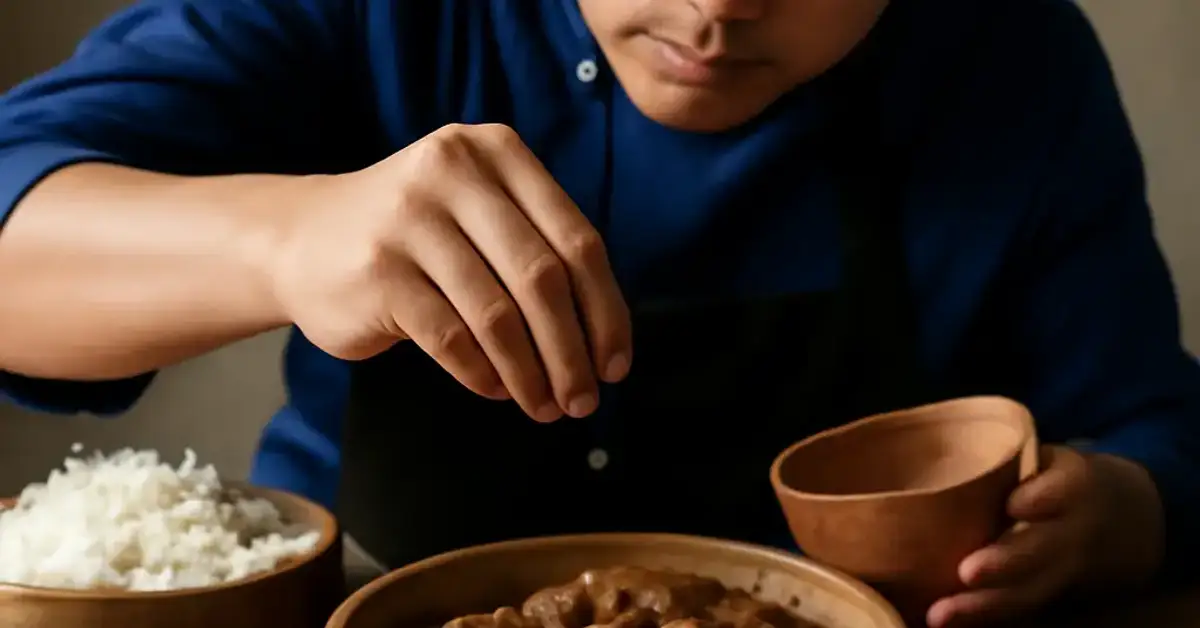
As an Executive Chef cooking for travelers at Kilig Filipino Warung in Ubud, Bali, I often see first‑time diners pause after their first bite. The look is always the same – surprise, a second thoughtful taste, then a smile. That’s the moment they discover how Spice Sourness and Sweetness Work Together in Filipino Cooking. In the same mouthful, they might get the gentle burn of garlic fried in coconut milk, the immediate zing of fresh calamansi, and a caramel‑like finish from palm sugar or ripe tropical fruits. This is not haphazard; it’s a culinary philosophy that has evolved over centuries, rooted in native local spices, trade influences, and an innate sense of Filipino hospitality. For a related guide, see Why Filipino Cooking Differs: 7 Proven Essential Regional Tastes.
The Secret Behind How Spice Sourness and Sweetness Work Together in Filipino Cooking
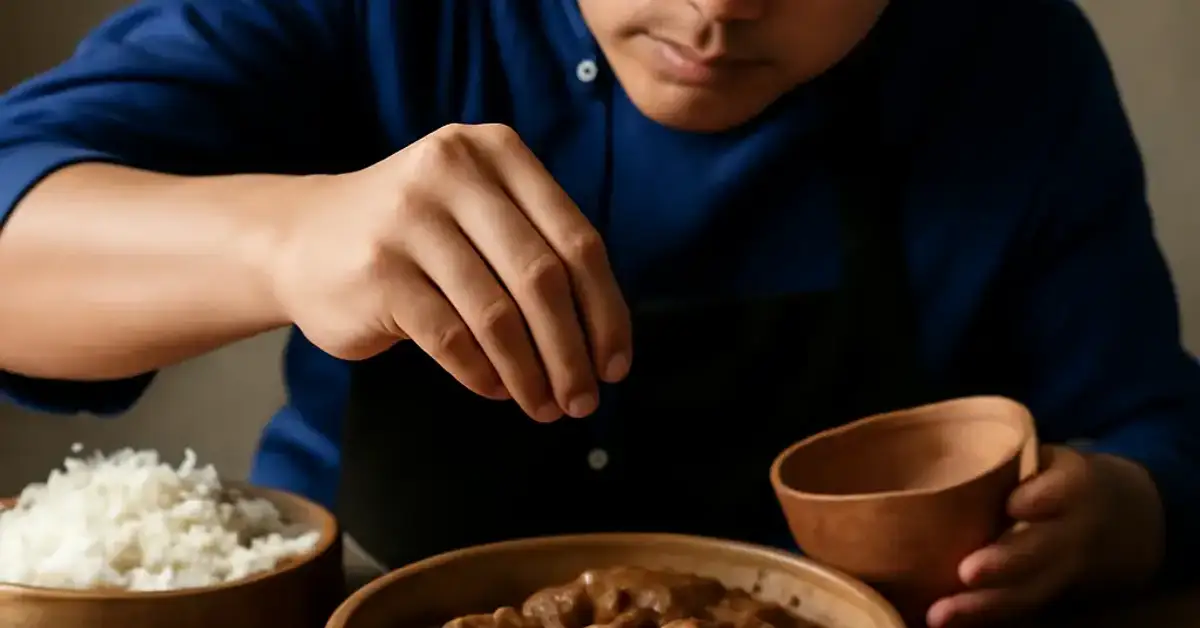
Many ask why Filipino cuisine is known for balancing multiple flavors. The answer lies in geography and history. The Philippines sits at a crossroads where Malay, Chinese, Spanish, and American food traditions converged, yet the indigenous palate always favored a deep, layered Filipino flavor profile. Early cooks didn’t have refrigeration, so they used vinegar (suka) and calamansi to preserve fish and meat. At the same time, the archipelago’s fertile soil produced an abundance of tropical fruits – mangoes, pineapples, bananas – that naturally sweeten dishes. Chili peppers and black pepper came later, but once embraced, they were never separated from the sour and sweet components. The result is a cuisine where Spice Sourness and Sweetness Work Together in Filipino Cooking as a single, inseparable identity. For a related guide, see A Guide to Choosing Filipino Dishes Based on Your Taste Preferences.
What Ingredients Create Sour Flavors in Traditional Filipino Dishes?
In my kitchen, the sour pantry is the larder’s heartbeat. Vinegar – cane vinegar, coconut sap vinegar (tuba), palm vinegar – is used in marinades, dipping sawsawan, and braises like adobo. Calamansi, that tiny Philippine lime, bursts with a perfume that is both sharp and floral; it finishes soups and brightens grilled fish. Tamarind (sampalok) gives sinigang its iconic puckering broth, while unripe green mango, bagoong (fermented fish paste), and even fermented rice (buro) add complex sour umami. These aren’t afterthoughts – they define the taste architecture of traditional Filipino food. For a related guide, see How to Pair Filipino Food With Tropical Fruits.
How Are Sweet and Savory Flavors Combined in Filipino Recipes?
The sweet‑savory dance is perhaps best known through adobo, where soy sauce and vinegar are tamed with a little palm sugar or table sugar, creating a sticky, glossy glaze. In kare‑kare, the thick peanut sauce enriched with toasted rice gets its sweetness from tropical fruits like bananas or a spoonful of sugar, contrasting the salty‑fermented depth of bagoong served alongside. My guests in Ubud often light up when they taste lumpia – crispy spring rolls – dipped in a sweet‑chili sauce that marries brown sugar with vinegar and garlic. Even the national obsession, lechon, is served with a sarsa made from pork liver, breadcrumbs, vinegar, and sugar. The Filipino palate doesn’t separate sweet from savory, which is why Filipino recipes so often taste like a full meal in one forkful.
Regional Filipino Dishes Where Spice Meets Sour and Sweet
Every region in the Philippines has its own interpretation of balanced flavors. Traveling through the islands is a journey through how coconut milk, chili peppers, and local spices behave differently in Bicol, the Visayas, and Mindanao.
Bicol Express: The Ultimate Spicy‑Savory‑Sweet Stew
Named after the legendary train, Bicol Express is a perfect classroom for understanding Spice Sourness and Sweetness Work Together in Filipino Cooking. It’s pork belly and coconut milk simmered with chili peppers (often siling labuyo or the milder siling haba) and bagoong or shrimp paste. The coconut milk brings a natural sweetness that tames the fire, while the shrimp paste adds a salty‑fermented punch. There’s no added sugar – the sweetness comes purely from reduced coconut cream and the pork itself. A squeeze of calamansi at the table introduces a late‑stage sour spike that wakes up the palate. It’s a dish that demands a full sensory engagement.
Kinilaw: Raw Seafood Transformed by Vinegar, Calamansi, and Spice
Kinilaw is the Philippine answer to ceviche, and it’s a masterclass in acid ‘cooking’. Fresh raw tuna, tanigue, or even shrimp are tossed with vinegar (often coconut vinegar), calamansi, chopped ginger, black pepper, and chili peppers. Sometimes a little coconut milk is added to mellow the acidity and add creaminess. Diced cucumber and sliced red onion contribute natural sweetness and crunch. The result is a refreshing, palate‑cleansing starter that still carries the hallmark tingle of spice and sourness, with an undercurrent of sweetness from fresh seafood and a hint of sugar if used.
Sinigang and Laing: Two Approaches to Sour‑Rich Harmony
While sinigang is universally known for its bold tamarind broth, many cooks layer sour agents – sometimes mixing tamarind with green mango, guava, or even kalamias (tree sorrel). The addition of pork belly or prawns brings natural sweetness, and a condiment of fish sauce with chili peppers infuses heat. On the other hand, laing – dried taro leaves simmered in coconut milk – gets its sour edge from a dash of vinegar and its spicy kick from chili peppers and ginger. In both, the balance is deliberate, never accidental.
A Chef’s Perspective: How I Build Balanced Filipino Plates
At Kilig Filipino Warung, every tasting menu I design revolves around this trinity of taste. When I create a private villa dinner in Bali, I start with a “taste primer” – a small amuse‑bouche that hits all three notes. Perhaps a spoon of sisig (crispy pig’s face salad) spiked with calamansi and chili peppers, balanced by a touch of light sugar syrup. This is not about novelty; it’s about immediacy. You must taste the heat, the sourness, and the sweetness simultaneously because that’s what makes Filipino gastronomy distinct. I especially love how Spice Sourness and Sweetness Work Together in Filipino Cooking can convert a skeptic in seconds.
For home cooks, I recommend starting with a single iconic dish. Try making adobo using equal parts vinegar and soy sauce, plenty of garlic, black pepper, and a tablespoon of brown sugar. Then adjust – add more sourness with calamansi juice at the end, more spice with whole finger chilies, more sweetness with palm sugar. Keep tasting; the broth should never be sharply sour or cloyingly sweet. It should hum with an integrated chord.
Why This Flavor Trio Makes Filipino Cuisine Unique in Southeast Asia
Southeast Asian culinary traditions all master sour, sweet, and spice to varying degrees, but Spice Sourness and Sweetness Work Together in Filipino Cooking in a way that’s distinctly “tagos” – it penetrates. Thai food often separates sour (lime) and sweet (palm sugar) in a distinct dressing or dipping sauce, whereas the Philippines cooks them directly into the main dish as it develops. Indonesian rendang is rich with spice and coconut but lacks a pronounced sour component. With Filipino food culture, sour isn’t just a finish; it’s the foundation. Vinegar goes in the marinade, the simmer, the final sizzle. Meanwhile, the sweetness from coconut milk, caramelized onions, and naturally sweet tropical fruits creates a backdrop that supports the heat without extinguishing it. That’s why Filipino cuisine is often described as “comfort food with a kick” – it’s complex yet approachable, refined yet rooted in everyday life.
How First‑Time Visitors Can Appreciate the Complexity of Filipino Flavors
Food travel Philippines newcomers sometimes feel overwhelmed, so I always suggest a tasting itinerary. Begin with kinilaw – it’s light, fresh, and showcases the raw power of vinegar and calamansi. Move next to a small plate of sisig, where tang from calamansi cuts through the richness, heightened by chili peppers. Follow with a comforting bowl of sinigang to taste tamarind’s deep sourness, and finish with lechon with the sweet liver sauce. When you eat in this sequence, you’ll physically map the layers of Filipino cooking flavors from pure acid to caramel‑sweet‑spicy. Don’t be afraid to ask for extra calamansi or chili peppers on the side – customizing your plate is part of the experience, and servers will appreciate your curiosity.
For those who want to explore beyond restaurants, I encourage joining a local market tour. The damp air filled with the scent of ginger, garlic, and sharply acidic vinegar will tell you more about Filipino culinary heritage than a dozen recipe books. Smell the bagoong, touch the fibrous tamarind pods, taste a sliver of palm sugar. This sensory immersion is how you genuinely understand why Spice Sourness and Sweetness Work Together in Filipino Cooking is not a trend but a way of life.
Bringing the Philippine Kitchen Into Your Home: A Balancing Act Checklist
Whether you’re a home cook attempting pancit or a chef tweaking a modern take on lumpia, keep these guidelines at hand. They distill everything I teach in private cooking classes.
| Element | Key Ingredients | What It Does |
|---|---|---|
| Sour | Vinegar (cane, coconut, palm), calamansi, tamarind, green mango, bagoong (fermented) | Preserves, brightens, cuts richness, awakens taste buds |
| Sweet | Palm sugar, muscovado, ripe tropical fruits, coconut milk, caramelized onions | Balances acidity and heat, adds body, rounds flavors |
| Spice/Heat | Chili peppers (siling labuyo, siling haba), black pepper, garlic, ginger, local spices like annatto | Adds warmth, complexity, and a lingering tingle without overpowering |
Always taste and adjust. Filipino cooking is not about exact measurements but about developing an intuition for balanced flavors. That’s the beauty of traditional recipes passed down through generations: they teach proportion through practice.
Useful Resources
Deepen your appreciation of Philippine cuisine with these trusted sources.
- Philippine Department of Tourism – Food Travel Guides – official information on regional food trails, festivals, and heritage restaurants.
- Panlasang Pinoy – Authentic Filipino Recipes – a comprehensive collection of tried‑and‑true Filipino recipes with step‑by‑step videos.
Frequently Asked Questions About Spice Sourness and Sweetness Work Together in Filipino Cooking
What exactly is the “Filipino flavor profile”?
The Filipino flavor profile is defined by the simultaneous presence of salty, sour, sweet, and umami tastes, often layered with a moderate level of heat from chili peppers or black pepper. It’s not about separate courses but about a cohesive balance in a single dish, often achieved through ingredients like vinegar, calamansi, coconut milk, and palm sugar.
Is sinigang always sour? Can it be sweet?
Traditionally, sinigang is mostly sour, but many variations include a subtle sweetness from pork, shrimp, or even the natural sugars in vegetables like gabi (taro) and radish. Some recipes add a pinch of sugar or use sweet‑sour fruits like guava to create a more rounded broth.
Which Filipino dishes are best for beginners who are not used to spicy food?
Lumpia (spring rolls), pancit (noodles), and lechon (roast pork) are generally mild, with sauces served on the side. You can control the heat yourself. Adobo can be made with minimal pepper and no chili peppers, making it a gentle introduction.
How do I add calamansi to a dish if I can’t find it?
If fresh calamansi isn’t available, a 50/50 blend of lime and mandarin orange juice works as a close substitute. Bottled calamansi concentrate is also available online. The important thing is to add it right before serving so its bright, floral acidity isn’t lost.
What makes vinegar in Filipino cooking different from Western vinegars?
Filipino vinegar is typically made from coconut sap, cane juice, or palm sap, giving it a milder, slightly sweet, and more complex flavor than distilled white vinegar. Coconut sap vinegar (sukang tuba) is especially prized for its mellow tang and fruity notes.
Can I make adobo without soy sauce? Will it still balance flavors?
Yes, “adobo sa puti” uses only vinegar, garlic, salt, and spices, relying on the acidity and natural pork sweetness. You can still achieve a beautiful balance by adjusting the sourness and adding a pinch of palm sugar or coconut sugar.
Why is bagoong so important in dishes like kare‑kare?
Bagoong (fermented fish or shrimp paste) provides an intense salty‑umami hit that contrasts with the sweet‑rich peanut sauce of kare‑kare. It’s not mixed in but served alongside, so each diner can build their own perfect bite of sweet, savory, salty, and funky.
How does coconut milk affect the heat of chili peppers?
Coconut milk contains fat that coats the tongue and tempers capsaicin, making the heat from chili peppers feel rounder and slower to build, rather than a sharp front‑of‑mouth burn. It also introduces a natural sweetness that softens the overall spice level.
What are common mistakes when trying to balance sour and sweet in Filipino dishes?
Overloading sour at the start without tasting is a classic error. You can always add more vinegar or calamansi later, but you can’t take it out. Another mistake is using raw sugar that hasn’t dissolved, leaving pockets of sweetness instead of a smooth integration.
Which Filipino dessert best showcases sweet‑and‑sour interplay?
Halo‑halo doesn’t directly taste sour, but the inclusion of kaong (sugar palm fruit), sweet beans, and a scoop of ube ice cream is often served with a slice of fresh tropical fruits like mango or a squeeze of calamansi over the ice, creating a sweet‑tangy‑creamy bite.
Can I use citrus other than calamansi to sour a dish?
Yes, in some regions, suha (pomelo) segments are added to kinilaw for a mild, sweet‑sour pop. Limes and lemons work, but they lack the unique fragrance of calamansi, so the final flavor will be less aromatic.
Is spicy Filipino food comparable to Thai or Indian heat?
Generally no. Filipino spicy dishes like Bicol Express can be very hot, but the heat is usually more manageable because it’s balanced by coconut milk and doesn’t rely on a paste of multiple dried chilies. The spice level is often described as a warm glow rather than a sharp burn.
How do I store leftover sinigang without losing its sourness?
Cool the sinigang quickly and refrigerate; the sourness from tamarind remains stable. When reheating, do it gently – boiling too hard can dull the flavor. If needed, add a little fresh tamarind paste or a squeeze of calamansi to revive it.
What’s the difference between siling labuyo and other chili peppers?
Siling labuyo is a small, intensely hot chili pepper native to the Philippines; it has a fruity, almost smoky undertone. Siling haba (finger chili) is milder and often used for flavor rather than extreme heat. Both are essential local spices in Filipino recipes.
Do Filipino cooks typically measure sugar or just add by feel?
Many home cooks rely on intuition, tasting continuously. They might use a kutsara (tablespoon) of brown sugar per kilo of meat in adobo, then adjust. In professional kitchens like mine, we use weighed palm sugar for consistency, but the final adjustment is always by taste.
How does the Philippine concept of “sawsawan” influence flavor balance?
Sawsawan – the dipping sauces served on the side – allows each person to customize spice, sour, and savory levels. A classic sawsawan combines vinegar or calamansi, chopped garlic or ginger, and chili peppers. This empowers diners to find their own perfect balance.
Which regional dishes are less sour but still balanced?
Pancit (stir‑fried noodles) and lumpia rely more on savory and umami notes, offset by a touch of citrus in the dipping sauce. They are balanced without being overtly sour, demonstrating that the Filipino flavor spectrum includes gentle harmony as well as bold contrasts.
Can I use frozen tamarind paste instead of fresh?
Absolutely. Frozen or ready‑to‑use tamarind paste works well; just dilute it slightly before adding to the pot. The flavor is consistent, though some cooks swear by boiling fresh tamarind pods for a more aromatic sourness.
How does the sour‑sweet profile change when dishes are cooked outdoors or in a clay pot?
Cooking in a palayok (clay pot) can mellow harsh acids and deepen the natural sweetness of ingredients because the clay retains heat gently. This slow heat melds the vinegar and calamansi seamlessly with the caramelizing sugars, creating an even more integrated flavor.
What is the best way to learn to balance these three flavors like a local?
Join a home cooking session or market tour in the Philippines. Tasting the raw ingredients – biting into a calamansi, nibbling palm sugar, chewing a sliver of ginger – builds muscle memory for how each element behaves. Then practice one dish repeatedly until your palate can guide the spoon.
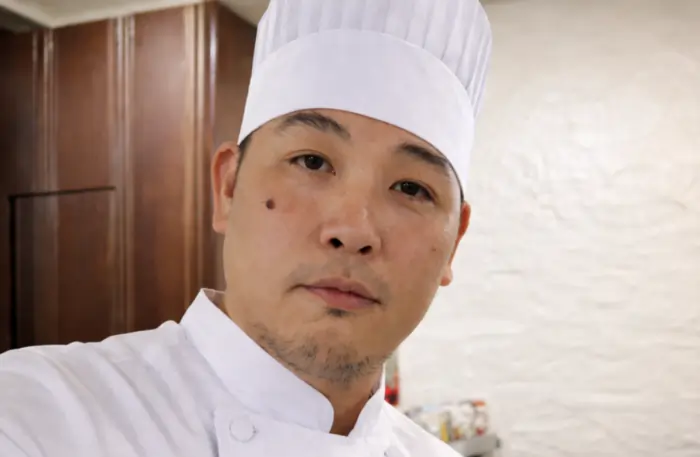
Chef Juan Gadi brings the heart of Filipino hospitality to Ubud, Bali. As an Executive Chef and consultant, he specializes in creating intimate, curated dining experiences that tell a story through every dish. Whether leading the kitchen at Kilig Filipino Warung or hosting a private villa dinner, Chef Juan’s approach is defined by warmth, modern technique, and a commitment to culinary excellence.